
تعمل الأسواق المالية التقليدية ضمن ساعات تداول محددة، مما يحد من قدرة المتداولين على الاستجابة للأخبار العاجلة والأحداث العالمية الكبرى خارج ساعات السوق. ولمعالجة هذا القصور وتوفير وصول على مدار الساعة طوال أيام الأسبوع إلى العقود الآجلة للأصول التقليدية، قدمت Bybit العقود الدائمة بالأصول التقليديَّة (TradFi).
وهذا يُمكّن المتداولين من التفاعل الفوري مع التطورات السياسية أو الاقتصادية الهامة، حتى عندما تكون الأسواق التقليدية الأساسية مغلقة.
تغطي العقود الدائمة بالأصول التقليديَّة (TradFi) حاليًا فئتين رئيسيتين من الأصول الأساسية:
- السلع: مثل المعادن الثمينة والنفط الخام
- الأسهم: بما في ذلك أسهم السوق الرئيسية مثل الأسهم الأمريكية
ما هي العقود الدائمة بالأصول التقليديَّة (TradFi)
كيفية الوصول إلى العقود الدائمة بالأصول التقليديَّة (TradFi)
رسوم التداول
سعر المؤشر
السعر المرجعي
إخلاء مسؤولية المخاطر
ما هي العقود الدائمة بالأصول التقليديَّة (TradFi)
Bybit العقود الدائمة بالأصول التقليديَّة (TradFi) هي مُقوَّمة بـ USDT و تتم تسويتها بـ USDT وهي عقود دائمة تتبع سعر الأصول المالية التقليدية (TradFi). تسمح هذه العقود للمتداولين بالاستفادة من تحركات أسعار الأصول التقليدية دون امتلاك الأصل الأساسي.
تتبع العقود الدائمة بالأصول التقليديَّة (TradFi) نفس آليات الهامش ومعدل التمويل والتصفية مثل عقود USDT الدائمة القياسية. ومع ذلك، يتم تعديل بارامترات معينة — مثل حساب سعر المؤشر وحدود انحراف السعر المرجعي — خصيصًا لتعكس خصائص الأسواق التقليدية بشكل أفضل.
ملاحظة:
العقود الدائمة بالأصول التقليديَّة (TradFi) هي مشتقات ولا تمثل ملكية الأصل الأساسي. لا يمنح الاحتفاظ بهذه العقود أي حقوق للمساهمين (بما في ذلك حقوق التصويت أو توزيع الأرباح)، أو الحق في التسليم الفعلي للسلع أو أي استحقاقات أخرى متعلقة بالأصول.
كيفية الوصول إلى العقود الدائمة بالأصول التقليديَّة (TradFi)
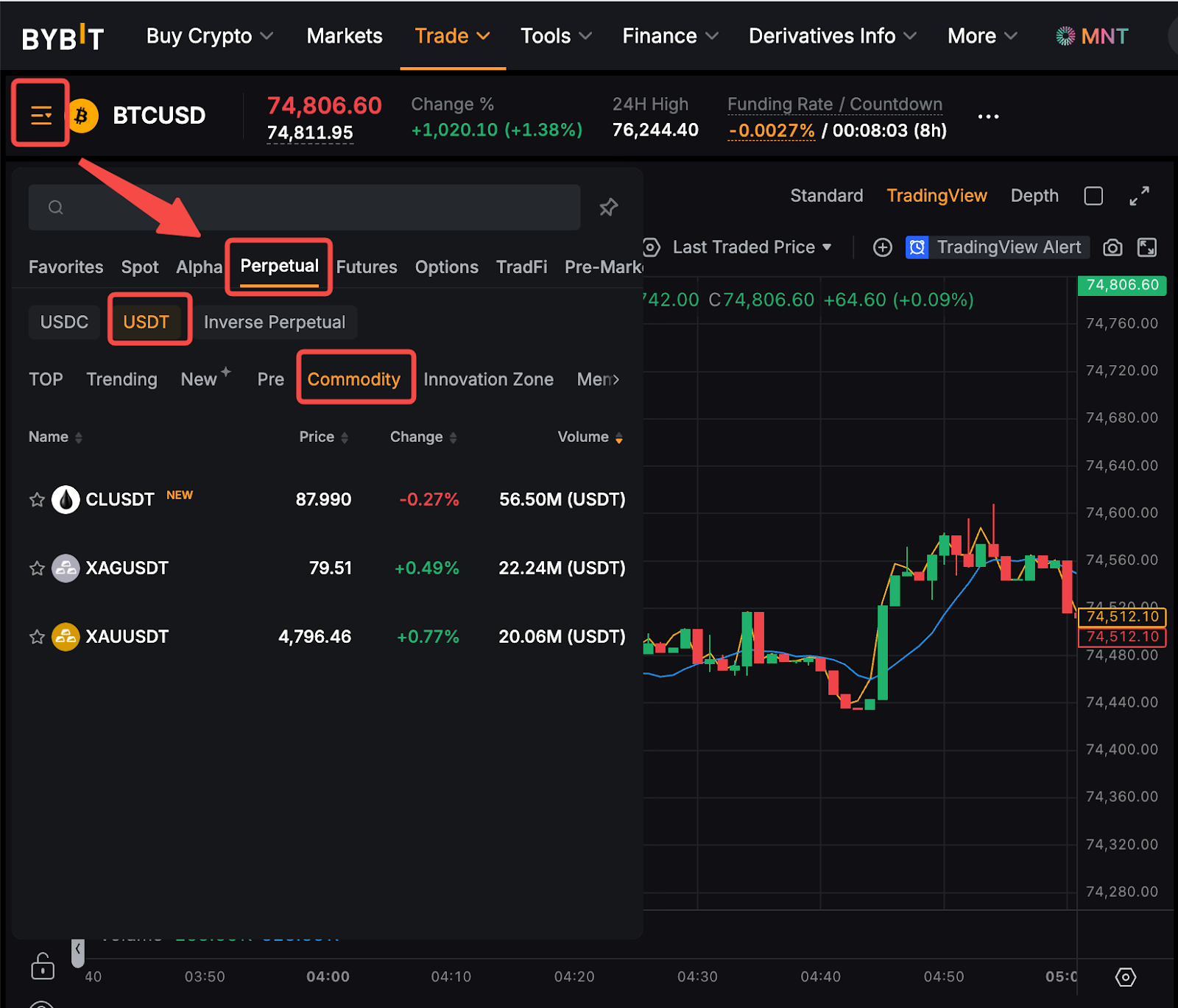
في صفحة تداوُل العقود الآجلة، افتح القائمة المنسدلة للرموز في الزاوية العلوية اليسرى وانتقل إلى عقد دائم ← USDT ← سلعة / سهم.
رسوم التداول
تتبع رسوم التداول للعقود الدائمة بالأصول التقليديَّة (TradFi) نفس هيكل الرسوم الخاص بعقود USDT الدائمة العادية وتخضع لخصومات بناءً على مستوى VIP الخاص بك. لمزيد من التفاصيل حول Bybit هيكل الرسوم، يرجى الرجوع إلى هذا المقال.
سعر المؤشر
يتم حساب سعر المؤشر للعقود الدائمة بالأصول التقليديَّة (TradFi) بناءً على المنهجية التالية لضمان تسعير عادل وموثوق أثناء إغلاق الأسواق التقليدية أو فترات انخفاض السيولة.
ملاحظات:
— تحتفظ Bybit بالحق، وفقًا لتقديرها الخاص، في تحديد ما يشكل "فترة الافتتاح" و "فترة إغلاق السوق".
— قد تقوم Bybit بتعديل الإطار الزمني لأي جلسة تداول أو وضع الحساب المعمول به.
السعر المرجعي
يتم حساب السعر المرجعي للعقود الدائمة بالأصول التقليديَّة (TradFi) باستخدام نفس الآلية المتبعة في عقود USDT الدائمة العادية:
السعر المرجعي = الوسيط (السعر 1، السعر 2، آخر سعر تداول)
لمزيد من التفاصيل، راجع حساب السعر المرجعي (عقد دائم).
قيود انحراف السعر المرجعي
بما أن الأصول الأساسية مشتقة من الأسواق التقليدية، تطبق Bybit قيود انحراف على السعر المرجعي لضمان بقائه متوافقًا بشكل وثيق مع سعر المؤشر، لتقليل تأثير التلاعب المحتمل بالسوق وتقليل مخاطر التصفية غير الضرورية.
الحدود العليا للانحراف لأنواع العقود المختلفة هي كما يلي:
- عقود الأسهم (الأسهم الفردية): +5%
- عقود صناديق الاستثمار المتداولة (ETF) وعقود السلع: +3%
السعر المرجعي الفعلي = clamp (السعر المرجعي المحسوب، سعر المؤشر × (1 − حد الانحراف الأقصى)، سعر المؤشر × (1 + حد الانحراف الأقصى))
مثال (سهم)
افترض ما يلي:
- سعر المؤشر = 5,150
- السعر المرجعي المحسوب = 4,890
- قيد الانحراف = ±5%
- النطاق المسموح به = 4,892.5 ~ 5,407.5
- السعر المرجعي النهائي = 4,892.5 (تم تطبيق الحد الأدنى)
ملاحظة: يتم تقديم المثال لأغراض توضيحية فقط وقد لا يعكس ظروف السوق الفعلية.
إخلاء مسؤولية المخاطر
ينطوي تداول العقود الدائمة بالأصول التقليديَّة (TradFi) على مخاطر سوق كبيرة. يرجى التأكد من فهمك الكامل للمخاطر التالية قبل التداول:
- مخاطر الفجوات السعرية: قد تتسبب أحداث مثل تقارير الأرباح أو الأخبار الكبرى في حدوث فجوات سعرية كبيرة، مما قد يؤدي إلى التصفية.
- مخاطر السيولة: أثناء إغلاق الأسواق الأساسية، قد تنخفض سيولة العقود بشكل كبير، مما يؤدي إلى اتساع الفوارق بين أسعار الـ سؤال والـ مُنَاقَصَة.
- مخاطر الرافعة المالية: قد يؤدي استخدام الرافعة المالية إلى خسارة رصيد الهامش بالكامل خلال فترة زمنية قصيرة.
- عدم ملكية الأصول: لا يمثل الاحتفاظ بـ مُهيكل العقود ملكية للأصل الأساسي ولا يمنح أي حقوق، بما في ذلك الملكية أو استحقاق توزيع الأرباح أو حقوق التصويت.
- المخاطر التنظيمية: قد يُحظر على المستخدمين في بعض الولايات القضائية الوصول إلى هذا المنتج بسبب المتطلبات التنظيمية.
إخلاء مسؤولية عدم الملكية
- تداول العقود الدائمة بالأصول التقليديَّة (TradFi) لا يشكل ملكية لأي أسهم أو حقوق ملكية أو أوراق مالية أو سلع أو أصول رمزية أساسية.
- لا يملك المستخدمون الذين يحتفظون بهذه العقود الأصول الأساسية ولا يحق لهم الحصول على أرباح أو فوائد أو توزيعات. كما أنهم لا يتمتعون بأي حقوق تصويت أو امتيازات للمساهمين أو حقوق حوكمة، ولا يتمتعون بأي حقوق في الاكتتاب أو الشراء التفضيلي أو التحويل أو الاسترداد. وما لم تعكس Bybit ذلك صراحةً من خلال تعديلات التسعير أو العقود، لن يستفيد المستخدمون من أي إجراءات مؤسسية.
إخلاء المسؤولية
– العقود الدائمة بالأصول التقليديَّة (TradFi) غير مرتبطة بمُصدر السلعة الأساسية ذات الصلة أو البورصة المدرجة فيها، ولا يتم رعايتها أو تأييدها من قبلهم أو الانتساب إليهم.
– ينطوي تداول العقود الآجلة في الأصول التقليدية على مخاطر سوق كبيرة وتقلبات في الأسعار، خاصة خارج ساعات العمل العادية للأصل الأساسي. في حالة تحركات الأسعار المعاكسة، قد تتم تصفية رصيد الهامش بالكامل. Bybit ليست مسؤولة عن أي خسائر قد تتكبدها ولا تقدم نصائح مالية. لمزيد من التفاصيل، يرجى الرجوع إلى الشروط والأحكام الخاصة بالعقود الدائمة بالأصول التقليديَّة (TradFi).