Listening, Caring, and Improving Together
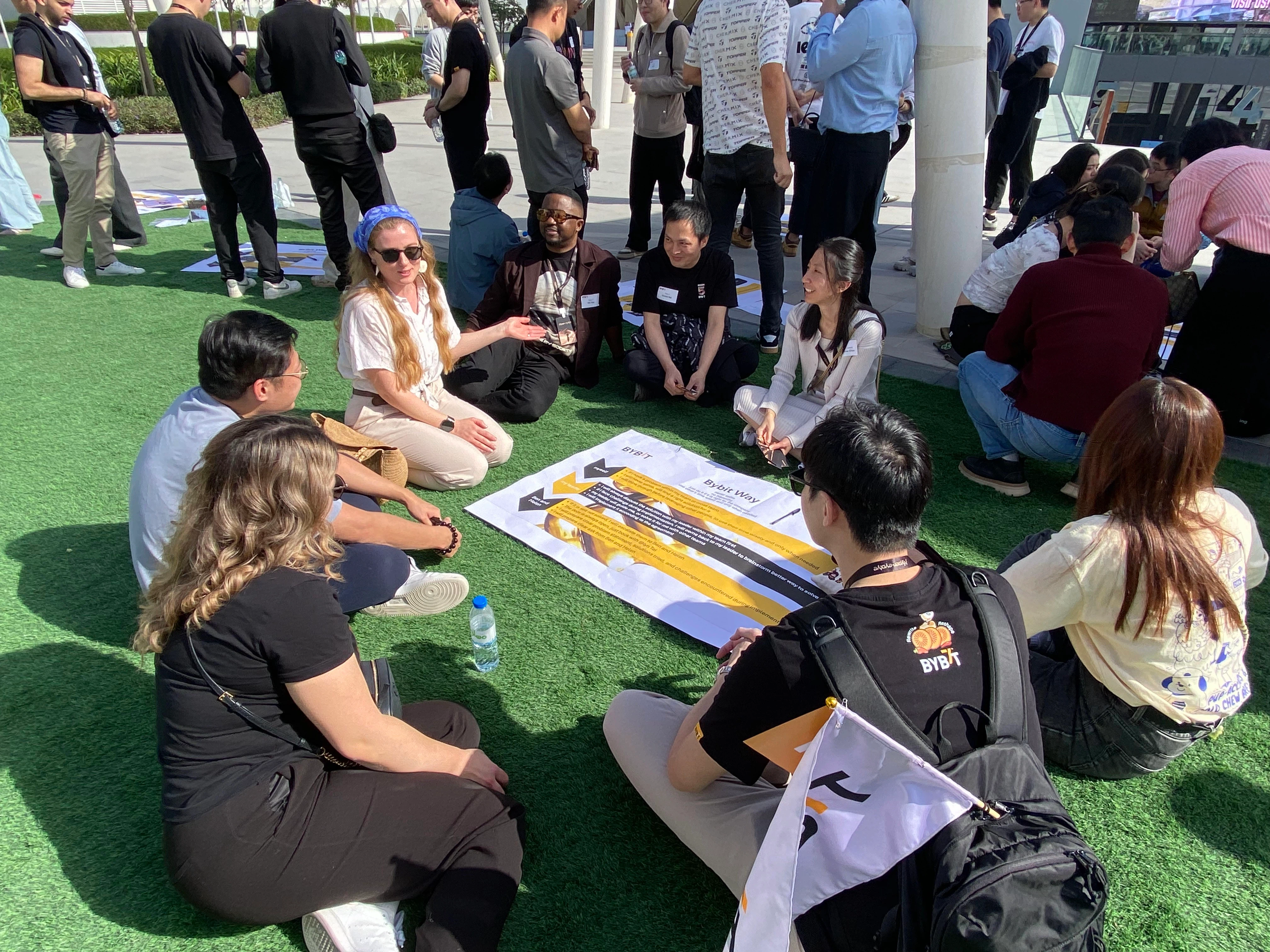
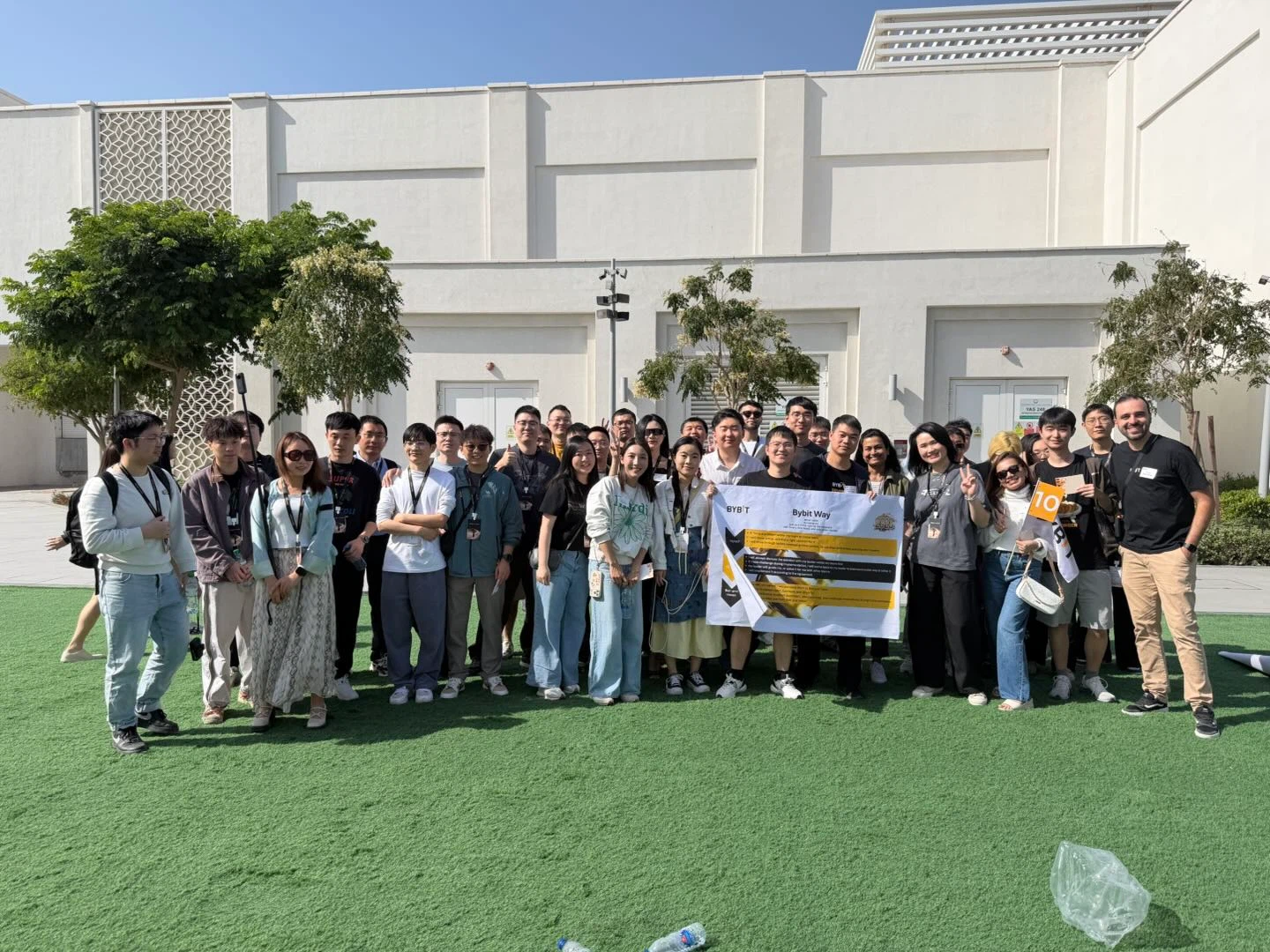
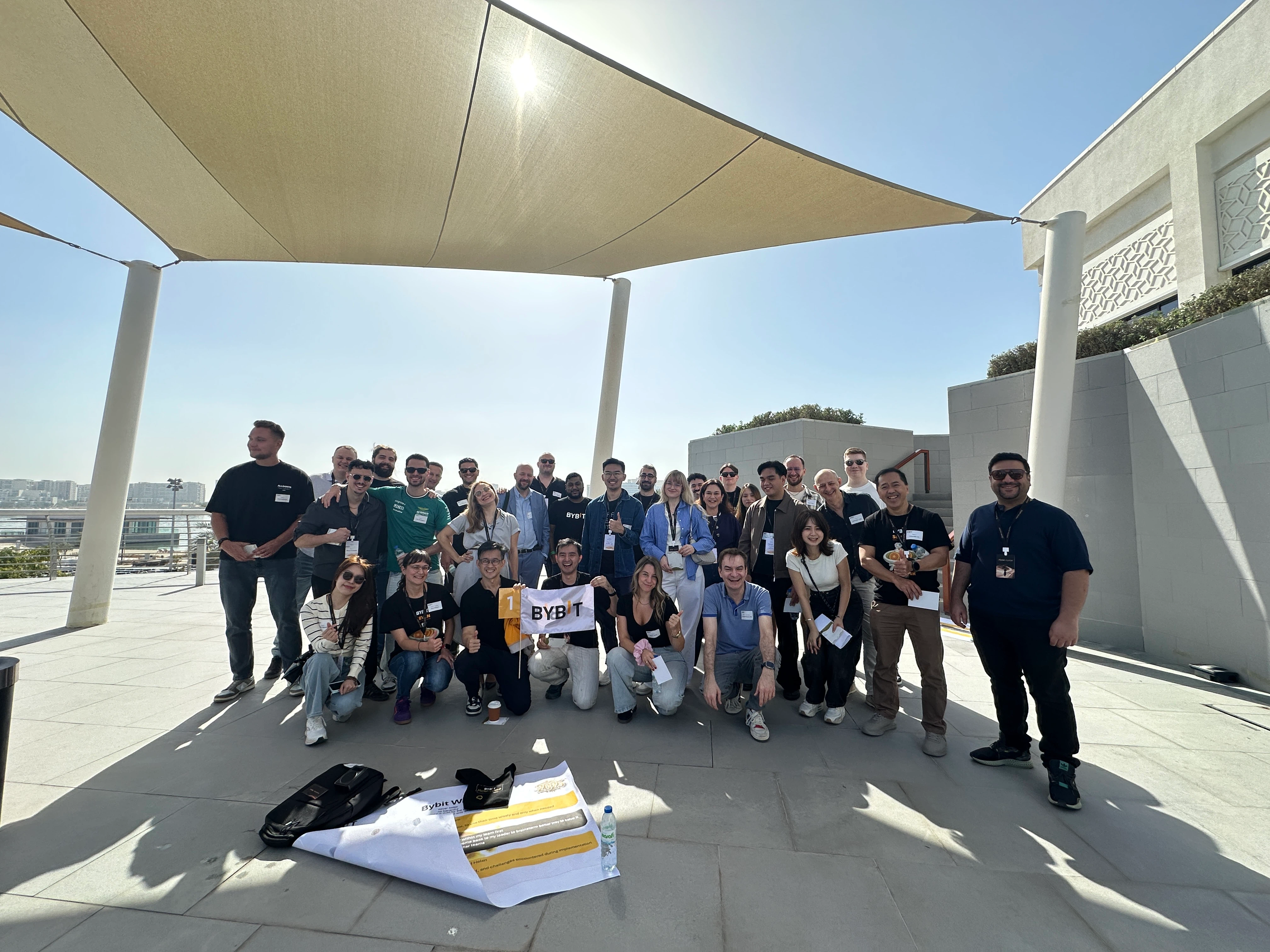
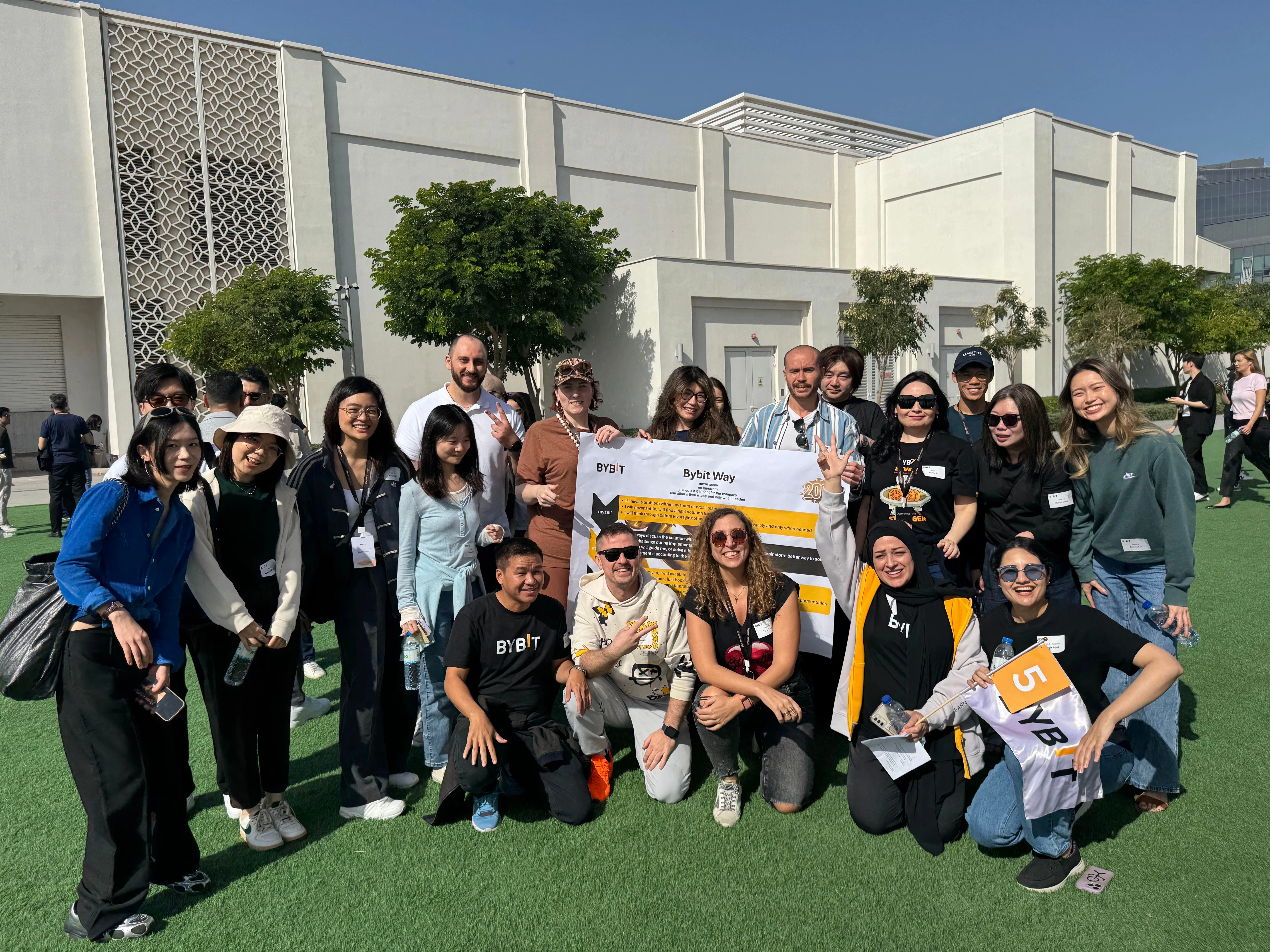
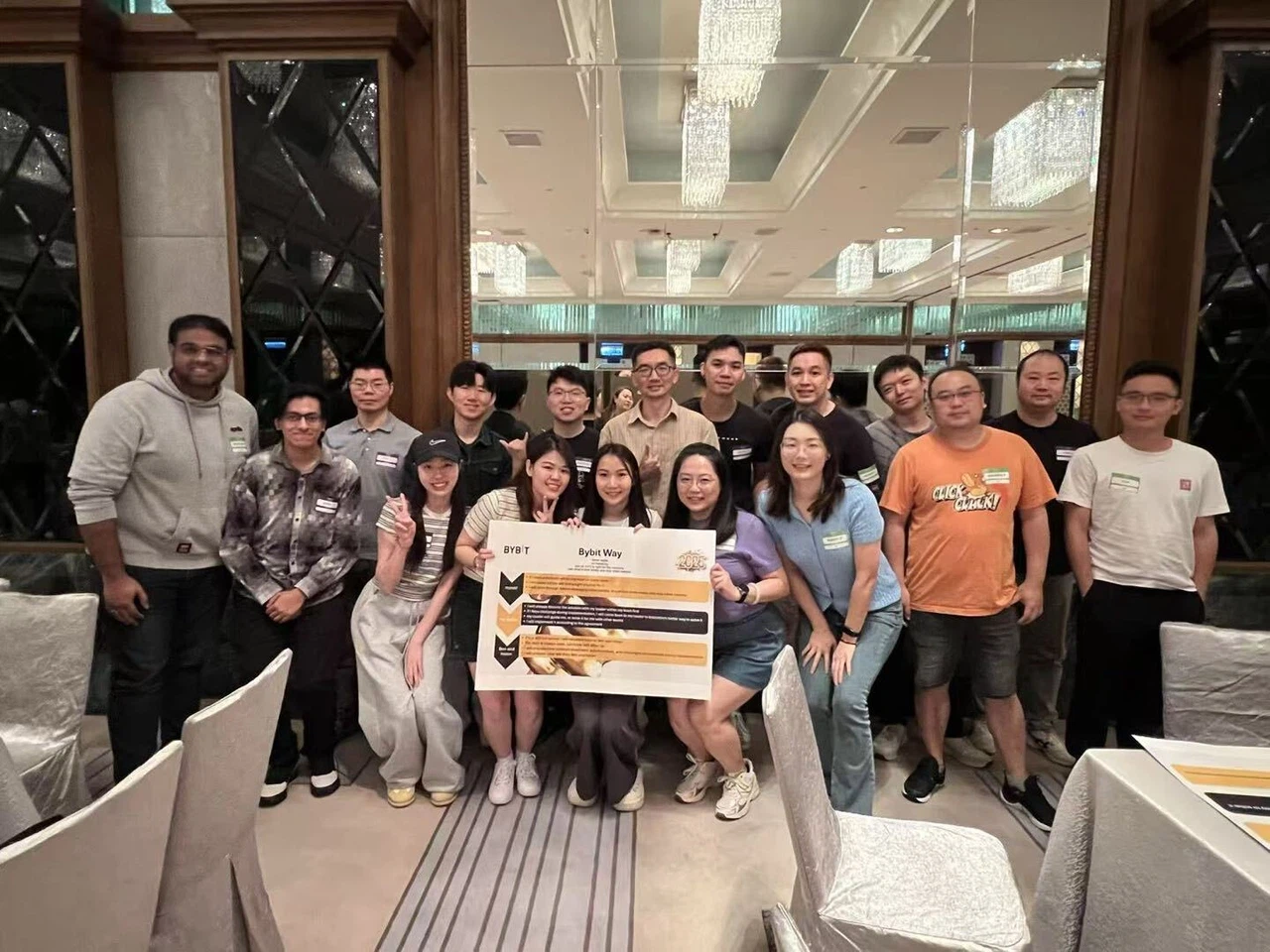
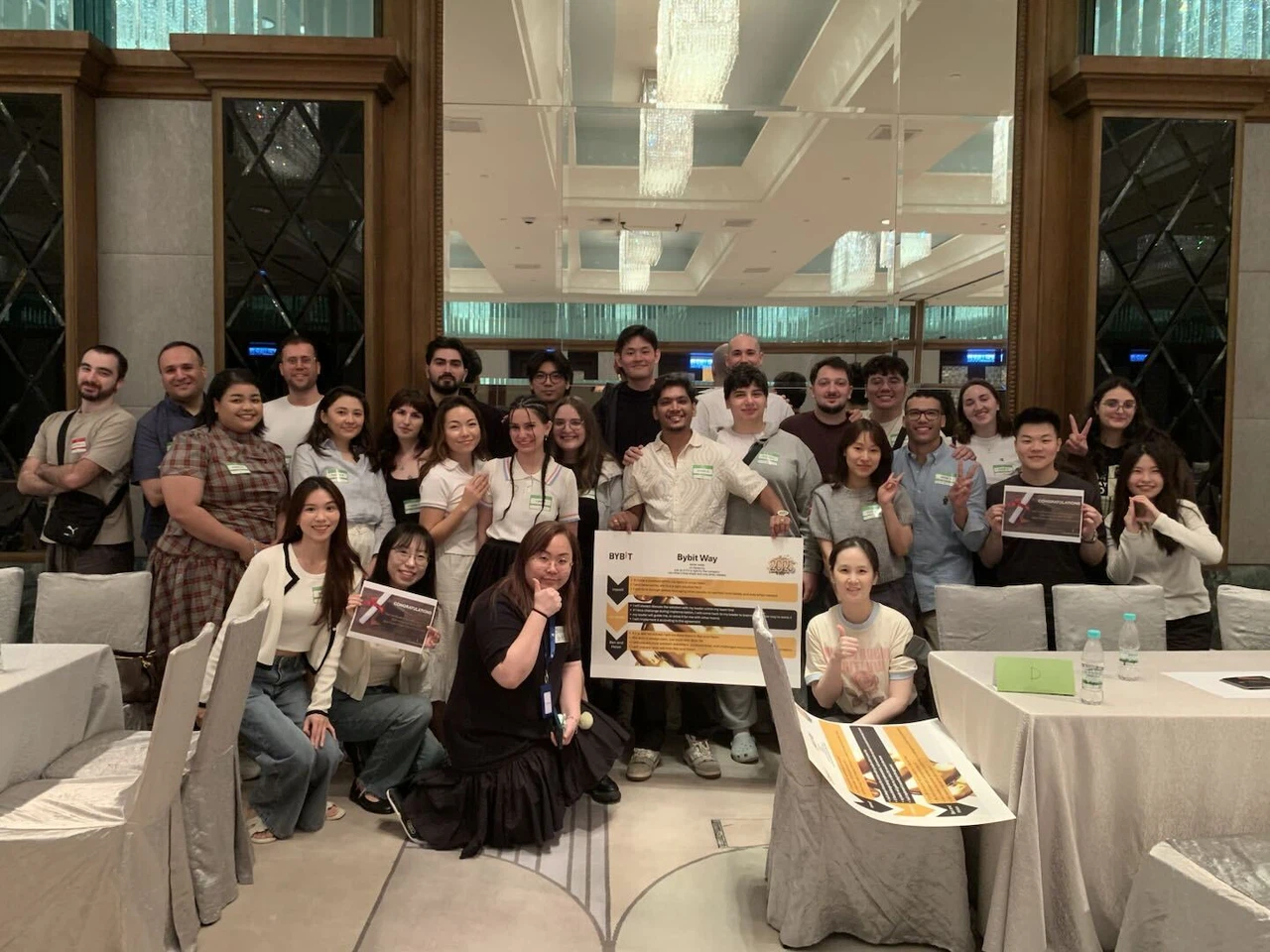
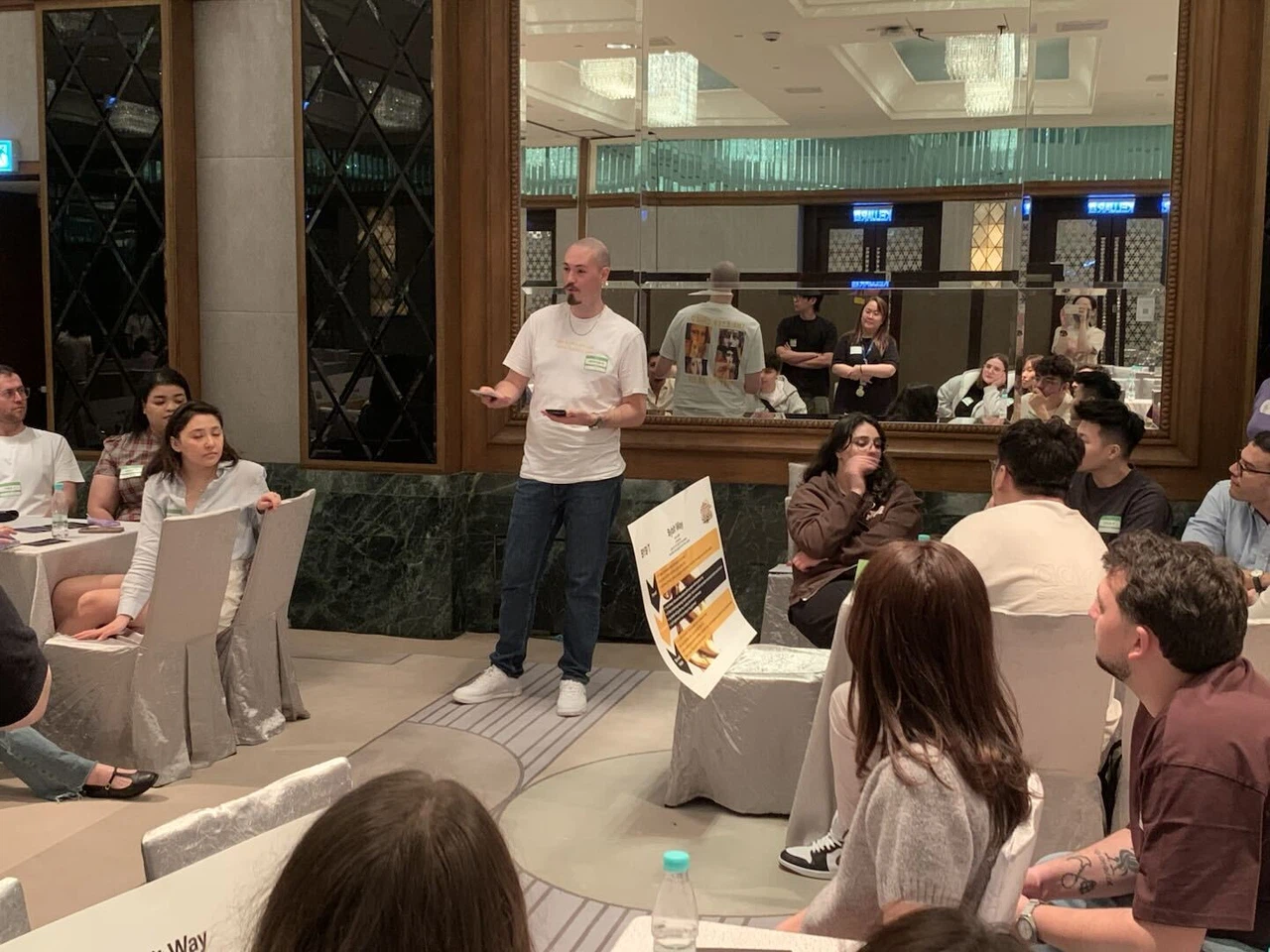
Before the gala dinner began, colleagues from different countries came together for the Bybit Way Workshop – a working session designed to slow things down before the celebration.
The session created space for teams to step away from daily execution, reflect on real challenges, and connect everyday decisions back to our mission: to listen, to care, and to continuously improve.
The purpose of the workshop was simple but intentional. It was not about highlighting results or polished success stories, but about creating a shared understanding of what the Bybit Way looks like in practice. By grounding the discussion in real situations, the session aimed to help teams learn from one another, recognize good judgment under pressure, and reinforce behaviors that often happen quietly behind the scenes.What made the workshop especially meaningful was its diversity of perspectives. Participants came from different countries, functions, and roles, yet many of the challenges they described were surprisingly similar. The session became a space where frontline signals, cross-team friction, and hard trade-offs could be discussed openly, without hierarchy.
Listening Closely to Frontline Signals
One story came from a frontline Live Chat agent who noticed a recurring issue in daily operations.
Some internal guidance related to card inquiries had become outdated, creating confusion and repeated escalations for both agents and users.
Although updating internal documentation was not formally part of the role, the agent listened closely to what was happening on the ground and chose to act. The observation sparked conversations across several teams, bringing together different perspectives to clarify expectations and improve internal guidance.
Through collaborative discussions and shared ownership of the issue, teams worked to simplify communication and make the information easier for frontline agents to apply in real conversations.
The impact became clear over time. When card-related inquiries increased significantly, frontline teams were able to respond more confidently and consistently. Escalations decreased, and users received clearer answers.
Caring About Quality Beyond the Minimum
Another team reflected on quality coverage in CS. With only limited manual reviews of conversations, it was challenging to fully understand the overall customer experience or identify broader patterns.
Rather than accepting this limitation, teams began exploring ways to strengthen quality insights and expand visibility into customer interactions. By working together and aligning on shared responsibility for quality, they started experimenting with new approaches that could help broaden coverage and improve consistency.
While the solution is still developing, the shift in mindset is already visible. Teams are now better able to identify patterns and focus their efforts on meaningful coaching and improvements that benefit users directly.
Improving Outcomes Through Early Alignment
From the Brazilian market came a story that highlighted how listening to users can quickly improve outcomes. A limited campaign filled faster than expected, but delays in reward distribution and unclear expectations led to a spike in frustrated Live Chat inquiries.
By reviewing real user conversations, CS identified ambiguity around deposit requirements during a period of exchange-rate volatility. Customer-facing teams and campaign stakeholders came together to clarify expectations and align on the campaign’s intent and constraints.
Through open discussion and shared feedback, the teams agreed on a clearer and more consistent approach that was easier for users to understand and for frontline teams to communicate.
As a result, user confusion dropped significantly, the campaign stabilized, and collaboration between teams became smoother going forward.
One of the most challenging stories came from the migration of Dutch users to the new EU platform. Tight timelines and changing regulatory requirements left little room for flexibility.
Customer-facing teams identified potential friction points early, including areas where users might experience confusion during the transition.
After launch, those risks surfaced quickly. Instead of reacting to issues one by one, teams worked closely with frontline feedback to identify patterns and translate complex situations into clearer guidance for both users and support teams.
Ongoing collaboration across teams helped reduce uncertainty, stabilize workflows, and gradually improve the experience for both users and internal teams.
A Shared Moment of Reflection
Across teams and countries, the stories shared during the workshop reflected the same mindset: listening carefully, caring about real impact, and continuously improving — even when the path forward was not straightforward.
The discussion highlighted how the Bybit Way is expressed through everyday decisions. It shows up when people step in early, work across boundaries, and take responsibility for making things better — for users and for one another.
Why the Workshop Mattered
Across all the stories shared, a common thread emerged: people were paying attention early, caring about the impact of their decisions, and taking responsibility to improve situations that were not clearly “owned.”
The workshop mattered because it made these behaviors visible. It gave teams a shared language for good judgment, reinforced trust across functions, and reminded everyone that meaningful impact often happens long before results are measured. Held just before the gala dinner, the session reinforced a simple idea: when people listen carefully, care deeply, and keep improving together, the Bybit Way becomes part of how the organization works every day.