
Bybit, the world’s second-largest cryptocurrency exchange by trading volume, was represented by its CEO and co-founder, Ben Zhou, in a high-level panel at Fintech Abu Dhabi, held as part of Abu Dhabi Finance Week (ADFW) 2025. The discussion examined the shifting power dynamics shaping the future of global payments and financial infrastructure.
The session, titled “Invisible Payments, Visible Growth: Under the Hood of Today’s Power Plays,” brought together leaders who are helping redefine the modern financial stack. Zhou appeared alongside Hosam Arab, CEO and co-founder of Tabby, and Mark Rydquist, managing director at Google. The panel was moderated by Lenah Hassaballah, editor at CNN Business Arabic.
Set against ADFW 2025’s theme, “Engineering the Capital Network,” the panel explored how financial systems are being redesigned to harness innovation, artificial intelligence and global capital flows, with the UAE and the wider Gulf Cooperation Council increasingly positioned as a hub for finance and investment.
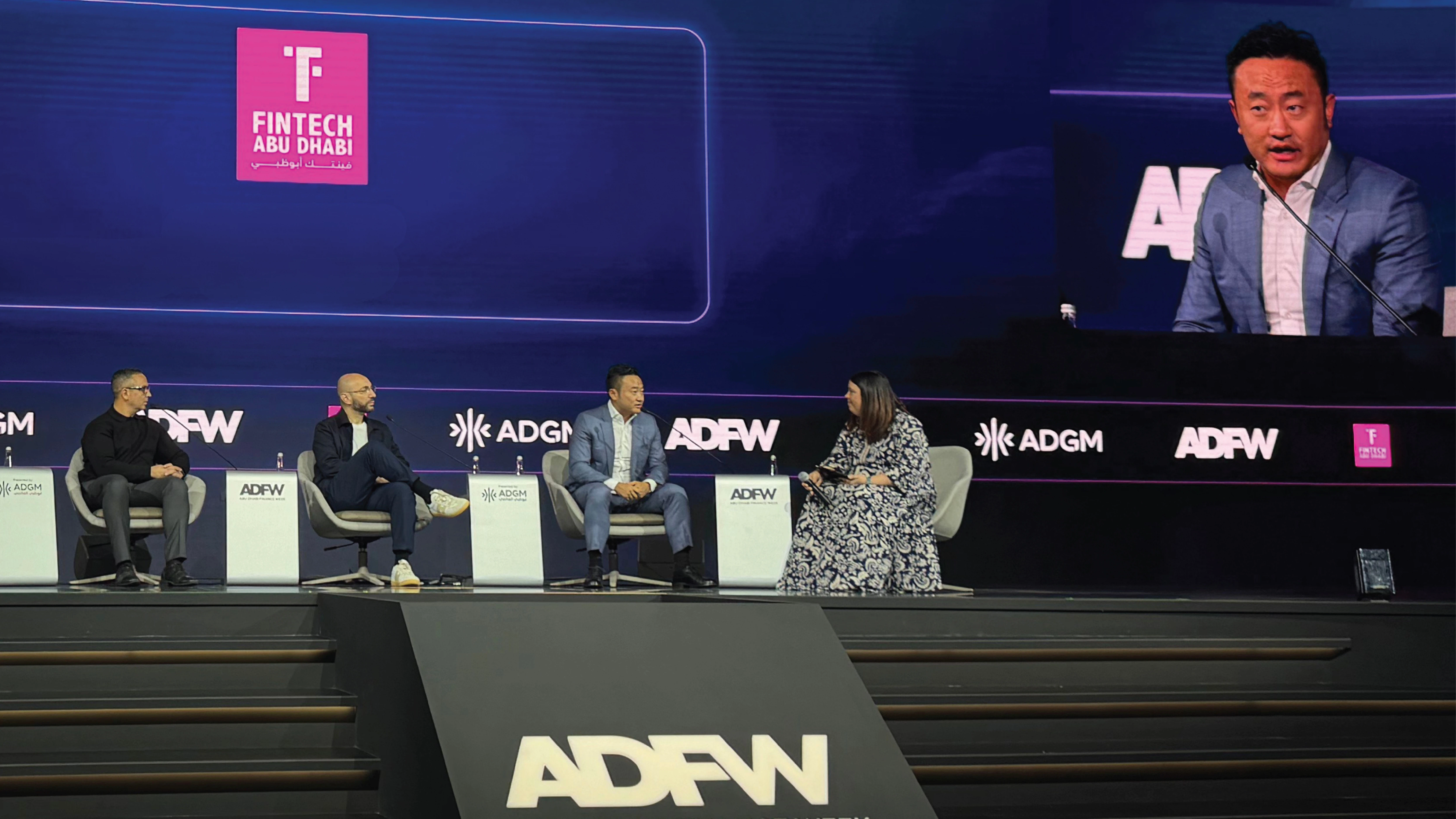
The panel also addressed security and governance, with Zhou responding to questions about the major security incident in February 2025. He said the incident represented “the ultimate test” of Bybit’s operational discipline and its dedication to user protection.
Zhou pointed to a broader industry challenge: the speed at which attackers can move funds across blockchains and through decentralized mixers, often outpacing traditional tracing processes. “When an incident like this happens, it’s really a time race,” he said, noting that decoding transactions can involve a two-day lag, during which “the hacker can simply move money to multiple locations.”
To reduce this systemic vulnerability, Zhou highlighted a coordinated industry initiative he referred to as the Lazarus Group — a cooperative effort designed to improve information sharing and response times across exchanges and OTC participants. He said the goal is to ensure that “when another victim happens, the whole industry can respond faster,” strengthening collective defenses against complex, cross-chain attacks.
Discussing the user experience of crypto payments, Zhou said cryptocurrencies offer a more modern and efficient settlement infrastructure. “To me, crypto is just synchronization. It’s modern. It’s 24/7,” he said, noting that vendors increasingly prefer real-time settlement over traditional processors that reconcile transactions only at limited intervals. He added that crypto provides greater access and on-chain transparency, allowing users to transact more efficiently and with fewer intermediaries.
Zhou emphasized crypto’s ability to reduce friction across global payment systems. Faster settlement, transparent tokenized systems and decentralized infrastructure together create a more open and efficient payments landscape — one positioned to support the invisible payment experiences users expect as digital finance matures.
“As digital assets move further into the mainstream, secure and scalable infrastructure, combined with a strong foundation of user trust, will be key to supporting long-term growth and practical adoption,” Zhou said.