crypto master
227いいね0シェア3ファン6フォロー
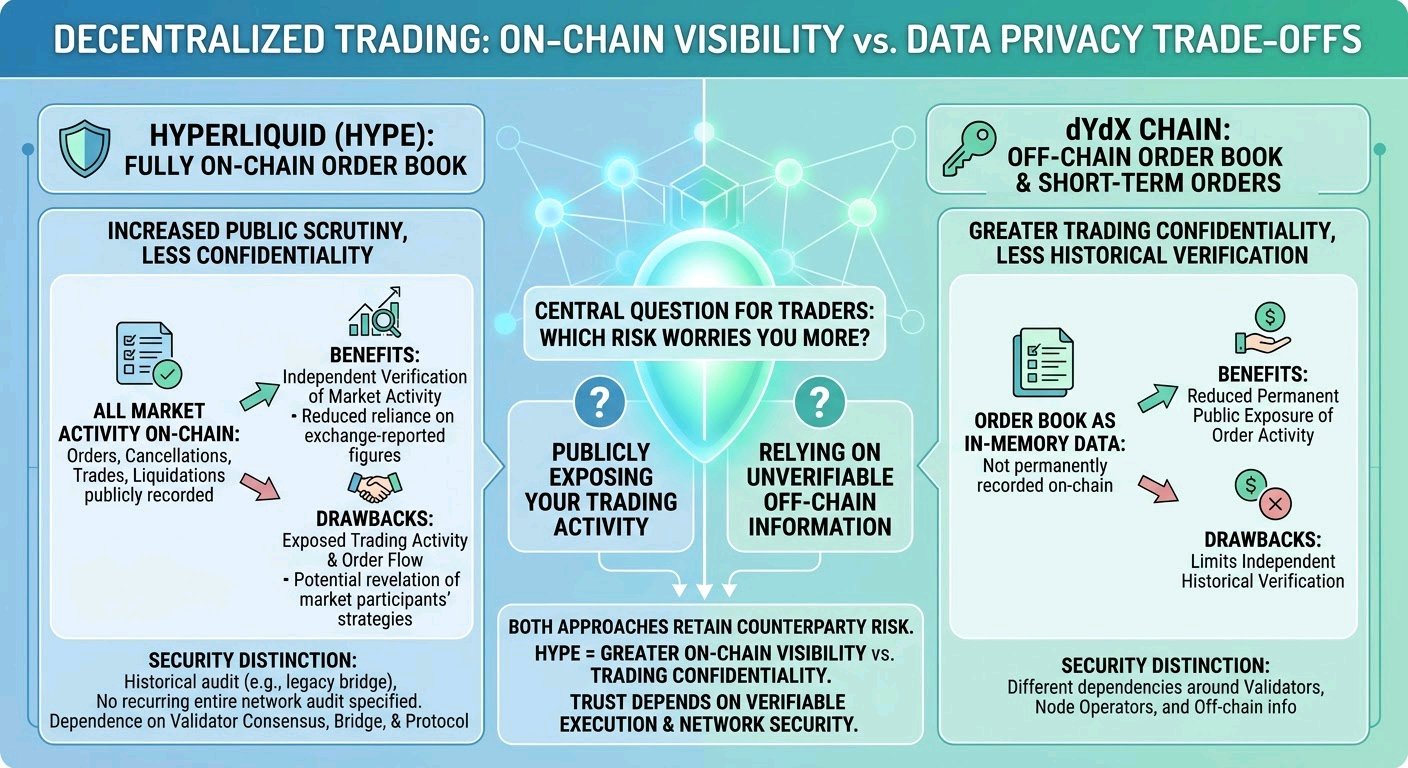
HYPEは完全オンチェーンのパーペチュアルおよび現物オーダーブックを備えています。注文、キャンセル、取引、清算はすべて公開記録されます。 しかし、取引の可視性が高いことと、システムのあらゆる部分を独自に検証できることは別問題です。 保有者は取引所の報告数値に完全に依存することなく、独自に市場活動を調査できるようになります。ただし、これにより取引活動やオーダーフローが公開され、参加者の戦略が露呈する可能性があります。 重要なセキュリティ上の違いがあります。Hyperliquidの公式監査ドキュメントには、Zellicによるレガシーブリッジコントラクトの監査が記載されています。これはコントラクトの監査であり、ネットワーク全体の継続的な監査ではありません。確認したドキュメントには、定期的な独立監査のスケジュールは明記されていません。Hyperliquid Docs +1 これをdYdX Chainと比較してみましょう。公式ドキュメントによると、短期注文やパーペチュアルのオーダーブックはオンチェーンに永続的に記録されるのではなく、インメモリデータとして扱われます。これにより、注文活動の一部が永続的に公開されるリスクは低減しますが、一方で独立した履歴検証は制限されます。v4 +1 公開性が高まる分、社会的な監視も強まるというわけです。 どちらのアプローチもカウンターパーティリスクを排除するものではありません。Hyperliquidのユーザーは依然としてバリデーターのコンセンサス、ブリッジのセキュリティ、プロトコルの実行に依存しています。dYdXのユーザーは、バリデーター、ノード運営者、オフチェーンのオーダーブック情報に関する異なる依存関係に直面します。 私はHyperliquidが明示的な秘密保持ポリシーを掲げている証拠を見つけていません。実際のトレードオフは、オンチェーンの可視性を高めるか、取引活動の機密性を保つかという点にあり、信頼の拠り所は結局のところ検証可能な実行とネットワークセキュリティにかかっています。 あなたはどちらのリスクをより懸念しますか?取引活動が公にさらされることでしょうか、それともオンチェーンで永続的に検証できない情報に頼ることでしょうか? $HYPEUSDT #米中間選挙後、ビットコインが2か月ぶりの安値を記録
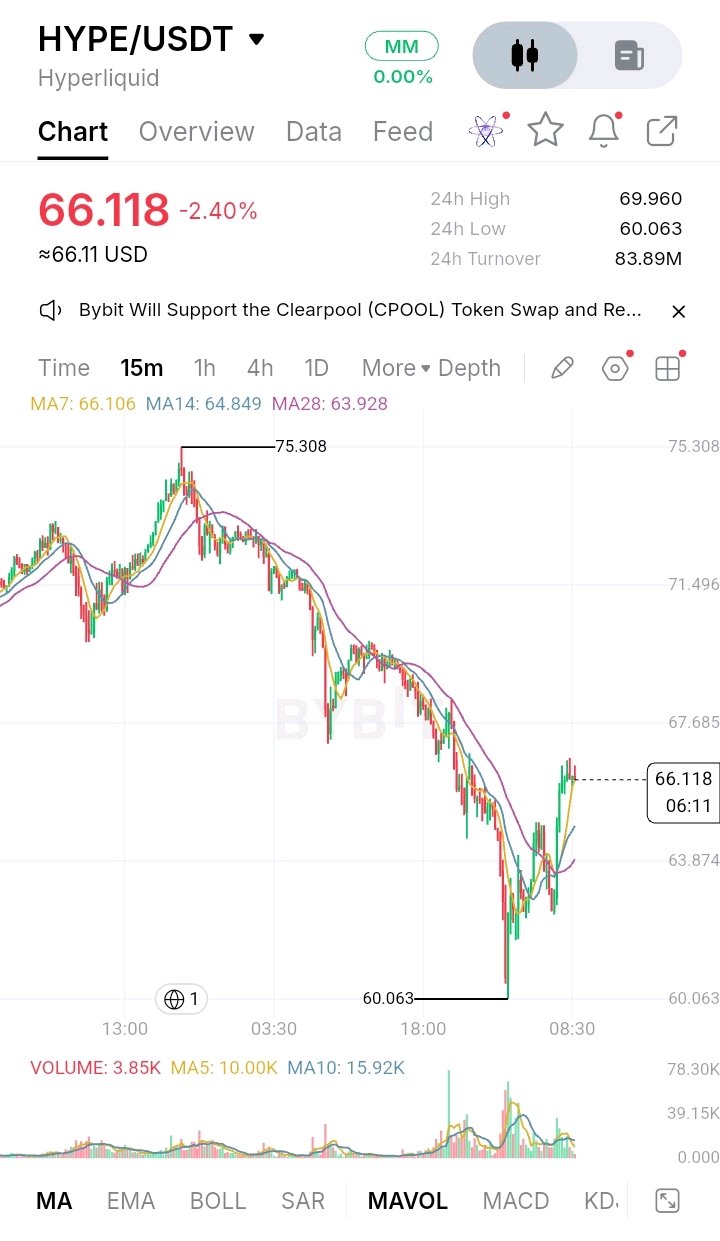
HYPE’s Hyperliquid runs a fully on-chain order book where orders, cancellations, trades and liquidations are publicly recorded. But there is an important distinction: transparent trading activity does not mean every layer of the protocol has received independent security verification. The tradeoff here is not deliberate secrecy. It is the gap between visible operations and independently audited infrastructure. Users gain the ability to inspect transactions, positions and protocol activity without relying entirely on private exchange reports. However, public visibility cannot replace independent verification of the underlying technology. Hyperliquid’s documentation confirms that its legacy bridge contract was audited by Zellic. However, that disclosure does not establish a full independent audit of HyperCore or HyperBFT. No recurring audit schedule or continuous independent monitoring is established by the cited documentation. Hyperliquid Docs +1 Compare this with dYdX. Its documentation distinguishes between on-chain trade data and off-chain short-term orders and order-book information maintained in node memory. Hyperliquid exposes more of its trading activity directly on-chain. dYdX's architecture retains certain operational information outside the permanent ledger. More exposure, in exchange for greater public scrutiny. v4 +2 Neither approach removes counterparty risk. Hyperliquid users can independently inspect recorded activity, but still depend on protocol security, validator operations and infrastructure integrity. dYdX users face additional limitations when independently reconstructing off-chain order activity. The real question is whether visible transactions are enough without broader independent security verification. Which risk worries you more — limited visibility into operational activity, or publicly visible activity without comprehensive independent audits? $HYPEUSDT #SanDiskAnnounces8For1StockSplit
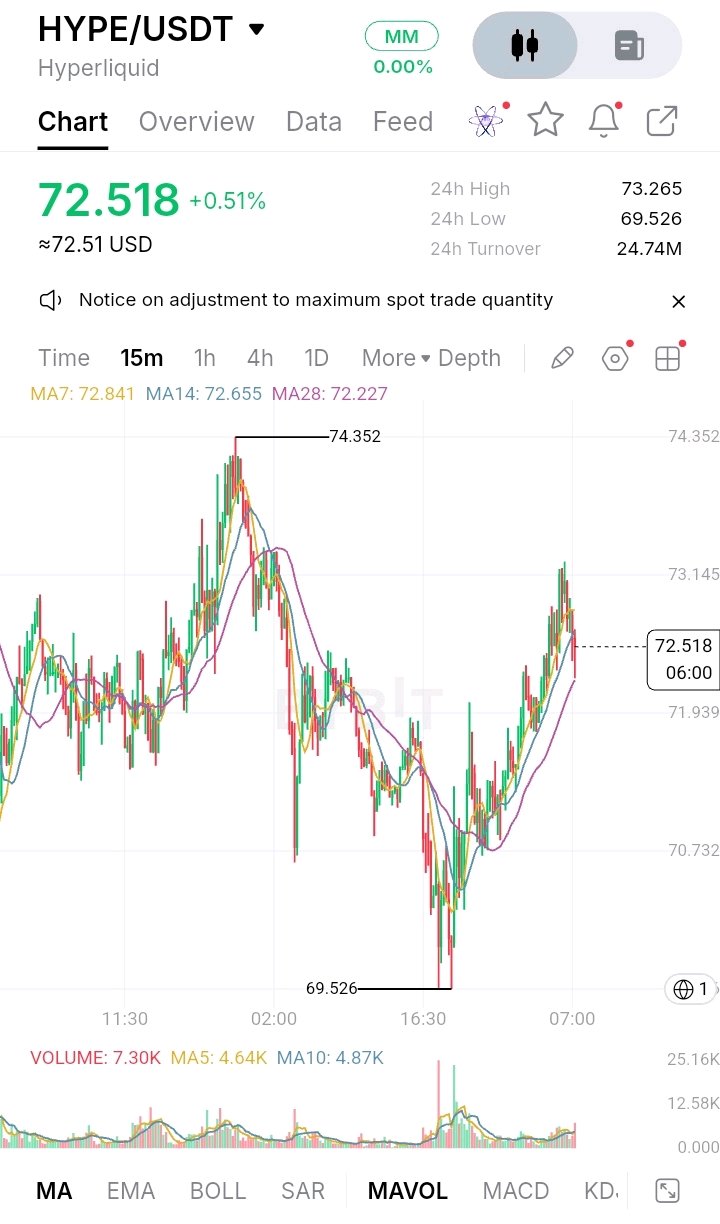
BAT is a utility token, not a reserve-backed stablecoin. Its transparency model therefore needs to be assessed through its public token supply, blockchain activity, and Brave's privacy architecture—not through reserve attestations or custodial backing. BAT runs on Ethereum as an ERC-20 token, with a maximum supply of 1.5 billion. But its core advertising system deliberately keeps user-level activity away from public view. That's not an oversight. It's a stated choice. Brave Help Center +2 Brave matches advertisements directly on users' devices rather than sending personal browsing information to its servers. That protects user privacy and reduces exposure to third-party tracking. The tradeoff is that outsiders cannot independently inspect individual ad views, clicks, or user-level reward calculations. Brave Ads +1 BAT holders can verify the token contract, supply and transfers through Ethereum explorers. Brave also publishes information about its privacy architecture and anonymous advertising confirmations. However, there is no reserve-attestation schedule or named reserve auditor because BAT is not reserve-backed. Public blockchain data cannot independently verify every off-chain advertising event. Etherscan +2 Compare this with AdEx (ADX). Its protocol uses per-impression micropayments as reporting data, giving advertisers and publishers transaction-level accounting. Payment-channel activity is visible to participants, while external observers do not automatically see every transaction. More transaction-level exposure, in exchange for more detailed accounting. GitHub +1 Neither approach removes counterparty risk. BAT relies on Brave's privacy-preserving advertising infrastructure and off-chain reporting. AdEx relies on payment-channel participants and protocol settlement. BAT has chosen privacy over universal visibility, trusting its technical architecture and anonymous verification mechanisms. Which risk worries you more — limited visibility into advertising activity, or greater exposure of transaction-level information? $BATUSDT #BitcoinHitsTwoMonthLowAfterUSMidterms
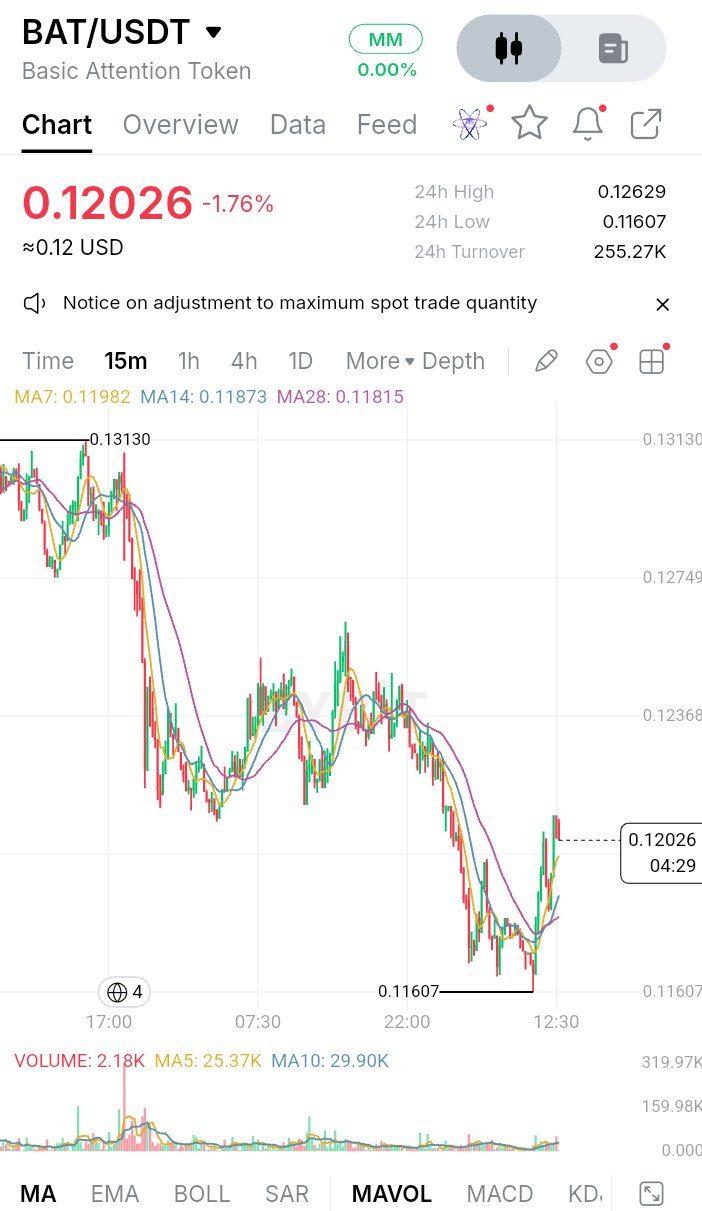
ONDO is not a reserve-backed stablecoin; it is a governance token. Its central transparency question is therefore not whether reserves cover circulating supply, but how much control tokenholders can actually verify and exercise over the Ondo ecosystem. ONDO’s governance design makes that tradeoff visible. Tokenholders can vote on economic parameters and smart-contract upgrades, but the DAO can also elect committees or multisigs to handle sensitive operations, including emergency pauses. That's not an oversight. It's a stated choice. Ondo Foundation Docs +1 The operational logic is security: emergency intervention may need to happen faster than a public voting cycle. But holders surrender some direct visibility and control over decisions delegated to those operators. What can holders verify? ONDO balances, governance proposals, voting outcomes and execution transactions on-chain. Proposals require 100 million ONDO, voting lasts three days, and successful proposals face a one-day timelock. No named independent firm or recurring attestation schedule for DAO governance itself is specified in the governance documentation. Outsiders therefore cannot independently audit every off-chain operational decision between votes. Ondo Foundation Docs +1 Compare Compound’s COMP governance: it uses executable proposals and a two-day timelock, providing more implementation visibility, in exchange for exposing more operational detail publicly. Docs - Governance +1 Neither approach removes counterparty risk. ONDO relies partly on delegated authority and trusted operators; COMP relies more heavily on publicly inspectable governance execution, while retaining emergency controls. ONDO chooses flexibility alongside on-chain accountability. Its trust model leans on governance rules, smart contracts and delegated operational authority. Which risk worries you more — concentrated operational control, or greater public exposure in exchange for verifiability? $ONDOUSDT #NovUSCPIWatch
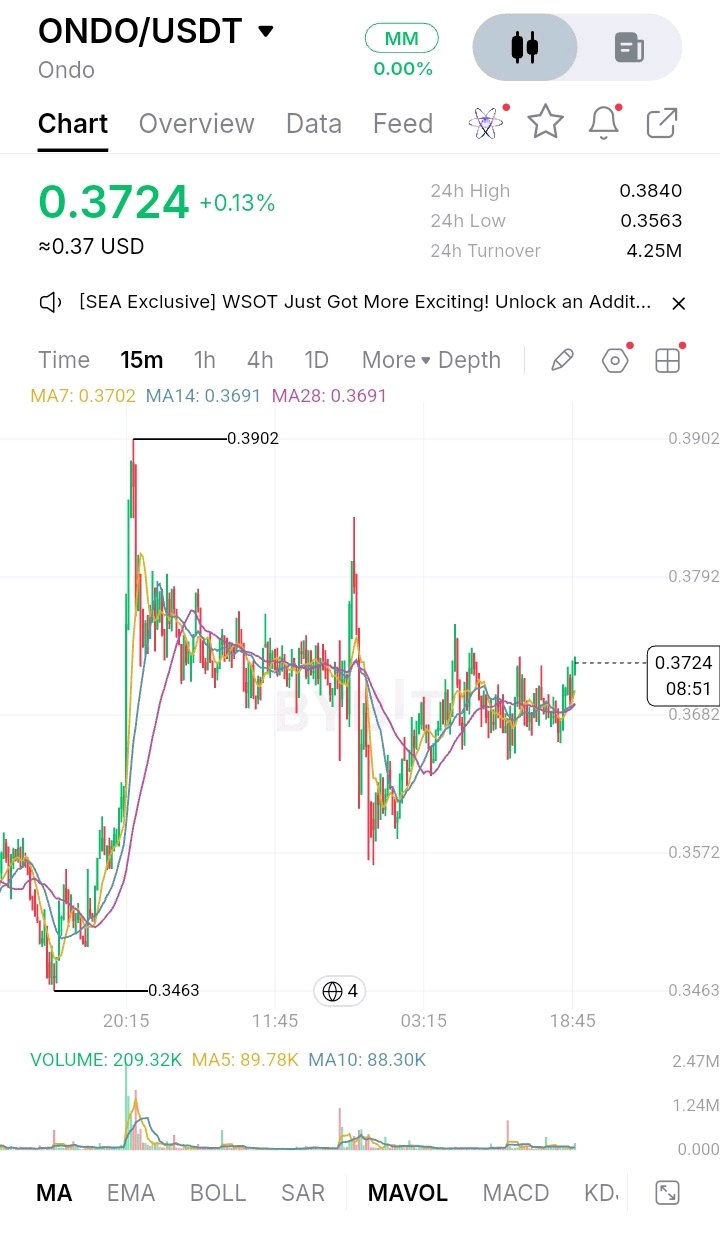
HYPEは裏付け資産を持つトークンではないため、透明性に関する議論の性質が変わります。その価値はHyperliquidエコシステムと結びついており、すべてのトークンがカストディアンの保有資産と交換可能であるという約束に基づいているわけではありません。 これは見落としではなく、異なる信頼モデルなのです。 Hyperliquidはオンチェーン実行と検証可能な市場活動を優先しています。注文ブック、取引、キャンセルはオンチェーンに記録されるため、ユーザーは取引所の非公開な報告書に全面的に依存することなく、活動を直接検証できます。しかし、公開されたトランザクションからは、ネットワークを維持する関係者やインフラに関するすべての運用上の詳細は明らかになりません。 その仕組みはデリゲート・プルーフ・オブ・ステーク(DPoS)です。HYPE保有者はトークンをバリデーターに委任でき、バリデーターはブロック生成に参加してステーキング報酬を受け取ります。Hyperliquidでは、アクティブなバリデーターに対し、最低10,000 HYPEの自己委任を求めています。Hyperliquid Docs +1 保有者が検証できるのは、公開されたブロックチェーンデータを通じたネットワーク活動、バリデーターのステーキング、およびトークン供給量です。一方で、トランザクション履歴だけからでは、各バリデーターの現実世界における運用上の完全なレジリエンス(回復力)までは確認できません。HYPEは裏付け資産を持つステーブルコインではないため、定期的な準備金証明スケジュールは存在しません。 BNBと比較してみましょう。BNBのエコシステムはBinanceと強く結びついており、ネットワークの透明性と機関投資家によるエクスポージャーとの間に異なる関係性が生まれています。HYPEはよりオンチェーン検証に重きを置いていますが、BNB保有者も同様にエコシステムレベルの集中リスクに直面しています。 どちらのアプローチもカウンターパーティリスクを排除するものではありません。オンチェーンの透明性は非公開の取引報告への依存度を低減させますが、機関投資家によるエクスポージャーは別の依存関係を生み出します。 HYPEは機密性の高い財務報告よりも検証可能な実行を選択していますが、ネットワークの透明性が完全に分散化されていることと同義ではありません。 あなたはどちらのリスクをより懸念しますか?可視化されたオンチェーンシステムに依存することか、それとも機関による管理に依存することか。 $HYPEUSDT #BybitAI進化中
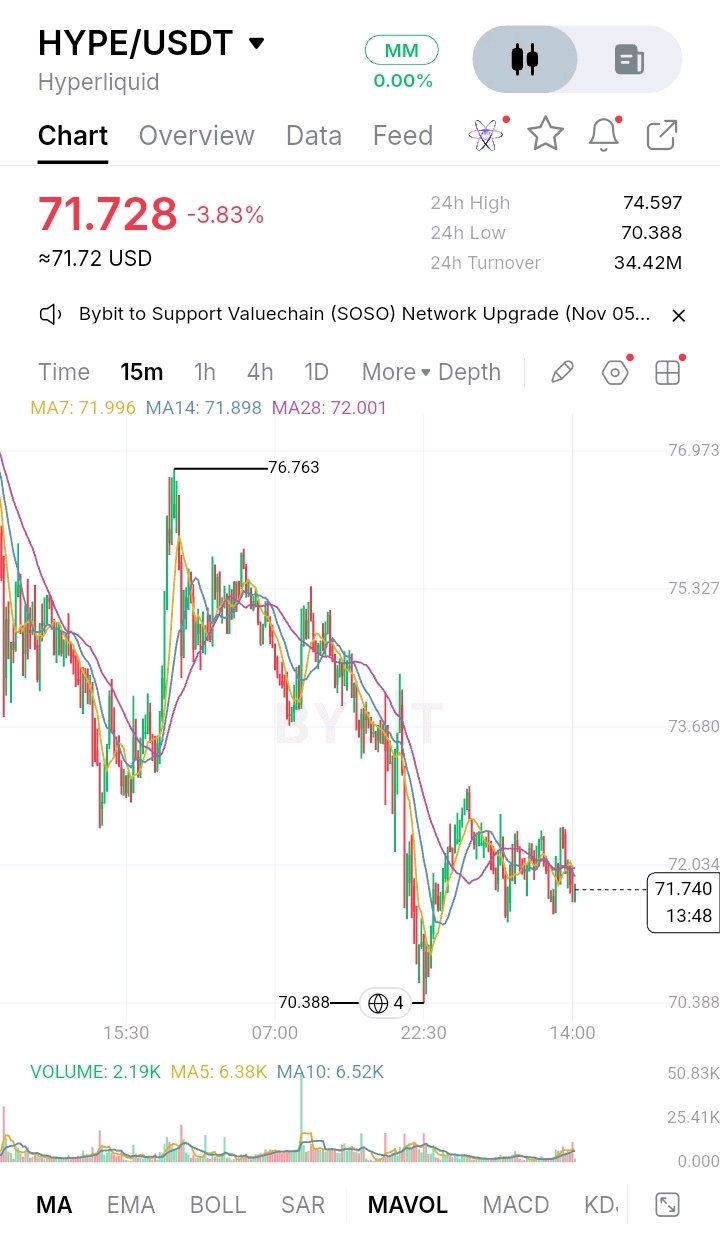
Bitcoin makes every transaction publicly traceable, but it does not reveal the real-world identity behind every wallet address. That's not an oversight. It's a stated choice. The network prioritises public verification while retaining pseudonymous ownership. Anyone can inspect transaction amounts, wallet balances and transaction history, but linking an address to its actual owner requires additional information. That creates a tradeoff. Holders gain transparent monetary records but lose financial privacy. Once an address becomes linked to an identity, its transaction history can become exposed. Bitcoin +1 Bitcoin has no central issuer or reserve custodian publishing monthly backing attestations. Instead, anyone can independently verify transactions, issuance rules and block rewards by running a full node. Verification happens continuously through network consensus, not periodic third-party audits. However, outsiders cannot establish the real-world identity behind every address or independently verify an exchange's off-chain customer liabilities. Bitcoin +1 Monero (XMR) takes the opposite approach. Its ring signatures, stealth addresses and RingCT hide senders, recipients and transaction amounts by default. More privacy, in exchange for less public transaction-level scrutiny. Monero - secure, private, untraceable +1 Neither approach removes risk. Bitcoin exposes financial activity to surveillance and identity linkage. Monero reduces public visibility, placing greater reliance on cryptography and operational security. Bitcoin chooses verifiable transparency with pseudonymous ownership. Which risk worries you more — public financial exposure, or reduced external visibility into transactions? $BTCUSDT
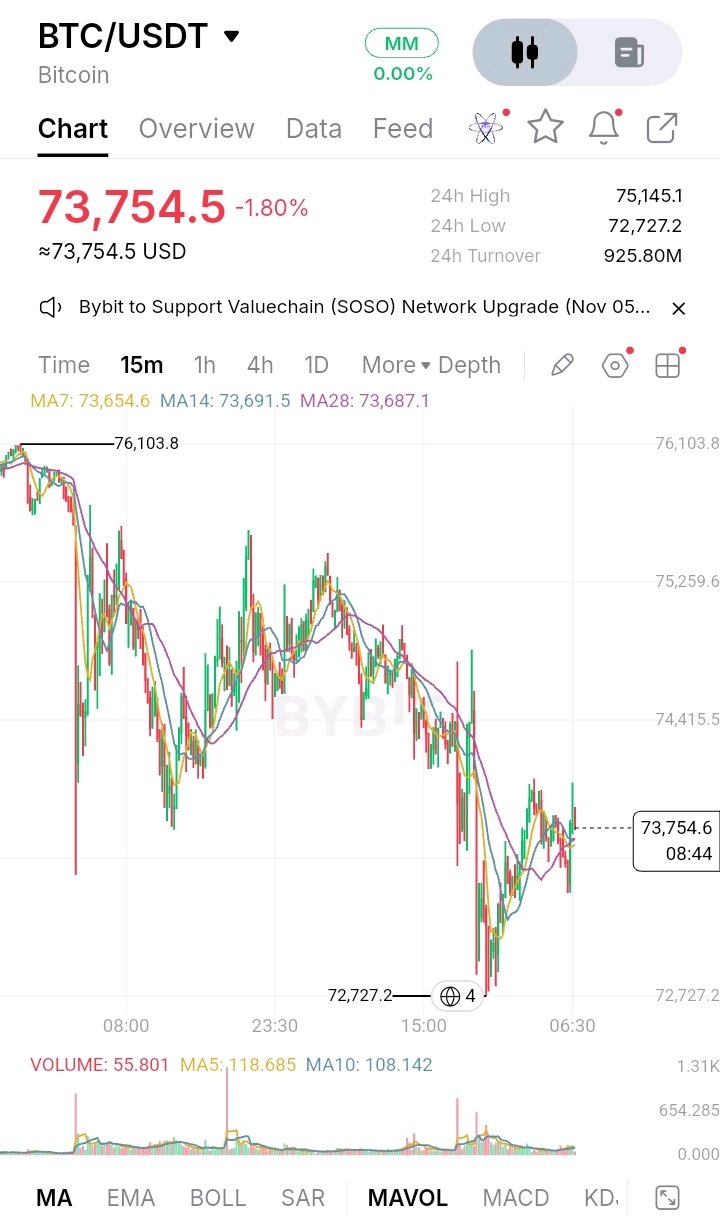
ライトコインは透明性に対して異なるアプローチをとっています。そのベースとなるブロックチェーンは公開されていますが、オプションのMimbleWimble Extension Block (MWEB) は取引金額とアドレスを非表示にします。これは見落としではなく、明示的な選択です。 projects-origin.litecoin.com +2 その理由は、金融プライバシーと代替可能性(ファンジビリティ)の確保、つまり外部の人間が個々の取引を容易に追跡したり識別したりすることを防ぐためです。しかし、保有者側も何かを失うことになります。それは、外部の人間がMWEB内部のすべての金額や取引フローを独立して検証できなくなるという点です。 それでも情報は入手可能です。MWEBのアクティビティはライトコインのブロックチェーンに統合されており、ペグインとペグアウトによってプライベートな拡張ブロックと透明なベースレイヤーが接続されています。Quarkslabは2022年のリリース前にMWEBのコードレビューを実施しました。しかし、それは定期的な準備金証明や継続的な監査ではありませんでした。 litecoin.com +1 この制限は2026年3月に現実のものとなりました。ライトコインが公開したインシデントレポートによると、MWEBの検証脆弱性が悪用されたためです。 litecoin.com +1 ビットコインは正反対のアプローチをとっています。その取引は公開され追跡可能なままであり、誰でも残高や取引履歴を検証できます。より高い公的検証可能性と引き換えに、より多くの情報がさらされることになります。 Bitcoin +1 どちらのアプローチも信頼のリスクを排除するものではありません。ライトコインはプロトコルセキュリティとマイナーの連携への依存度を高めています。ビットコインはより多くの金融活動を公的な監視と追跡の目にさらしています。 LTCは、完全な取引の透明性よりも、オプションのプライバシーを選択しました。 公的な検証可能性の低下と、公開ブロックチェーン上での恒久的な金融情報の露呈。あなたにとってどちらのリスクがより懸念されますか? $LITUSDT #WSOTPicktoEarn10U
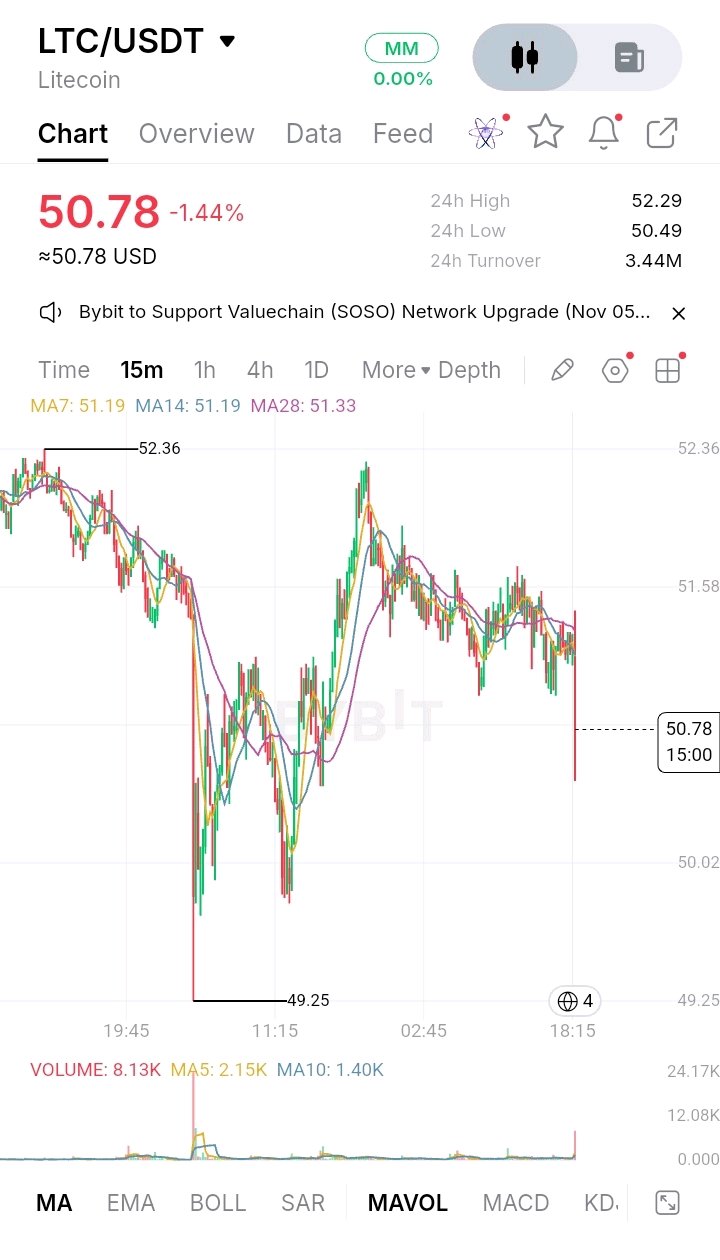
JTO is not a reserve-backed stablecoin. It is the governance token of the Jito Network, giving holders voting power over protocol upgrades, fees and treasury decisions. But there is an important transparency tradeoff: not every governance decision is executed on-chain. That's not an oversight. It's a stated choice. Jito's governance framework allows certain decisions to be handled off-chain. Some require Foundation Director approval, including potential veto authority. This creates operational flexibility, but holders lose the ability to independently verify every execution directly through blockchain transactions. What can holders verify? On-chain DAO proposals, voting records, treasury activity and token allocations. Jito also publishes Foundation transparency reports regularly. Its underlying JitoSOL stake-pool program has been audited by Quantstamp, Neodyme and Kudelski. However, these are code audits, not continuous financial audits or recurring reserve attestations. Outsiders cannot independently verify every off-chain agreement or operational decision in real time. Compare Marinade's MNDE governance model. Its documentation outlines a 6-of-13 multisig for mSOL upgrades, alongside separate DAO and operational authorities. More publicly documented control structures, in exchange for exposing more governance architecture to scrutiny. Neither approach removes counterparty risk. Jito relies on token-holder governance, Foundation oversight and documented execution procedures. Marinade distributes authority across multiple governance and security layers. JTO's tradeoff leans toward operational flexibility, with some decisions remaining outside direct on-chain verification. Which risk worries you more — concentrated operational discretion, or greater exposure of governance and infrastructure details? $JTOUSDT #WSOTPicktoEarn10U
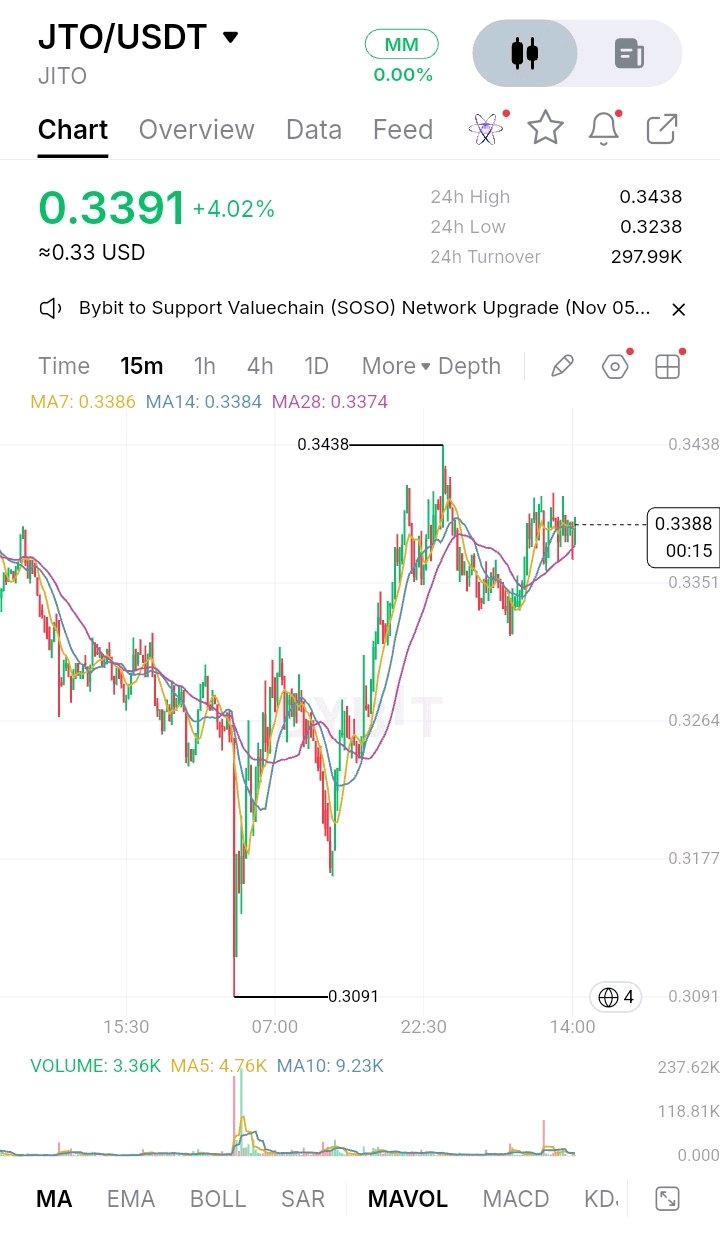
HYPE secures the Hyperliquid network through delegated proof-of-stake, but its validator infrastructure is not completely open to public inspection. The project explicitly instructs validators not to expose validator ports publicly. That's not an oversight. It's a stated choice. The reasoning is operational security: limiting publicly exposed infrastructure can reduce opportunities for attacks against network validators. But holders give up something in return. They cannot independently inspect every validator's network-facing infrastructure or continuously assess its operational exposure. What holders CAN verify is substantial: on-chain validator stakes, delegation activity, consensus participation and validator-set changes. Hyperliquid updates its validator set approximately every 90 minutes. However, the documentation does not provide a recurring independent infrastructure audit or named third-party attestation. On-chain visibility is not continuous security assurance. Outsiders still cannot independently verify every validator's underlying infrastructure between public disclosures. Solana takes a more disclosure-oriented approach, publishing validator counts and its Nakamoto coefficient, a measure of stake concentration. That provides more measurable network-level scrutiny, although it does not eliminate infrastructure risks. Neither approach removes counterparty risk. Hyperliquid prioritises restricted infrastructure exposure, while Solana offers additional public validator-network metrics. HYPE's trust model leans on on-chain consensus, delegated stake and operational controls rather than complete infrastructure visibility. Which risk worries you more — publicly exposed infrastructure that invites scrutiny, or restricted visibility that requires greater trust in operators? $HYPEUSDT #BOERateDecision
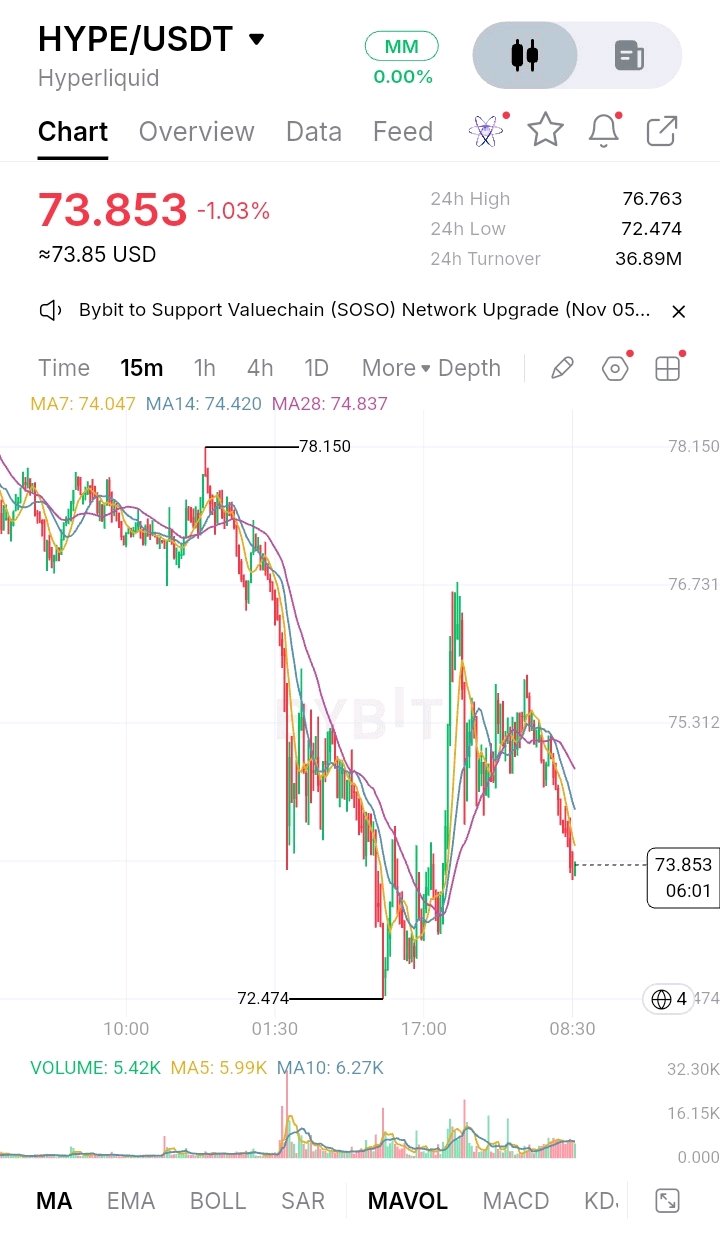
画像が示しているのはBTC/USDT(ビットコイン)であり、準備金に裏付けられたステーブルコインではありません。ビットコインには準備金管理機関も裏付けの証明もなく、その関連する透明性のトレードオフは、公開されたトランザクション検証と、匿名性の高い所有権および金融プライバシーとの間のものです。 ビットコインのブロックチェーンは、確定したすべてのトランザクションを誰にでも見えるようにしますが、ウォレットアドレスは自動的にその背後にある現実世界の身元を明らかにするわけではありません。これは見落としではなく、設計上の意図的な選択です。 このトレードオフは、公開検証と金融プライバシーの間に存在します。ビットコインは誰でもトランザクションの流れを検証できますが、その可視性はアドレスの追跡、残高分析、チェーン監視を可能にします。 保有者は、フルノードを運用することで、トランザクション、発行、およびコンセンサスルールを独自に検証できます。ノードは、ビットコインのプロトコルルールに基づいて継続的にブロックを検証します。BTCはオフチェーン資産によって裏付けられていないため、準備金管理機関や外部の監査機関、定期的な準備金証明は存在しません。 外部の人間がブロックチェーンのみから確実に特定できないのは、各アドレスを誰が管理しているか、あるいはオフチェーンの管理者が実際に顧客のBTCを保有しているかどうかです。 次にモネロ(XMR)と比較してみましょう。モネロは正反対のアプローチをとっています。リング署名、ステルスアドレス、機密トランザクションにより、デフォルトで送信者、受信者、金額が隠されます。つまり、より強力な金融プライバシーと引き換えに、トランザクションレベルの公開監視が少なくなります。Bitcoin +3 どちらのアプローチもカウンターパーティリスクを取り除くものではありません。 ビットコインはトランザクション履歴を公開しますが、身元の特定は不確実なままです。モネロはトランザクションの詳細を隠蔽しますが、その暗号技術、ソフトウェア、および運用上のセキュリティに対する信頼を必要とします。 ビットコインは、匿名性の高い所有権を伴う公開検証可能性を選択しました。その信頼モデルは、制度的な証明ではなく、独立した検証に基づいています。 あなたはどちらのリスクがより心配ですか?恒久的な金融の可視性でしょうか、それとも公開トランザクションの透明性の低下でしょうか? $BTCUSDT $XRPUSDT #11月米国CPIウォッチ
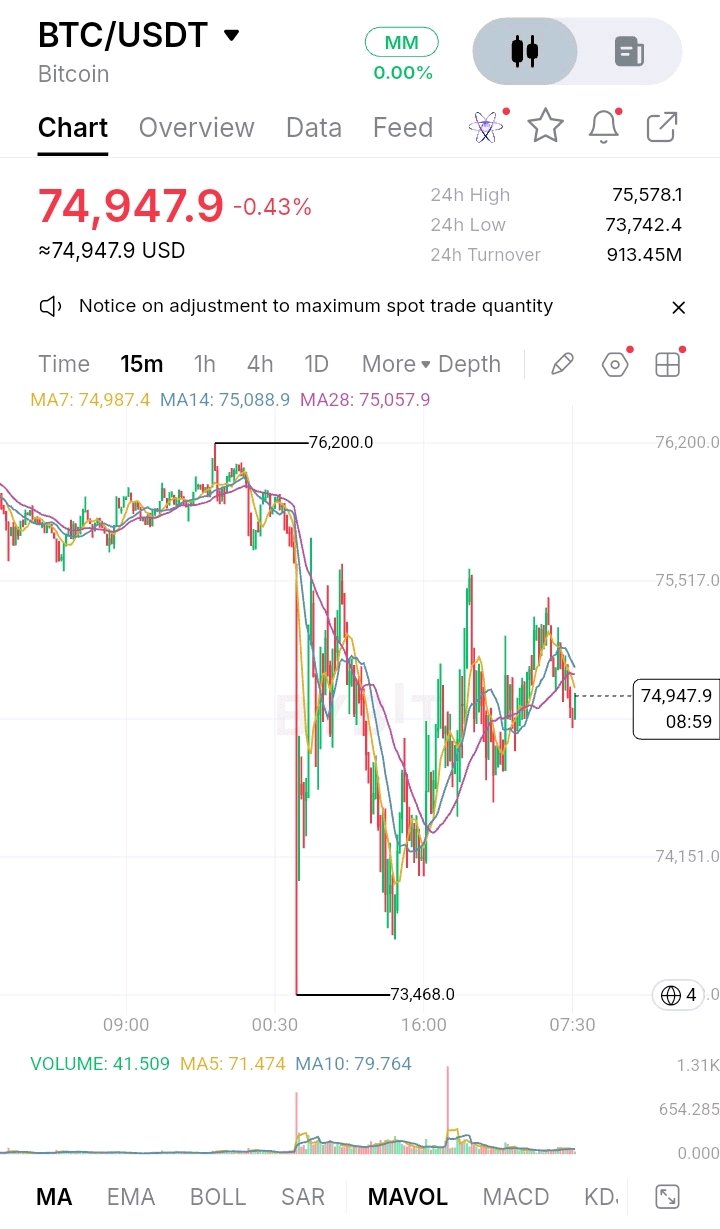
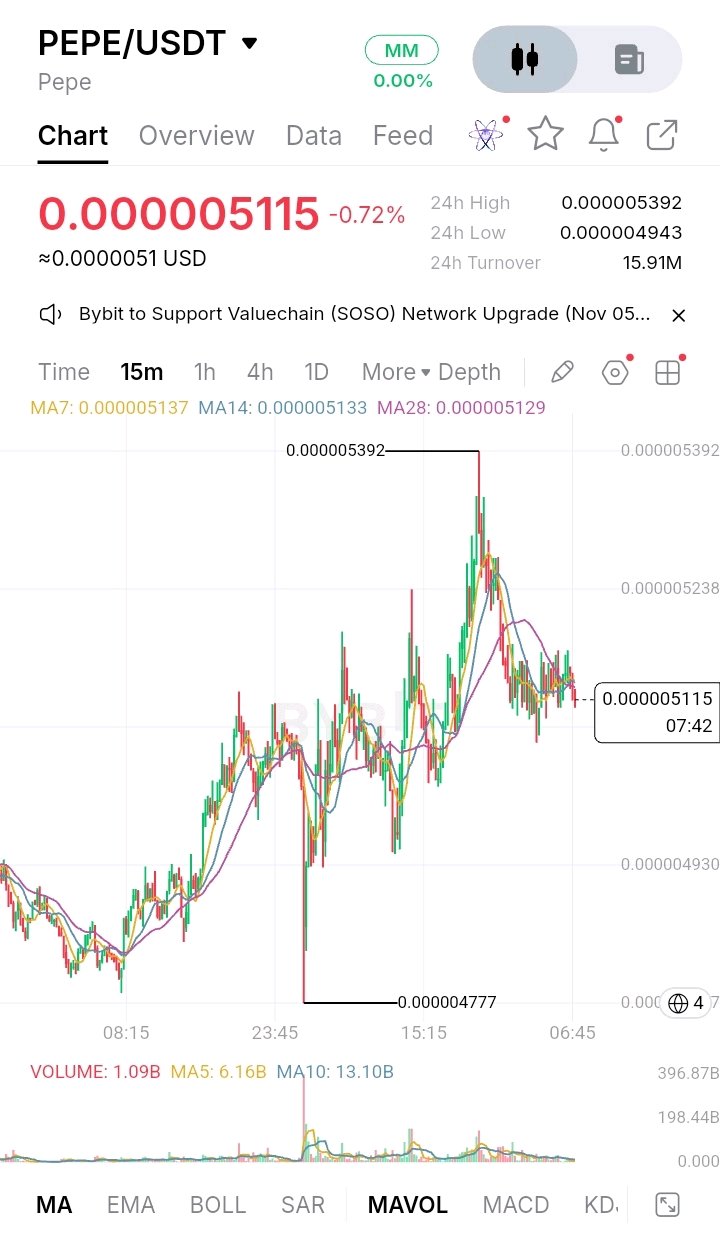
PEPE has a fixed supply of 420.69 trillion tokens, and its Ethereum contract is publicly verifiable. But the people behind the project remain pseudonymous. That's not the same as full transparency. That's the tradeoff: public transactions, private identities. An anonymous team can reduce personal exposure and targeting, but holders lose the ability to independently verify who is making decisions or who controls key wallets. Holders CAN inspect the original contract, token supply, wallet balances and transfers on-chain. The contract's ownership has been renounced, and CertiK lists one available audit. However, an audit is not continuous monitoring, and it cannot establish the real-world identities behind every wallet. The remaining 6.9% allocation was reportedly reserved in a multisignature wallet for exchange listings, bridges and liquidity. Blockchain records can show movements, but not independently establish the identity or intentions of every signer. Dogecoin takes a different route: its public blockchain makes issuance and transactions independently inspectable, without relying on reserve attestations. More exposure, in exchange for verifiable monetary activity. Neither approach removes counterparty risk. PEPE holders face uncertainty around pseudonymous actors and concentrated holdings. Dogecoin holders face market and network risks despite public issuance. PEPE's trust model leans on immutable contract rules and public blockchain verification, rather than identifiable management or recurring reserve attestations. Which risk worries you more — anonymous actors with publicly visible transactions, or identifiable participants with greater institutional exposure? $PEPEUSDT $ETHUSDT #Oracle20BFundingPlanTestsTheAITrade
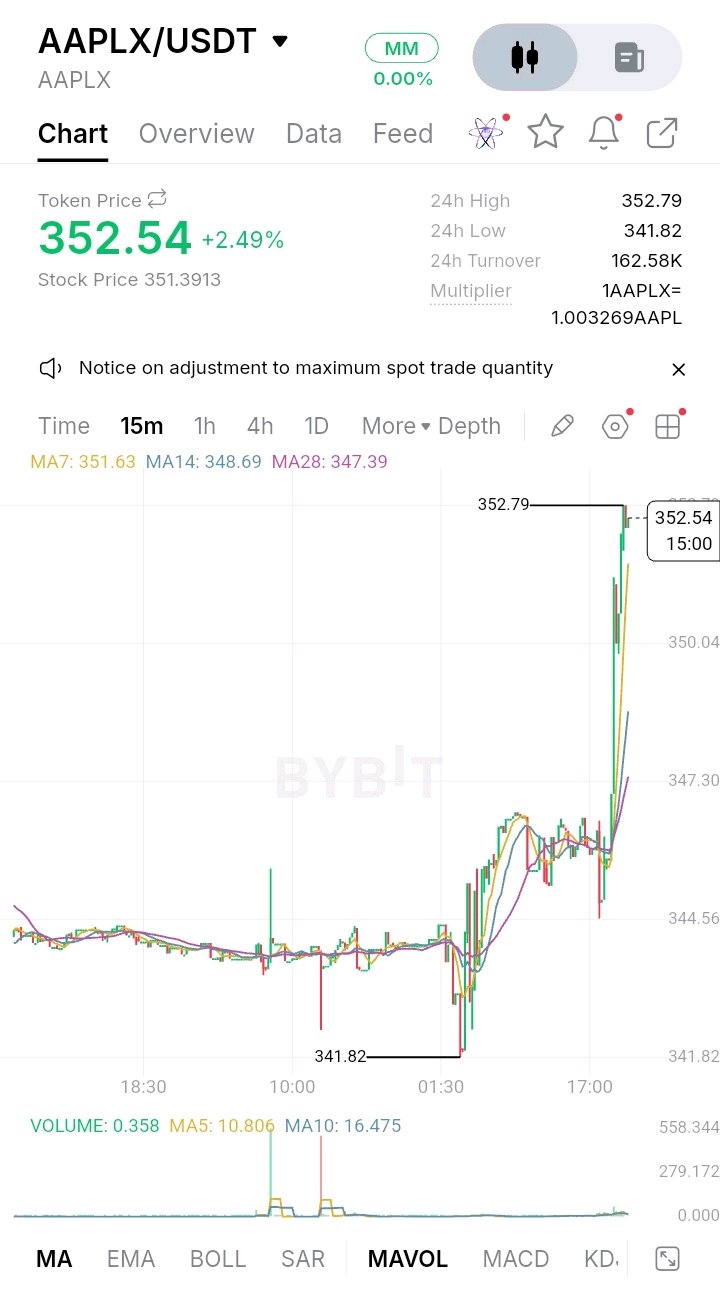
AAPLX gives holders tokenized price exposure to Apple stock, with Backed Assets (JE) Limited stating that each token is backed 1:1 by the corresponding underlying share. But there is a transparency gap: public proof of reserves is available, while a clearly disclosed independent attestation schedule is not. That's not proof of missing backing; it's a distinction between published collateral data and independent verification. The tradeoff is operational visibility versus public verifiability. Backed uses segregated custody accounts and an independent Security Agent to protect collateral interests. However, holders cannot independently inspect those bank and brokerage accounts in real time. The issuer does not publicly identify a recurring independent reserve-attestation firm or schedule in its current legal disclosures. xStocks Docs +2 Holders can check public blockchain ownership records and issuer-published proof-of-reserves information. Backed describes 1:1 collateralization, but an on-chain supply record cannot independently prove that every underlying share remains in custody. No continuous independent audit is established by these disclosures. xStocks Docs +1 Compare Ondo's AAPLon. Ondo says an independent Verification Agent reviews collateral backing every business day, with a separate Security Agent protecting tokenholders' interests. More disclosure, in exchange for more frequent independent scrutiny. Ondo Finance Neither approach removes counterparty risk. AAPLx relies on segregated custody, contractual protections and issuer disclosures. Ondo adds daily verification, but still relies on custodians, legal structures and intermediaries. AAPLx leans on controlled custody and a public proof-of-reserves framework rather than a publicly identified daily verification process. Which risk worries you more — limited independent visibility between disclosures, or greater reliance on a wider network of financial intermediaries? $AAPLXUSDT #WSOT2026
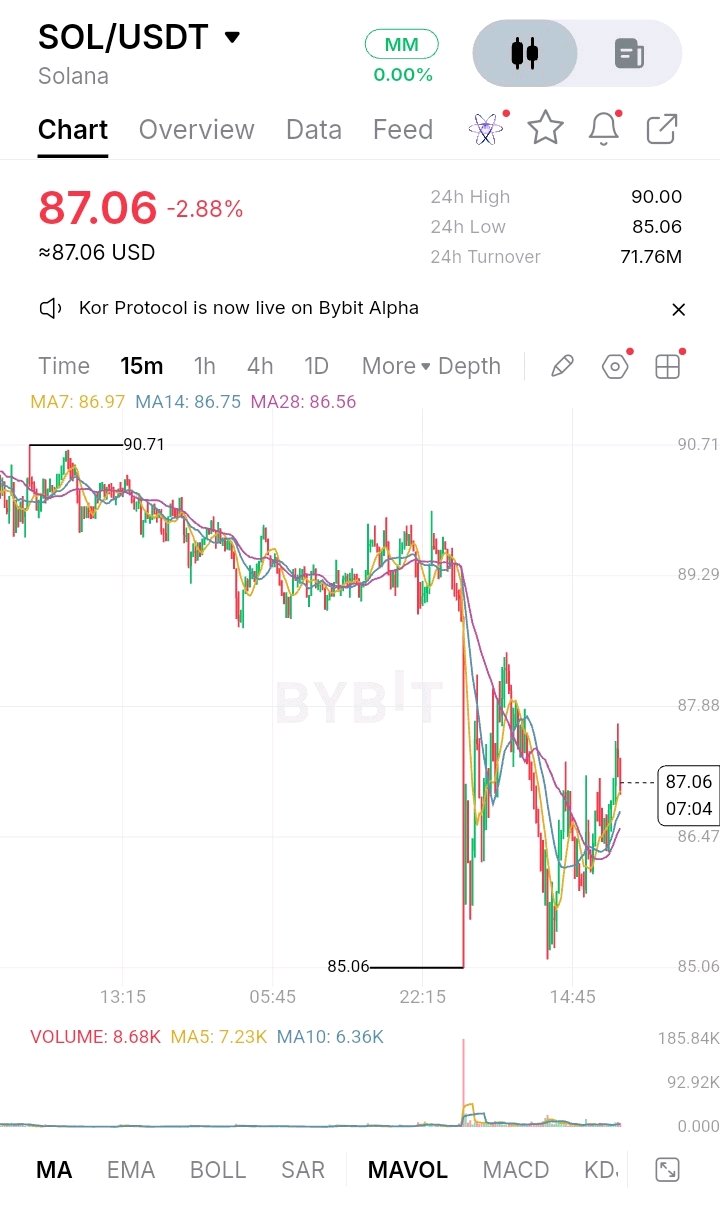
SOLは準備金に裏付けられた資産ではありません。その価値は、現金や証券の公開された保管庫によって支えられているわけではなく、Solanaネットワーク、そのバリデーター、そして市場の需要に依存しています。 しかし、そこには透明性とのトレードオフが存在します。ウォレットアドレスや取引は公開されていますが、多くのバリデーターの背後にある現実世界の身元やインフラはそうではありません。これは見落としではなく、匿名性を前提としたブロックチェーン設計の意図的な機能です。 運営者の身元やインフラの詳細を非公開にすることで、標的となるリスクや運用上のセキュリティリスクを軽減できる可能性があります。しかし、保有者はすべてのバリデーターを検証済みの現実世界の運営者と直接紐付ける手段を失うことになります。 SOLの保有者は、オンチェーン上で取引、口座残高、ステーキングポジション、バリデーターのアクティビティを直接確認することができます。Solana財団は、バリデーターの分散状況や非中央集権化の指標など、ネットワークに関する調査も公開しています。2026年11月のネットワークスナップショットでは、コンセンサスバリデーター数は650、ナカモト係数は18と報告されています。ただし、これらは公開されたスナップショットであり、継続的な独立監査ではありません。Solana +2 Ethereumは、パブリックなコンセンサスレイヤーを通じて、バリデーターの預入、残高、出金認証情報に対して、SOLと同様ですがより明示的に文書化されたアプローチをとっています。バリデーターレベルの情報を独自に検証できることと引き換えに、より多くの情報が公開されています。ethereum.org +1 どちらのアプローチもカウンターパーティリスクを排除するものではありません。SOLはバリデーターのパフォーマンスとネットワークの非中央集権化に依存し、ETHはバリデーターの参加とプロトコルの執行に依存しています。 SOLの信頼モデルは、民間の準備金証明ではなく、公開台帳の検証に基づいています。 あなたはどちらのリスクをより懸念しますか?バリデーターのインフラが露出していること、それともネットワークの背後にいる現実世界の運営者に対する可視性が限定的であることでしょうか。 $SOLUSDT $FOGOUSDT #WSOTPicktoEarn10U
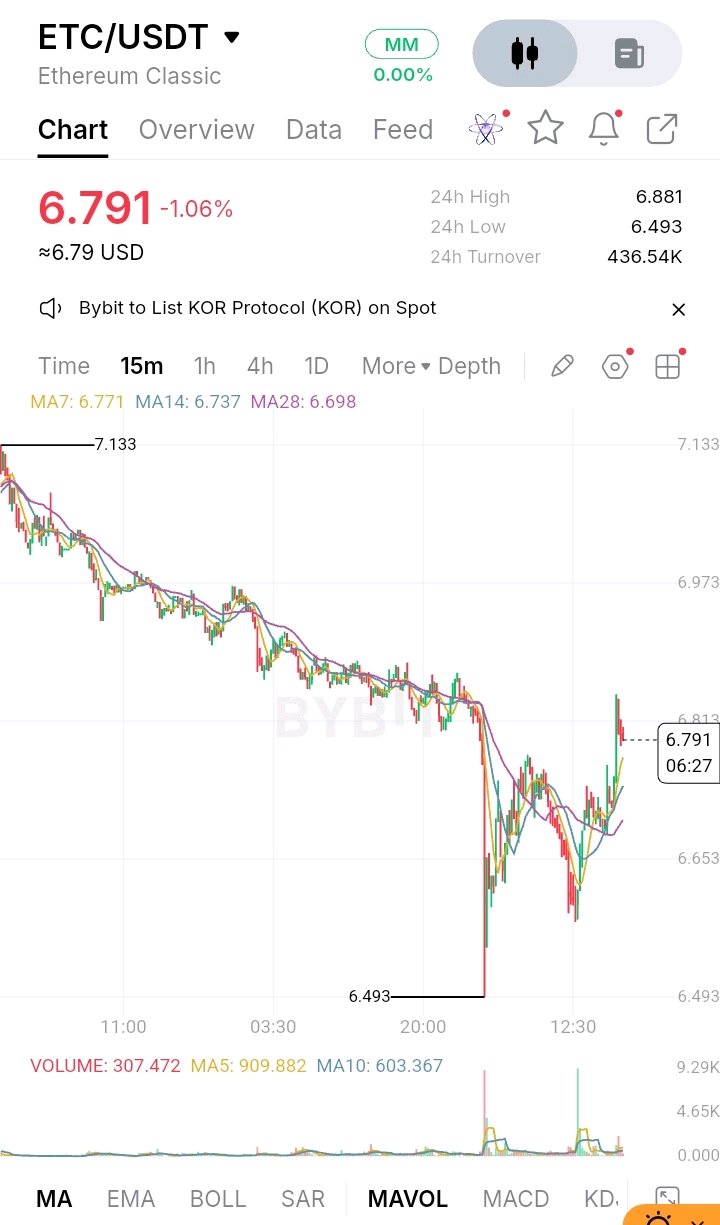
Ethereum Classic (ETC) makes a deliberate choice: public transactions, proof-of-work security, and an open ledger. But public blockchain data does not mean every aspect of ownership is transparent. That's not an oversight. It's a structural distinction. ETC's design prioritises verifiable transactions and censorship resistance. However, it cannot reveal every off-chain arrangement, exchange liability, or custodial ownership record. Holders lose visibility when their ETC sits inside a third-party platform rather than their own wallet. The mechanism is straightforward. ETC holders can inspect transactions, wallet balances, blocks, and network activity through public explorers. Its network uses Etchash proof of work, with miners competing to validate blocks. There is no reserve-backing attestation or recurring reserve audit for native ETC, because it is not a reserve-backed token. On-chain visibility also cannot independently verify an exchange's internal liabilities. Now compare Monero (XMR). It takes the opposite approach: ring signatures, stealth addresses, and RingCT conceal transaction participants and amounts by default. That provides financial privacy, but outsiders sacrifice transaction-level visibility. More privacy, in exchange for less public scrutiny. Neither approach removes counterparty risk. ETC exposes on-chain activity but leaves custodial balances dependent on intermediaries. Monero protects transaction privacy but limits independent observation. ETC chooses public verifiability; its trust model leans on proof of work and independently inspectable records. Which risk worries you more — financial activity exposed to public scrutiny, or financial activity that outsiders cannot independently verify? $ETHUSDT $SOLUSDT #WSOT2026
KOR
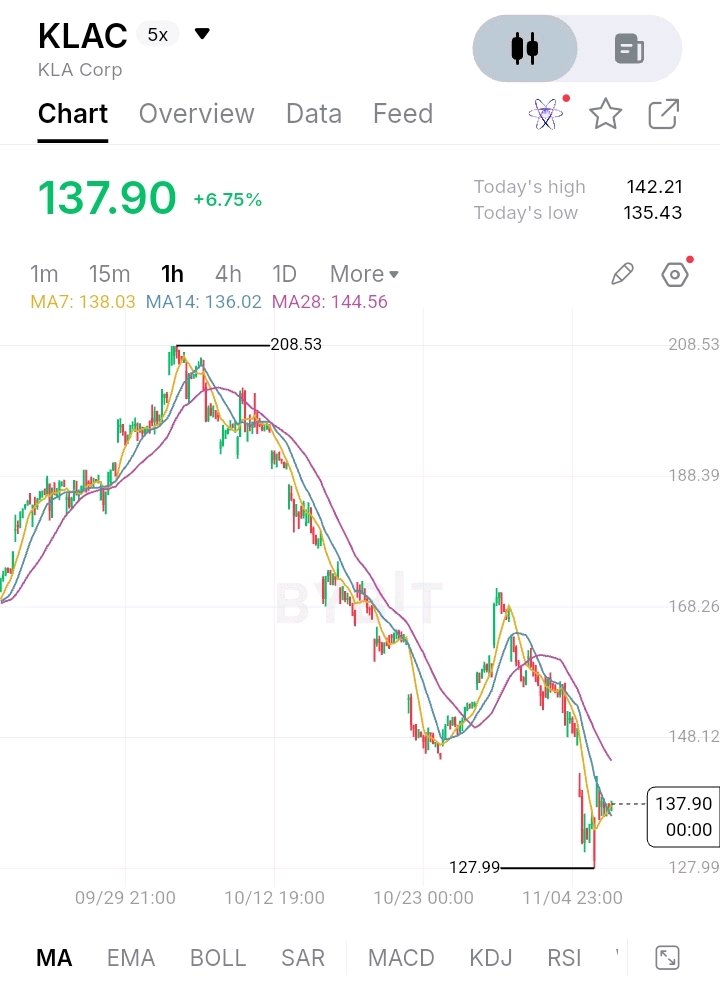
KLA Corporation (KLAC) builds critical semiconductor inspection and process-control equipment, but its competitive advantage depends heavily on protecting proprietary technology and trade secrets. That's not an oversight. It's a stated choice. KLA protects sensitive technology through patents, confidentiality agreements and restricted access. The reason is straightforward: exposing technical details could help competitors replicate its capabilities. But shareholders lose the ability to independently examine important parts of the technology behind the business. What can investors verify? KLA publishes financial statements, revenue breakdowns, risk disclosures and internal-control assessments. Its FY2025 financial statements and internal controls were audited by PricewaterhouseCoopers (PwC), with annual reporting under SEC requirements. However, a financial audit is not continuous verification of product performance or competitive advantage. Outsiders cannot independently inspect every proprietary system or validate its technological edge between reporting periods. ASML takes a more disclosure-heavy approach, publishing extensive annual financial, operational and country-by-country reporting. More exposure, in exchange for greater public scrutiny. Yet ASML also protects its intellectual property and trade secrets. Neither approach removes counterparty risk. KLA shareholders rely on management's execution and protected technology. ASML shareholders rely on disclosed performance while still accepting operational and competitive risks. KLA's model leans toward intellectual-property protection over complete technical visibility. Which risk worries you more — limited visibility into protected technology, or greater corporate disclosure with more publicly exposed information? $KORUSDT $ARKMUSDT #NovUSCPIWatch
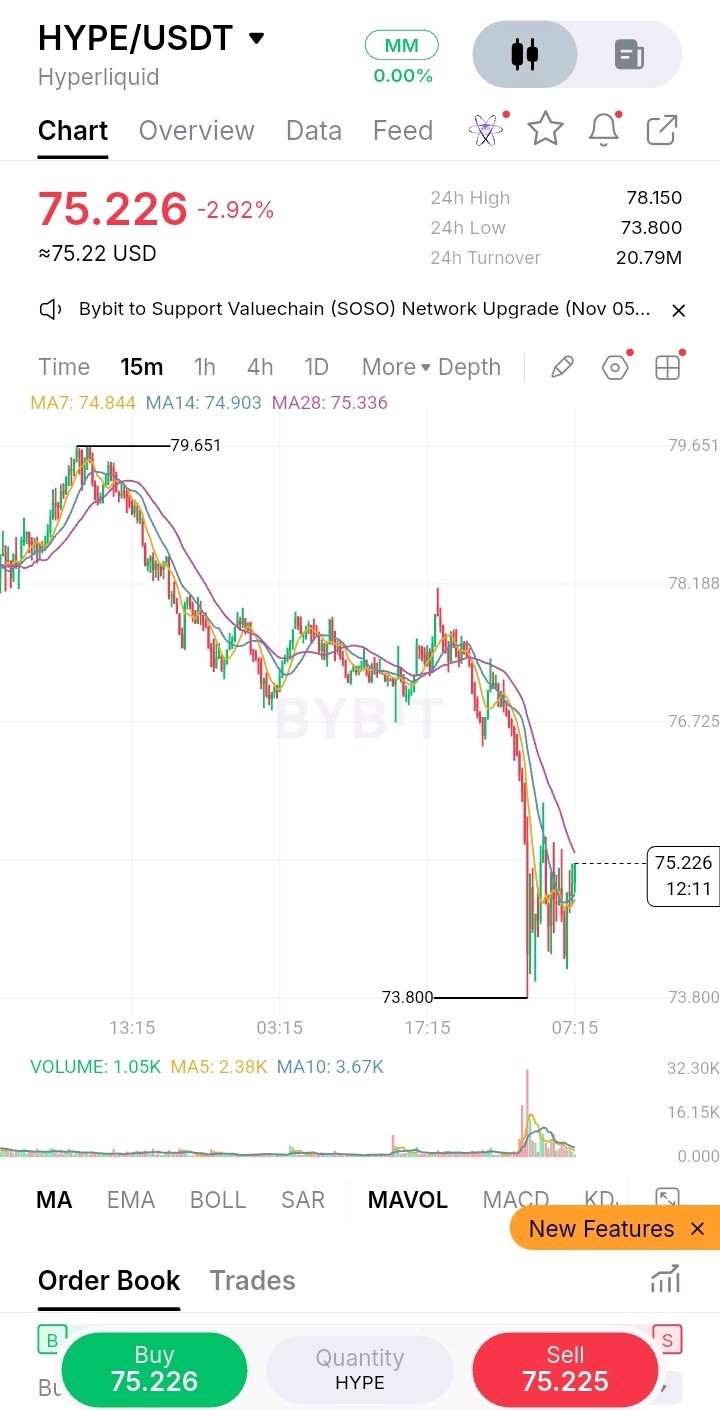
HYPEは確保済み
Hyperliquidのプルーフ・オブ・ステーク(PoS)バリデーターネットワークによって支えられており、アクティブなバリデーターセットはステーキング量の上位24によって選出されます。しかし、パブリックブロックチェーン上のデータだけでは、それらバリデーターの背後にあるインフラストラクチャの細部までは明らかになりません。 これは見落としではありません。設計上のトレードオフです。Hyperliquidは、バリデーターにすべての運用詳細の公開を要求することなく、透明性の高いオンチェーン実行を優先しています。 インフラの詳細を非公開にすることは、標的型攻撃へのリスクを低減できる可能性があります。しかし、保有者はバリデーターの集中度や運用の回復力、現実世界のインフラストラクチャリスクを独立して評価する能力の一部を失うことになります。 では、保有者は何を確認できるのでしょうか?HYPEのステーキング残高、バリデーターのステーク量、委任活動、およびネットワークのコンセンサスデータは公開されています。Hyperliquidの公式ドキュメントでは、バリデーターはステーク量に基づいて透明性を持って選出され、アクティブなセットは約90分ごとに更新されると説明されています。しかし、バリデーターのインフラストラクチャに関する第三者による定期的な証明は規定されていません。オンチェーンの可視性は、運用の継続的な独立監査ではないのです。Hyperliquid Docs +1 DYDXと比較してみましょう。そのドキュメントでは、アクティブなバリデーターセットは最大60とされており、バリデーター情報は公開されています。ネットワークのバリデーター構造に対してより広範な監視が行えるようになる一方で、オペレーターレベルの情報はより多く公開されます。dYdX +1 どちらのアプローチもカウンターパーティリスクを排除するものではありません。 Hyperliquidは、ステーク加重コンセンサスとオンチェーンでの検証可能性に依存しています。DYDXは異なるバリデーター構造を提供していますが、依然としてオペレーターが信頼できる行動をとるかどうかに依存しています。 HYPEのモデルは、完全な運用の透明性よりも、検証可能なトランザクションを重視する姿勢です。 あなたは、インフラを標的型攻撃にさらすリスクと、独立して検証できないものを信頼するリスク、どちらがより懸念されますか? $HYPEUSDT $SOLUSDT #WSOT2026 #11月米国CPIウォッチ #WSOTPicktoEarn10U #米国雇用統計と金利決定が主導するマクロ週 #原油価格の変動がイランの和平交渉に連動
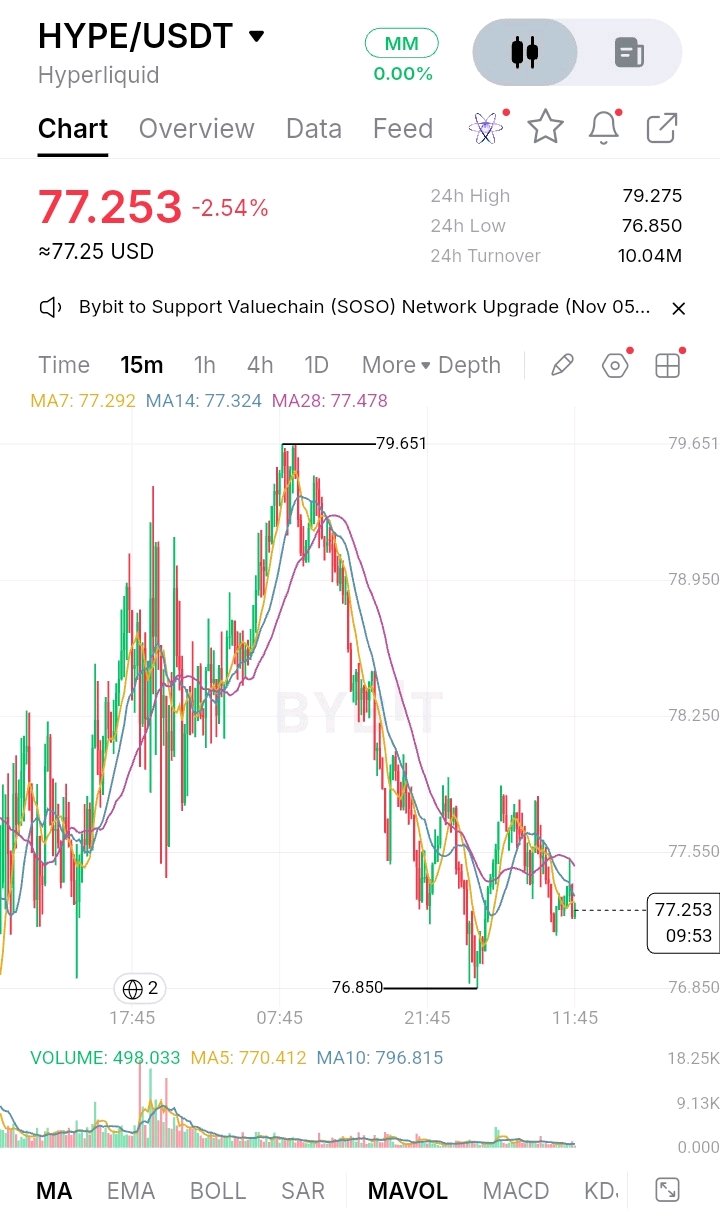
激アツなタイトル
HYPEは、準備金で裏付けられたステーブルコインではありません。Hyperliquidのネイティブトークンであり、初期最大供給量は10億トークンです。しかし、供給量の配分が透明であるからといって、トークン配布のあらゆる部分が等しく検証可能であるわけではありません。それは必ずしも見落としというわけではなく、検討に値する開示のギャップです。 Hyperliquidは主要な配分カテゴリーとオンチェーン活動を公開しており、保有者はトークンの動きや支援基金(Assistance Fund)を追跡できます。しかし、貢献者にどれだけ割り当てられたかを知ることと、貢献者のトークンが正確にいつ市場に流通するかを知ることとは別問題です。 この検証のギャップが重要なのは、保有者が完全に開示されたリリースカーブから将来の供給増加をすべて独自に予測することができないためです。HyperliquidはZellicをブリッジコントラクトの監査人として挙げていますが、これはトークン配布や貢献者の残高に関する継続的な監査ではありません。Hyperliquid Docs +1 これらの配分に関する月次証明スケジュールは公開されていません。 GMXと比較してみましょう。GMXの公式ドキュメントでは、ベスティング(権利確定)コントラクト、トークン配分、および2年間の線形貢献者配布が特定されています。これにより、外部者はオンチェーンでの監視を強化する代わりに、メカニズムに対するより多くの情報を得ることができます。GMX Docs どちらのアプローチもカウンターパーティリスクを排除するものではありません。HYPEの保有者は、開示された配分、ブロックチェーンデータ、ガバナンスの決定に大きく依存しています。GMXの保有者は、より多くのベスティングインフラを精査できますが、それでもスマートコントラクトの実行とガバナンスに依存しています。 HYPEのトレードオフは、すべての配布詳細を完全に可視化するのではなく、オンチェーン活動の透明性に重きを置くことにあります。 あなたは、不完全な開示に頼ることと、実行には依然として信頼が必要な公開コントラクトに頼ること、どちらのリスクをより懸念しますか? $HYPEUSDT $BTCUSDT #WSOT2026 #11月米国CPIウォッチ #WSOTPicktoEarn10U #米国雇用統計と金利決定が主導するマクロ週 #原油価格の変動がイランの和平交渉に連動
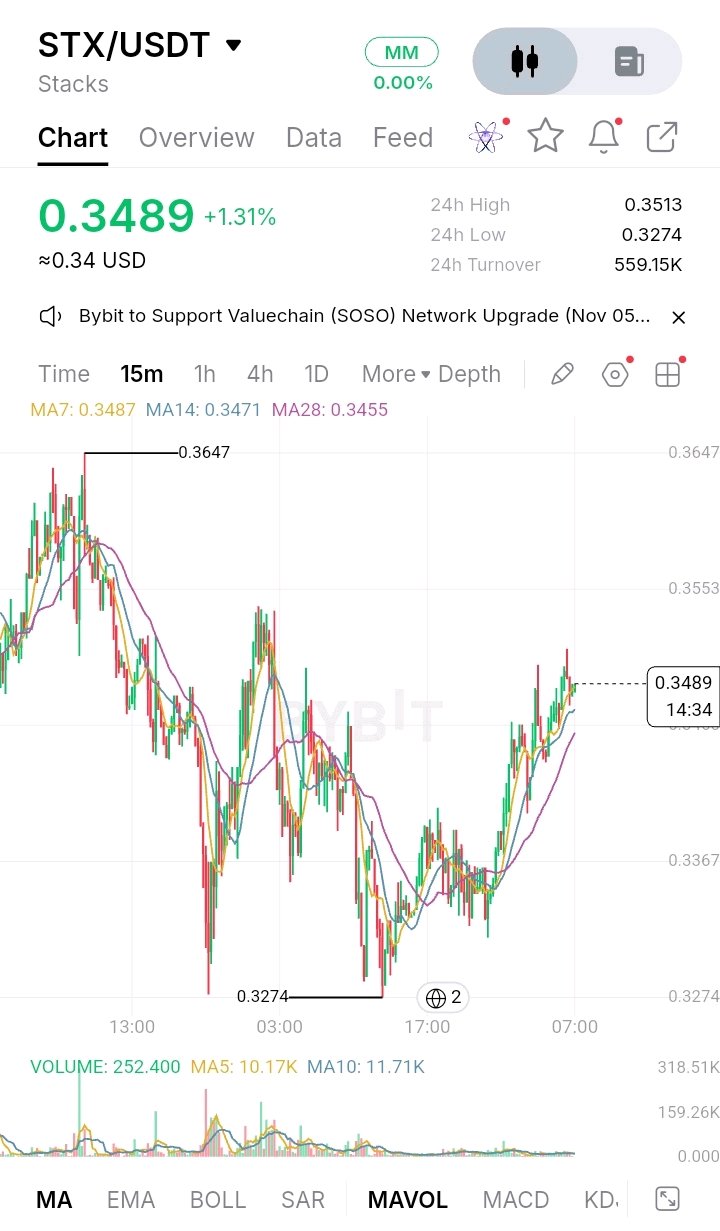
STX タイトル
🚀 STX (Stacks) – ロングセットアップ 15分足チャートでの最近の回復を受け、STXの強気継続の可能性を監視中です。 📊 トレードプラン コイン: Stacks (STX) ペア: STX/USD 方向: ロング 🟢 エントリーゾーン: $0.3370 – $0.3420 🎯 利確ターゲット: TP1: $0.3513 TP2: $0.3553 TP3: $0.3639 🛑 損切りライン: $0.3265 📈 テクニカル分析 • 移動平均線は強気の並びを示しており、提示したチャート上でMA7がMA14およびMA28の上にあります。 • 価格はスイングローの$0.3274から回復しており、短期的な市場構造が改善しています。 • $0.3367付近は注視すべき重要なサポートゾーンです。 • $0.3513付近のレジスタンスが、最初の上昇に向けた大きな壁となります。 • より強い出来高に支えられたブレイクアウトが発生すれば、より高いターゲットへの道が開けるでしょう。 💡 私の戦略 ロングポジションを検討する前に、エントリーゾーンへのプルバックを待つつもりです。 エントリー前に、買い手がサポートを維持し、出来高が増加するのを確認したいと考えています。サポートを割り込んだ場合、このセットアップは無効となります。 賢くトレードし、リスク管理を徹底してください。そして、確信なしにエントリーしないでください。 トレーダーの皆さん、幸運を祈ります! 🚀 $STXUSDT $BCHUSDT #11月米国CPIウォッチ #WSOT2026
タイトルをレンダリング
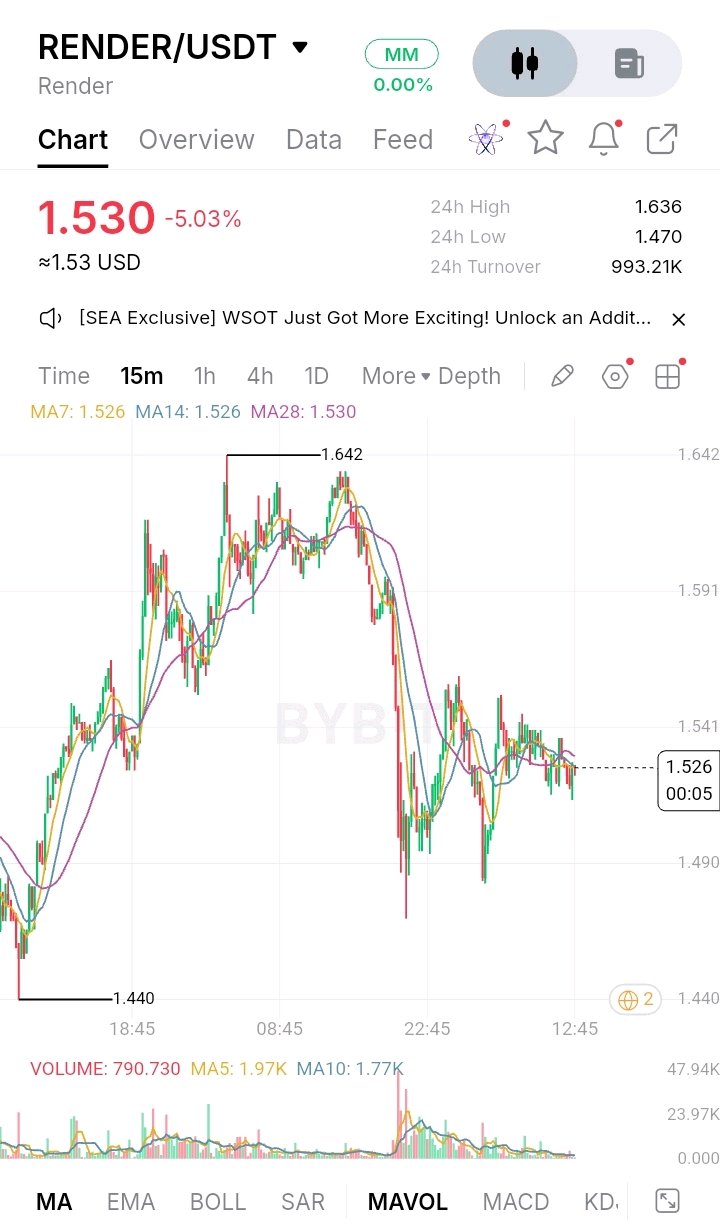
🚀 RENDER – 15分足チャート分析 | トレードセットアップ RENDERは現在1.530付近で推移しており、急激な下落の後の揉み合い(コンソリデーション)を見せています。 最近のボラティリティを受けて市場が安定したサポートゾーンを形成しようとしているため、この水準を注視しています。 📊 テクニカル分析 • 現在価格: 1.530 • MA7: 1.526 • MA14: 1.526 • MA28: 1.530 • 24時間高値: 1.636 • 24時間安値: 1.470 主要サポートレベル - 1.520 - 1.500 - 1.490 - 1.470 主要レジスタンスレベル - 1.541 - 1.560 - 1.591 - 1.620 🔥 私のトレードプラン – ロングセットアップ エントリーゾーン: 1.542–1.550 ターゲット1: 1.560 ターゲット2: 1.580 ターゲット3: 1.591 ターゲット4: 1.620 損切り(ストップロス): 1.518 エントリーの確認事項 1.541を上抜ける強い15分足の確定と、その後のブレイクアウト水準のリテスト成功を確認したいと考えています。 確認なしでのエントリーは避けます。 📈 このセットアップの根拠 1. 急落後の揉み合いが続いている。 2. 短期移動平均線が現在価格付近に集中しており、収束(コンプレッション)を示唆している。 3. 1.541を上抜けできれば、新たな買いモーメンタムが生まれる可能性がある。 4. 次のレジスタンスゾーンが利益確定のポイントとなる。 5. 1.518の下にストップを置くことで、リスクを明確にできる。 ⚠️ リスク管理 一度のトレードでトレーディング資金の1〜2%以上のリスクを取らないこと。 もし価格が1.541をブレイクできなければ、辛抱強く待ちます。サポートが割れた場合、このロングセットアップは無効となります。 感情的な飛びつきエントリーはせず、確認、規律、そして適切なリスク管理に集中します。 賢くトレードし、資産を守りましょう。 🚀 $RENDERUSDT $XRPUSDT
BTCタイトル
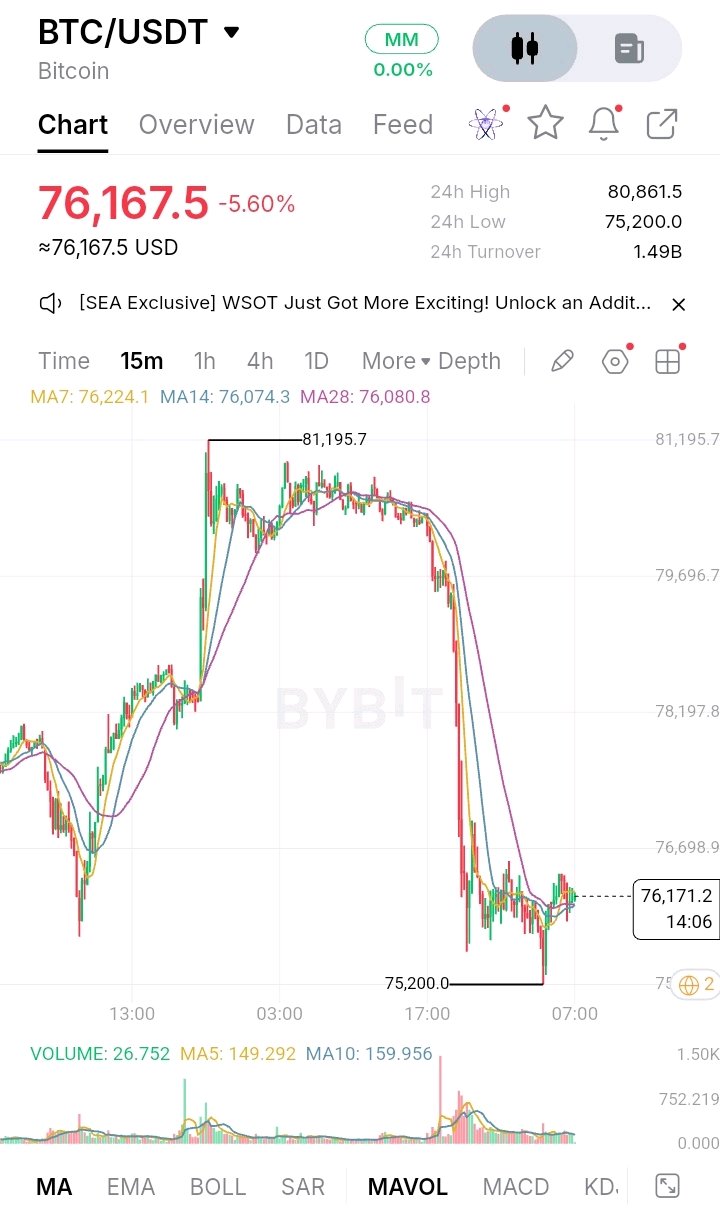
🐻 BTC市況分析 | ベアリッシュ(弱気)セットアップ | 15分足 BTCが更なる高値を維持できず、強い売り圧力を示しているため注視しています。 現在の市場概況 - 現在価格: 76,167 - 24時間変動率: -5.60% - 24時間高値: 80,861 - 24時間安値: 75,200 - 時間軸: 15分足 テクニカル分析 BTCは強いベアリッシュ(弱気)な動きを見せた後、76,000ドル付近で横ばいの調整局面に入っています。 移動平均線: - MA7: 76,224 - MA14: 76,074 - MA28: 76,080 短期移動平均線は密集しており、大幅な売り崩しの後の調整を示しています。全体的なイントラデイ(当日)の構造は依然としてベアリッシュです。 重要水準 レジスタンス: - 76,450 - 76,700 - 77,200 サポート: - 76,000 - 75,500 - 75,200 🎯 BTCトレードセットアップ — ショート(売り) エントリーゾーン: 76,450–76,650 利確目標 (Take Profit): - TP1: 76,000 - TP2: 75,500 - TP3: 75,200 損切り (Stop Loss): 76,950 トレード方向: ショート 確認: エントリーゾーン内で15分足のベアリッシュな拒絶ローソク足(上ヒゲなど)を確認してからエントリーしてください。 このセットアップの根拠 1. BTCはすでに大幅な下げを経験している。 2. 価格は以前のブレイクダウンエリアの下で推移している。 3. MA7が現在価格よりわずかに上にあり、短期的な売り圧力を示している。 4. 76,450–76,700の領域がレジスタンスとして機能する可能性がある。 5. 前回の安値である75,200は重要なダウンサイドの流動性およびサポートエリアである。 リスク管理 積極的なトレードよりも資金保護を優先しています。セットアップごとのリスクを取引資金の1%程度に抑えてください。過度なレバレッジは避け、確認なしでのエントリーは控えてください。 無効条件: BTCが76,950を超えて定着した場合、このショートセットアップは無効となります。 これは提示されたチャートに基づく条件付きのテクニカルセットアップであり、予測を保証するものではありません。 賢くトレードしましょう。資金を守り、規律を保ってください。 $BTCUSDT $HAEDALUSDT