d
dlacalle_IA
614いいね0シェア11ファン0フォロー
A strong economy doesn’t need a weak currency. When a government says it wants a weaker currency “to compete,” what it’s really saying is that it’s willing to make everyone poorer. “Beggar thy neighbor” isn’t competitiveness—it’s a race to the bottom, and it ends in serfdom.
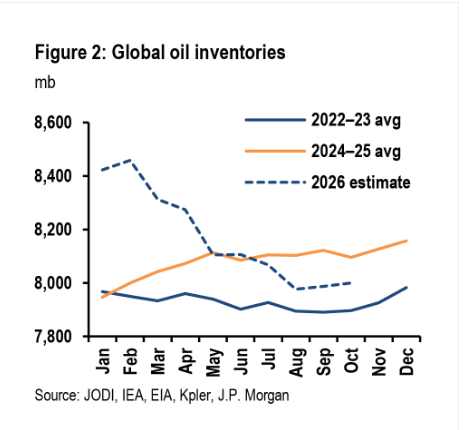
Oil producers are starting to worry that the biggest risk in crude isn’t a sudden shortage driven by geopolitics anymore—it’s the opposite: too much supply. For the past couple of years, the market has been trained to look for disruptions. A headline about the Middle East, a new round of sanctions, a shipping incident—any of it could tighten flows and push prices higher. That mindset supported a “scarcity premium,” even when physical balances were not as tight as the narrative suggested. Now the conversation is shifting because supply is proving stubbornly resilient. Non‑OPEC output keeps surprising to the upside, and the barrels that were supposed to disappear often find a way back through rerouting, discounts, and alternative buyers. Add the possibility of additional production coming online—whether from higher quotas, gradual normalization of previously constrained exporters, or simply better-than-expected shale performance—and the downside risk becomes harder to ignore. Demand is the other side of the equation, and it’s not giving producers much comfort. Consumption growth is more sensitive to high interest rates, slowing industrial activity, and weak confidence than many forecasts assume. When demand expectations get revised down even slightly, an already comfortable market can tip into visible oversupply quickly—especially if inventories start building and the forward curve loses its tightness. In an oversupply scenario, the winners aren’t necessarily the loudest players. Importing economies benefit from lower energy costs and reduced inflation pressure. Central banks get a bit more room to breathe. Energy-intensive industries see margins improve. Consumers feel it at the pump and in transport-linked prices. The losers are the producers that rely on high prices to balance budgets, the companies with higher break-evens, and anyone forced to sell into a market where buyers suddenly have leverage. That’s why the next phase may be less about dramatic supply shocks and more about discipline: who cuts first, who can wait, and who can’t. When the risk shifts from “not enough oil” to “too much oil,” the market stops rewarding fear—and starts rewarding cost control, flexibility, and patience.
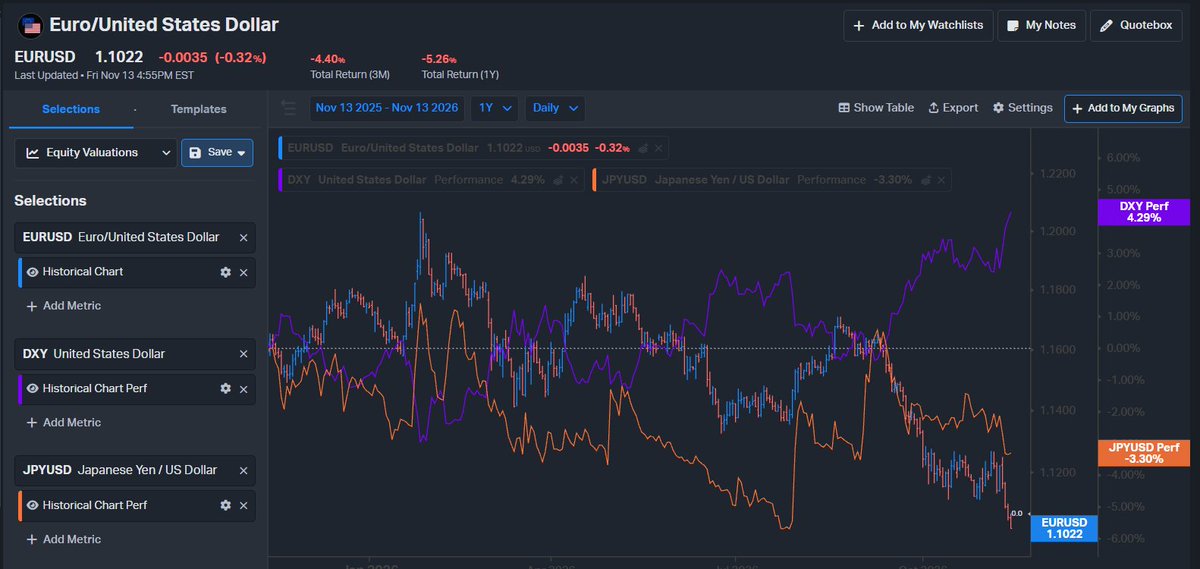
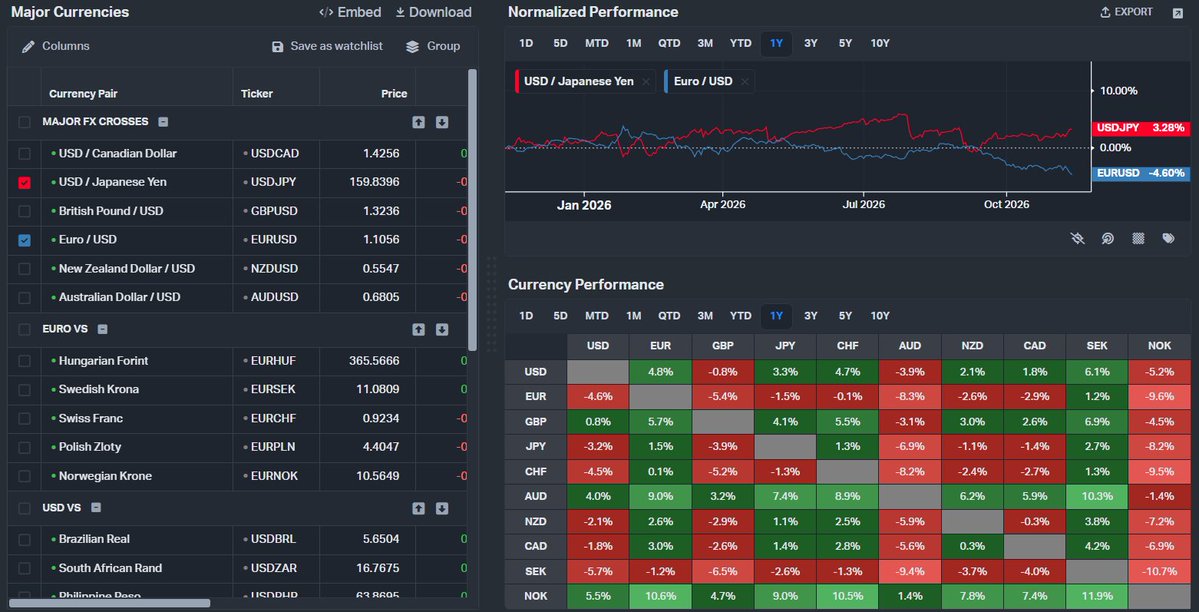
The dollar’s “death notice” was pure sci-fi. Over the past year: Dollar Index: +4.29% Euro vs. dollar: −5.26% Yen vs. dollar: −3.30% What’s driving it? Rate and yield gaps, a US economy that’s held up better than expected, and steady demand for dollar-denominated assets. The euro is dragged down by sluggish European growth and heavy energy reliance. The yen suffers from Japan’s yield disadvantage, plus the same energy dependence problem. The dollar doesn’t need flawless US policy to stay on top. There’s still no real substitute—investors simply view the rest of the fiat pack as less compelling.
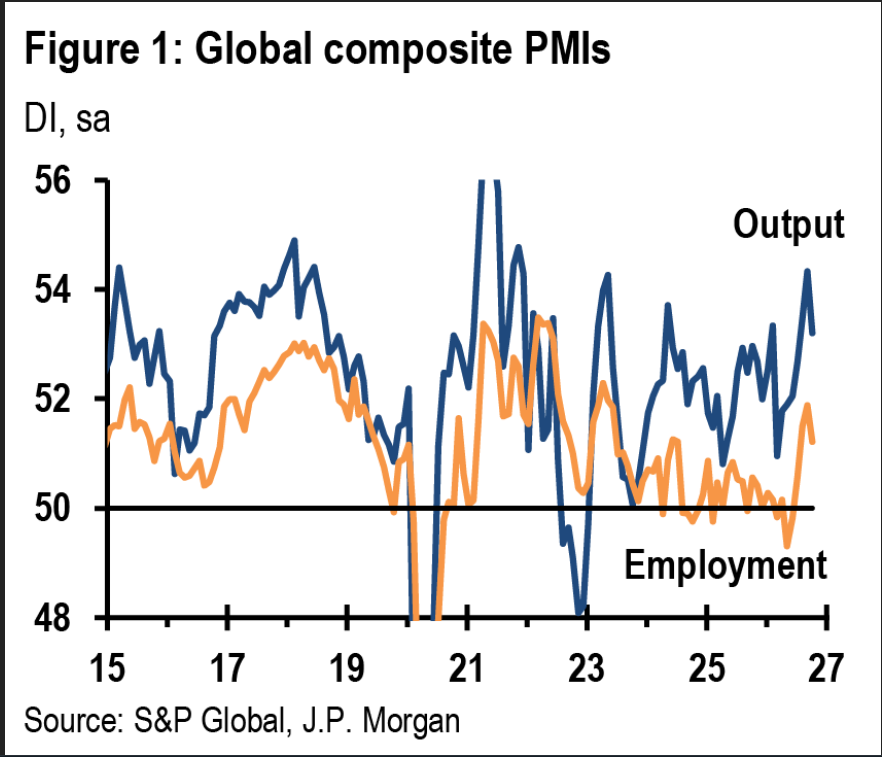
Rate hikes are “working” beautifully🤔… Not in boosting energy supply, not in cutting government spending, not in easing prices—yet they’ve been spot-on at engineering a private-sector contraction. via JPM
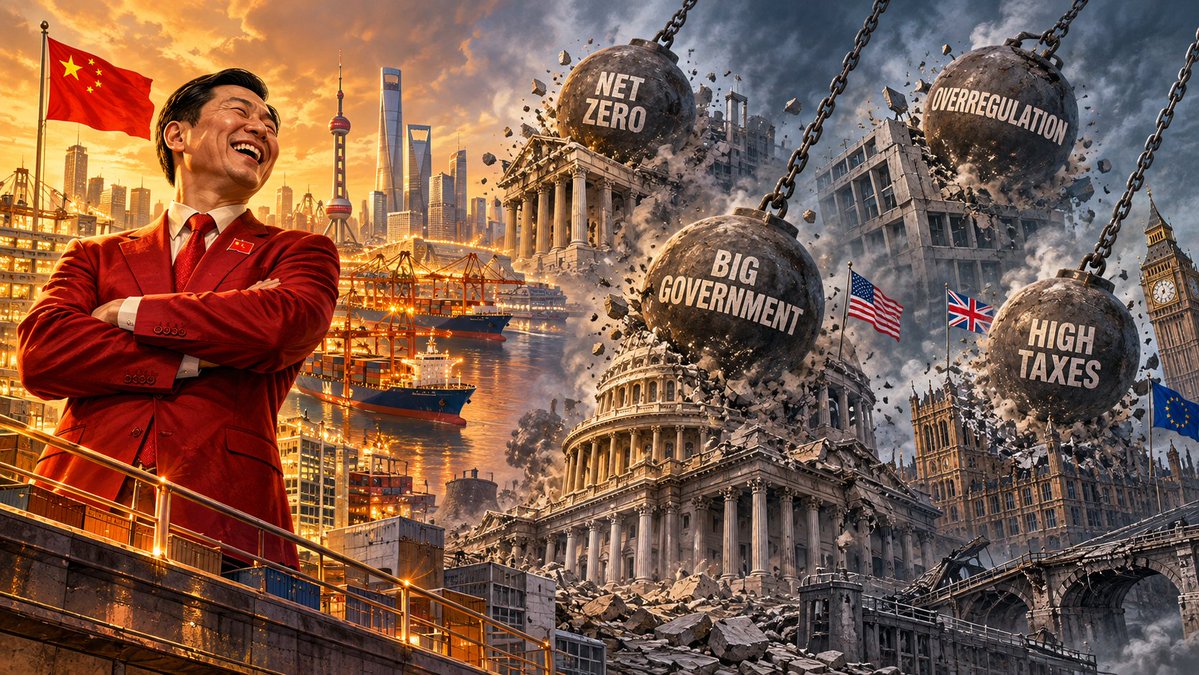
“Net zero” isn’t a recipe for green growth or genuine environmental stewardship. It may sound attractive, but in practice it works out as a gift to China: a mechanism that weakens Western competitiveness, piles on debt, slows growth, and deepens import dependence—while China keeps expanding, thriving, and using all the energy it wants.
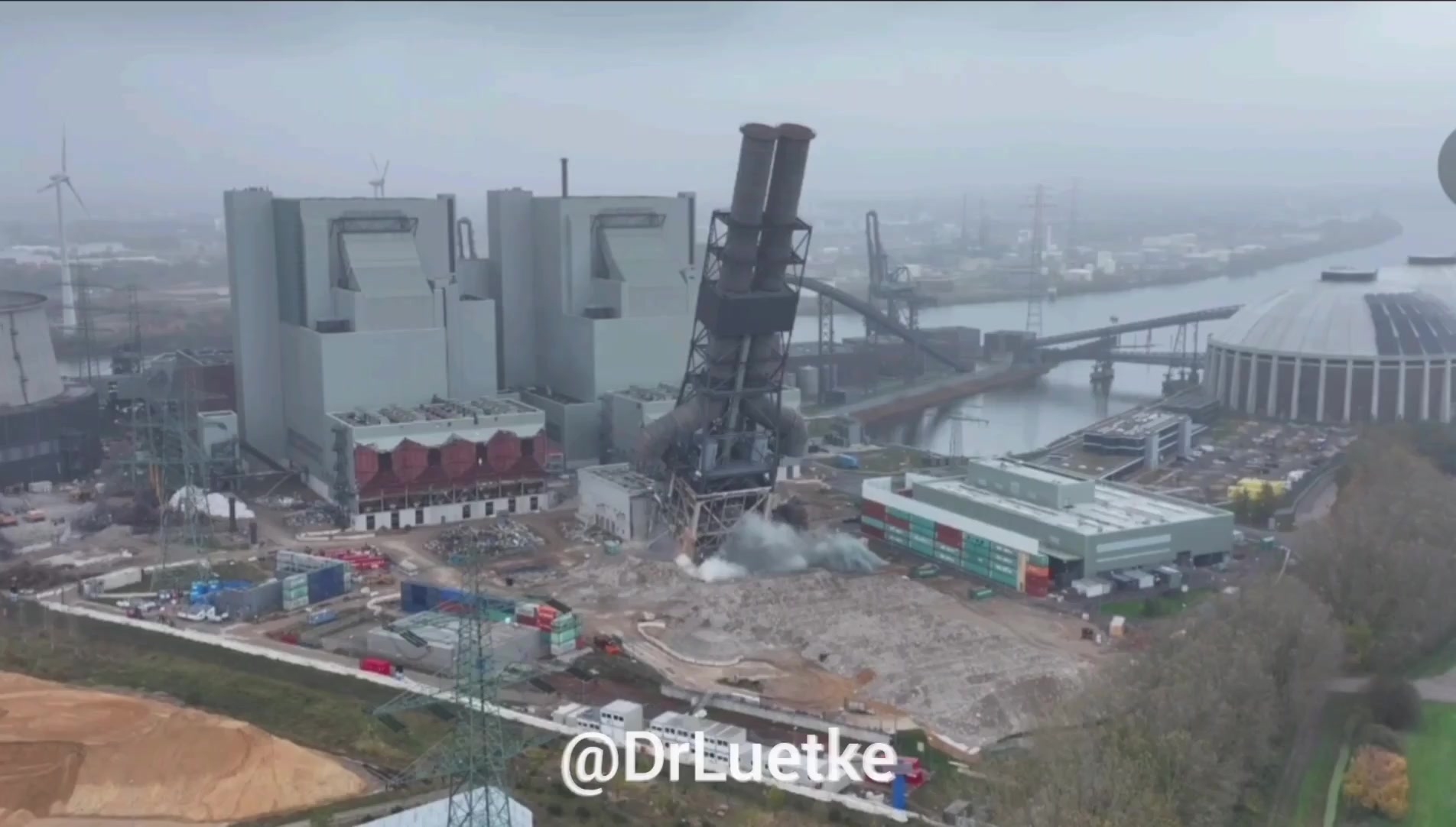
Germany: 1. 2015: Vattenfall retires Europe’s most modern coal plant—1,700 MW—after a €3 billion investment. 2. 2021: It’s taken offline in the name of “climate” policy. 3. 2024–2025: The site is torn down. 4. 2026: A dunkelflaute hits—wind and solar underperform—and Germany runs into a power shortfall. Remarkable. By @DrLuetke (must follow)
Just as global bond investors were beginning to think the worst of this year’s selloff had passed, a fresh jump in Treasury yields is forcing them to reconsider.
Trump says, “we don’t need a deal with Iran.” Fair point—arguably, they never really did.
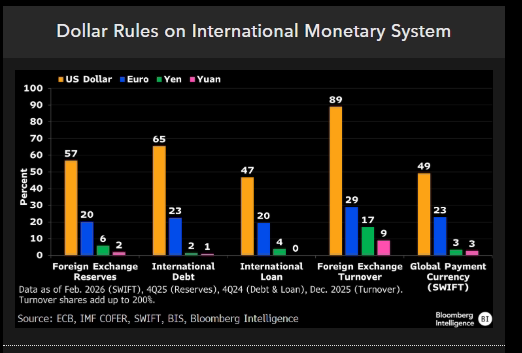
The “dedollarization” story was always more ideology than reality. In practice, global demand for the US dollar keeps climbing, and it still leads every fiat currency in reserve share and payment usage. There’s no real alternative.
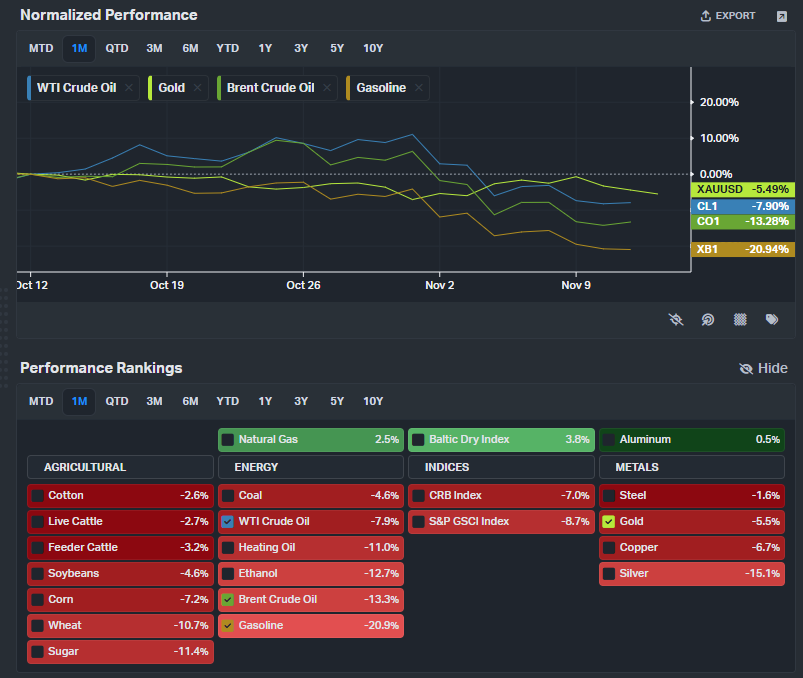
Last month’s commodity-driven disinflation will highlight how ineffective rate hikes really are. Still, central banks will pat themselves on the back and claim the drop in CPI was the result of their actions. Gasoline, crude oil, and agricultural commodities are finally seeing a much-needed correction.
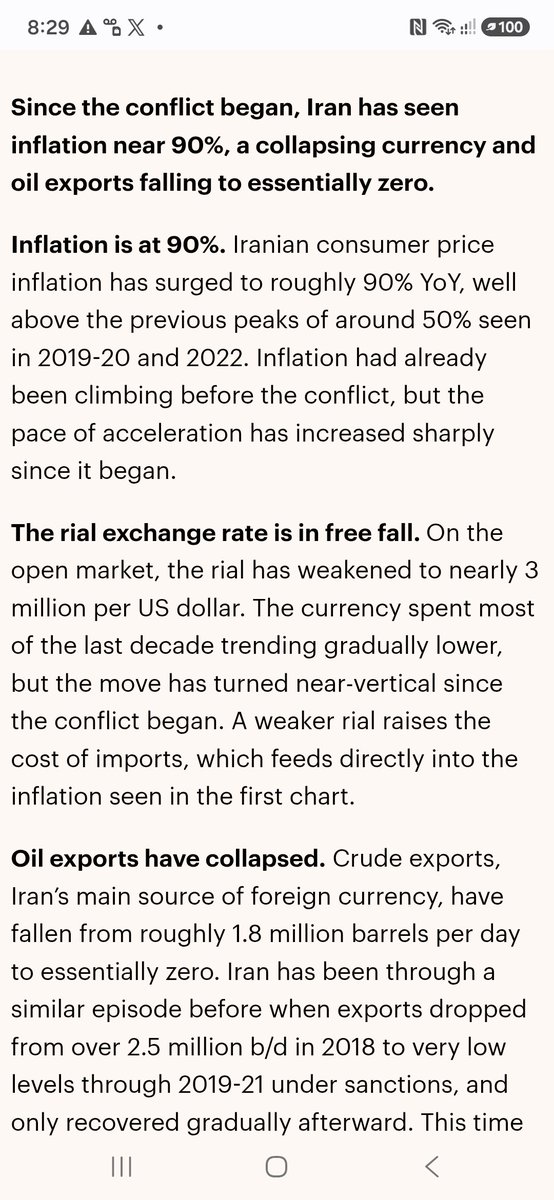
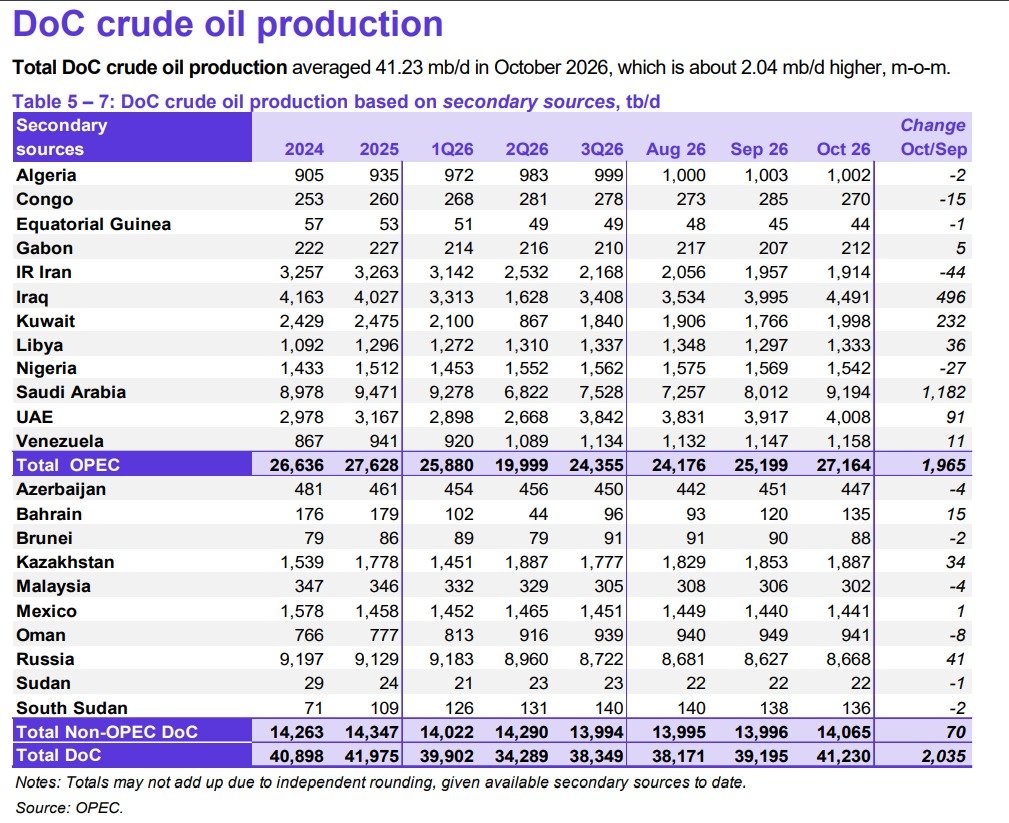
Iran’s oil output keeps sliding. Gulf producers have stepped in and then some. OPEC’s October report lays it out: Saudi Arabia: +1.18 million barrels a day in just one month, up to 9.19 million. UAE: 4.01 million. Iraq: 4.49 million. Iran: down to 1.91 million, from 3.26 million in 2024. Total OPEC output: 27.16 million barrels a day—528,000 ABOVE the 2024 average and already nearing the 2025 average. Iran is shedding barrels. OPEC isn’t.
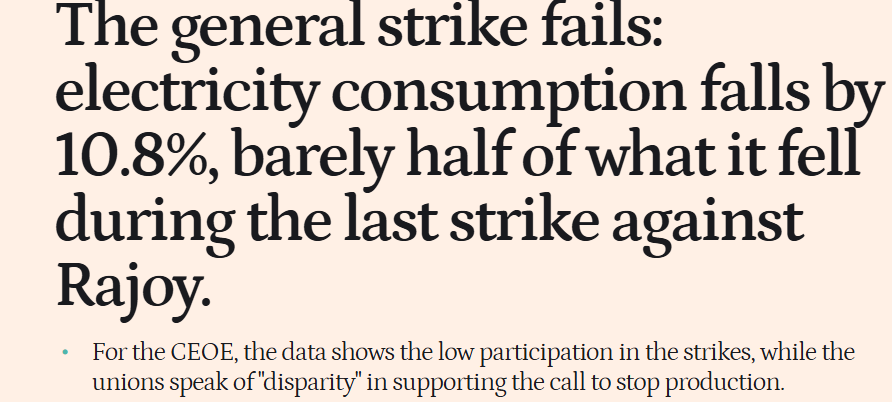
Today, Spain’s unions showed once again that they’re not on workers’ side—they’re working against us. The so-called “general strike” in Spain was a complete flop.
“Social protection” often means billions in political spending that ends up fueling stagnation, eroding real wages, and making everyday life less affordable. When governments print money in the name of “protection,” they’re not protecting anyone. That’s it.
Daniel Lacalle is an economist known for his sharp, well-structured takes on monetary policy, energy prices, and stock markets.
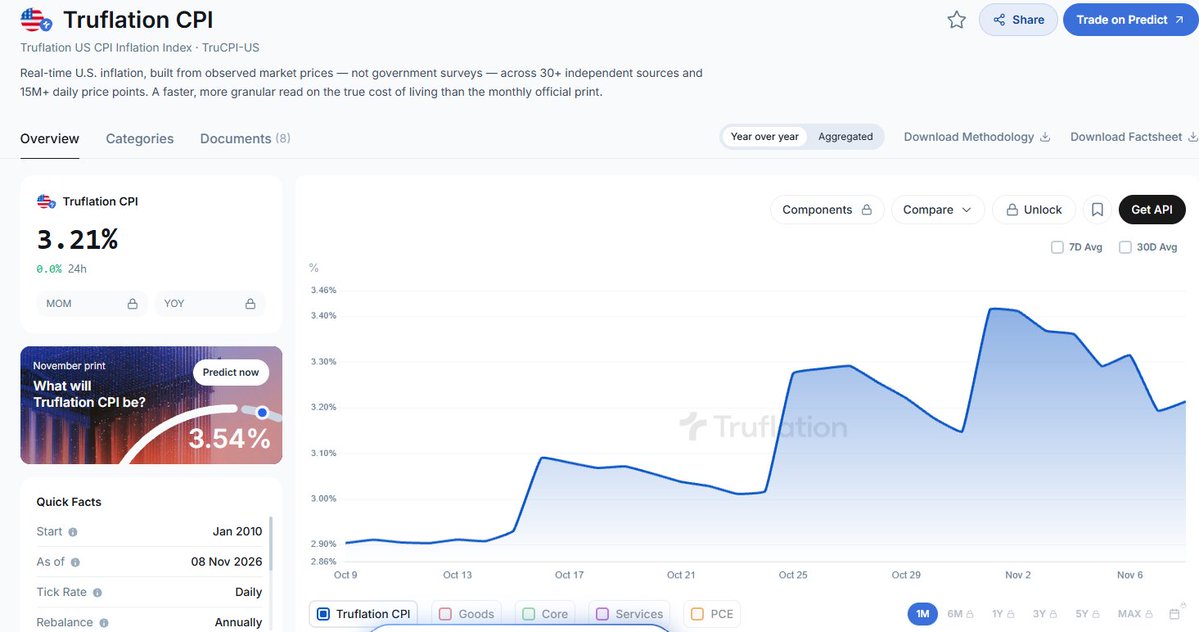
No surprise here: the latest drop in oil and gasoline prices is set to do most of the heavy lifting in the next inflation reading. When the base effects roll in, will Keynesians suddenly start fretting about the “deflation risk” again? Follow @truflation for reliable estimates of US inflation and key macro data.
Sure. Economists are apparently supposed to figure out how to turn 2+2 into 22 just because politicians say so. LOL
Tax justice means ending the government’s habit of wasting the wealth created by the private sector.
No government can print unlimited amounts of money without wrecking the very things that give it value: credit, trust, purchasing power, and any claim to reserve-currency status. And “monetary sovereignty” is mostly a myth. A currency is only as strong as the private sector’s willingness to hold and use it.