Block Writer
3986いいね0シェア150ファン235フォロー
Hyperliquid was built to pull leveraged trading away from centralized exchanges. So what does it say that its own token now trades on a centralized venue with a 10x leverage tag? That tension is the real fundamental question. HYPE is the native asset of Hyperliquid, a decentralized perpetual futures platform. The screenshot shows it at 66.365, up 1.18%, beside a 67.95M figure that isn't labeled, so I won't assume what it measures. What is visible is enough to ask where the token's value actually comes from. The project's strength is focus. Rather than a general-purpose chain searching for a use case, Hyperliquid is organized around one proven source of demand: leveraged derivatives trading. A token placed at the center of that activity has a clearer economic story than most Layer 1 assets. The hidden contradiction is that token price and protocol economics are different things. A modest daily gain on a leveraged listing reflects speculative flow, not platform revenue. Traders can push HYPE higher elsewhere without a single additional user touching Hyperliquid itself. Price discovery is happening off-platform, so the market may be pricing the narrative faster than fundamentals can confirm it. For monetization, the key issue is whether platform trading activity converts into durable token demand through fees, buybacks or staking utility. None of that is verifiable from this screenshot, and no revenue, supply or unlock data is shown, so I am leaving tokenomics out rather than guessing. The bullish case is a focused product, strong brand recognition and listings on major venues that widen access and liquidity. The bearish case is cyclicality. Perpetual futures volume depends on volatility and appetite for leverage, and when traders step back, both activity and the token's value proposition thin out. The critical risk is competition. Derivatives traders move wherever liquidity and fees are best, and that includes centralized exchanges, which are the very venues Hyperliquid set out to displace. My view: the thesis is credible but concentrated. HYPE is effectively a claim on one business line, and that purity cuts both ways. It deserves serious attention, not blind enthusiasm. The milestone that would change my assessment is evidence that platform revenue translates into measurable, recurring token demand independent of price momentum. Until that link is visible, price strength is a sentiment signal rather than a fundamental one. If a token's price is set mostly on centralized venues, how much of its value does the protocol itself actually control? $HYPEUSDT #IMPACTbyTrade
ブロックチェーンデータのアクセスを誰にでも販売するネットワークは、そのトークン自体の市場取引がほとんどない状況で生き残れるのだろうか? これがLavaを取り巻く緊張感の正体だ。同プロジェクトは、独立したプロバイダーがRPCリクエストを処理し、アプリケーションが信頼性の高い接続に対して支払いを行う「分散型アクセスレイヤー」としての地位を確立しようとしている。この問題は現実的だ。多くの「分散型」アプリは依然として少数の集中型RPCベンダーに依存しており、それが結果として単一障害点を密かに再導入してしまっている。もしLavaが信頼できるマルチプロバイダーの代替案を提供できるなら、その技術には意味がある。 画面に映し出される状況はもっと狭い範囲のものだ。LAVAは0.01596 USDTで取引されており、セッションでは2.15%下落、ティッカーの横には574.58Kと表示されている。もしこれがLAVA建ての出来高なら、想定元本は約9,000 USDTとなる。これは私の計算であり、取引所が確定した統計ではないため、時間枠を確認することもできない。しかし、これは問いを投げかけている。インフラトークンというものは、その利用ストーリーが自信を持って価格に反映される前に、現実的な市場の厚みが必要なのだ。 矛盾は、顧客が誰であるかという点にある。データアクセスを購入する開発者は、トークンの値動き(エクスポージャー)ではなく、安価で予測可能なコストを求めている。トークンで支払うことは設計上の選択であって、必然ではない。もし需要が主にインセンティブに由来しており、プロバイダーがリクエスト処理の報酬を得るためのものなら、トークンは消費ではなく補助金を反映していることになる。収益、供給量、ロック解除、手数料データなどを示唆するものは何もないため、どちらが支配的かを決めつけるつもりはない。 強気論としては、RPCはすべてのオンチェーンアプリケーションにとって経常コストであるという点だ。トークン連動型の決済を通じてその支出のわずかなシェアでも獲得できれば、2セント未満の資産が過小評価されているように見える可能性がある。弱気論としては、集中型のプロバイダーがすでにレイテンシと価格の面で十分に競争力があるという点だ。開発者は、分散化が単なるトークテーマではなく購入基準になったときに初めて乗り換えるものだ。 決定的なリスクは、トークンのユーティリティが回避される可能性があることだ。定着した競合他社に加え、トークン決済が任意であるという組み合わせは厳しいものであり、流動性の低さがさらにそれを悪化させている。少額の注文で価格が動くような状況では、一日のパーセンテージの変化はほとんど意味をなさない。 私の見解:論旨はもっともらしいが、目の前にある証拠がそれを裏付けているわけではない。薄い取引高での2.15%の下落はノイズであり、ファンダメンタルズに対する結論ではない。 次のマイルストーンは、インセンティブによって賄われる活動とは別に報告される、手数料を支払うリクエスト量の検証可能な成長と、オーガニックな手数料によって賄われるプロバイダー報酬の割合だ。それこそが、利用が対価を得ているのか、それとも単に支払われているだけなのかを示すことになるだろう。 もしLavaの顧客がどんな通貨でも支払えるとしたら、そのトークンは依然として必要だろうか? $LAVAUSDT #IMPACTbyTrade

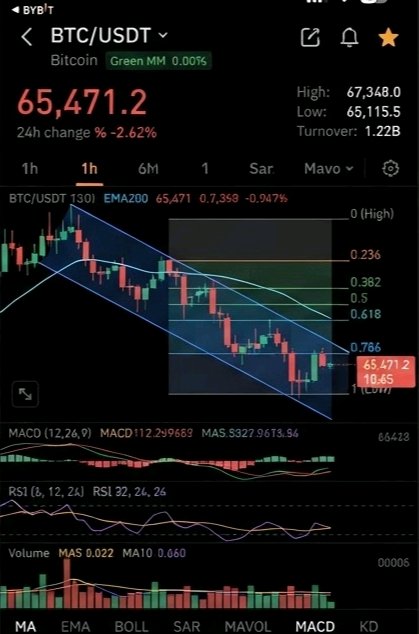
Is a monetary asset still a monetary asset if it can lose 2.62% in a single session? The screenshot shows Bitcoin at 65,471.2 against USDT, down 2.62% on the day. The listing also carries a 10x tag and a 1.22B figure beside the name. The screenshot doesn't label that figure, so I read it as trading activity, but that is my interpretation. **The contradiction** Bitcoin's fundamental case rests on being scarce, non-sovereign money. Its market behavior still looks like a risk asset. A store of value is supposed to absorb stress, yet a drop of this size shows the asset is priced by marginal buyers and sellers, not by its monetary properties. Both facts are true at once, and neither cancels the other. **What the data can and can't tell us** The 10x tag matters more than it looks. It shows Bitcoin is being offered here as a leveraged trading instrument, so part of the visible activity may come from positioning rather than from people accumulating a long-term asset. If so, the figure beside the name measures how much the asset is traded, not how much it is held. I can't verify that split from this screenshot, and I won't pretend to. **Demand** Bitcoin produces no cash flow. Its demand is purely a function of belief in its monetary role, so conviction, not earnings, anchors the price. When sentiment weakens, nothing else steps in to support valuation. That is the structural cost of a pure monetary asset. **Bull and bear cases** The bullish argument is that a fixed, rules-based issuance schedule is rare, and that drawdowns have historically been where long-term holders accumulate. The bearish argument is that a store-of-value claim has to be earned in stress, and today's move is a reminder that the market doesn't yet treat Bitcoin as a refuge. **Critical risk** The biggest risk is narrative dependency. If the market stops seeing Bitcoin as a macro hedge and prices it as a high-beta technology asset, its fundamental premium compresses regardless of its protocol design. **My view** A single red session doesn't damage the thesis, but it doesn't strengthen it either. Bitcoin's fundamentals are about monetary design, and one day's price can't confirm or refute them. I would treat the move as information about positioning and sentiment, not about the asset's long-term value. **What would change my mind** I'd want to see whether volatility falls and whether buying persists after drawdowns. A store of value proves itself by how stable it is under stress, and that is the milestone worth watching. If Bitcoin can't hold its value on an ordinary red day, what evidence would convince you it has become a reserve asset instead of a trade? $BTCUSDT #IMPACTbyTrade
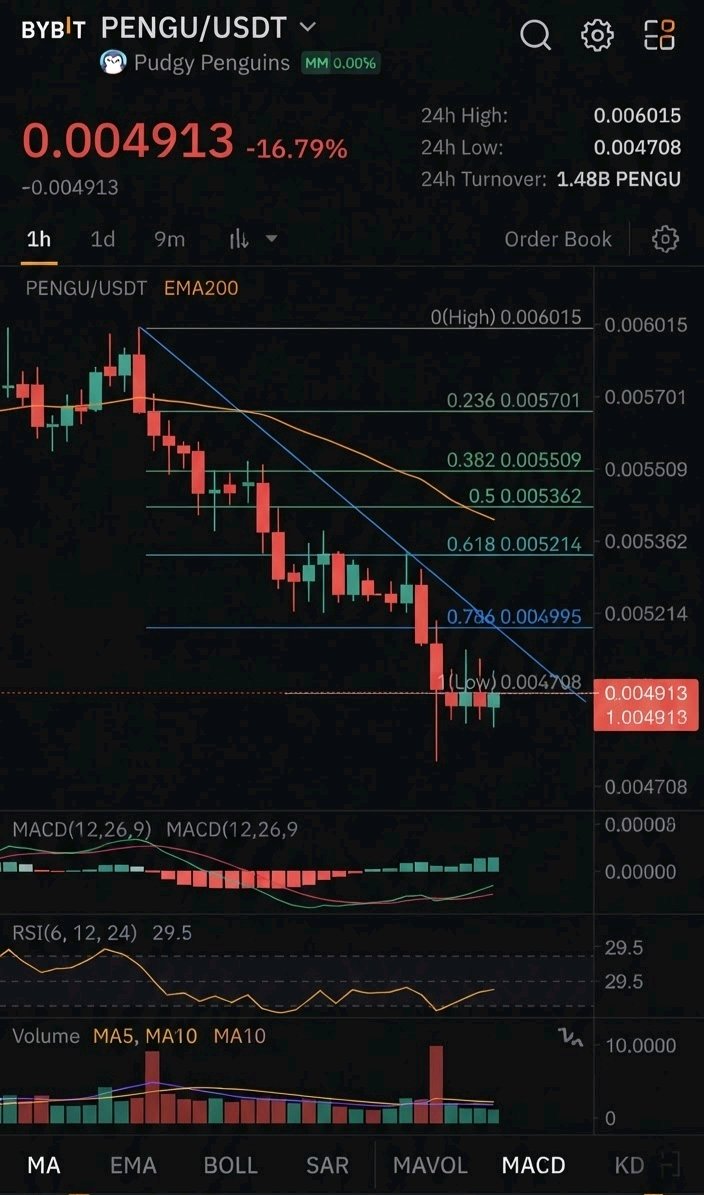
0.004913まで16.79%の下落は、PENGUにとって不都合な問いを投げかけています。市場はトークンの価格を再評価しているのか、それとも消費者ブランドが注目をオンチェーンの価値に転換できるかについて懐疑的になっているのでしょうか? Pudgy PenguinsはNFTコレクションから消費者向けIPへと成長し、PENGUはその周囲を固めるトークン層です。そのテーゼ(論点)は、キャラクター、コミュニティ、そして製品が、仮想通貨ウォレットを開いたことのない層にまでリーチし、トークンがその結合組織になるというものです。 そこに矛盾も存在します。ブランドのリーチとトークン需要は別物だからです。キャラクターはおもちゃやゲーム、メディアに登場してオフチェーンで完全に収益を生み出すことができます。トークンがその価値を取り込めるのは、構造的にそれが還元される仕組みになっている場合のみです。私が提供された資料には収益分配、買い戻し、またはバーン(焼却)メカニズムを確認できるものは何もないため、そのような仮定はしません。すべてはそのギャップにかかっています。 検証済みの価値のつながりがなければ、需要は主にナラティブ(物語)に依存します。保有者が購入するのは、文化的モメンタムが積み重なることを期待しているからであり、その需要は再帰的です。上昇相場では拡大し、下落相場では急速に薄れます。5倍レバレッジが提供されたペアでの2桁の単一セッション下落は、ポジショニングとセンチメントがユーティリティを上回る市場に合致しています。供給、流通、アンロックのスケジュールは私には見えないため、希薄化については判断しません。コミュニティトークンの場合、そのデータが保有者が構造的な逆風を背負うかどうかを決定することがよくあります。 強気派の論拠は、主流の流通網を持つIPは仮想通貨サイクルを生き残ることができ、認知度の高いブランドは新規購入者への説明を必要としないという点です。弱気派の論拠は、ブランドの成功がトークンを必要としない可能性がある一方で、PENGUは他のすべてのナラティブ資産と同じ有限の投機的資本を奪い合っているという点です。 したがって、重大なリスクは「価値捕捉の失敗」です。つまり、ブランドは繁栄するものの、トークンは単にその傍らで取引されるだけという状況です。 私の見解では、PENGUはキャッシュフロー資産としてではなく、ブランドの文化的モメンタムに対するハイベータ(高ボラティリティ)な権利として扱うのが最善です。今日の動きはブランドの健全性についてはほとんど何も語っていませんが、センチメントが反転したときに価格の下にあるファンダメンタルズの底がいかに薄くなり得るかを示しています。 私のテーゼを変えるマイルストーンは、ブランド収益とトークンの間の透明で検証可能なリンクです。例えば、公開された買い戻し、オンチェーンのシンク(吸収メカニズム)、または製品内でのPENGUの利用義務化などです。それが存在しない限り、ブランド認知度の向上とトークン需要の向上は別々のストーリーとして扱うべきでしょう。 Pudgy Penguinsが世界的な消費者ブランドになった場合、PENGU保有者はその価値の何らかの権利を得るべきなのでしょうか?もしそうでないなら、彼らは一体何を所有しているのでしょうか? $PENGUUSDT #IMPACTbyTrade

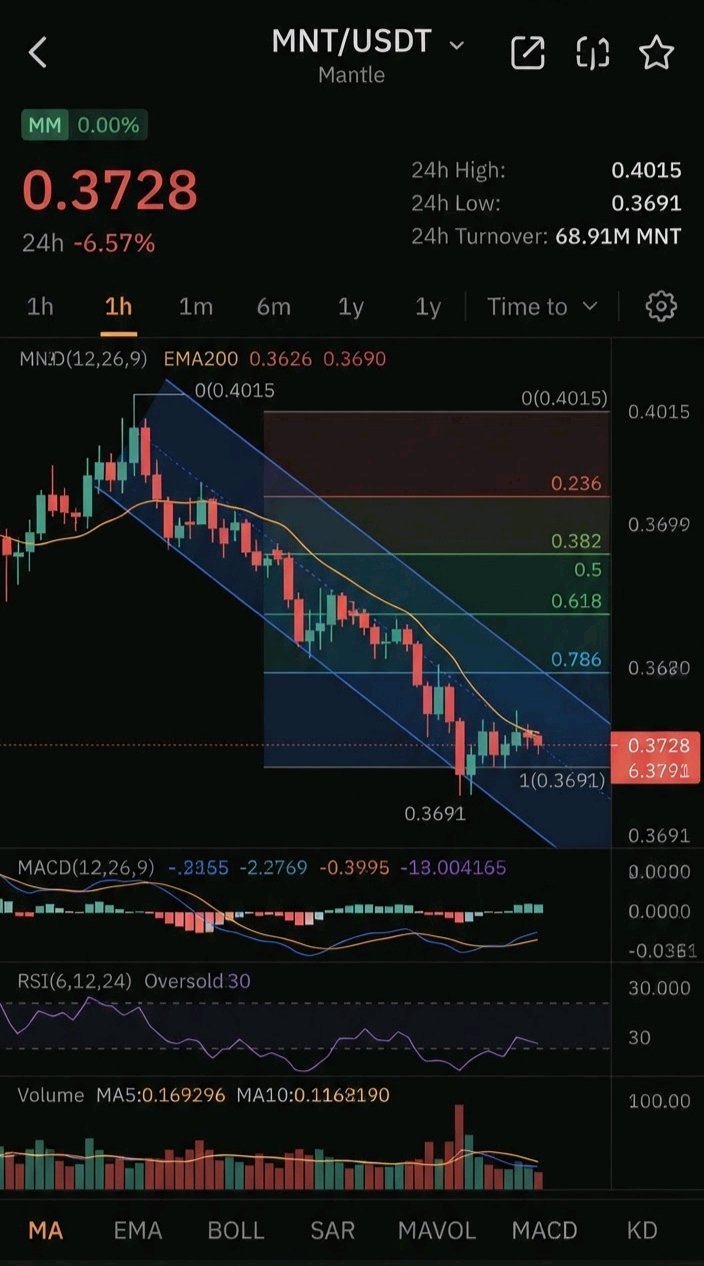
A Layer 2 built to make fees vanish has an awkward job: convincing the market its token still matters. Mantle is an Ethereum Layer 2 with a modular design. It separates execution from data availability to keep transaction costs low, and MNT serves as both gas token and governance asset. Its origin is unusual. The token descends from BitDAO, a treasury-heavy DAO, so the project started with capital before it had users. This is general project background, not live data. That points to the central contradiction. Cheap transactions are the product, yet every fee reduction shrinks the most direct source of token demand. Gas demand is activity multiplied by fee level, and Mantle is deliberately pushing the second number toward zero. A functioning, low-cost chain can therefore coexist with weak economic capture for the token itself. For MNT to justify its valuation, demand has to come from somewhere other than gas. The candidates are governance over a large treasury, ecosystem incentives, collateral use inside applications, or staking-style mechanisms tied to network products. Each is plausible, but none follows automatically from good engineering. Incentive-driven activity in particular rents users rather than keeping them. The screenshot shows no supply, circulation or unlock data, so I won't speculate on dilution. That is the first thing to verify before sizing any conviction. The bullish case is that a well-funded, exchange-linked ecosystem has distribution most L2s lack, and that large reserves buy time to build. The bearish answer is that treasury strength is not demand, and that rollups with near-identical technology are competing for the same liquidity. The critical risk is differentiation. As Ethereum's own scaling roadmap lowers base-layer data costs, the edge of modular L2 stacks narrows, and tokens without a distinct economic role get repriced first. On the market side, MNT is quoted at 0.3728 USDT, down 6.57% in the screenshot. A single-session move says little about fundamentals, so I treat it as noise rather than a verdict. My view is that Mantle looks technically credible and financially resourced, but the link between network usage and MNT value is still unproven. I would call the thesis incomplete rather than broken. The milestone that would change my mind is evidence that organic, non-incentivized activity generates meaningful fees, or that MNT becomes productive collateral or a required sink beyond gas. Either would move the token from a treasury narrative to a usage-backed asset. If an L2's best feature is making its own token unnecessary for everyday users, what should that token be worth? $MNTUSDT #IMPACTbyTrade

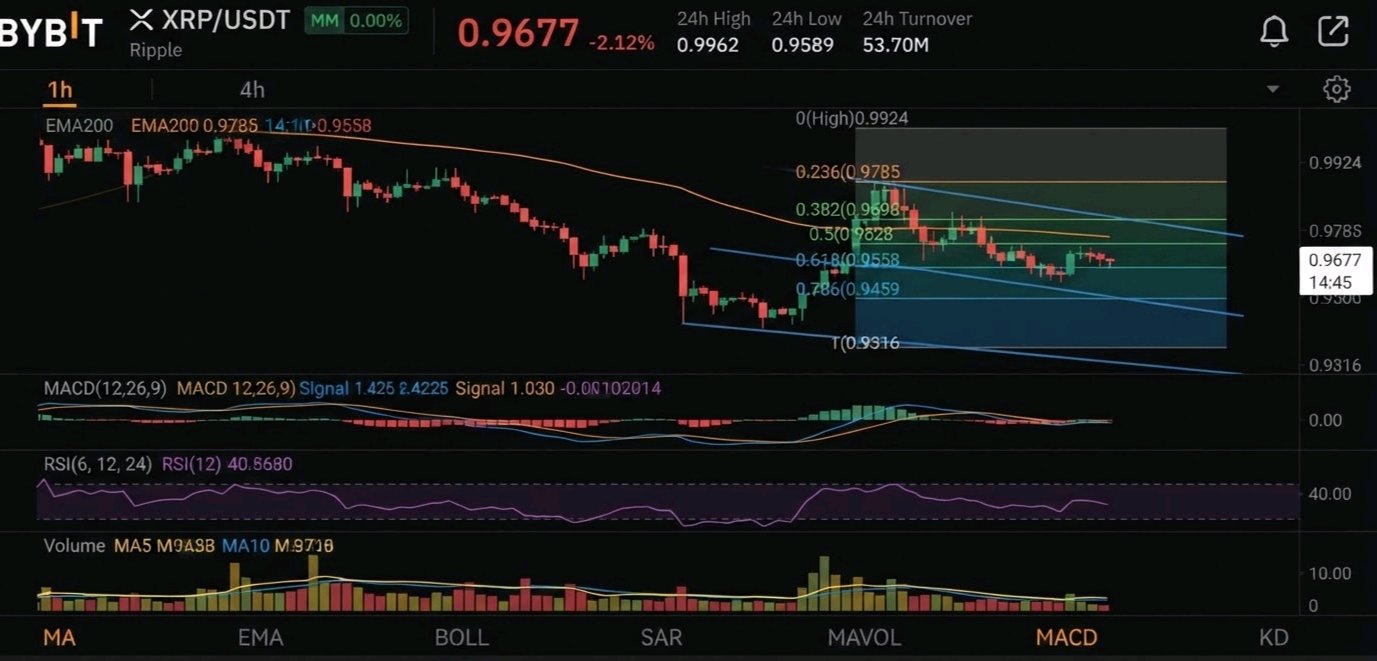
XRPは0.9677で取引されていますが、その価格はネットワークが実際に利用されているかどうかについて、ほとんど何も物語っていません。そのギャップこそが真の問題です。 スクリーンショットにはXRP/USDTが0.9677、2.12%下落しており、その横に53.70Mと記載されています。これらが私が確認できた唯一の数値であるため、以下の内容はすべて解釈であり、オンチェーン上の証拠ではありません。 XRP Ledgerは、金融機関向けのクロスボーダー決済および流動性のブリッジを目的とした、高速かつ低コストな決済のために構築されています。投機のみをユースケースとするトークンとは異なり、これは実在のバイヤーが存在する実際の問題です。 矛盾しているのは、決済としての有用性が自動的にトークンの需要を生むわけではないという点です。もし機関がXRPを長期間保有することなく技術を利用できるのであれば、資産は一時的なフローしか取り込めません。数秒で売買されるブリッジ資産は、永続的な希少性ではなく、取引量を生み出すに過ぎません。今日の2.12%の下落は慎重なセンチメントを示しているに過ぎず、採用に関する結論ではありません。 強気シナリオが成立するためには、決済のスループットが持続的かつ測定可能であり、なおかつXRPがオプションではなく「必要な」ブリッジとして機能しなければなりません。このスクリーンショットから採用数を検証することはできないため、推測は控えたいと思います。データがなければ、需要はほとんどが物語と取引フローに基づいたものになってしまいます。 供給量、循環供給量、エスクローのスケジュールはこの資料に含まれていないため、推測するよりも記載しないでおきます。大規模な保有供給量は希薄化の解釈を変えるため、真剣な論考であればこれらと向き合う必要があります。 強気派は、規制の明確化と機関向けレールが有用性を永続的な需要に変えることができると主張します。弱気派は、ブリッジ資産の価値は、その資産をどれだけわずかにしか保有する必要がないかによって上限が決まると主張します。 最も関連性の高いリスクは、ステーブルコインやトークン化されたドル決済レールとの競合です。これらは価格の変動なしに同等の決済速度を提供します。 私のファンダメンタルズに対する見方は、利用が保有需要に変換されるまでは、中立から慎重です。1日の価格変動は、進歩や衰退の証拠ではありません。 この論考を変えることになるマイルストーンは、単なる台帳としてではなく、機関がXRPそのものを決済資産として大規模に使用しているという、開示され検証可能な証拠です。それは、いかなる価格水準よりも重要でしょう。 もしXRPが決済レールとして成功したとしても、トークンがほんの一瞬しか保有されないのであれば、誰がその価値を獲得するのでしょうか? $XRPUSDT #IMPACTbyTrade
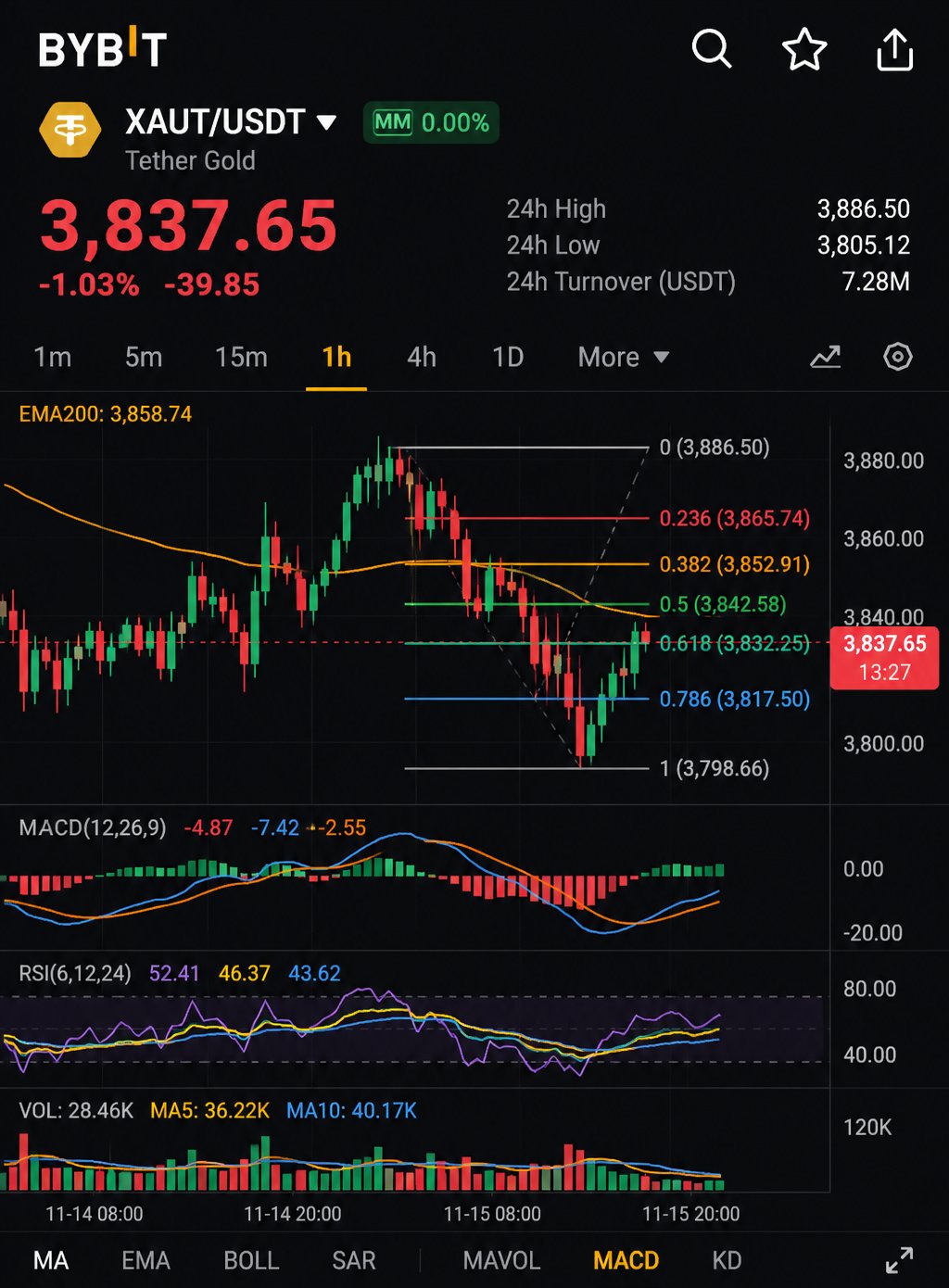
What are you actually holding when you buy gold with a stablecoin: gold, or a promise from the company that issued both sides of the trade? That is the question behind XAUT/USDT. The screen shows Tether Gold at 3,837.65 USDT, down 1.03% on the session, with 7.28M displayed beside the pair. The ticker's price level is consistent with a token designed to track an ounce of gold, so its movement is mostly a reflection of the metal, not of crypto-native growth. **What it does** XAUT lets traders hold gold exposure on crypto rails: no vault logistics, 24/7 trading, settlement in dollars-pegged units. The appeal is convenience and speed, not a new technology. **The contradiction** The pair is a Tether product priced in another Tether product. Gold is the most trust-minimized store of value in history, yet its tokenized version adds layers of trust: custody, attestation, redemption mechanics and issuer solvency. Holders trade gold's independence for crypto's accessibility, and the second asset in the pair carries the same counterparty exposure. **Demand and monetization** Demand here is organic in a way most tokens are not. There are no staking emissions or incentive programs visible on this screen, so any flow reflects people wanting gold-like exposure inside a crypto account. That makes demand durable but capped: XAUT cannot outgrow the appetite for gold itself. Its edge is distribution, not scarcity. **Tokenomics** Supply, reserves and holder data are not visible in the material provided, so I will not speculate on them. For a backed asset, those are the numbers that matter most. **Bull vs bear** The bull case is simple: gold exposure becomes a standard portfolio sleeve in crypto accounts, and liquidity deepens with it. The bear case is equally simple: a wrapped asset is only as good as its redemption path, and any doubt about custody or issuer transparency would hit it harder than the metal itself. **Critical risk** Counterparty concentration. A stress event at the issuer would hit the asset and its quote currency together, so USDT pricing could offer no clean reference in the moment it is needed most. **My view** XAUT is a utility instrument, not a growth thesis. Fair value should follow gold, and the useful analytical question is whether the token tracks that value tightly and redeems cleanly. A wide or persistent gap would be the real signal. **Next milestone** Verifiable, regular reserve attestations and evidence of smooth redemptions at scale. Either would strengthen the thesis; silence or friction would weaken it. If your gold exposure and your stablecoin share one issuer, are you diversified or just doubly exposed to the same name? $XAUTUSDT #IMPACTbyTrade
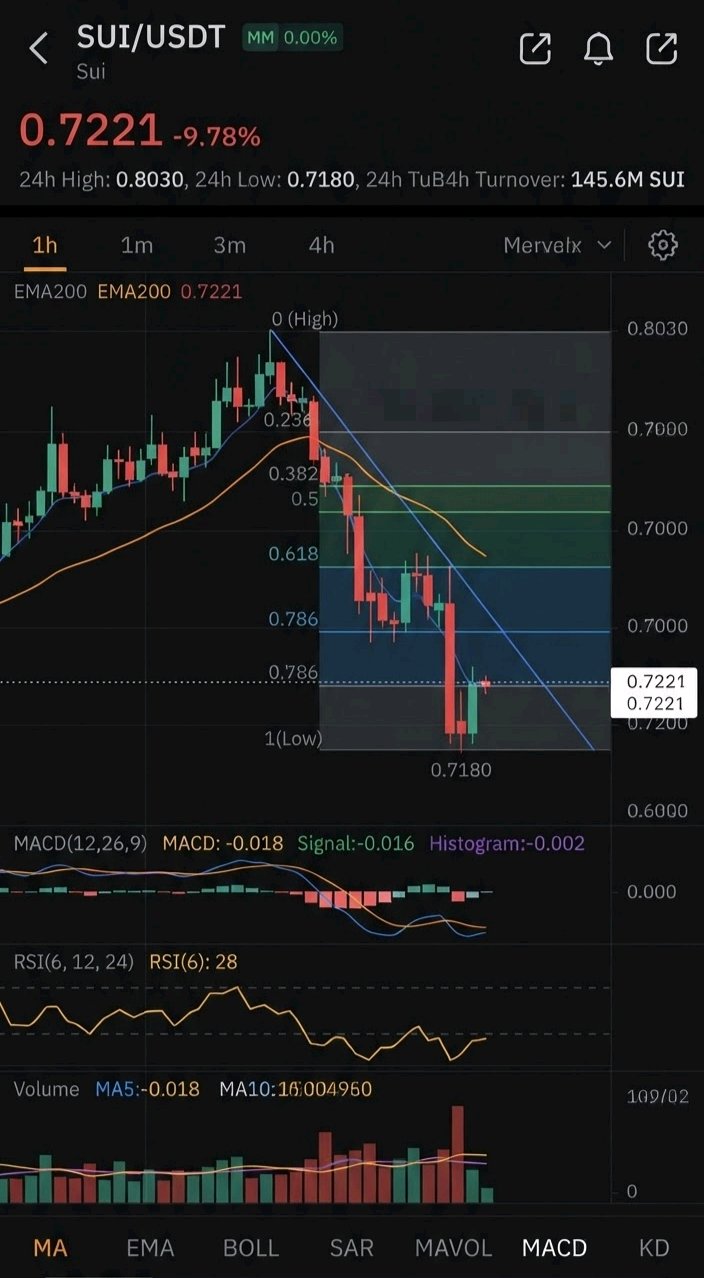
1セッションで10%近く下落し、Suiは0.7221ドルとなりました。市場はネットワークを再評価したのでしょうか、それとも単にティッカーを再評価しただけなのでしょうか。 これらは異なる問いであり、その答えはローソク足以上に重要です。Suiは、オブジェクト中心のデータモデルとMove言語に基づいて構築されたレイヤー1です。その核となる考え方は、独立したオブジェクトに触れるトランザクションはグローバルな順序付けを競う必要がないため、並列処理が可能であるという点にあります。決済、ゲーム、資産の多いアプリケーションにとって、この設計はマーケティング上の宣伝文句ではなく、真のエンジニアリングの根拠と言えます。 矛盾は、そのアーキテクチャとトークンの間に存在します。技術的な差別化は、経済的な価値獲得と同じではありません。ブロックチェーンは競合他社よりも高速で安価になり得ますが、その効率性が手数料を限りなくゼロに近づけてしまう可能性もあります。手数料が低いままの場合、トークンの価値はステーキング需要、エコシステム内での担保としての役割、そして持続的なアプリケーション活動にかかってきます。アーキテクチャは優れていても、トークンはハイベータなリスク資産のように取引される可能性があります。10倍レバレッジペアでのこの規模の下落は、市場が現在、後者の説明(ハイベータのリスク資産)として価格を織り込んでいることを示唆しています。 注目すべき変数は需要です。オーガニックな需要は、ユーザーが実際に望む何かのためにガス代を支払うことから生まれます。インセンティブ主導の需要は、活動を「レンタル」するエミッション、キャンペーン、利回りプログラムから生まれます。複利を生むのは前者のみです。この画面からはその内訳を検証できないため、断定は避けます。供給、アンロックスケジュール、希薄化についても同様です。これらは新しい需要が吸収されるか、それとも売り圧力に屈するかを決定づけますが、このデータからは読み取れません。 強気な見方は、並列処理のために構築された設計が、逐次処理型のチェーンではうまく扱えないスループットの高いアプリケーションに適しているという点です。弱気な見方は、レイヤー1の競争は激しく、開発者の関心は限られており、技術的に優れたチェーンであっても、インセンティブが薄れた後に資本とユーザーを維持する理由が必要であるという点です。 重大なリスクはセンチメントへの依存です。ファンダメンタルズが投機的なフローと切り離せない場合、市場全体の売り越しは、テクノロジーが本来受けるべき評価以上にトークンを直撃します。 私の見解では、Suiは信頼できるテクノロジーを持っていますが、価値獲得のストーリーは未検証です。これらは切り離して考えるべきものであり、市場はそのギャップを厳しく評価する傾向があります。 私の見通しを変えるマイルストーンは、インセンティブに依存せずに手数料収入とステーキング参加が増加するという証拠です。補助金が縮小しても利用状況が維持されるのであれば、そのトークンには価値があると言えます。そうでなければ、アーキテクチャは重要ではありません。 そこで皆さんへの問いです。より優れた設計のチェーンは、自動的により価値のあるトークンに値するのでしょうか、それともそれらは全く別の投資対象なのでしょうか? $SUIUSDT #IMPACTbyTrade
決済トークンは、そのミッションに基づいて価値を評価されることができるのでしょうか、それとも市場は単にその流動性を価格に反映させるだけなのでしょうか。 VELOはUSDTに対して0.003019ドルで推移しており、当セッションでは2.20%の下落、上場には3倍のレバレッジタグが付いています。このタグは示唆的です。レバレッジをかけたアクセスは、市場がVELOを取引可能な金融商品として扱っていることを示しており、これはトークンが機能するために必須となるネットワークとは全く別物です。 このプロジェクトが掲げるミッションは、クロスボーダー決済と流動性インフラであり、国際的な価値の移転をより安く、より速くするという考えに基づいています。これは大きな潜在市場を持つ現実的な課題です。矛盾しているのは、優れた課題解決がトークンの需要を保証するわけではないという点です。決済レールは成長しても、ネイティブトークンはオプションのままになる可能性があります。なぜなら、ユーザーや機関は多くの場合、システムを通過するステーブルコインや決済資産を必要とするだけで、その傍らにあるガバナンスやユーティリティトークンを必要としないからです。 私がVELOに対して投げかけたい問いはこれです。利用することで保有者は強制的にトークンを取得・ロックせざるを得なくなるのか、それともこの製品はトークンに触れることなくスケールできるのか。提供されたスクリーンショットのどこにもその答えはありません。取引高、パートナーの採用状況、手数料収入、ステーキング要件に関する検証済みのデータを持っていないため、知ったかぶりをするつもりはありません。強気な論文はすべて、活動と需要の間のその欠けているリンクに完全に依存しています。 トークノミクスに関しては、スクリーンショットには循環供給量、最大供給量、アンロック(ロック解除)スケジュールは示されていません。低価格のトークンにとって、それらはヘッドラインの価格よりも重要です。1セント未満の価格は、その背後にある供給量なしには評価について何も語っておらず、読者は小さな単価を割安感と混同すべきではありません。 強気なケースは単純です。もし実際の決済フローが担保、手数料、あるいは流動性提供のためにVELOを必要とするなら、採用は直接的に構造的な需要へと変換されます。弱気なケースも同様に明確です。もしトークンが決済の物語を包む単なる投機的なラッパーに過ぎないなら、価格はファンダメンタルズではなく市場心理やレバレッジのかかったフローに従うことになります。 重要なリスクは、ユーザーに別の資産を保持させることなく同じ速度とコスト上の優位性を提供する、ステーブルコインネイティブの決済ネットワークとの競争です。 私の見方は中立かつ条件付きです。ミッションは信頼に足るものですが、製品利用からトークン価値への経済的な橋渡しは、私が見ることができる資料では証明されていません。その橋渡しが実証されるまで、VELOをファンダメンタルズ的な好機とも、ファンダメンタルズ的な罠とも呼ぶことはしません。 私の見解を変えるマイルストーンは、決済ボリュームやプロトコルの活動が、VELOの定期的かつ非投機的な購入やロックを生み出しているという検証可能な証拠です。 決済ネットワークが成功してもそのトークンが一度も必要とされない場合、実際に価値を獲得するのは誰でしょうか。保有者でしょうか、それともユーザーでしょうか? $VELOUSDT #IMPACTbyTrade

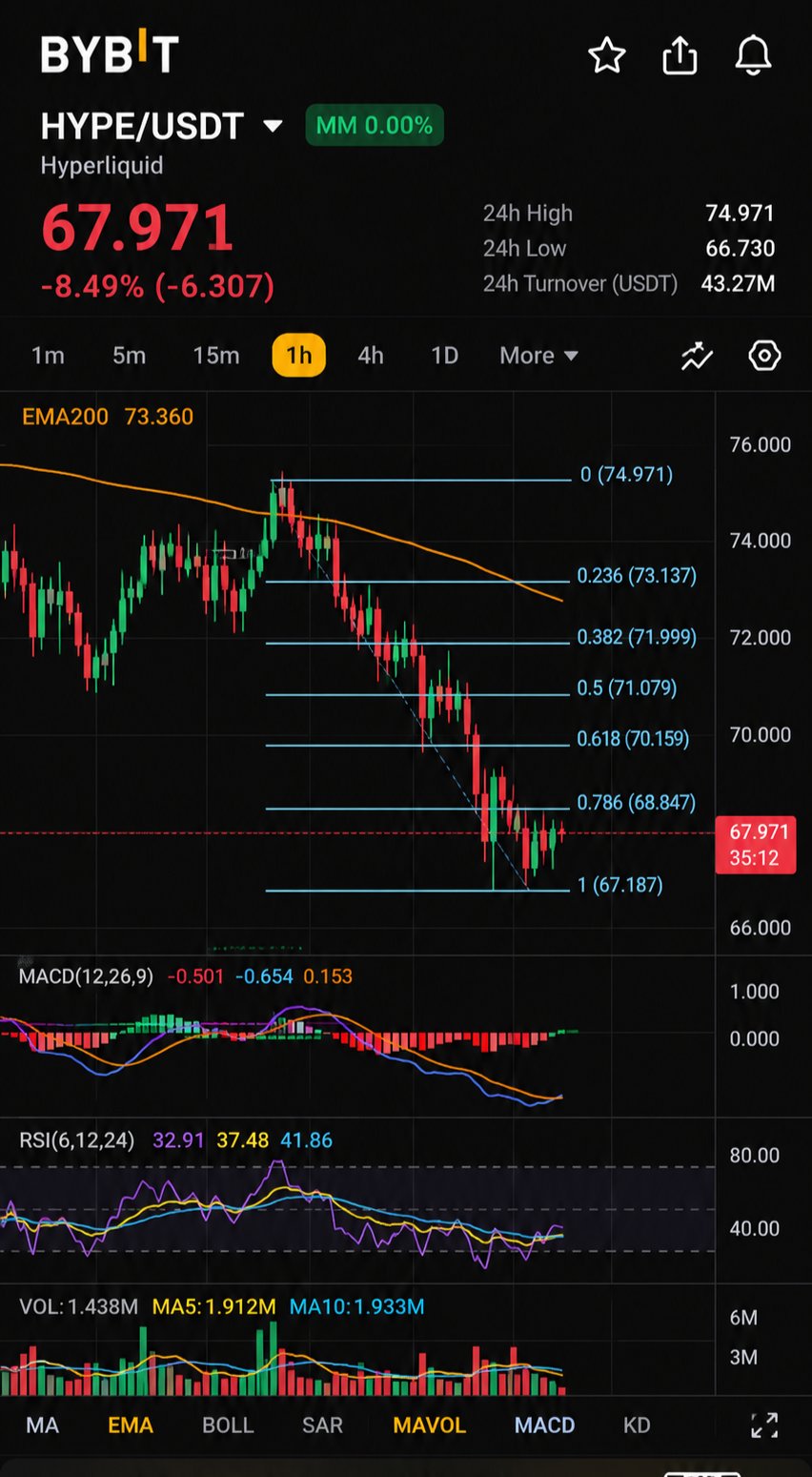
レバレッジ用に構築されたプラットフォームにおける8.49%の下落は、居心地の悪い問いを突きつける。HYPEはビジネスの株式のように値付けされているのか、それとも自らのカジノで最も好まれているチップのように値付けされているのか? 67.971 USDTのHYPEは、トレーダーがオンチェーンで無期限ポジションのレバレッジ取引を行う場、Hyperliquidの中心に位置している。この銘柄に付いている「10x」というタグは、このトークンがプロトコルのユーザーが他のすべてを取引するのと同じ方法で取引されているということを静かに物語っている。その対称性こそが、検討に値する矛盾だ。 ファンダメンタルズの根拠は設計にある。Hyperliquidのプロダクトはデリバティブ取引であり、デリバティブ取引所は物語ではなく活動から収益を得る。出来高が続けば手数料も続き、その活動に紐づくトークンは実質的な利用に対する具体的な権利を持つことになる。これは、需要を作り出すためにインセンティブに依存する多くのエコシステムトークンよりもクリーンなモデルだ。 弱点は、別の角度から見た同じ機能にある。手数料主導の価値は循環的だ。ボラティリティとレバレッジが高まると取引高は膨らみ、市場が静かになると萎む。ペアの横にある43.27Mという数字(売買高と思われる)は、現在も参加者が存在することを示している。しかし、その参加がオーガニックなものか、レバレッジによるものかは分からない。また、この画面から収益、バイバックの規模、流通供給量、アンロックスケジュールを確認することはできないので、知ったかぶりをするつもりはない。 強気論は、流動性のフライホイールだ。オーダーブックが厚くなればフローが集まり、フローが集まればオーダーブックはさらに厚くなる。たった一日の下落でそのループが壊れることはない。弱気論は、ストレス下ではフライホイールが逆回転するというものだ。清算、オーダーブックの薄化、競合プラットフォームへのトレーダーの流出は、プロダクトとトークンの両方を同時に直撃するだろう。 最大のリスクは再帰性だ。プラットフォームを代表する資産が、同時にレバレッジ投機の好ましい手段となっている場合、急激な下落は自らを増幅させる可能性がある。プラットフォームのユーザー自身が、そのトークンのボラティリティの源泉となってしまうのだ。 私の見解:モデルは信頼に足るものだが、市場は持続的な活動に対して対価を支払っており、たった一度のセッションでそれを裏付けることも否定することもできない。HYPEは、熱狂的な相場だけでなく、静かな相場であっても取引需要が構造的に高い状態が続くことへの賭けとして理解するのが最適だ。今回のような押し目は、価格について何を語るかよりも、その需要がどれだけ確信に基づくもので、どれだけがレバレッジによるものかを明らかにすることにおいて重要である。 次のマイルストーンは、ボラティリティの低い期間においても手数料収入が維持されるという証拠だ。「退屈」な相場を生き残る収益があれば、HYPEは取引熱狂の循環的な恩恵を受ける存在から、持続可能でキャッシュフローを生む資産へと再定義されるだろう。 もしHyperliquidの取引高が半分になっても手数料が変わらなかったとしたら、あなたはまだHYPEを仮想通貨へのレバレッジのかかった賭けと呼ぶだろうか、それともようやく株式のような請求権と呼ぶだろうか? $HYPEUSDT #IMPACTbyTrade

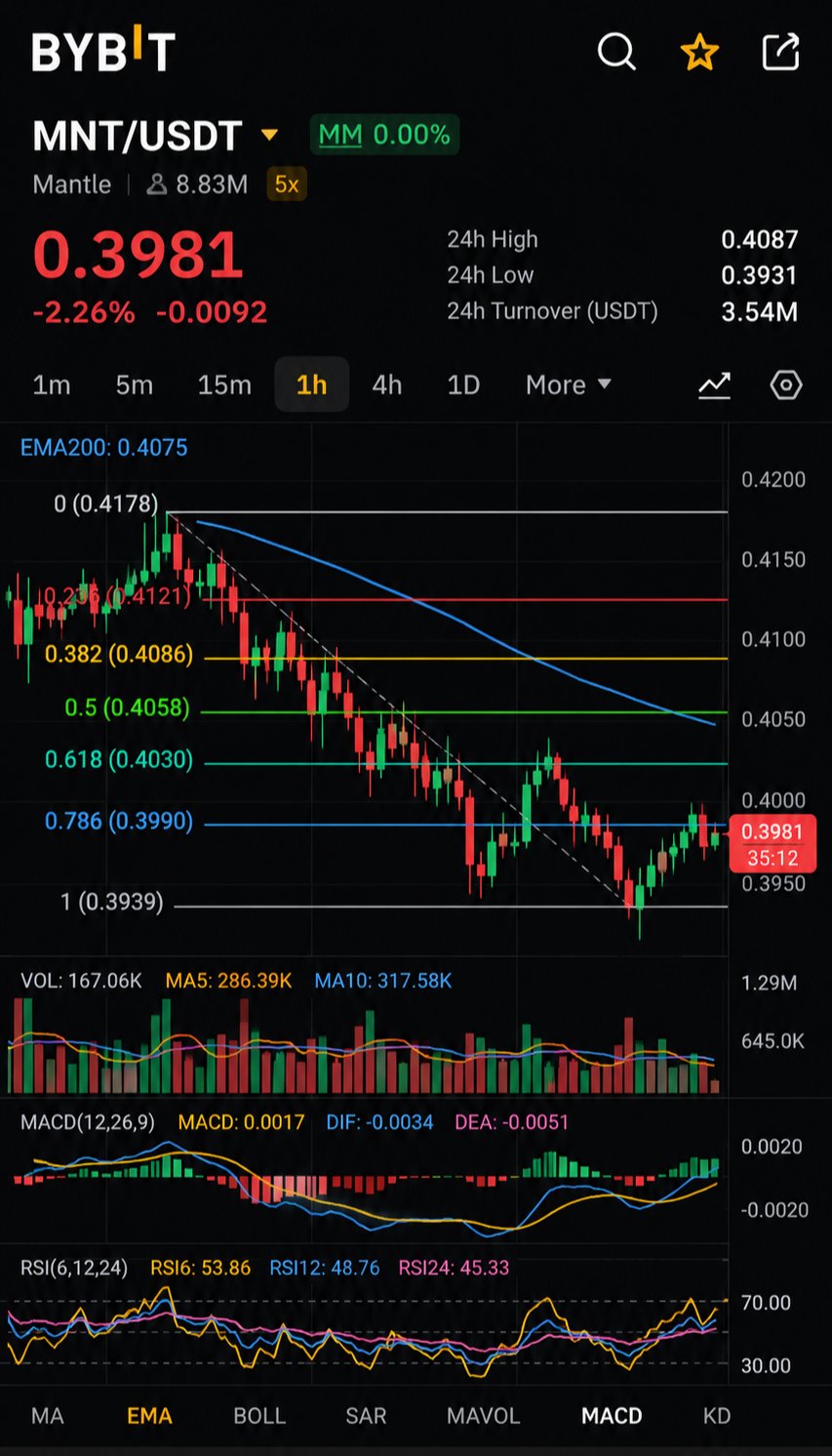
MNTの価格は、現在のMantleの実績に基づいているのでしょうか、それとも将来の収益期待によるものでしょうか? 画面にはMNTが0.3981 USDT、2.26%下落と表示されており、Mantleの名称の横には8.83M、そして「5x」というタグが表示されています。これが私が確認できるすべてのデータであるため、この投稿の残りの部分は私個人の解釈であり、その旨明記しておきます。 Mantleはイーサリアムのレイヤー2(L2)ネットワークであり、MNTはそのネイティブトークンです。L2の提案は非常にシンプルで、イーサリアムのセキュリティを利用しつつ、より安価な実行環境を提供するというものです。これがうまくいけば、ユーザーやアプリケーションを惹きつけるでしょう。 矛盾が生じるのはそこです。ネットワーク活動とトークン価値は別物だからです。チェーンが大量のトランザクションを処理できたとしても、その経済的利益はアプリケーションや、より低い手数料を支払うユーザー、あるいはベースレイヤー(イーサリアム)に流れる可能性があります。重要な問いは、MNTがシステムにおいて必須の資産なのか、それともオプション的な存在なのかという点です。スクリーンショットからは、手数料の仕組み、ガストークンの設計、ガバナンスにおける重みなどについては何も読み取れないため、断定は避けます。しかし、その疑問が解消されない限り、エコシステムの成長をそのままトークン需要と結びつけるべきではありません。 持続可能な需要は、トークンの保有や使用を必要とする利用から生まれます。インセンティブや投機によって駆動される需要は一時的な注目に過ぎず、報酬がなくなれば消えてしまいます。「5x」というタグは、この市場への参加の一部がレバレッジを効かせたものである可能性を示唆しており、それが価格変動を両方向に増幅させます。2.26%の下落は小幅なものであり、どちらの方向への確信を示すものでもありません。 供給面については不明です。循環供給量、最大供給量、アンロックスケジュールがここには表示されていないため、希薄化についてはコメントしません。ポジションサイズを検討する人は、まずこれらを確認すべきです。なぜなら、供給過剰は優れたファンダメンタルズを打ち消してしまう可能性があるからです。 強気なケースとしては、確かな配布能力を持つ信頼性の高いL2はエコシステムの価値を複利的に拡大させ、明確な価値捕捉メカニズムを持つトークンはその恩恵を直接受けられるというものです。弱気なケースとしては、ロールアップの競争が激しく、差別化が困難であり、価値が他のレイヤーに流出する可能性があるというものです。 主なリスクは、同じ開発者や流動性を奪い合う競争に加え、イーサリアム自身の軌道への依存です。 私の見解は中立です。カテゴリーは明確ですが、提示された証拠からはトークンが経済的に必要不可欠であるとは証明できていません。これは検証すべき仮説であって、前提とすべきことではありません。 私の見方を変えるマイルストーンとなるのは、ネットワークの利用や手数料が、ガス要件、ステーキング、あるいはバーン(焼却)メカニズムを通じてトークンの需要に結びついているという検証可能な証拠です。 もし明日Mantleの活動量が倍になったとして、MNT保有者はその恩恵を実際に享受できるのでしょうか? $MNTUSDT #IMPACTbyTrade

0.0002245というトークン価格は安く見えますね。これについて何か思うところはありますか? それが、OBT/USDT上場における最初の罠です。トークン単価はあくまで単位のラベルであり、評価額ではありません。流通供給量や完全希薄化後供給量が分からなければ、0が3つ並ぶ価格がマイクロキャップ(超低時価総額)を指しているのか、それとも大規模ネットワークを指しているのか判断できません。画面にはどちらの情報も表示されていないため、知ったかぶりをするつもりはありません。 検証可能な事実として、OBTはUSDTに対して0.0002245で取引されており、セッションでは4.66%上昇しています。Orbit...という名称でリストされており、その横には9.59Kという数値があります。ラベルが不明確なので、これを出来高として扱うつもりはありません。もしこれが取引高を表しているのであれば、これほど小さな数値は、わずかな注文で4.66%の変動が引き起こされたことを意味します。これはあくまで解釈であり、事実ではありません。 根本的な問いは、OBTが上昇しているかどうかではありません。その価格の背後に、持続的な需要を裏付けるものがあるかどうかです。トークンの需要は、必須のユーティリティ、手数料や利回り獲得、そして投機という3つの源泉から生まれます。ここで目に見えるのは投機のみであり、一度の強気セッションはその最も脆弱な現れに過ぎません。 強気ケースとしては、低価格資産における秩序ある上昇が、早期のローテーションを示唆している可能性があるということです。もしその名称の背後にあるプロジェクトに実際のプロダクト利用があれば、トークンはその価値に対して過小評価されている可能性があります。しかし、その利用が存在することを確認できる情報は何も提供されていません。 弱気ケースとしては、低い単価は手に届きやすいと感じるため個人投資家の注目を集めますが、その注目はプロダクトの利用が構築されるよりも早く消え去るということです。もしそのトークンがプロダクトにとって必須ではなくオプションであれば、需要にはセンチメント以外の裏付け(フロア)がありません。 トークノミクスについては、何も提供されていません。ロック解除スケジュール、エミッション(発行)、保有者集中度は私が最初にチェックする項目です。なぜなら、希薄化は強固なプロダクトストーリーを台無しにしてしまう可能性があるからです。 重大なリスクは情報の非対称性です。ティッカー、価格、1日の変動率のみに基づいた意思決定は、根拠がほとんどありません。 私の見解はニュートラルです。プロジェクトに対して弱気というわけではありませんが、現時点で判断を下す材料がありません。4.66%の変動はデータポイントに過ぎず、投資テーゼではありません。 次のマイルストーンは、流通供給量と総供給量の開示、そしてそのトークンがプロダクトの利用に不可欠であるか、あるいは手数料の分配を得られるという証拠です。どちらかがあれば、私にとって真の評価フレームワークとなるでしょう。 もし低価格トークンのポジションサイズを決める前に、たった1つの指標しか見られないとしたら、あなたは何を選びますか?供給量、手数料獲得、それとも保有者分布でしょうか? $OBTUSDT #IMPACTbyTrade

What does a memecoin price when there is no cash flow to discount? PEPE poses that question bluntly. The screen shows 0.000004247 against USDT, down 5.07%, on a pair tagged 10x. The 8.10M figure beside the name is unlabeled, so I won't build conclusions on it. PEPE is a narrative asset. It offers no visible fee model, revenue or protocol utility. Its value rests on attention, liquidity and holders' willingness to keep treating a frog meme as speculative conviction. That is a real market mechanism, but a fragile one, because nothing internal cushions a loss of interest. The overlooked detail is the 10x tag. Leverage availability signals deep liquidity, yet it also shifts price discovery toward short-horizon positioning. A 5.07% decline may reflect leveraged flows unwinding rather than any change in community conviction. That is interpretation, not verified fact, but traders should separate forced selling from genuine distribution. Demand here is reflexive: price attracts attention, attention attracts buyers, buyers lift price. Speculation is not a side effect of demand here; it is the demand. The loop runs in reverse just as easily, and without organic usage there is nothing to absorb sustained selling. Supply, distribution and holder concentration are not visible in the supplied material, so I leave them out. For meme assets, those are the numbers that separate durable communities from concentrated ones. Bullish case: deep liquidity and recognizable branding can enable fast recoveries when risk appetite returns, and a drop may simply reset stretched positioning. Bearish case: PEPE competes with every new meme for finite attention, and prolonged weakness can unwind the reflexive loop. Critical risk: sentiment dependency. If speculative appetite cools, there is no fundamental floor, and liquidity can vanish faster than it arrives. My view: neutral. One red session on thin data does not break a thesis. I treat PEPE as a liquid sentiment instrument, not a business, and conviction should follow evidence, not a single candle. Next milestone: evidence that holders stay put through weakness, visible in distribution data and sustained trading activity rather than price alone. If attention is the only product, is a 5% drop a warning or simply the cost of ownership? $PEPEUSDT #IMPACTbyTrade

もしイーサリアムが世界中の価値決済の場になるのであれば、なぜ市場はそのトークンをいまだに不透明なものとして扱っているのでしょうか? 画面上では、ETHはUSDTに対して1,898.15で取引されており、3.17%下落しています。ペアの横には257.81Mと表示されています。これが提供されている唯一の市場データですので、検証できない数字で着飾ることはしません。より興味深い問いは、価格の背後にあります。 **イーサリアムとは何か。** イーサリアムはプログラム可能な決済ネットワークです。ステーブルコイン、レンディング市場、そしてトークン化された資産は、独自の基盤を構築する代わりに、イーサリアムのセキュリティを継承しています。この「共有された信頼性」こそが真の資産であり、開発者がイーサリアムを選び続ける理由です。 **矛盾。** イーサリアムの成長は、ますますその一段上のレイヤーで起こっています。ロールアップは活動をベースチェーンの外へ移すことでエコシステムをスケールさせていますが、これはユーザーにとっては良いことである一方、ETHにとっては曖昧な状況を生んでいます。ネットワークの重要性は高まる一方で、ベースレイヤーが取り込める価値の割合は薄まっていく可能性があるからです。採用状況とトークン価値は連動していますが、比例しているわけではありません。 **需要。** ETHの需要は、ブロックスペースの支払い、オンチェーン金融における担保としての利用、そしてセキュリティ資産としてのステーキングという3つの源泉から生まれます。後の2つは構造的なものです。最初の1つは、どれだけの活動がベースレイヤーで直接決済されるかに依存します。投機的な需要はこの3つすべての上に乗りかかっていますが、最も持続性が低いものです。 **トークノミクス。** 供給量、発行量、バーン(焼却)に関するデータは提供された資料に含まれていないため、ここでは除外します。ネット発行量に関する見解は、まずそれらのデータが確認されてから判断すべきです。 **強気か弱気か。** 強気派の主張は、トークン化された資産やステーブルコインのフローが深まることで、個々のトランザクションがどこで実行されようとも、担保および決済保証人としてのETHの役割が強化されるというものです。弱気派の主張は、価値は上に構築されたレイヤーや競合チェーンに蓄積され、ETHは限定的な価値しか取り込めない重要なインフラにとどまるというものです。 **重大なリスク。** 上位レイヤーへの価値流出と、より安価な実行環境を最適化するチェーンとの競争です。 **私の見解。** 3.17%の日次下落は、ファンダメンタルズについては何も物語っていません。イーサリアムは依然として最も信頼できる中立的な決済の場ですが、投資の成否は現在、その「中心性」が単なるエコシステムの活動だけでなく、ETH自体の需要に変換されることを証明できるかどうかにかかっています。その連動性が証明されるまでは、このテーゼは「関連性は強いが、価値の捕捉は未証明」であると考えます。 **次のマイルストーン。** ロールアップの活動が、決済利用、担保需要、またはステーキング参加を通じて、ベースレイヤーに測定可能な需要を還元しているという証拠があれば、強気ケースは補強されるでしょう。その欠如は、流出の懸念を裏付けることになります。 もし主要なアプリケーションのすべてがイーサリアム上で動いているのに、その手数料の大半が他の場所で発生しているとしたら、ETHはビジネスなのでしょうか、それとも価格がついた公共財なのでしょうか? $ETHUSDT #IMPACTbyTrade
Why would anyone hold gold on a blockchain, when gold has never needed one? The screen offers a clue. XAUT/USDT sits at 3,875.50, down 0.05%, with 7.55M shown beside the pair. That flat tape is the point. Tether Gold is designed to track the metal, so its price is borrowed from gold, not earned by a network. What it does offer is access. XAUT is a tokenised claim on physical gold, issued by Tether. It settles around the clock, moves between wallets in minutes, and sits next to stablecoins without vaults, brokers or market hours. For participants already operating on-chain in dollars, that convenience is the product. The contradiction is that the token has no economics of its own. It pays no yield, captures no network fees and has no growth narrative. Its value reduces to custody, redemption and trust in the issuer. It is also quoted in USDT, another Tether liability, so a holder carries gold price risk plus exposure to two Tether instruments. Nothing in this screenshot lets me verify reserves or audits, so I make no claim either way. Demand here is utility demand, not speculative upside. People buy XAUT to hold gold, hedge or park value on-chain. The 10x tag on the pair shows it is also traded with leverage, but leverage adds turnover, not fundamental value. The 7.55M figure suggests an active pair, but one snapshot says nothing about durable adoption. Supply should follow gold held, not emissions, so minting and redemption matter more than inflation schedules. Circulating supply and holder data aren't in the material, so I leave them out. The bullish case is that on-chain settlement and gold demand converge until XAUT becomes routine collateral. The bearish case is that competing gold tokens, redemption friction or doubts about reserves erode the link to the metal. Unlike most tokens, XAUT has no network effect to cushion that. The critical risk is therefore not volatility but issuer and custody dependency. My view: treat XAUT as a wrapper, not a thesis. If gold goes up, the wrapper follows. What you are really underwriting is whether the wrapper can be trusted. That is a legitimate exposure, but it is a different decision from buying gold. The signals that would change my view are verifiable reserve attestations, visible redemption activity, and liquidity depth outside USDT pairs. If your gold exposure is priced and settled in a stablecoin, which counterparty are you actually trusting more, the gold or the issuer? $XAUTUSDT #IMPACTbyTrade

トランザクションを安くするために存在するトークンは、そのトークンにとって本当に良いことなのだろうか? これがMantle(マントル)が投げかける問いだ。スクリーンショットにはMNTがUSDTに対して0.4059で表示されており、このセッションでは2.71%下落している。これにはファンダメンタルズを示すものは何もないため、以下はライブデータではなく、プロジェクトの設計に関する私の分析である。 Mantleはモジュラーアーキテクチャ上に構築されたイーサリアムのレイヤー2である。実行はMantle上で行われ、決済はイーサリアム上で行われ、データ可用性はイーサリアム自身の高価なブロブ領域ではなく、別のレイヤーによって処理される。その目的は、トランザクションコストを下げることにある。MNTはネットワークのガス代トークンとして、またガバナンス資産として機能しており、このプロジェクトはBitDAOのトレジャリー(財務)モデルを引き継いでいる。 矛盾は、そのコスト削減設計にある。ネットワークがトランザクションをほぼ無料にすることに成功すれば、1トランザクションあたりに有機的なMNT需要を生み出す可能性のある手数料フローは縮小する。成長は手数料の圧力からではなく、純粋なボリューム(取引量)からもたらされなければならない。安いブロック領域はユーザーを惹きつけるが、自動的にトークンの買い手を惹きつけるわけではない。 したがって、需要は次の3つの場所から生じる必要がある。実際の活動によるガス消費、ガバナンスの関連性、そしてエコシステムの成長に資金を提供するトレジャリーの能力である。ガス需要はこれらの中で最も有機的であり、同時に最も利用状況に依存する。インセンティブ主導の活動は、永続的な需要を生み出すことなく利用状況を膨らませる可能性があり、このスクリーンショットからMantleがどちらの種類なのかを見分けることはできない。私は検証済みの供給量、アンロック状況、あるいは収益データを持っていないため、持っているふりをするつもりはない。 強気なシナリオは、資金豊富なトレジャリー、モジュラー型のコスト構造、そしてイーサリアムとの整合性が、リソースの薄い競合他社には簡単に模倣できないエコシステムを構築する余地をMantleに与えているというものだ。弱気なシナリオは、レイヤー2の競争は激しく、流動性はインセンティブを求めて移動し、手数料の安いチェーン上のガストークンは、保有者が想定するよりも価値を捕捉できない可能性があるというものだ。 最も関連性の高いリスクは、トークンの必要性である。もしユーザーがMNTを意味のある形で保有することなくチェーンとやり取りできるなら、トークンは需要の受け皿ではなく、トレジャリーに対するガバナンスの権利に過ぎなくなる。 私の見解では、Mantleは収益化の面よりもエンジニアリングの面で優れている。インフラストラクチャのテーゼは信頼できるが、価値の蓄積というテーゼはまだ証明されなければならない。証拠が変わるまでは、中立を維持するつもりだ。 注目すべきマイルストーンは、インセンティブが先細りした後に持続する、有機的な手数料生成とガス消費である。補助金なしで活動が維持されれば、私の評価は変わるだろう。 ネットワークが自らのトークンをトランザクションごとに不要にするように設計されている場合、保有者は実際に何に対して対価を支払うべきなのだろうか:利用か、ガバナンスか、それともトレジャリーか? $MNTUSDT #IMPACTbyTrade

If a blockchain's greatest achievement is making transactions almost free, where does the value for its token come from? That is the question Solana forces on anyone who looks past the chart. SOL trades at 82.13, up 0.75% on the day. A move that small says little about conviction and a lot about a market waiting for a reason. What Solana does well is clear. It is a high-throughput Layer 1 built so that trading, payments and consumer applications can run on one global state with low latency and minimal cost. That design attracted developers who need speed rather than ideology, and it gave the ecosystem an identity separate from slower, fee-heavy networks. The contradiction sits here: the efficiency that draws users also compresses the fee revenue each action generates. Activity can climb sharply while the value captured per transaction stays tiny. Network usage and token demand are related, but they are not the same thing. SOL has to be needed, staked or held for reasons beyond paying a fraction of a cent. Demand therefore rests on three channels: - Fees paid in SOL, which are small by design. - Staking participation, which is partly funded by protocol issuance. - SOL's role as base collateral and trading pair across the ecosystem, which is reflexive, rising in strong markets and fading in weak ones. I am not citing supply, unlock or revenue figures, because none appear in the material provided. The bullish case is that applications scale to volumes where tiny fees aggregate meaningfully, and SOL stays the default settlement and collateral asset. Usage would then convert into durable demand. The bearish case is that rival fast networks and rollups narrow the performance gap, while inflation-funded security keeps dilution as a standing headwind. The most relevant risk is dependence on speculative activity. If ecosystem volume comes mainly from trading and incentives rather than recurring organic use, the demand base is cyclical, and cyclical demand does not support a premium through downturns. My view: the technology is credible, but the thesis rests on monetization, not speed. A neutral stance is justified until activity shows it can fund network security without leaning on new issuance. The milestone that would change my mind is evidence that fees and staking rewards from real usage cover security costs. That would shrink reliance on issuance and show that cheap transactions can still build a durable economy. Which matters more for SOL over the long run: higher throughput or a stronger fee economy? $SOLUSDT #IMPACTbyTrade

Can a chain built for speed turn that speed into value for its token? That question hangs over Sui at 0.8026, where the pair is down 0.21% and barely moving. A quiet tape proves little, but it does show the market isn't paying a premium for narrative right now. Sui's fundamental case is architectural. It is built around the Move language and an object-centric data model, so transactions touching unrelated assets can execute in parallel instead of queuing behind one another. For consumer-facing uses such as gaming, payments and high-frequency trading, that addresses a real bottleneck rather than a marketing one. The hidden contradiction is that technical differentiation and token value are different things. Throughput is something users consume, not something that automatically accrues to holders. A chain can be excellent while its token trades like a commodity input, if fee demand stays modest and activity depends on incentives. The supplied material shows no fee revenue, TVL or active-user data, so I won't claim adoption I can't verify. Sustainable demand has to come from gas, staking and collateral use inside the ecosystem. Staking supports security and rewards holding, but only organic usage can justify a valuation over a full cycle. Supply, unlock schedules and distribution aren't visible in the screenshot, so I leave tokenomics out rather than guess. Any serious valuation work should start there. The bull case is a differentiated execution model, developer tooling built on Move, and a market that tends to reward chains once real applications arrive. The bear case is a crowded Layer 1 field, liquidity that follows incentives rather than loyalty, and a price showing no urgency from buyers today. The critical risk is the competition for developers. Builders go where users and liquidity already are, and a smaller Move talent pool adds friction against more familiar environments. My view is constructive on the engineering and neutral on the token until economic evidence appears. Technology earns attention, but revenue earns a valuation. What would change my thesis is sustained growth in fee-paying activity that isn't tied to reward programs. Rising organic fees would move the debate from potential to proof. Does speed alone create value for SUI holders, or does the token only matter once the network's fees do? $SUIUSDT #IMPACTbyTrade
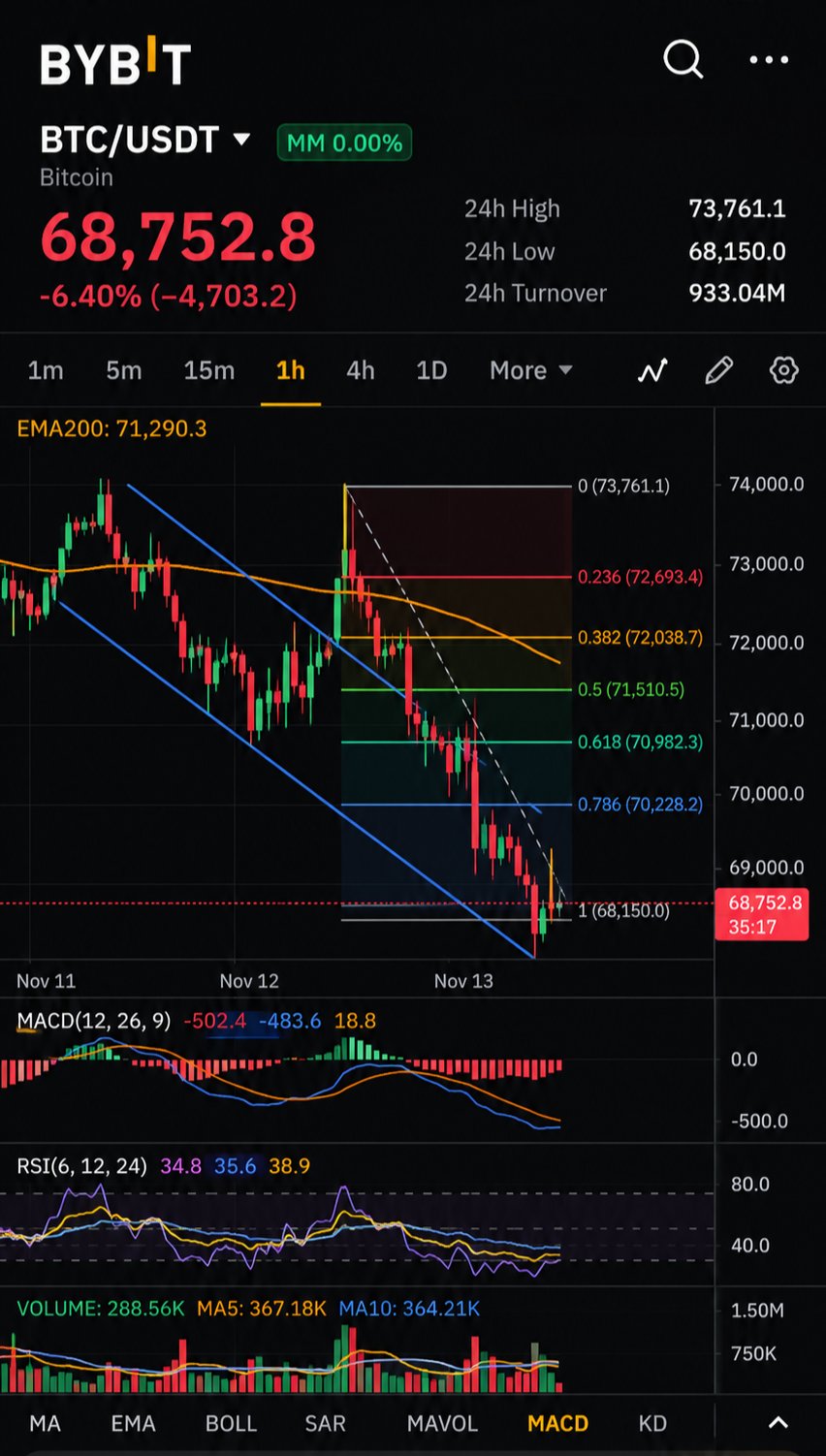
デジタルゴールドとして売られている資産が、1セッションで6.40%も下落して、その肩書きを守れるのだろうか? 画面には、USDTに対して68,752.8のビットコインが表示されており、6.40%の下落、ペアの横には933.04Mの数値がある。これ以上は私には確認できないため、以下の内容はすべて私の解釈であり、データに基づくものではない。 **理論が維持される部分** ビットコインの根拠はキャッシュフローではなく、その貨幣的性質にある。つまり、あらかじめ決められた発行スケジュール、中央発行体の不在、許可を必要としない決済だ。今日のローソク足一本でそれらが変わるわけではない。価格の動きはプロトコル上の出来事ではないからだ。 **矛盾点** 価値の保存というストーリーは長期的な安定性を約束しているが、同じ画面ではこのペアに10倍のレバレッジがタグ付けされている。この2つの事実は互いに相反するものだ。日々の価格形成の重要な部分は、長期的な信念を持つ保有者ではなく、レバレッジをかけた参加者によって決定されている可能性が高い。これほどの下落幅は強制決済と整合的だが、スクリーンショットだけでは確認できないため、あくまで仮説として扱ってほしい。 **需要** ビットコインには利回りも、手数料の分配も、自社株買いもない。その需要は貨幣的なものだ。人々がそれを保有するのは、将来他者もそれを価値あるものとみなすと期待しているからだ。そのため需要は再帰的になる。価格が下がれば、短期的な投資家にとっての魅力は薄れるが、確信を持つ投資家にとっては変わらない。その両者のギャップが、今回のような値動きを生み出している。 **強気派対弱気派** 強気派は、急激なドローダウンこそが弱い手から強い手へコインが移るプロセスであり、確信が試される時こそ希少性が重要になると主張する。一方、弱気派は、ストレス下でハイベータのリスク資産のように振る舞う資産をヘッジ資産として価格付けすることはできず、機関投資家もそれ相応の扱いをするだろうと主張する。 **重大なリスク** 相関関係だ。もしビットコインが流動性が引き締まるたびにリスク資産と連動して売られるのであれば、分散投資としてのメリットは、それが必要とされるまさにその瞬間に失われてしまう。スクリーンショット一つでは測れないが、これが最も重要な問いである。 **私の見解** 中立で、慌てる必要はない。プロトコルのファンダメンタルズは単一のセッションによって影響を受けるものではないが、ナラティブ(物語)の信頼性はこのような一日によって精査される。6.40%の下落を、どちらか一方の決定打と見なすことはない。 **次のマイルストーン** 注目すべきシグナルは行動面だ。売り圧力がすぐに回復するレバレッジ解消によるものなのか、それとも長期保有者による手放しなのか。前者であれば単なるノイズだが、後者であれば話は変わってくる。 ビットコインが真に貨幣的な資産であるならば、なぜいまだにレバレッジ資産のように取引されるのか、そしてそれが変わるには何が必要なのか? $BTCUSDT #IMPACTbyTrade
A decentralized exchange's token is being traded at 10x leverage on a centralized platform. That tension sits at the center of the HYPE debate. The screenshot shows HYPE at 71.842 USDT, up 0.48%, with 38.25M in the volume field. That is a quiet session and a price snapshot, not a thesis. Nothing visible confirms revenue, supply or on-chain activity, so I won't pretend otherwise. Hyperliquid is a trading venue built around perpetual futures, running on its own chain so matching and settlement live in one place. The pitch is exchange-grade execution without handing custody to a company. It is a real product with a clear customer: the leveraged trader. That is also the contradiction. The better the product serves traders, the more HYPE's value depends on trading appetite. Perp volume is cyclical. It expands when volatility is welcome and contracts when leverage gets punished. A token tied to that cycle inherits its reflexivity, however sound the technology. The sustainable demand case is that trading fees flow back to the token through buybacks or similar mechanisms rather than emissions. That is the line between organic and incentivized demand. I can't verify the size of those flows from this screen, so the point stays structural: the link between usage and token demand is what to audit, not the headline price. No circulating supply, unlock or distribution data is visible, so I'm leaving tokenomics out rather than guessing. Any token with scheduled insider supply still needs dilution as a standing line in the model. The bullish case is a venue that keeps its liquidity, converts fees into persistent buy pressure and eventually extends beyond one product line. The bearish case is volume migrating to a rival with cheaper execution or deeper books, or new supply outrunning fee-driven demand. The critical risk is concentration. If perpetuals lose share, there is no second engine to carry the token. My view: respect the product, stay skeptical of the narrative. The real question isn't whether Hyperliquid works. It's whether its revenue stays durable across a full leverage cycle. The milestone that would shift my thesis is evidence that fee-driven token demand holds through a low-volatility, low-volume stretch. If HYPE is ultimately a claim on trading fees, would you rather own the venue's growth or its resilience in a quiet market? $HYPEUSDT #IMPACTbyTrade