c
coinbureau
819いいね0シェア11ファン0フォロー
⚠️ALERT: Luxor Technology says some mining power from a little over a dozen client accounts was rerouted “without permission” via its Commander software. For a short period, affected machines were pointed to a different mining pool. Luxor says no data was leaked or stolen. The company says it patched Commander within two hours and has been switching impacted machines back to their original settings. Luxor says all affected clients will be fully compensated for the redirected mining power. Commander is now running normally, and Luxor says users don’t need to do anything. A full incident report is expected next.


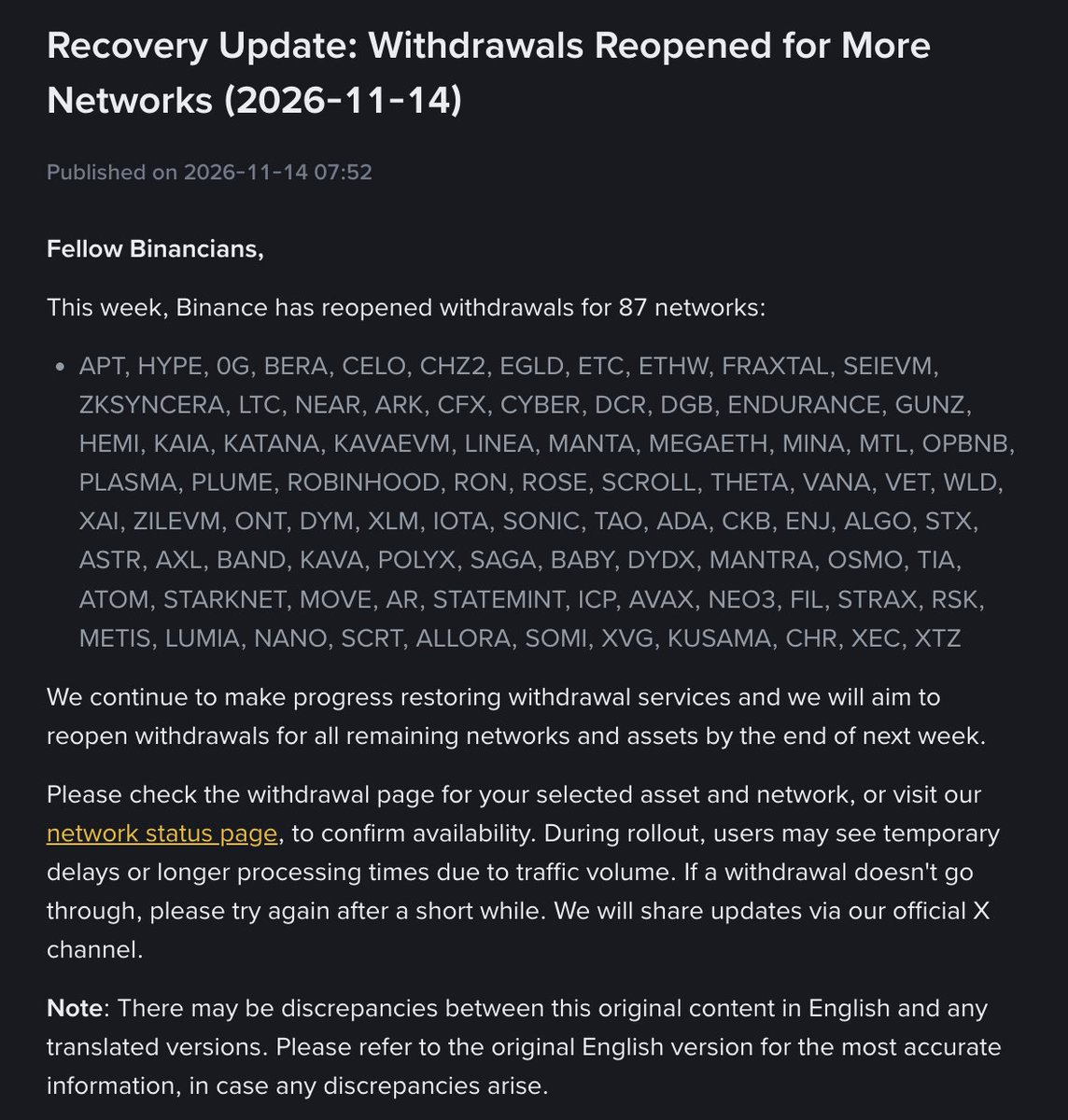
🚨UPDATE: Binance says it aims to reopen withdrawals for ALL ASSETS by the end of this week. Over the past week, Binance has brought withdrawals back on 87 networks, and expects to restore the remaining ones this week. Withdrawals are being turned back on step by step after Binance recovered about 95% of the stolen tokens from last month’s $6.3 BILLION hack.

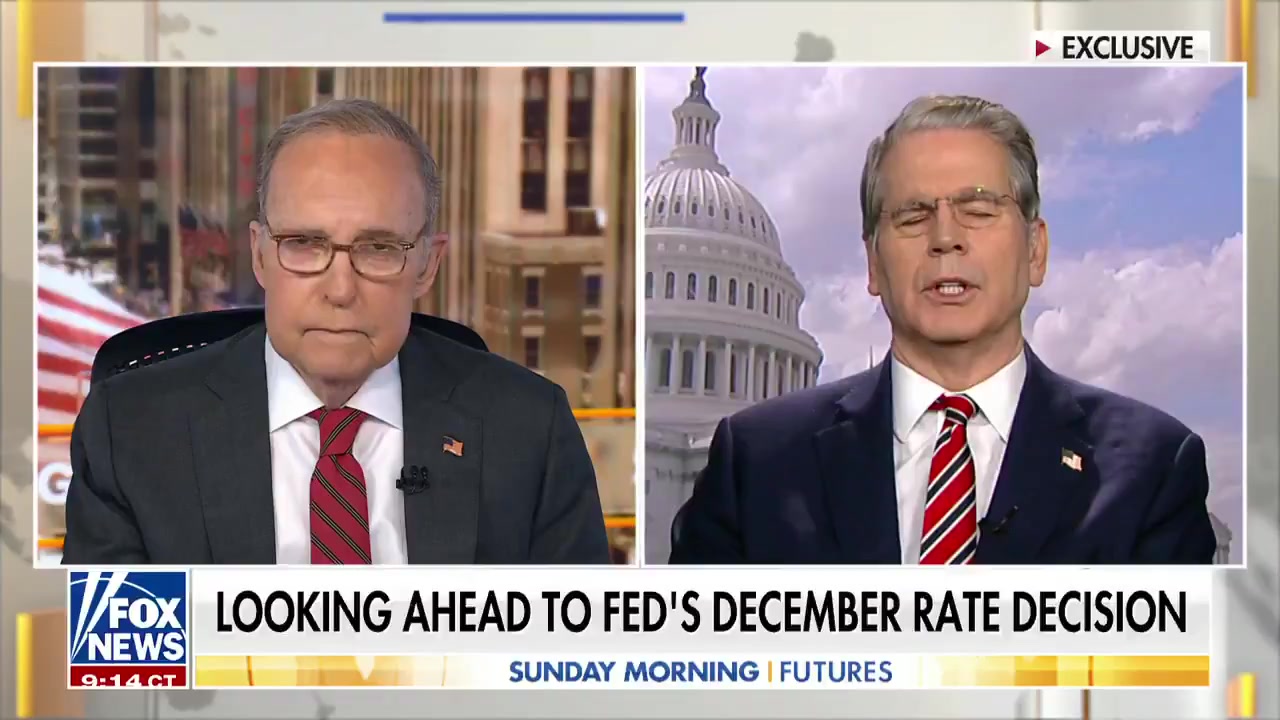
🔥LATEST: Treasury Secretary Scott Bessent says inflation could see a “big drop next month,” and he’s pushing the Fed to focus on what’s coming next as energy costs keep falling. He argues last month’s inflation print was largely driven by unusually high energy prices. Since then, oil is down about $20, gas is around $3.85 per gallon, and diesel prices have fallen roughly 10%.
🚨ALERT: Someone is reportedly trying to sell TSMC employee data for 3 BTC, and says they’ll dump it publicly if no one buys. TSMC says personal info tied to some current and former employees showed up online without authorization. The seller claims they have 46,000 records (about 6.9 GB), but TSMC hasn’t confirmed those numbers. So far, early checks don’t show TSMC’s own systems were hacked. The data appears connected to a third-party cloud provider, and it doesn’t involve manufacturing, operations, or customer details. $TSM is contacting impacted people and working with investigators.

🚨 JUST IN: Reuters reports Jensen Huang may have misled Nvidia’s top lawyer about his relationship with Alice Huang. According to the report, in two messages last month, Huang told Nvidia leadership—including general counsel Tim Teter—that his interactions with her were just normal business. Later, on November 8, he reportedly apologized for being unfaithful to his wife. Reuters also says Huang gave a similar explanation back in 2025 after a New York Times article raised questions about their meetings. He even floated taking legal action against the Times, but no lawsuit was ultimately filed. Newly verified photos reportedly show the two together as far back as December 2023. Beijing has denied claims that she is a spy, and that allegation remains unconfirmed.

🚨BIG WEEK: Nvidia ($NVDA) is reporting earnings for the first time without Jensen Huang, while Anthropic gears up for a massive IPO that could value it around $1.5T. November is shaping up very differently for two of AI’s biggest names — and this week is a milestone for both. **Tuesday: Nvidia earnings, first post-Jensen report** - Nvidia will post its first earnings update since Jensen Huang’s departure, with interim CEO Colette Kress at the helm. - Wall Street is looking for roughly **$109B** in revenue, slightly above Nvidia’s own **$108B** guidance. - Sentiment has cooled: at least **6 firms downgraded** the stock last Thursday, and Evercore reportedly slashed its price target to **$186 from $465**. - This will also be the first time Nvidia gives next-quarter guidance without Huang. Kress has pointed to about **70% revenue growth** next fiscal year. **Wednesday: Anthropic IPO, potentially historic** - Anthropic is expected to price what could be the **2nd largest IPO ever**, aiming to raise up to **$64.4B**. - Reports say the deal is about **6x oversubscribed**, and bankers are considering pricing that would put Anthropic at **$1.5T+** valuation. - On Hyperliquid, crypto traders are pricing **$ANT around $101**, roughly **30% above** the top end of the reported **$70–$78** range. **One more twist: Nvidia may also buy in** - Nvidia itself is reportedly set to put about **$10B** into Anthropic alongside the IPO. Between Nvidia’s first “post-Jensen” earnings and Anthropic’s potentially blockbuster debut, this week could turn into a major stress test for the AI trade.

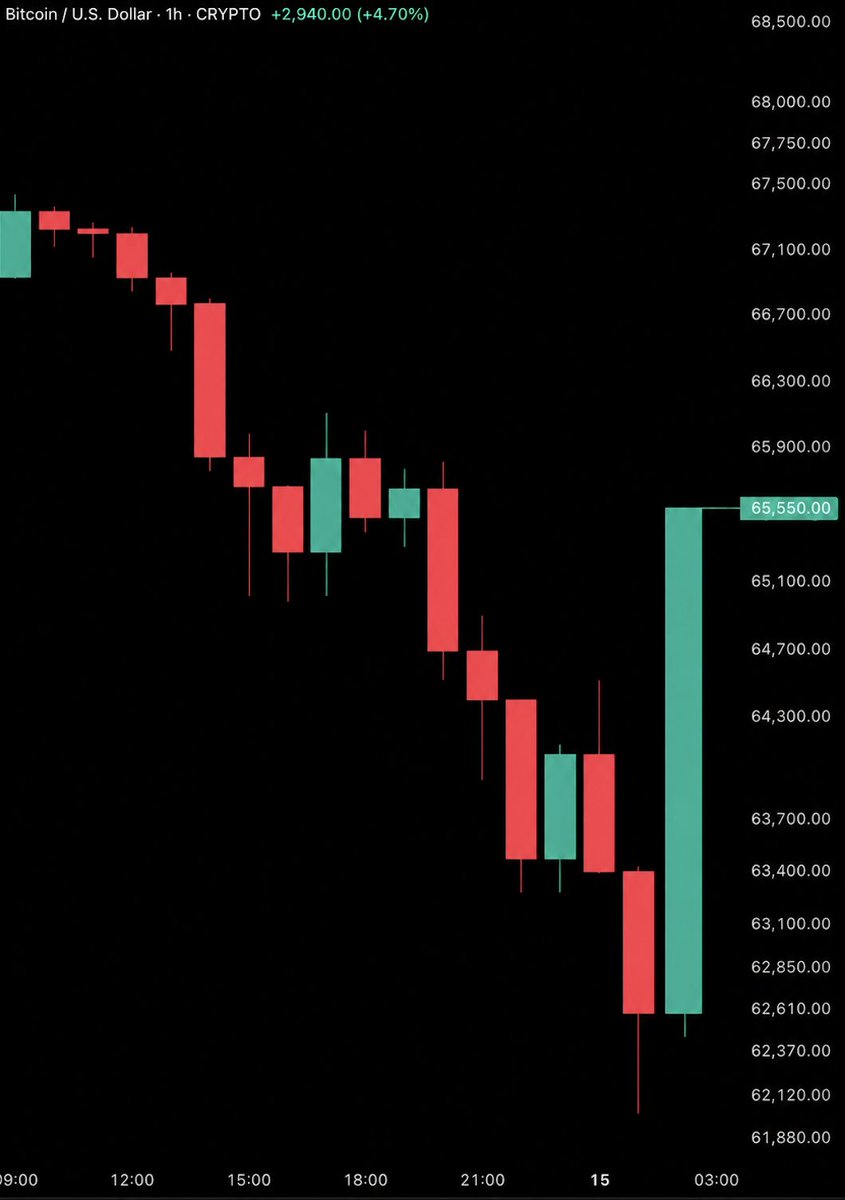
⚡️速報:6万2000ドル以下で買いが入り、ビットコインが6万5000ドル台を回復しました。 NFP(米雇用統計)とは、米国の労働市場の強さを示す月次レポートのことです。 今回は予想を上回る/下回る結果となりましたが、これは重要です。なぜなら、FRBは金利を高く維持するか、利下げを開始するかを判断する際に雇用統計を注視しているからです。 なぜこれがBTCを動かすのか?金利見通しが変化する → ドルと利回りが動く → リスク選好度が変わる → 暗号資産が即座に反応する、という流れだからです。 現時点で、この反発により5193万ドル相当のショートポジションが清算されました。 6万2000ドル割れが底だったのか?その可能性もありますが、次は次回の雇用統計、インフレデータ、そしてFRB高官たちが最初の利下げについてどのようなシグナルを送るかに注目しましょう。
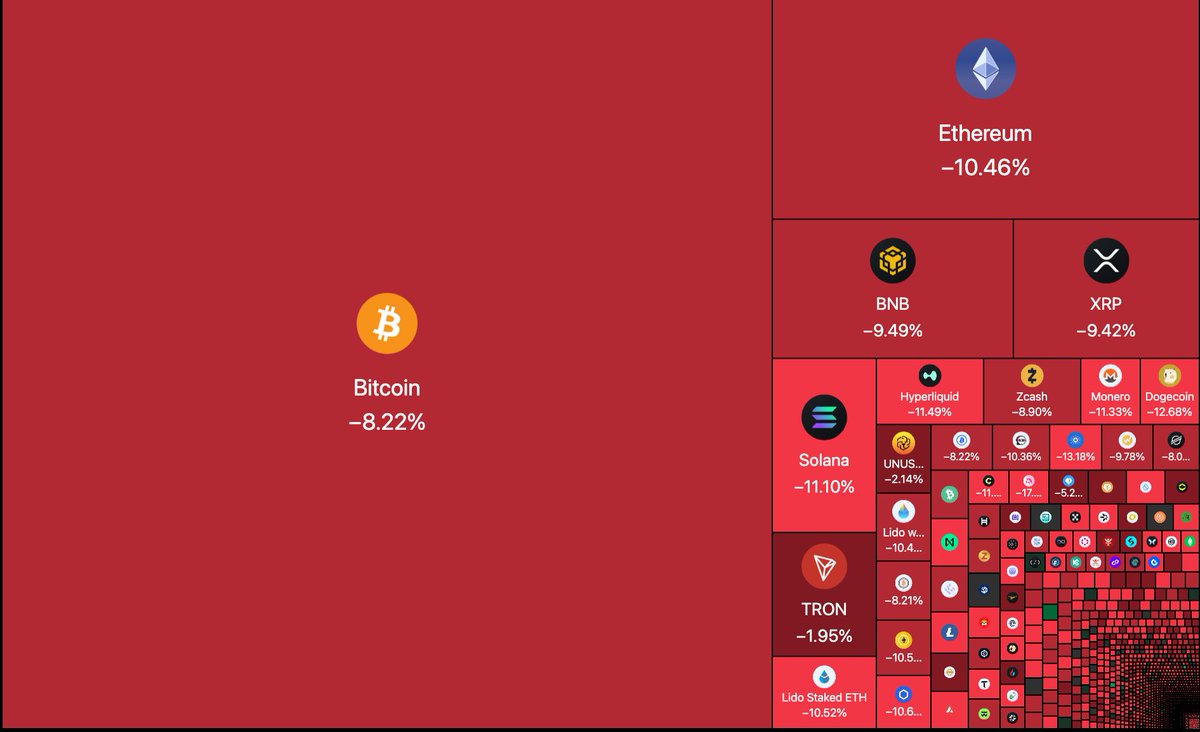
About $600B was wiped off crypto’s total market cap over the last day. At the worst point, the market briefly dipped to around $2T — roughly an 8% drop in 24 hours. That puts crypto about 26% below the ~$2.8T level seen back in October. Liquidations also spiked: more than $2B got forced out in a day, and roughly 93% of that was longs getting hit.
🚨BIG NEWS: Bitcoin miner MARA sold 40,581 $BTC (about $3B) in 2026 to pay down debt and put money into its AI buildout. MARA started the year holding 53,822 $BTC. Here’s how the selling broke down: 1) Jan–Mar: Sold 20,880 BTC at ~$70,137 on average. Included 15,133 BTC used to wipe out $1B in convertible notes. 2) Apr–Jun: Sold 2,213 BTC. 3) Jul–Sep: Sold 3,891 BTC at ~$75,300 on average. 4) Oct 1–Nov 9: Sold 13,597 BTC at ~$81,039 on average. From that last chunk, $750M went to repay loans MARA had taken out against its bitcoin to fund Long Ridge (a 505 MW power plant). Overall, MARA cut total debt by $1.4B this year — a 37% reduction. MARA also says it plans to keep “turning bitcoin into cash” to fund AI infrastructure. BTC is now around $64,000, roughly 20% below MARA’s most recent selling price.


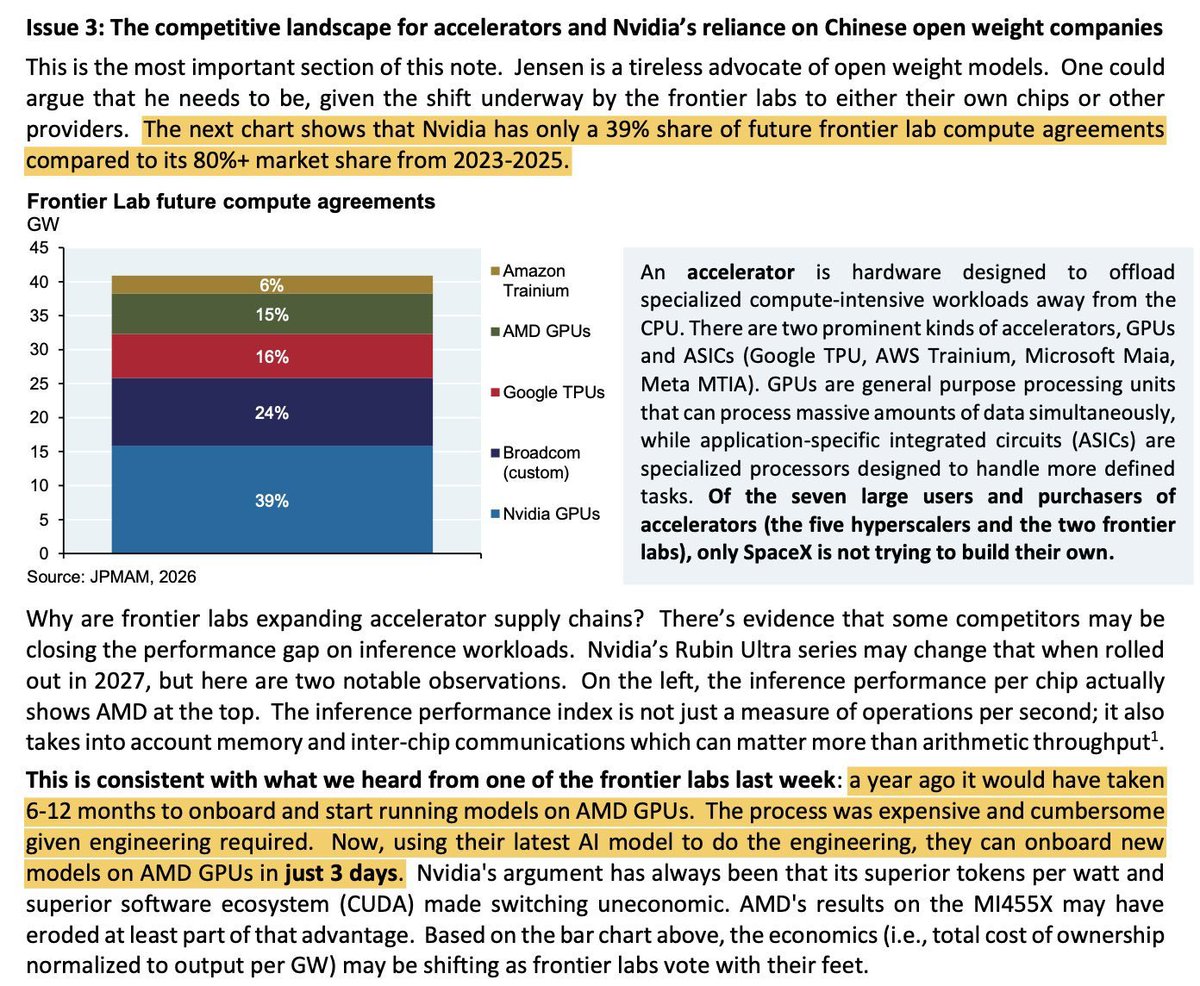
Nvidia may be starting to lose its stranglehold on the biggest AI labs. A JPMorgan note says Nvidia now accounts for about 39% of upcoming “frontier” AI lab compute deals — a big step down from the 80%+ share it dominated with from 2023 through 2025. What’s changing? One frontier lab claims it can move its models over to AMD chips in about 3 days now. Not long ago, that kind of switch could take 6–12 months. Their explanation is simple: their own AI is doing a lot of the engineering work that used to slow everything down. The note hit just two days after Jensen Huang stepped down as CEO on November 12. Where the rest of the deals are going, per JPMorgan: - Broadcom custom chips: 24% - Google TPUs: 16% - AMD: 15% - Amazon Trainium: 6% A few other points from the same write-up: - Among the seven biggest AI chip buyers, JPMorgan says only SpaceX isn’t trying to build its own chips. - Over the last three quarters, Nvidia used 58% of its operating cash flow on equity investments and acquisitions. - Off-balance-sheet obligations reportedly surged from $214B to $422B in a single quarter. - Analysts are getting more cautious: Baird cut its price target from $500 to $200, and Evercore from $413 to $186. Even so, JPMorgan’s Michael Cembalest isn’t calling it dead money — he says Nvidia “looks interesting for long term holders,” especially with the stock sitting about 32% below its all-time high.
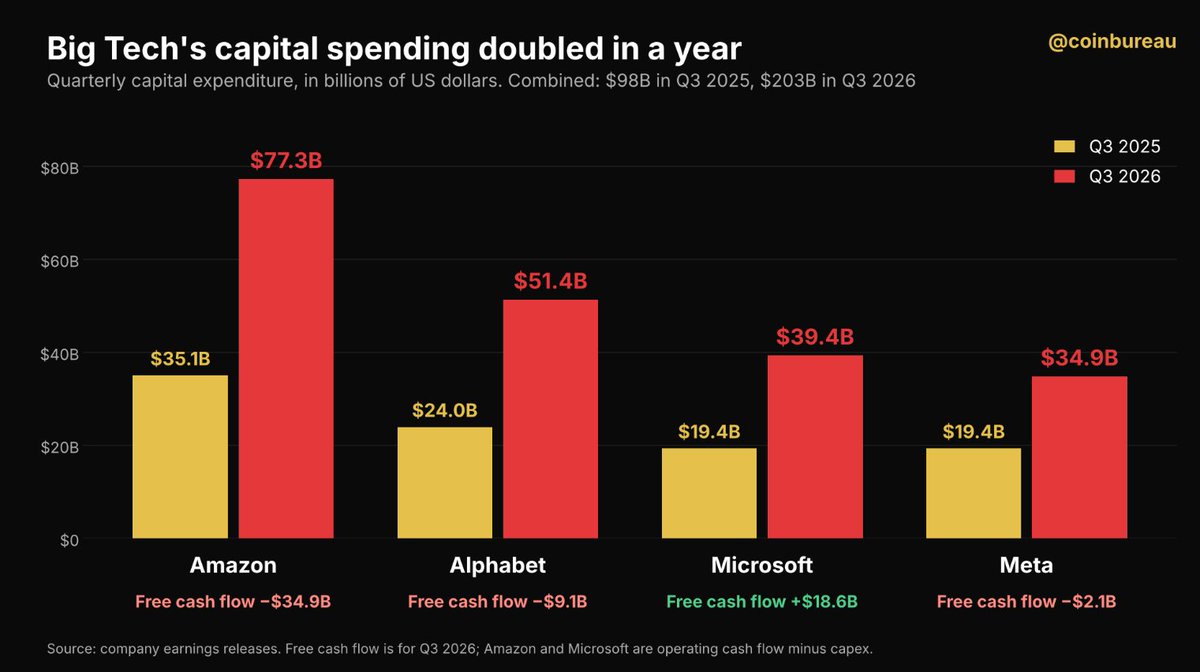
Big Tech’s spending is starting to look… intense. Last quarter, Amazon, Alphabet, Meta, and Microsoft poured **$203B** into capex—**more than the $175B** their businesses brought in. A year ago, the same four spent **$98B**. Free cash flow last quarter: - **Amazon:** -$34.9B - **Alphabet:** -$9.1B - **Meta:** -$2.1B - **Microsoft:** +$18.6B Combined, they swung from roughly **+$61B** in free cash flow to about **-$27B**. Alphabet is the standout here: before this year, it had **never** reported negative free cash flow in its **22 years** as a public company—now it’s done it **two quarters in a row**. So where did **$203B in three months** actually go? Mostly into the all-out push to build **AI capacity**. Amazon says its cash outflow “primarily reflects investments in artificial intelligence.” Alphabet breaks it down as roughly **65%** for servers and networking gear, and **35%** for the data centers to house it all. Why would four of the richest companies on the planet spend more than they’re generating? Because demand for AI compute is coming in faster than they can build. - Google Cloud revenue jumped to **$30.7B**. - Amazon’s cloud business grew **39%** to **$46B**, and Andy Jassy is talking about **40%+** growth even into **2027 and 2028**. - Alphabet’s cloud backlog is **$561B**. For three of the four, operating cash no longer covers the buildout—so they’re **borrowing** to keep going. - Amazon raised **$48.1B** in debt in the quarter. - Alphabet issued **$28.7B** in bonds and sold **$12.4B** in new shares. And they’re not easing off: - Amazon is targeting about **$220B** of capex this year - Alphabet up to **$205B** - Meta up to **$145B** The bet is straightforward: **spend aggressively now, make it back later through AI**. Whether that bet actually pays off is still an open question.
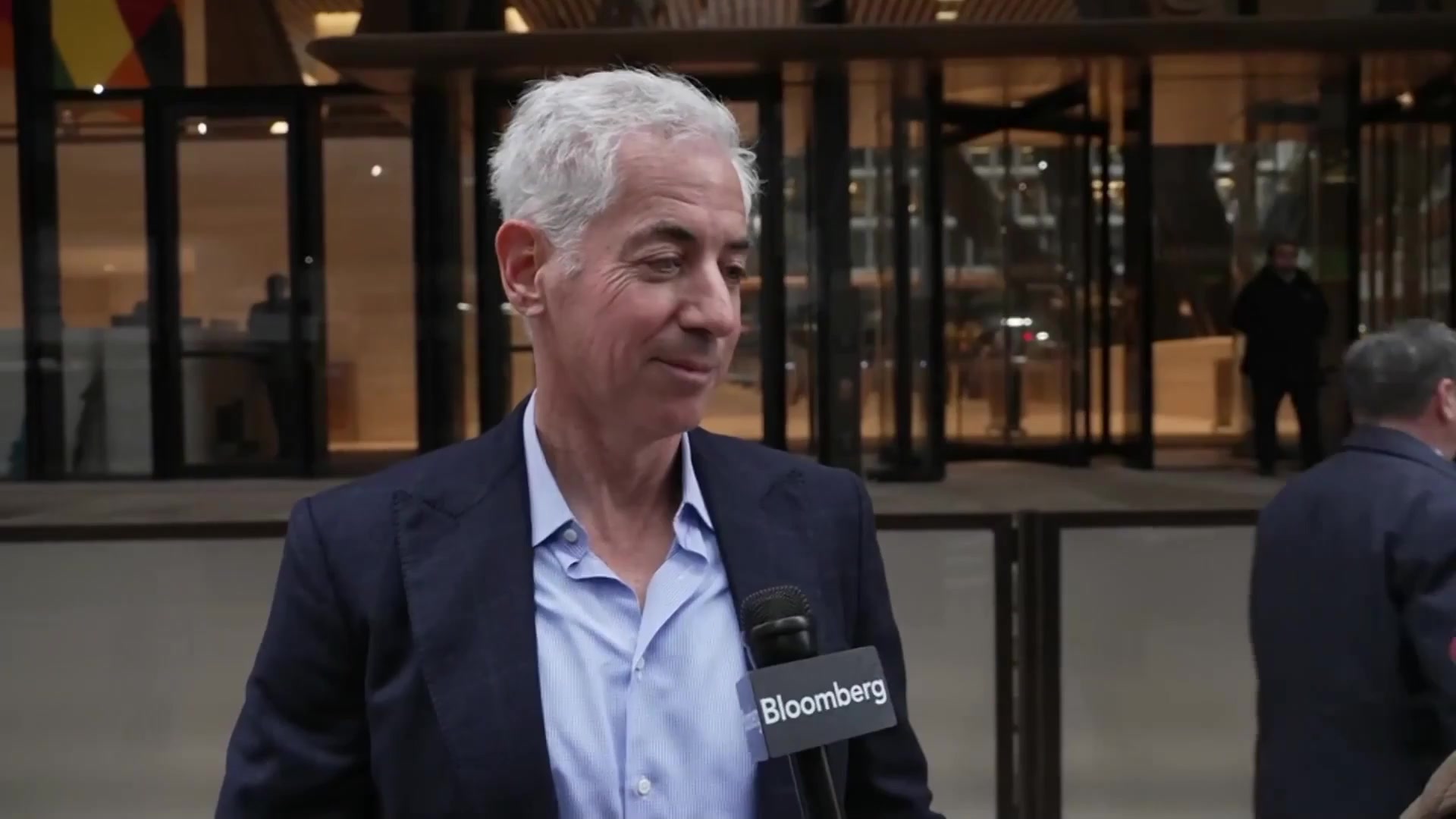
Bill Ackman thinks Nvidia would be fine even if Jensen Huang weren’t there—pointing to Apple as the obvious example of a company that kept thriving after losing an iconic CEO. Speaking as Pershing Square’s CEO, Ackman said he’d be genuinely sad to see Huang step away, but he doesn’t see it as an existential risk for the business. In his view, great companies don’t hinge on one person: “Apple had an iconic CEO and the company did pretty well after.”
🇩🇪 BIG: Germany’s parliament has passed a bill that would let customs seize crypto worth more than €100,000 even if there’s no criminal case. Under the proposal, customs could hold Bitcoin and other crypto for up to 30 days if the source of funds isn’t clear. A finance court could then extend the hold by another 150 days. This isn’t an automatic grab just because the balance is large — authorities would still need concrete indications the assets may come from illegal activity. The bill still needs sign-off from the Bundesrat (Germany’s state chamber). If it clears that, it would take effect on January 1, 2027.


BREAKING: Meta ($META) hit with an €805,000,000 fine after Facebook accessed photos on 20 MILLION Android phones without user consent. Here’s what happened: the Facebook Android app could access photos, videos, and related info stored in users’ phone galleries. Since 2023, a feature would suggest images from your gallery as “posting ideas” while you were browsing. Regulators are giving Meta 60 days to switch this access OFF by default — even for users who previously opted in. The penalty equals roughly 0.47% of Meta’s global revenue.


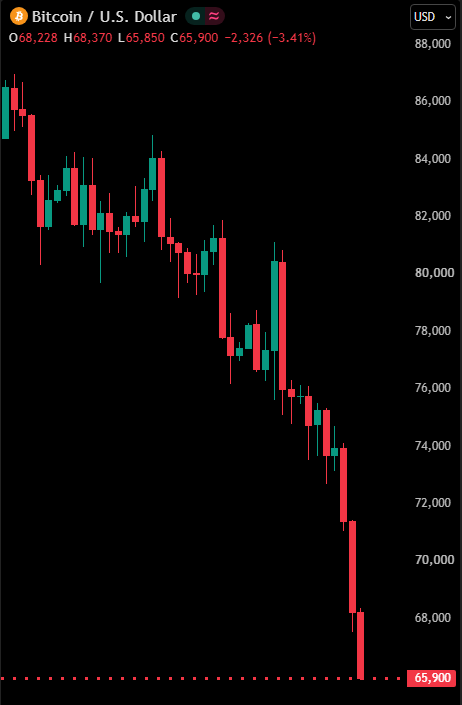
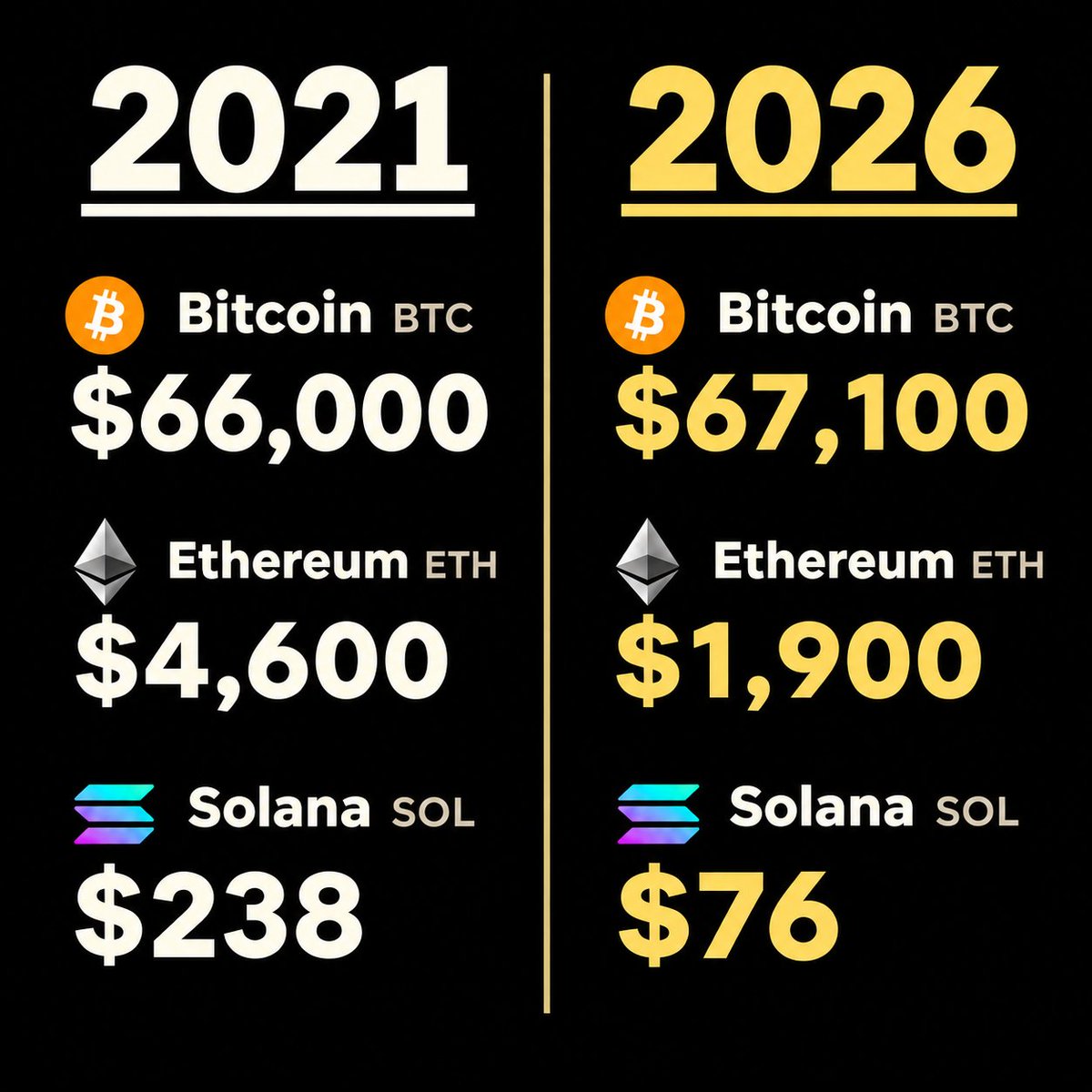
Bitcoin just slid to around $66,000 — that’s roughly a 12% drop over the past week. For context, it’s now trading about 48% below the all-time high it hit last October. Total market cap has cooled to roughly $1.33 trillion, while open perpetual futures positions are still huge at about $40.8 billion — meaning there’s a lot of leveraged risk still sitting in the system.

NFP是什么?就是每个月美国公布的一份“非农就业”数据,用来看看就业市场到底热不热。 这次是超预期还是低预期?目前还没到数据公布的时间,但市场通常会提前根据各种消息和预期来押注。 Fed为什么关注?因为就业太火,工资和消费可能更强,通胀更难降;就业走弱则相反,会让降息空间变大。 为什么会影响BTC?因为非农会影响“利率预期”和美元流动性:偏强的数据往往让市场觉得利率会更高更久,风险资产(包括BTC)更容易承压;偏弱的数据则可能让市场更敢买风险。 下一步看什么?重点盯非农公布后的“市场怎么解读”:利率预期怎么变、美元和美债收益率怎么走,以及BTC是否跟随风险偏好一起波动。

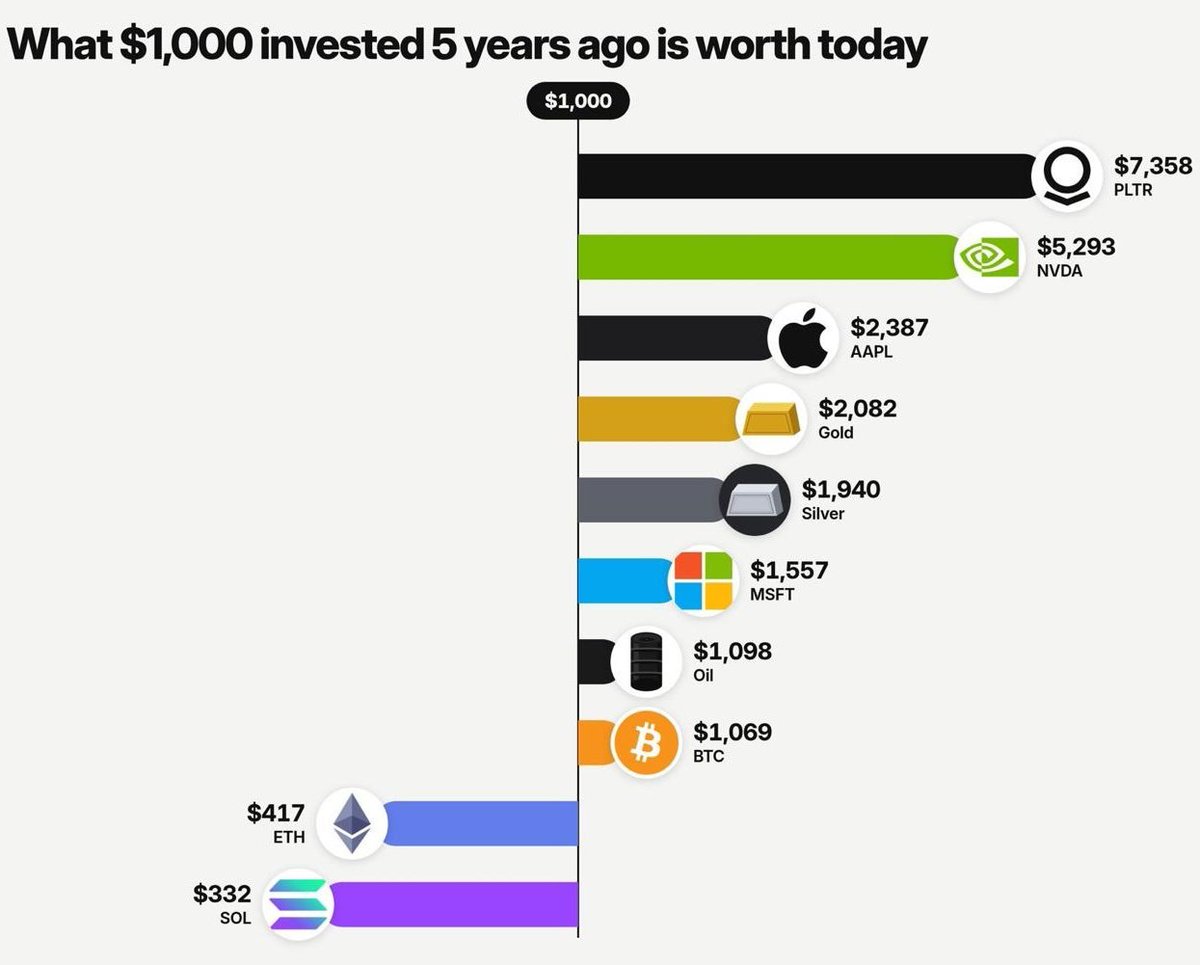
If you put $1,000 into crypto five years ago, here’s what it looks like today: - Bitcoin: ~$1,020 - Ethereum: ~$417 - Solana: ~$332 Five years on, US blue-chip stocks are still printing fresh all-time highs, and crypto… just feels like it’s been through the oven.
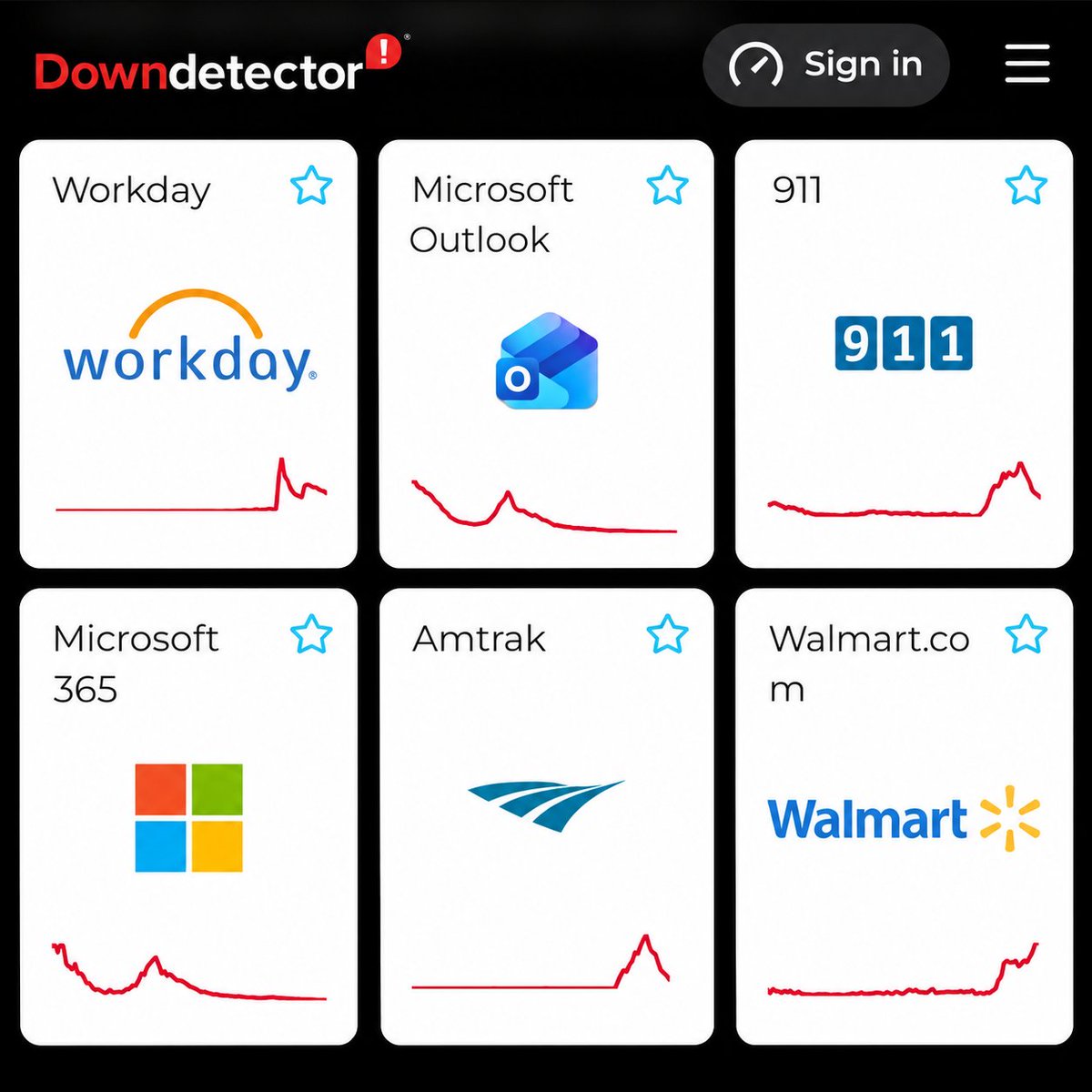
🚨Is the U.S. under attack? A fresh wave of outages is hitting big-name companies like Walmart, Target, Chipotle, Skechers, and others—reportedly locking employees out of key HR tools. The common thread: Workday, the platform many employers use for payroll and HR. With Workday experiencing major disruptions, millions of workers have struggled to access pay details, clock-in systems, leave requests, and benefits info. Workday says the problem started during testing of its backup systems, which left some data in an “inconsistent state.” This isn’t a small footprint, either—Workday is used by over 11,500 organizations, including large corporations and public institutions. Email. Flights. And now payroll/HR. What’s making people uneasy is the timing. Over just a few days: - Microsoft suffered one of its biggest outages in recent years - The FAA issued a nationwide ground stop, delaying or canceling more than 7,000 flights—only the second such event since 9/11 - Now HR and payroll access is getting disrupted at scale Put together, it’s easy to see why some are calling it a coordinated cyberattack. That said, the companies involved say there’s no sign of a cyberattack, and the U.S. government says these incidents aren’t linked. Still, the speed and size of these disruptions are raising a bigger question: how ready is critical infrastructure when things start breaking all at once—especially after months of warnings about “emergency preparedness”?

🚨BREAKING: OpenAI has shut down its robotics team—just five months after bringing it back. Robotics researchers are being folded into the company’s main AI lab. OpenAI told Fortune that GPT-6 Astra can already handle robot control for certain tasks, so the work is continuing under the core AI group. The shift follows the resignation of robotics lead Caitlin Kalinowski, who objected to how quickly OpenAI moved on its Pentagon deal. She said areas like domestic surveillance and robots making lethal choices without human authorization needed tougher scrutiny. “This was about principle, not people,” she said.