Q
QCompounding
681いいね0シェア10ファン0フォロー
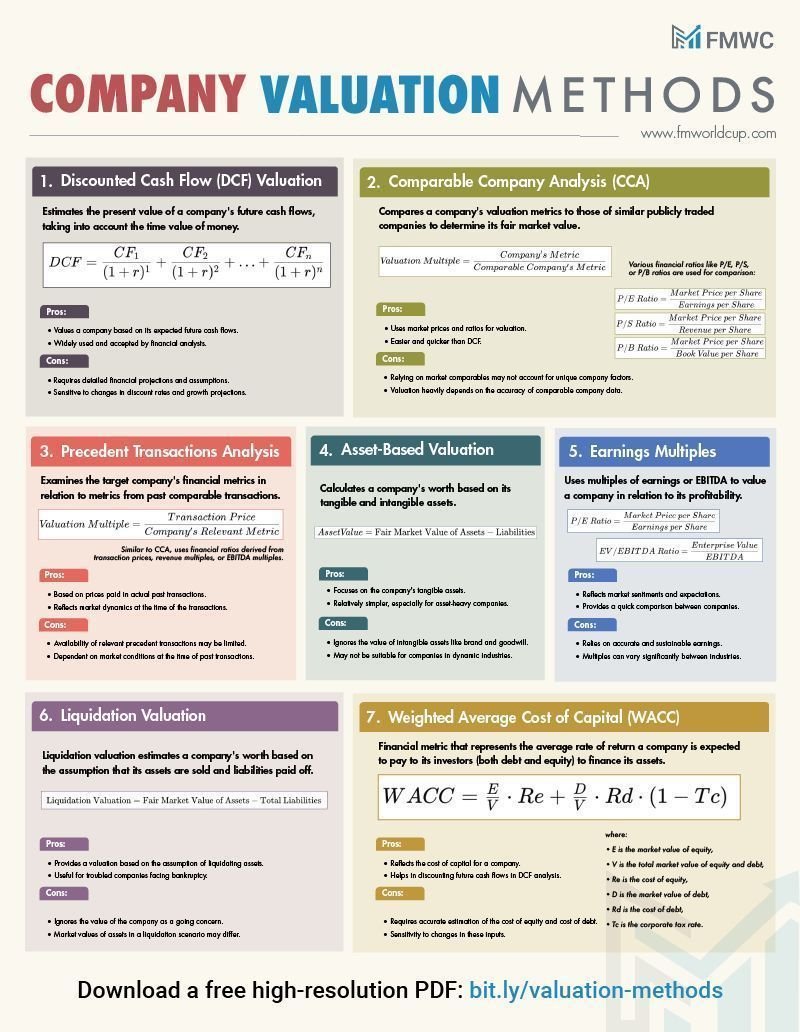
There are 7 ways to value a company. Every investor should have at least one of them in their toolkit 👇🏻
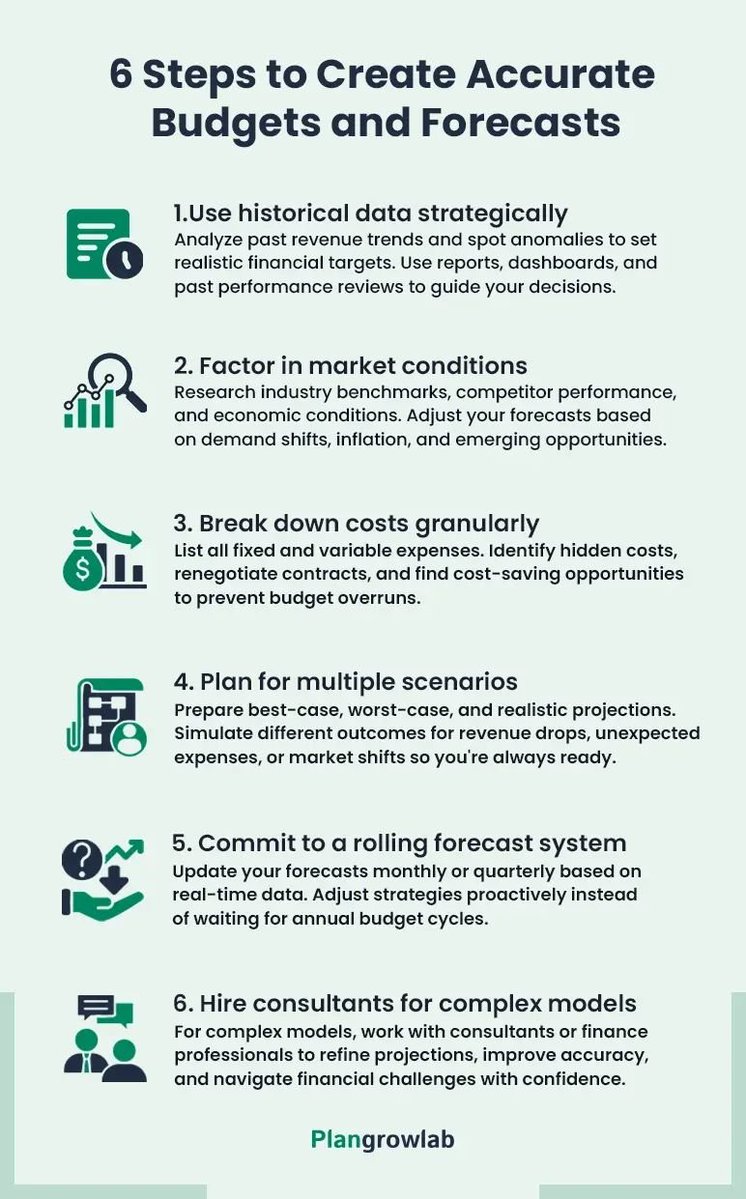
3. Budgeting and Forecasting Using what’s already happened to map out what the future might look like. You won’t get it right every time—but having grounded, realistic estimates behind your choices usually leads to better decisions.
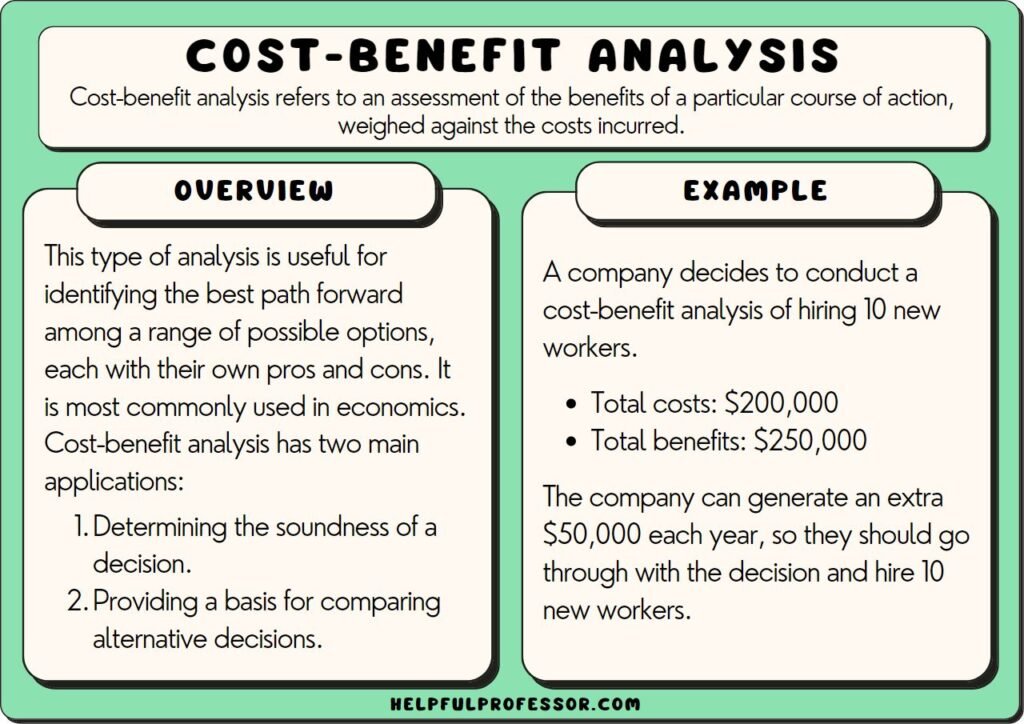
4. Cost Analysis A structured way to list, monitor, and review every cost connected to a project, product, or personal choice, so you can judge whether what you’re paying really lines up with what you’re getting.
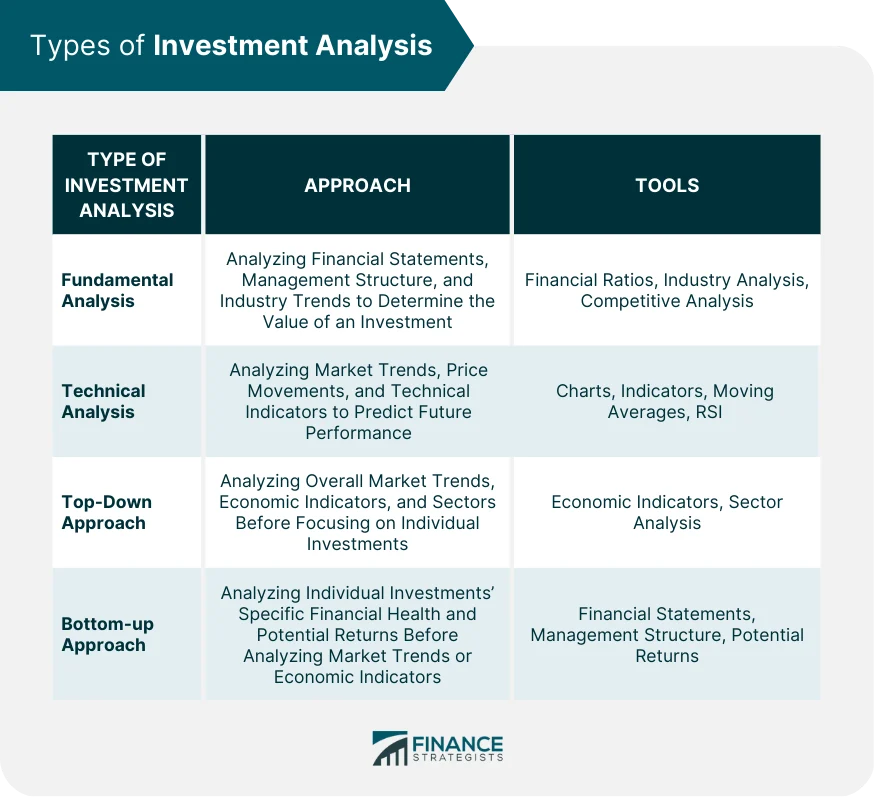
5. Investment Analysis(在你掏出一分钱之前先做这步): 先把投入和可能拿到的回报摆在一起对比清楚。 一个很实用的判断标准:如果你没法用几句话讲明白这笔投资为什么大概率能赚钱,那就先别投。
6. Storytelling & Communication Numbers rarely change anyone’s mind. But tell a story that hits home, and you can get millions to move.

“The one who keeps flipping over the most rocks is the one who wins. That’s been my philosophy all along.”
“The biggest mistake you can make is putting money into businesses you don’t understand. Sadly, plenty of Americans still treat stock picking without a clue like a favorite hobby.” - Peter Lynch
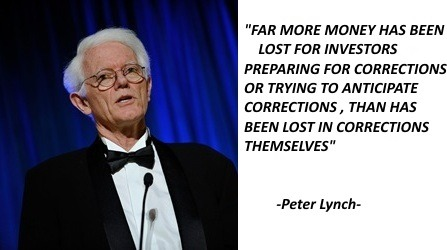
"Investors have ended up losing a lot more money bracing for pullbacks—or trying to call them in advance—than they ever did from the pullbacks themselves." - Peter Lynch
“Anyone can be smart enough to make money in the stock market. The real challenge is having the nerve to stick with it.”
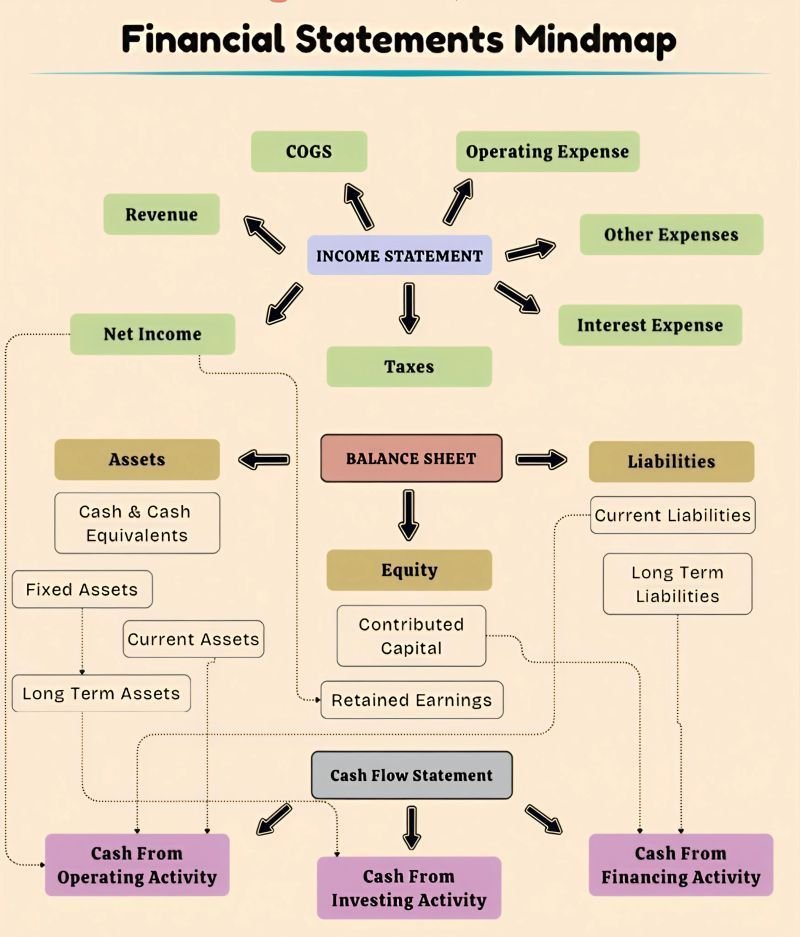
Financial Statements Mindmap See how the 3 core statements tie together at a glance Grab this free doc, save it, and dive in 👇
8. Time the market Trying to call the exact top or bottom is almost a fool’s errand. Most of the time, you’re better off just staying invested.
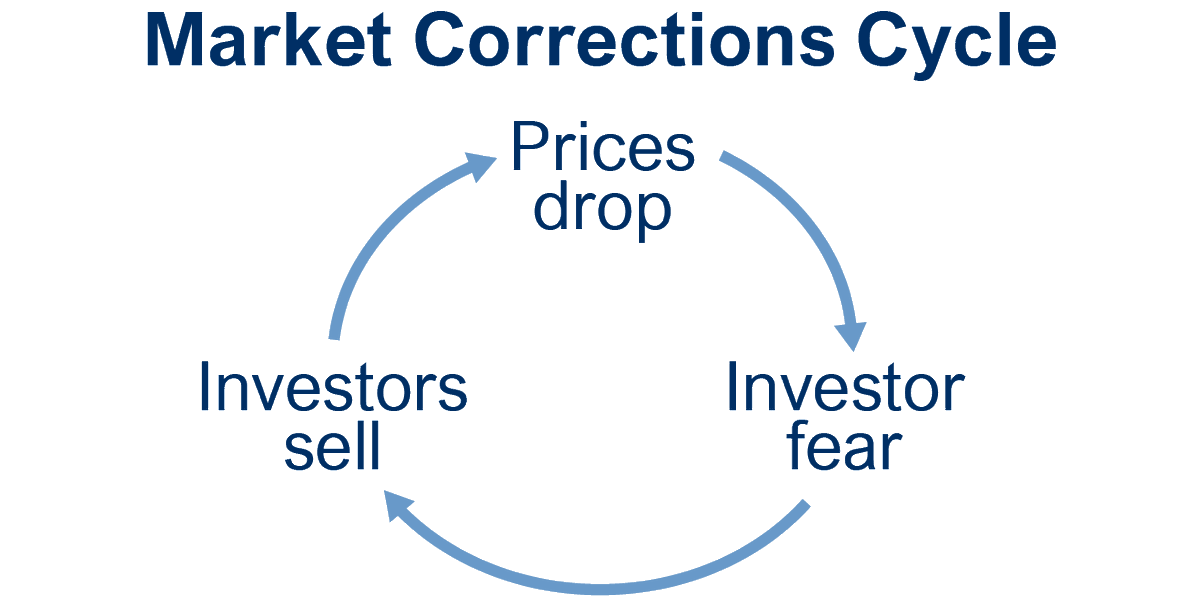
9. Panic during market drops Dumping your holdings the moment prices slide just turns a temporary dip into a real loss. If you’re in it for the long haul, the edge comes from keeping your head, staying patient, and letting time do the heavy lifting.
10. Don’t cling to your losers Waiting around for a bad stock to “come back” can quietly drain your time and capital. Sometimes the smarter move is to take the hit, cut it loose, and redeploy into higher-quality compounders.

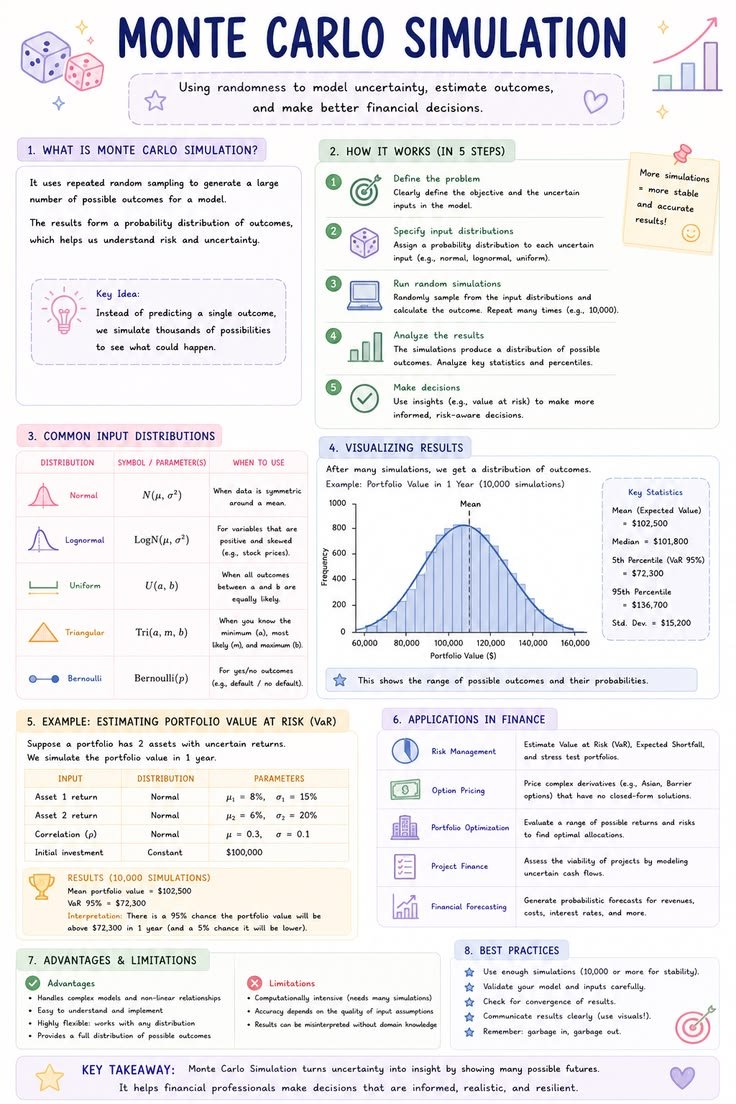
Ever heard of a Monte Carlo simulation? If you invest, it’s worth knowing how to use one. I put together a free PDF that walks through the basics 👇🏻