Michael
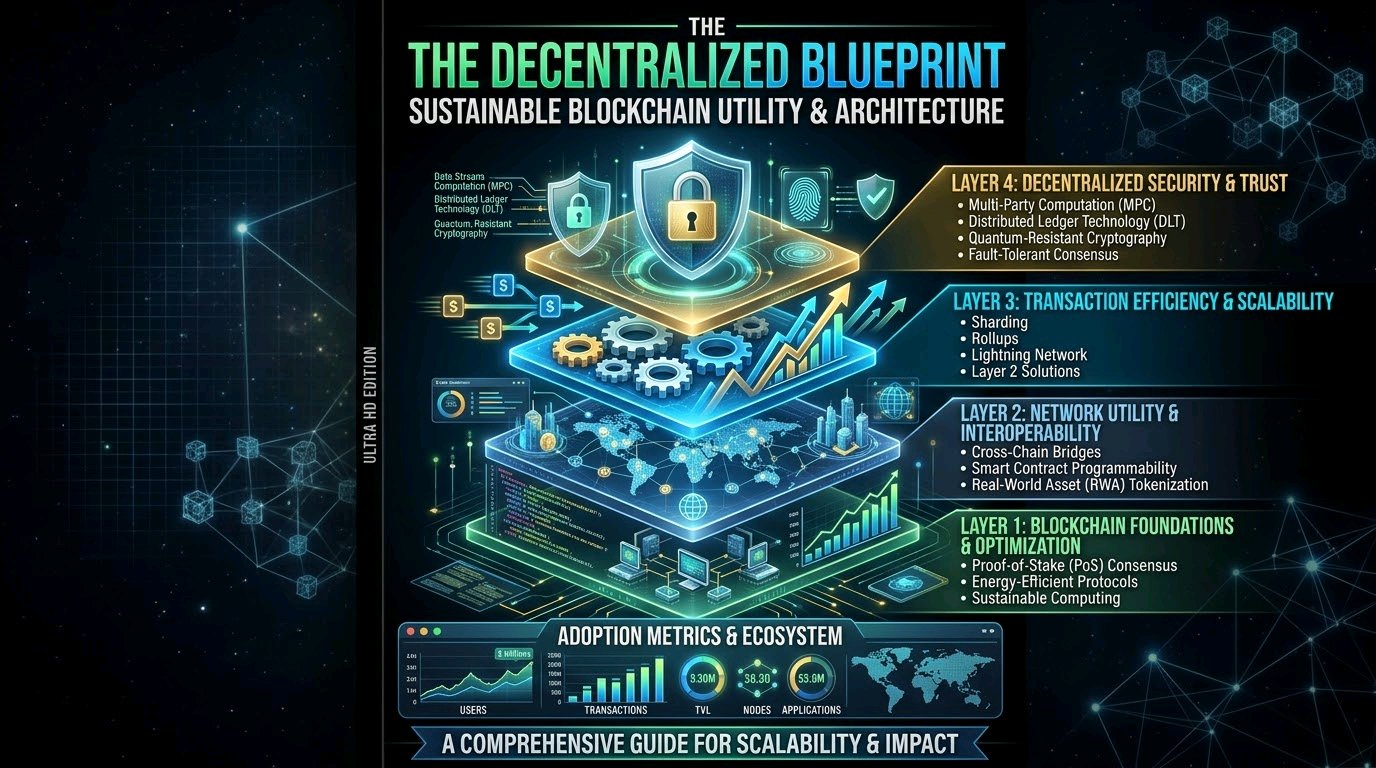
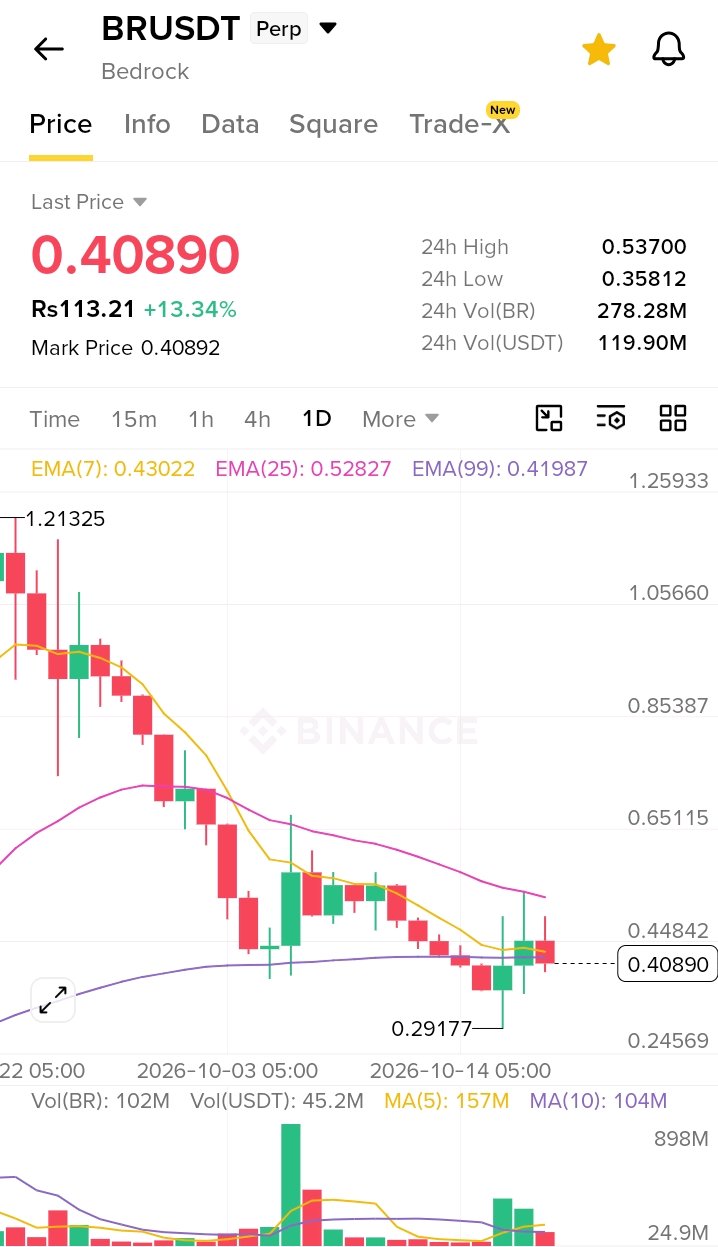
I've been looking at BR and thinking about a question that matters more than short-term market attention: what makes a blockchain project useful after the initial interest fades? For any Web3 protocol, the real test is how its architecture handles security, transaction costs, network reliability, and actual user demand. A strong design should solve a specific problem rather than simply add another token to the ecosystem. One thing I always look for is whether a project's technology creates a clear reason for developers and users to stay. Good infrastructure needs more than technical features. It also needs reliable execution, sustainable incentives, and enough adoption to justify its complexity. Of course, without understanding BR's specific architecture and usage data, it's difficult to judge its long-term technical value. What evidence would convince you that BR is building lasting utility rather than attracting temporary attention?$BRUSDT $BTCUSDT #TSLATookOffLiterally #ByXIMPACT
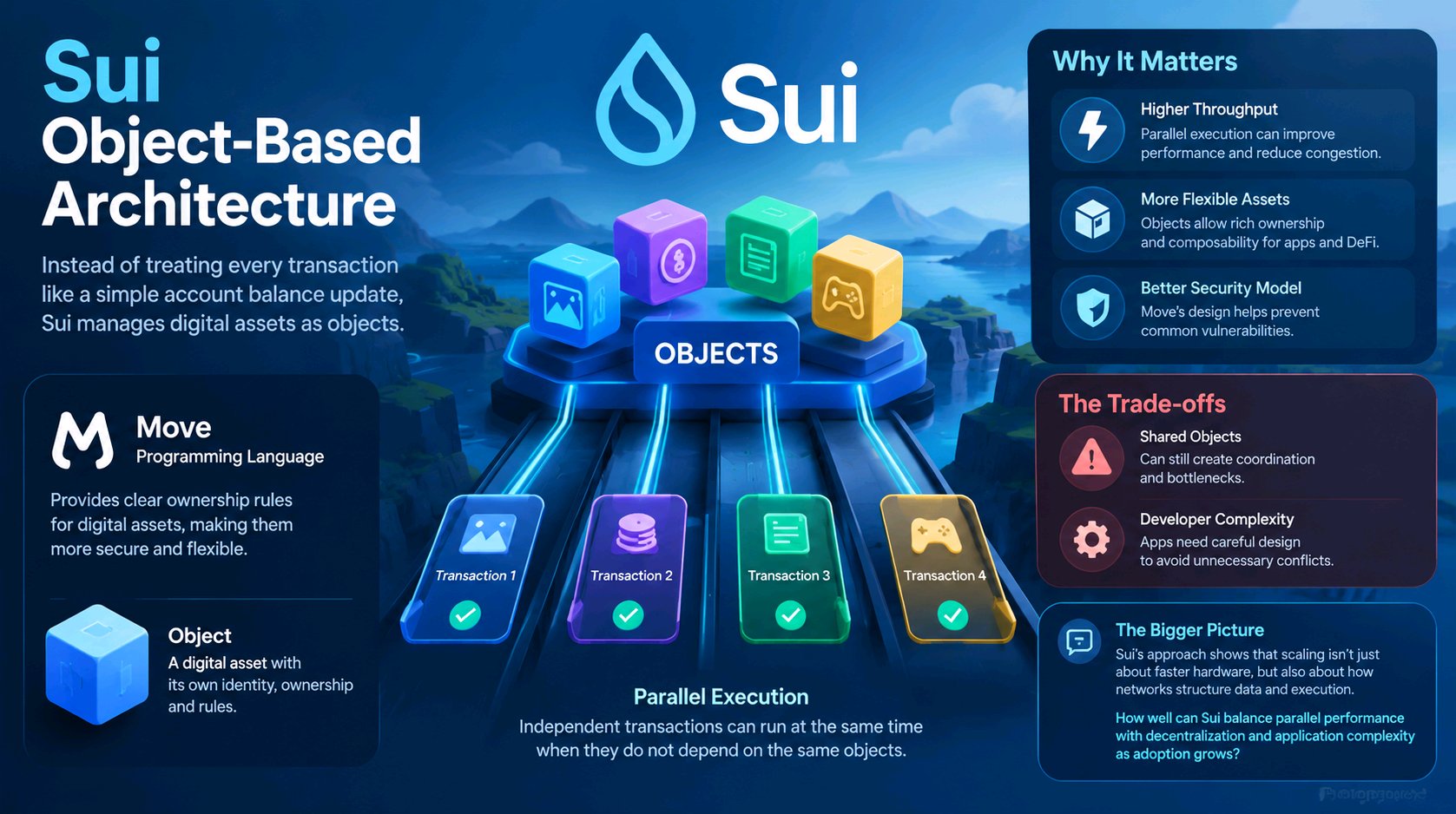
I've been looking at Sui, and one design choice that stands out is how it manages assets as objects rather than treating every transaction like a simple account balance update. Built with the Move programming language, Sui gives digital assets clear ownership rules. This allows independent transactions to run in parallel when they do not depend on the same objects. In practice, that can improve throughput without forcing every transaction through one sequential execution path. The interesting part is the trade-off. Parallel execution works best when transactions are independent. Shared objects can still create coordination demands, and developers must carefully design applications to avoid unnecessary bottlenecks. I think this reflects a broader shift in blockchain design: scaling is not just about faster hardware, but also about how networks structure data and execution. How well can Sui balance parallel performance with decentralization and application complexity as adoption grows?$SUIUSDT $BTCUSDT #TSLATookOffLiterally #ByXIMPACT
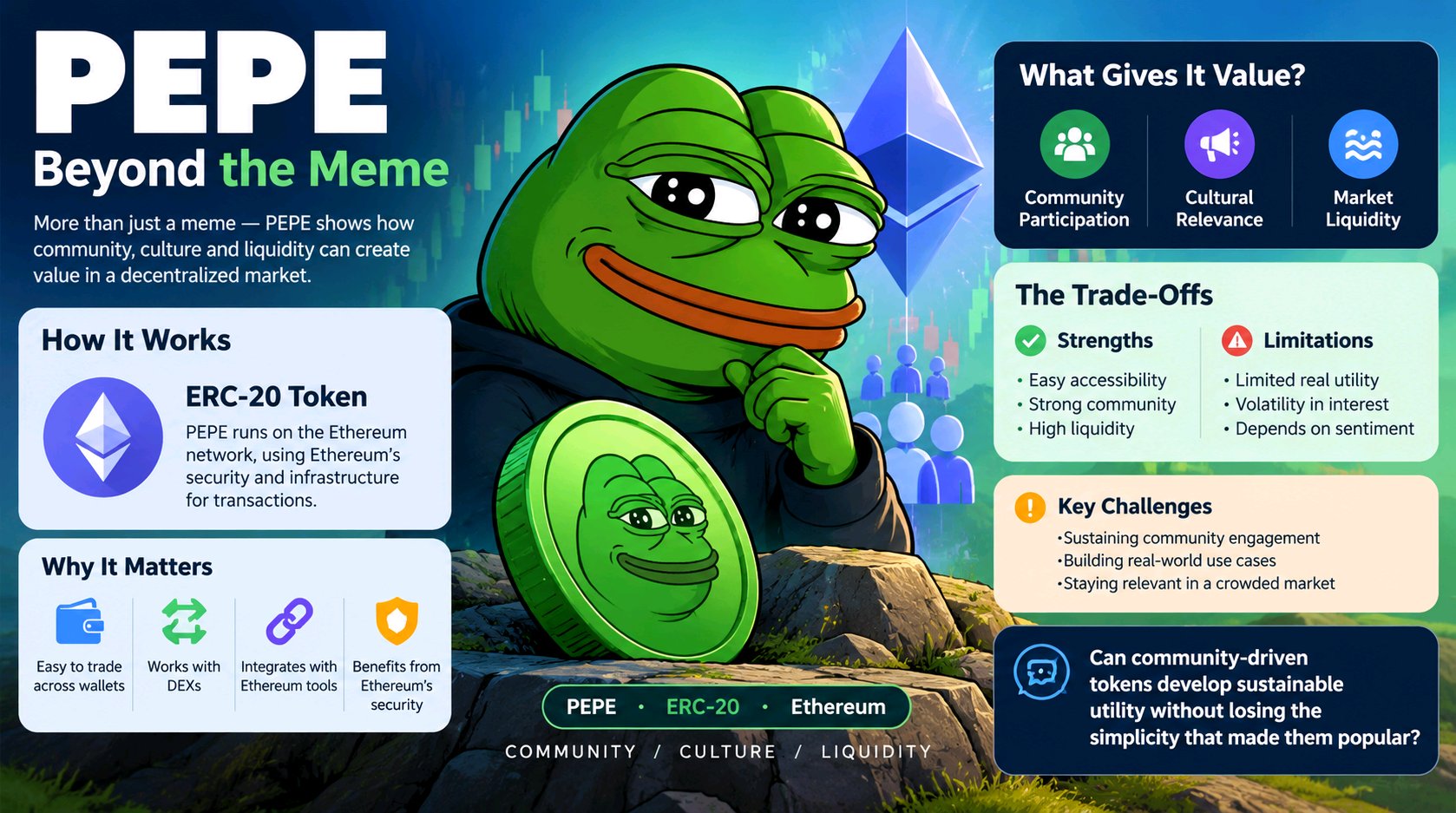
I've been looking at PEPE from a different angle lately. Beyond the memes and online attention, it raises an interesting question about what actually gives a token value in a decentralized market. PEPE operates as an ERC-20 token on Ethereum, meaning it relies on Ethereum's network for transaction processing and security rather than running its own blockchain. This makes it easier to trade through existing wallets, decentralized exchanges, and other Ethereum-based tools. However, technical accessibility does not automatically create lasting utility. PEPE's strength is largely tied to community participation, cultural relevance, and market liquidity. These factors can attract users, but they can also change quickly. Unlike protocols built around lending or infrastructure, a meme token may offer limited functionality beyond trading and community engagement. As Web3 evolves, can community-driven tokens develop sustainable utility without losing the simplicity that made them popular?#TSLATookOffLiterally #ByXIMPACT $PEPEUSDT
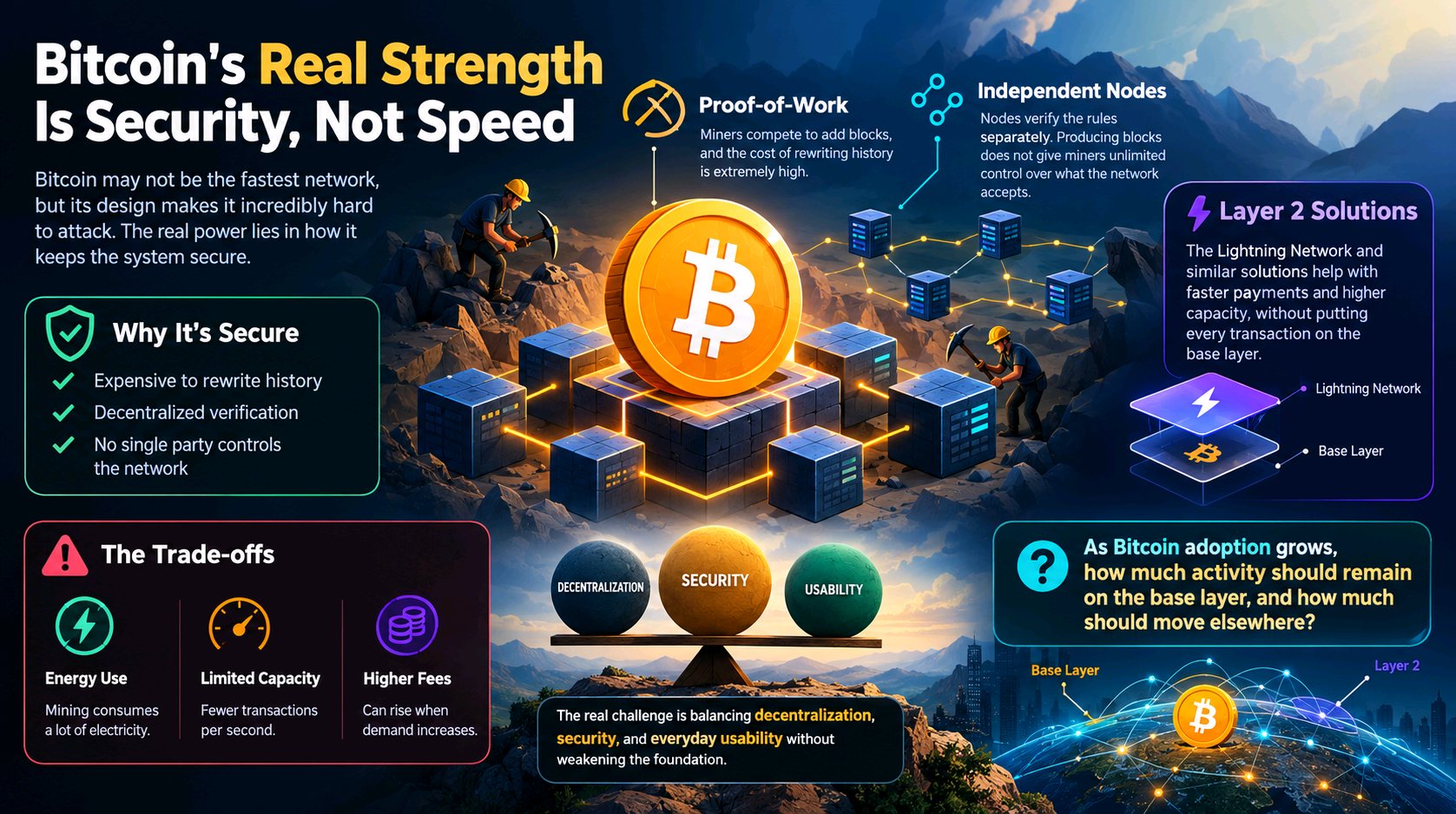
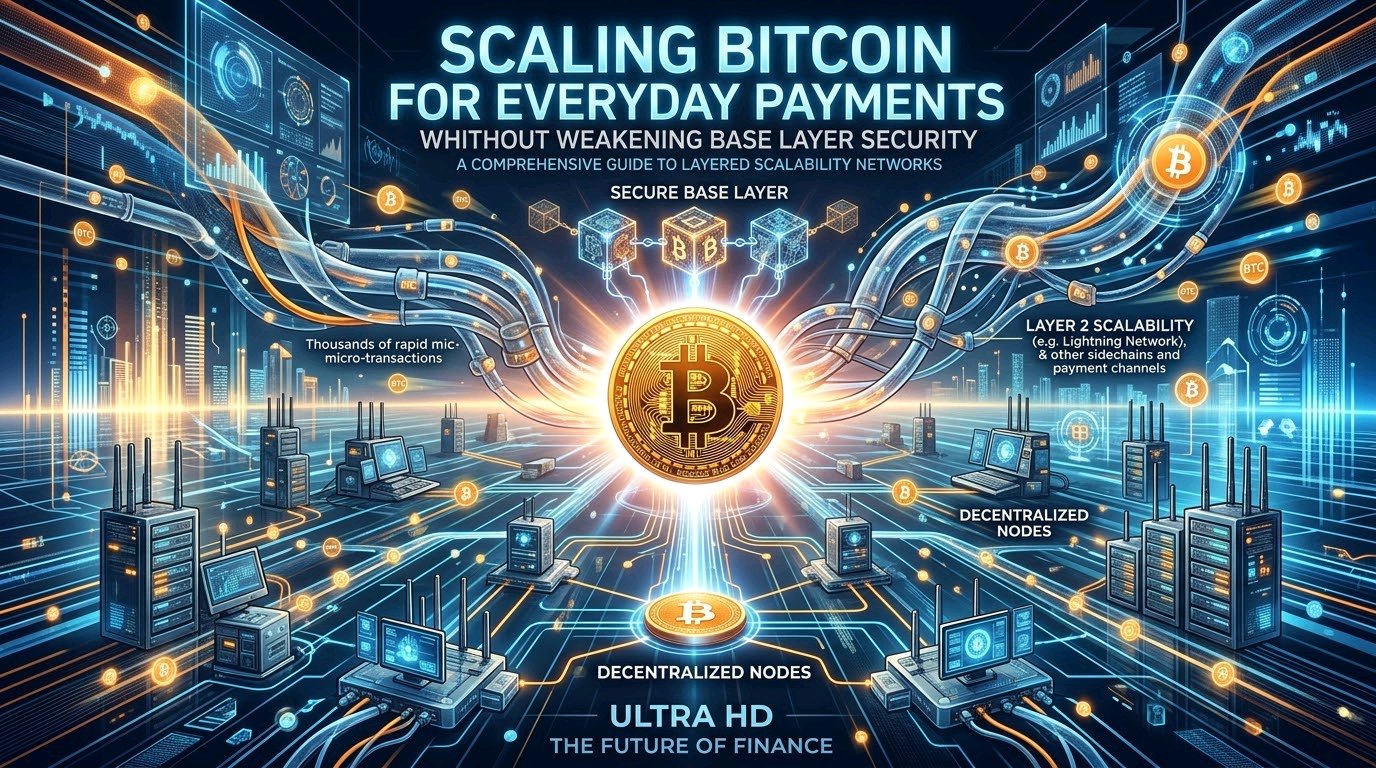
I've been looking at Bitcoin from a different angle lately: its real strength may be how it handles security, not how quickly it processes transactions. Bitcoin's proof-of-work system makes rewriting transaction history expensive. Miners compete to add blocks, while nodes independently verify the rules. This separation matters because producing blocks does not give miners unlimited control over what the network accepts. But this security model comes with trade-offs. Mining consumes energy, transaction capacity is limited, and fees can rise when demand increases. Layer 2 solutions, such as the Lightning Network, aim to improve payment speed without moving every transaction directly onto the base layer. The bigger challenge is balancing decentralization, security, and everyday usability witho$MNTUSDT ut weakening the foundation. As Bitcoin adoption grows, how much activity should remain on the base layer, and how much should move elsewhere?$BTCUSDT #TSLATookOffLiterally #ByXIMPACT
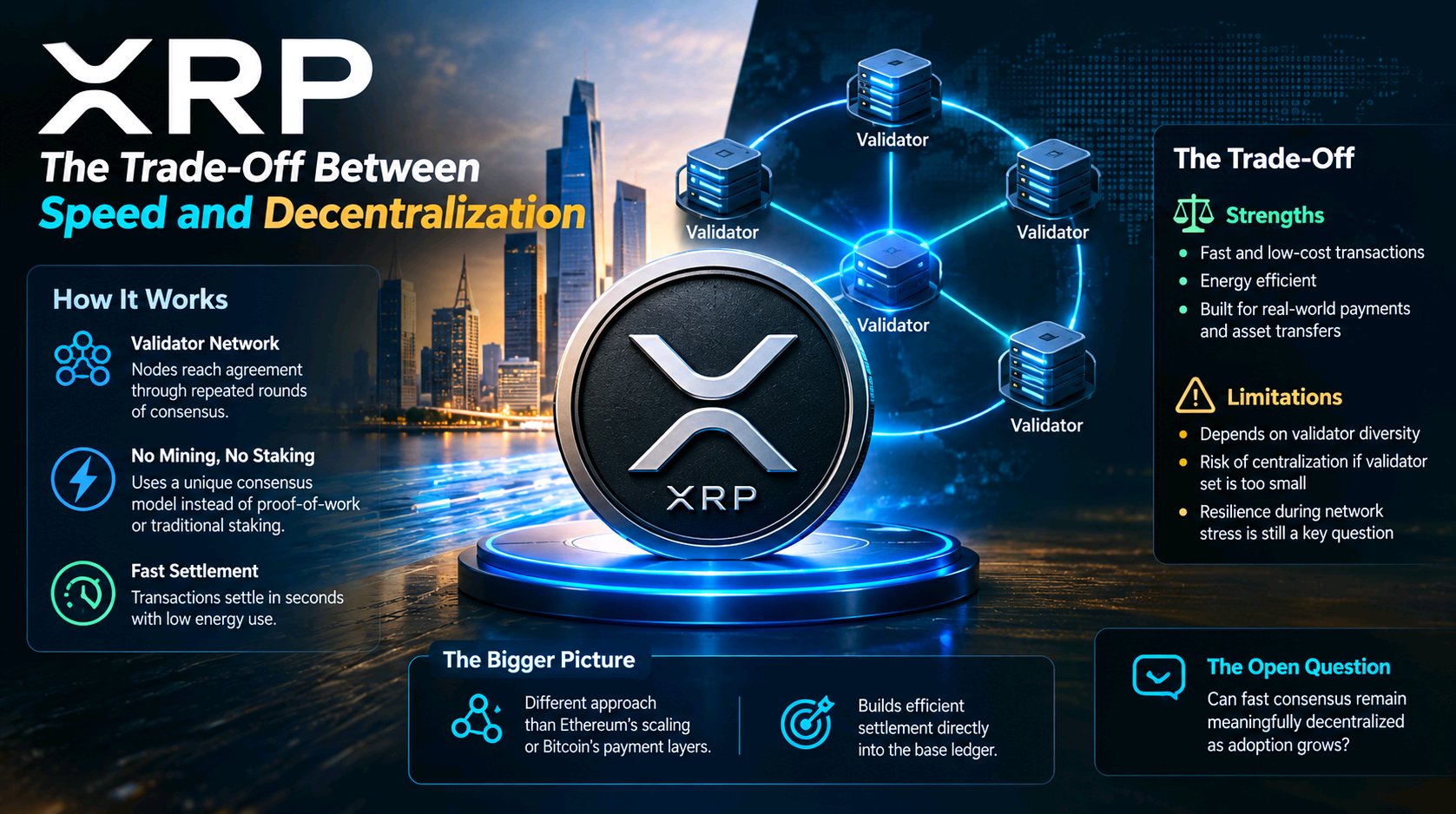
I've been looking at XRP Ledger, and one design choice that stands out is its consensus mechanism. Instead of relying on mining or traditional staking, XRPL uses a network of validators that agree on transaction ordering through repeated rounds of consensus. The interesting part is how this changes the trade-off. Transactions can settle quickly without the energy demands of proof-of-work, making the architecture practical for payments and asset transfers. But speed alone doesn't tell the whole story. The reliability of this model depends on validator diversity, the independence of trusted validators, and how the network behaves when participants disagree or experience failures. As Ethereum explores scaling and Bitcoin develops additional payment layers, XRPL offers a different approach: building efficient settlement directly into the base ledger. The deeper question is whether fast consensus can remain meaningfully decentralized as adoption grows. What evidence should matter most when evaluating that balance?$XRPUSDT $BTCUSDT
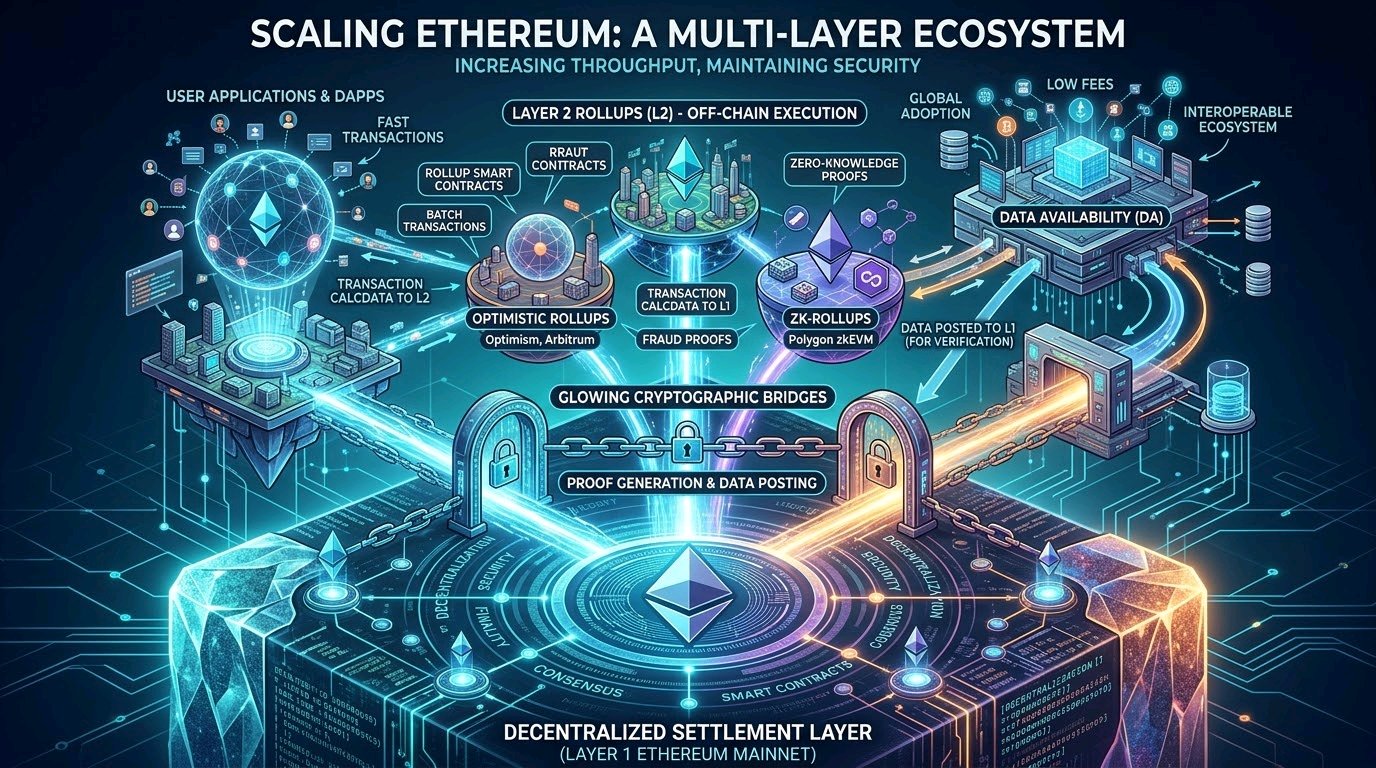
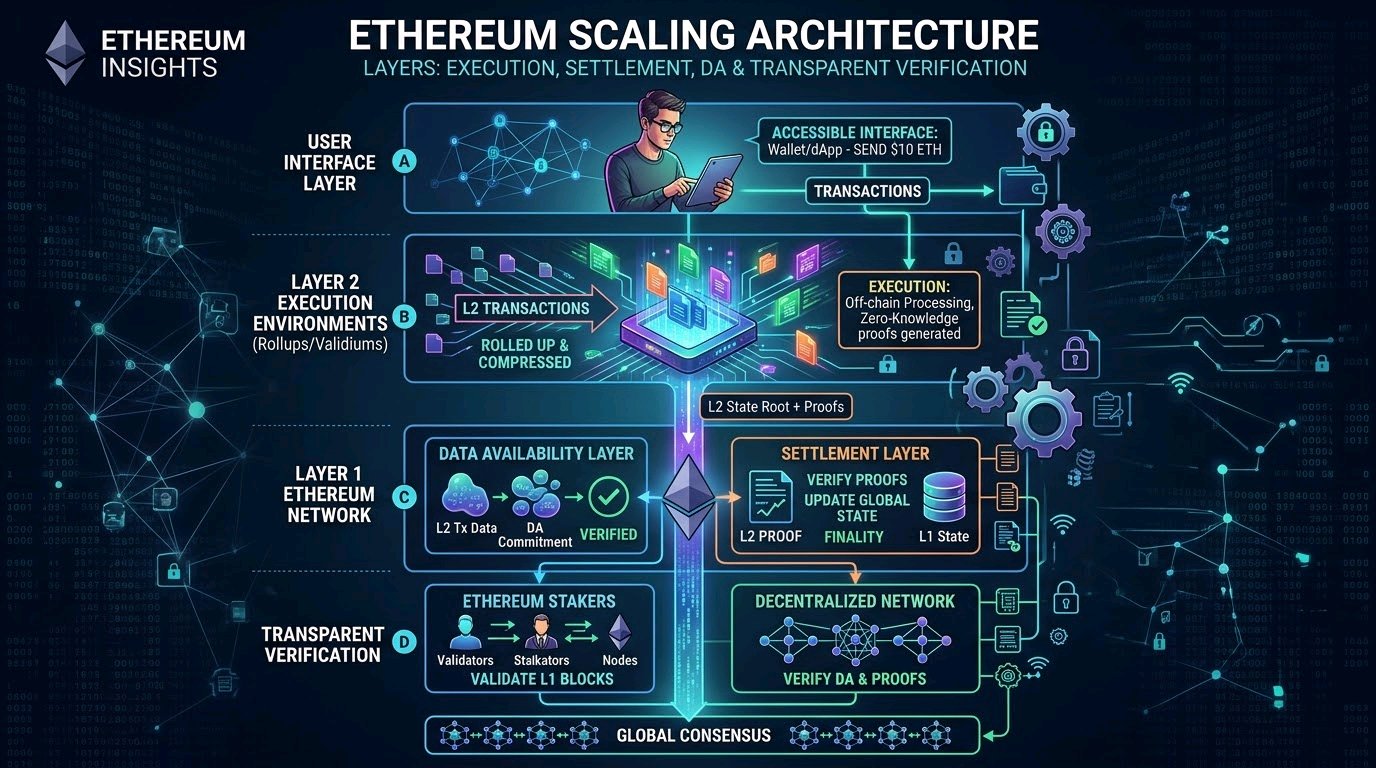
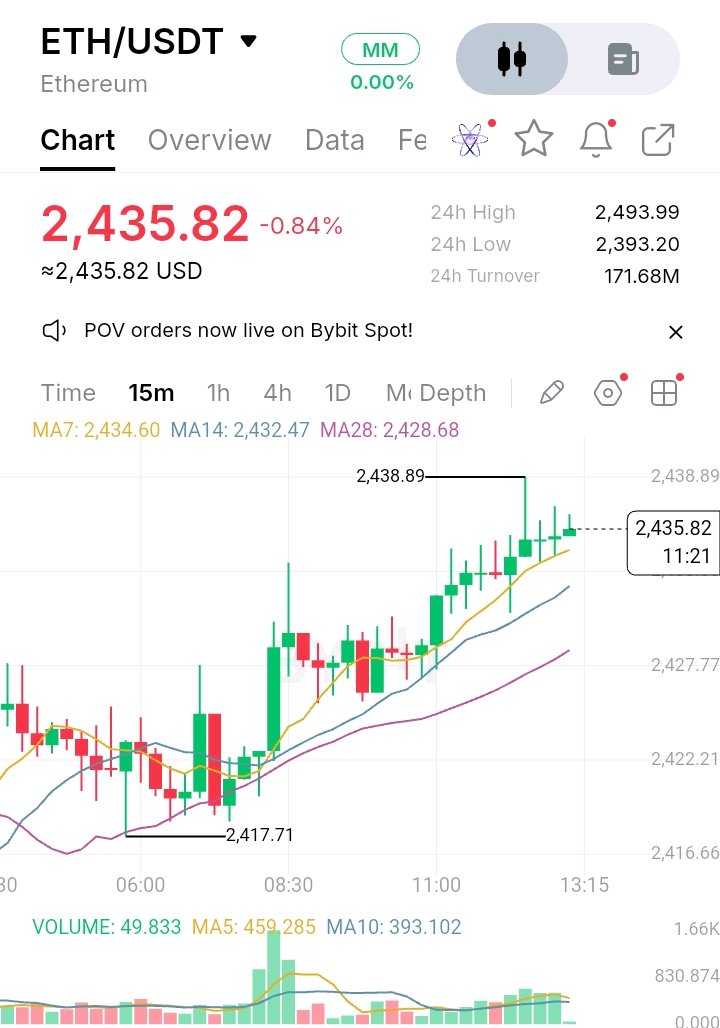
I've been looking at Ethereum's rollup strategy, and one design choice stands out: keeping execution scalable without giving up Ethereum's role as a settlement layer. Instead of forcing every transaction through the main network, Layer 2 rollups process activity separately and rely on Ethereum for security-related data and verification. This helps applications handle more users while reducing the burden on the base layer. But there is a trade-off. Lower transaction costs do not automatically mean simpler infrastructure. Users still face fragmented liquidity, different bridging experiences, and varying security assumptions across rollups. Data availability and the ability to withdraw funds safely also matter. To me, Ethereum's challenge is no longer just processing more transactions. It is making its expanding ecosystem feel like one coherent network. Can Ethereum scale across multiple layers without making security and usability harder for ordinary users to understand? #TSLATookOffLiterally #ByXIMPACT $ETHUSDT $BTCUSDT
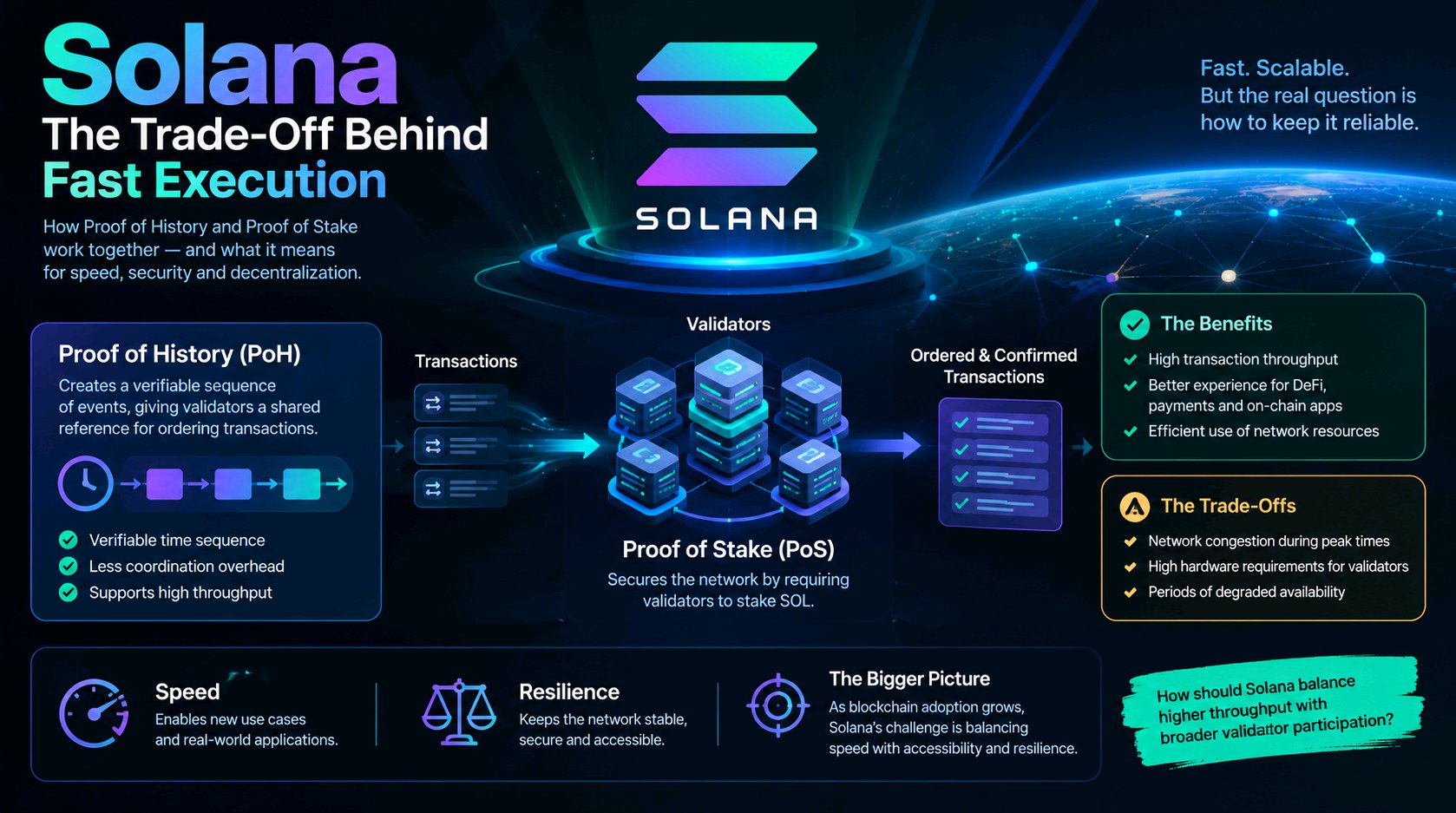
I've been looking at Solana's approach to transaction processing, and one design choice worth understanding is how Proof of History works alongside its Proof of Stake consensus. Proof of History creates a verifiable sequence of events, giving validators a shared reference for ordering transactions. This helps reduce coordination overhead and supports Solana's high-throughput design. What interests me is the trade-off. Faster transaction ordering can improve the experience for DeFi traders, payment applications, and on-chain markets, but performance alone does not guarantee reliability. Network congestion, validator hardware requirements, and periods of degraded availability still matter. As blockchain applications become more demanding, Solana's challenge is balancing speed with accessibility and resilience. A fast network is useful, but a dependable one needs to perform under pressure. How should Solana balance higher throughput with broader validator participation?$SOLUSDT $LAVAUSDT #TSLATookOffLiterally #ByXIMPACT
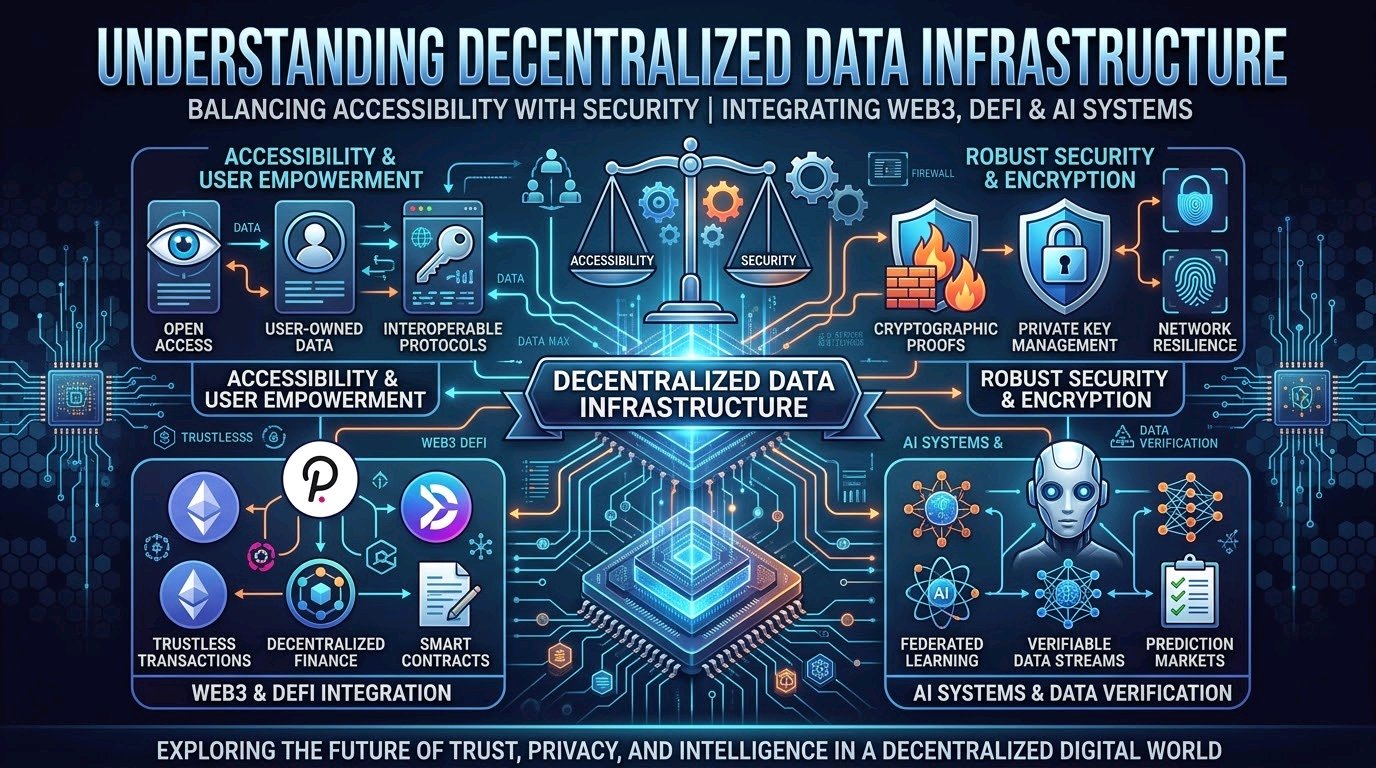
I've been looking at Bedrock and thinking about a problem that often gets overlooked in Web3: how can applications rely on data without blindly trusting whoever provides it? For infrastructure protocols, reliable data access is only part of the challenge. That data must also be verifiable, available when needed, and useful across different applications. This becomes increasingly important as DeFi protocols, Bitcoin-based systems, and AI tools depend on external information. The interesting design question is how Bedrock balances accessibility with security. Better data infrastructure can reduce friction for developers, but it also introduces questions about verification, dependencies, and failure points. Adoption matters more than technical design alone. If integration is difficult or verification remains expensive, developers may choose simpler alternatives. How can decentralized data infrastructure deliver reliability without creating new points of trust?$BRUSDT $BTCUSDT #TSLATookOffLiterally #ByXIMPACT
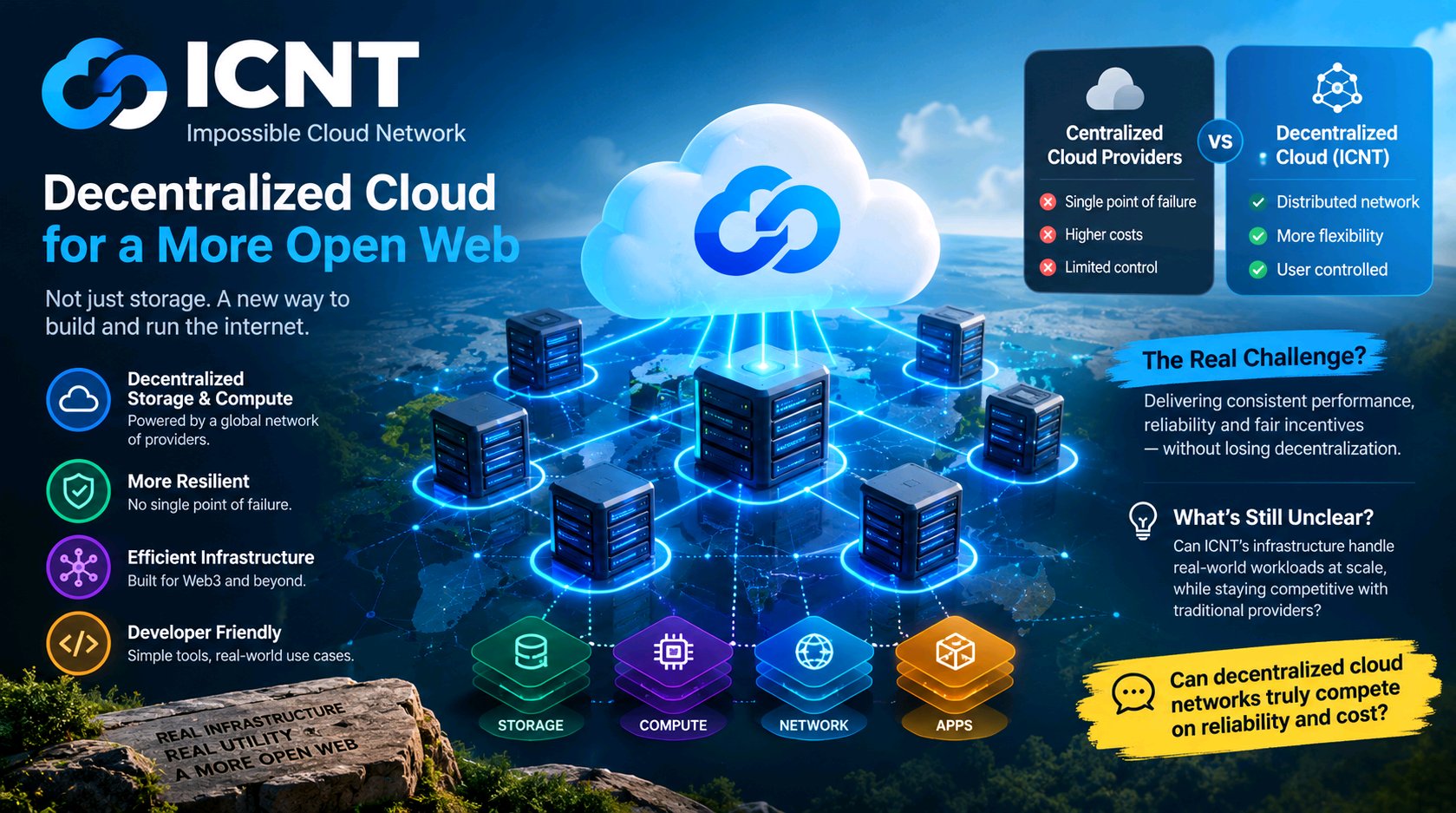
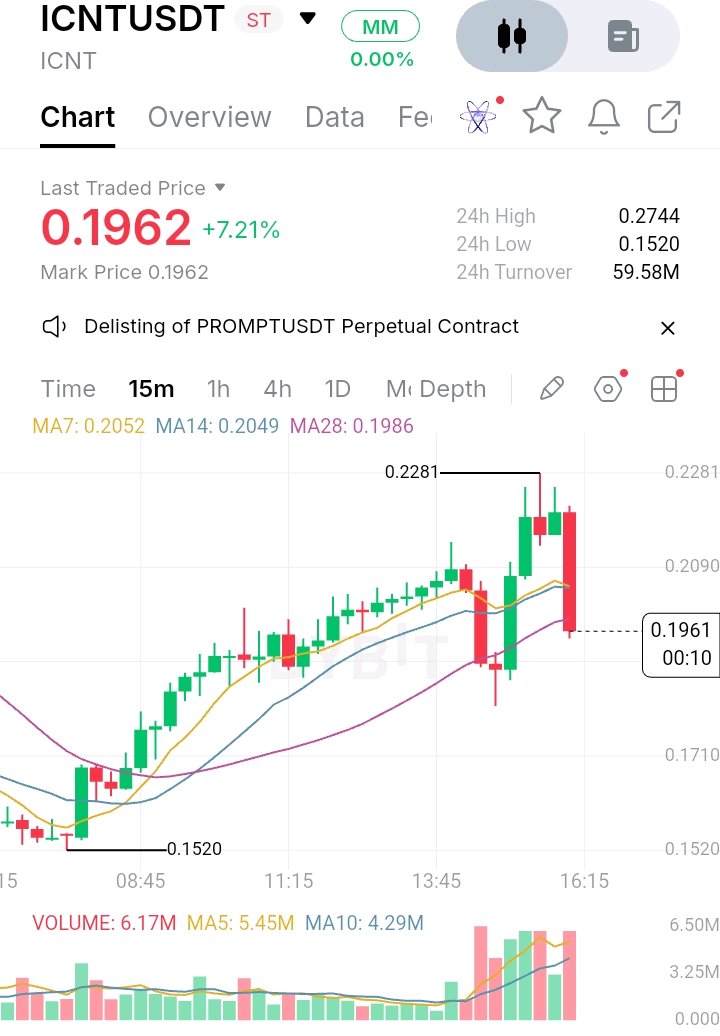
I've been looking at Impossible Cloud Network ($ICNT), and what interests me most is the challenge of making decentralized cloud storage useful beyond the Web3 community. Decentralized infrastructure has a practical goal: distribute storage and computing across providers instead of depending entirely on a few centralized companies. This can improve flexibility and reduce reliance on a single service, but the design only works if performance, reliability, and costs remain competitive. The difficult part is coordination. Users need predictable access, providers need fair incentives, and developers need tools that work without adding unnecessary complexity. Decentralization alone does not guarantee better service. For ICNT, the real test is whether its infrastructure can deliver consistent performance while keeping providers accountable. Adoption will depend on actual workloads, not just technical promises. How can decentralized cloud networks compete with traditional providers on reliability and cost without sacrificing their core principles?#TSLATookOffLiterally $ICNTUSDT $AXLUSDT #ByXIMPACT
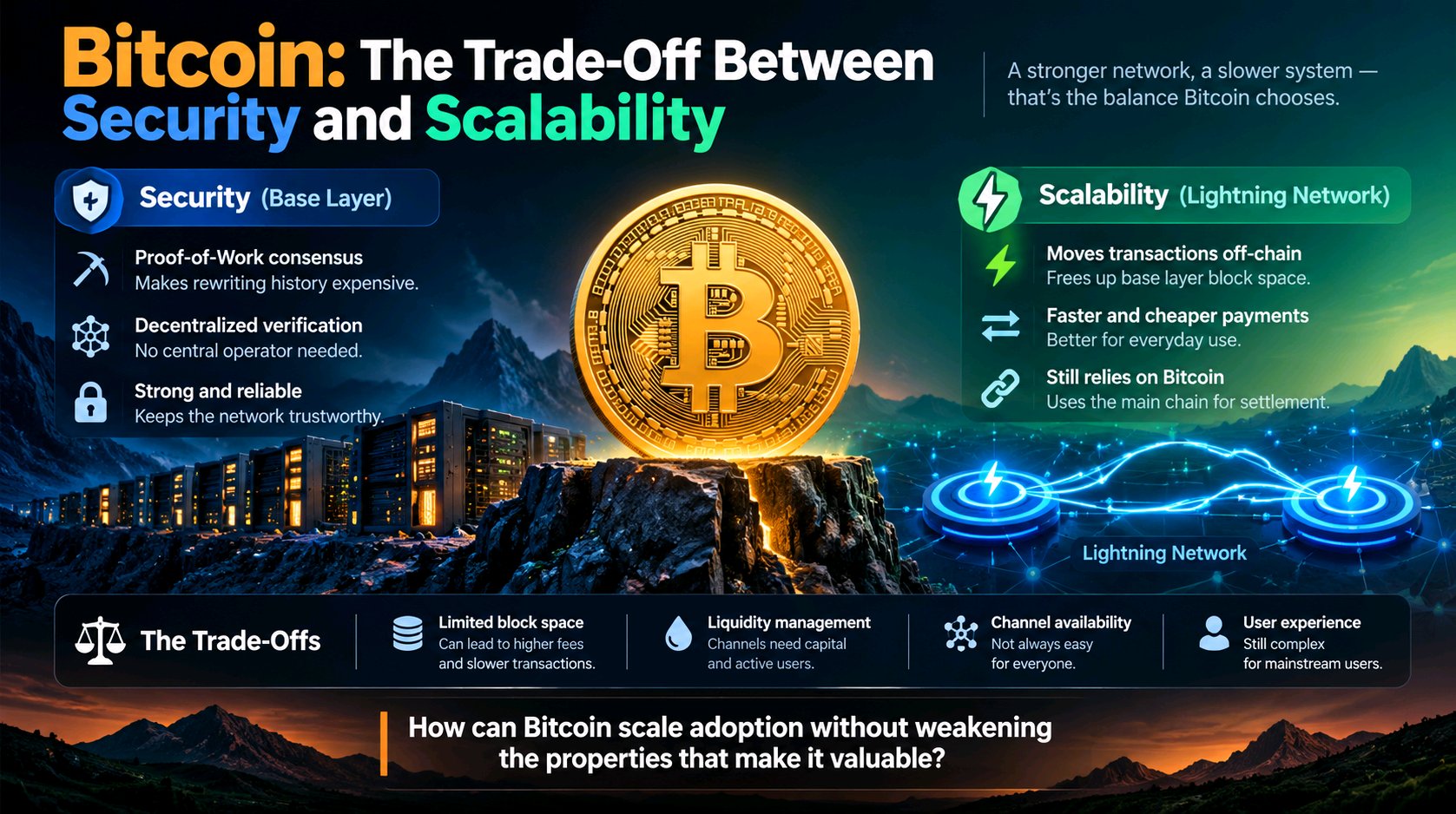
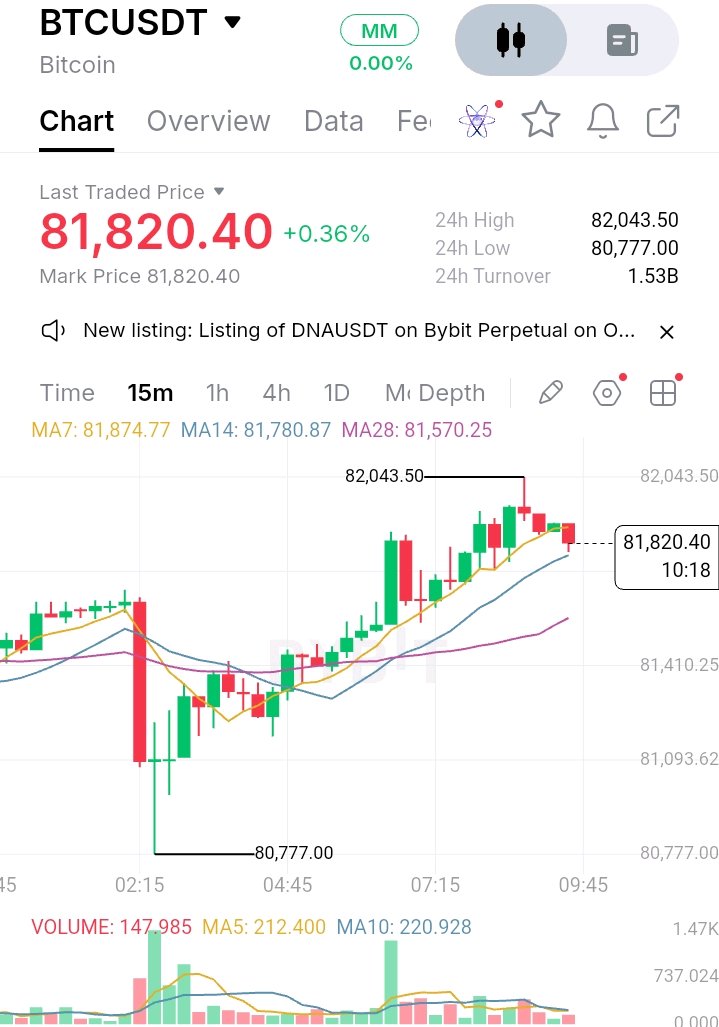
I've been looking at Bitcoin from an infrastructure perspective, and one design choice still stands out to me: keeping the base layer focused on security rather than trying to process every transaction as quickly as possible. Bitcoin's proof-of-work consensus makes rewriting transaction history expensive, helping independent participants verify the network without trusting a central operator. This is a major strength, but it also creates trade-offs. Block space is limited, and increasing transaction demand can make on-chain payments slower or more expensive. That is why scaling solutions such as the Lightning Network matter. They move many transactions away from the base layer while relying on Bitcoin for settlement security. However, liquidity management, channel availability, and user experience remain practical challenges. To me, Bitcoin's real infrastructure question is not simply about processing more transactions, but balancing decentralization, security, and usability. How can Bitcoin scale adoption without weakening the properties that make it valuable?#TSLATookOffLiterally #ByXIMPACT$BTCUSDT $SOLUSDT
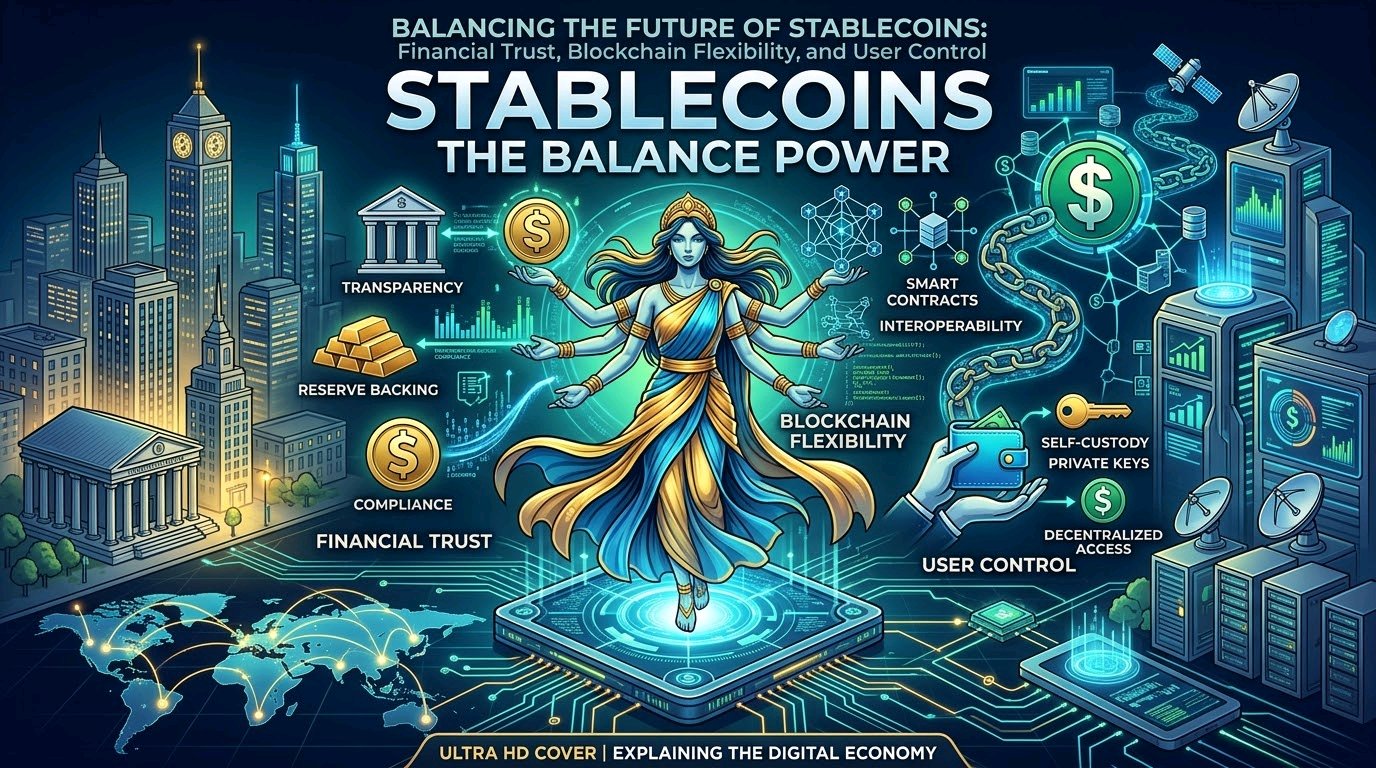
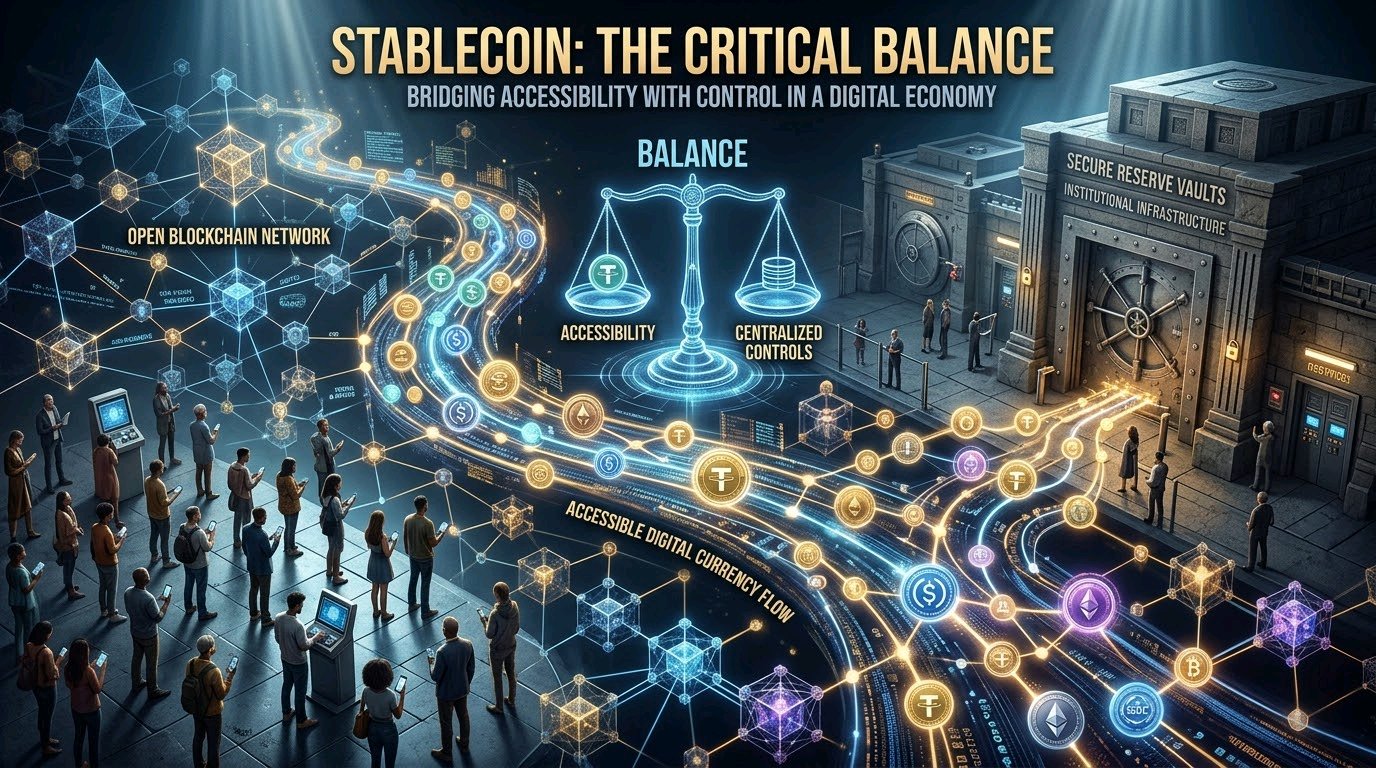
I've been looking at USDC from an infrastructure perspective, and one design choice stands out to me: how a stablecoin maintains trust while moving across different blockchain networks. USDC, issued by Circle, is designed to maintain a 1:1 value with the US dollar. Its usefulness depends not just on reserves, but also on transparency, redemption access, and the reliability of the systems supporting it. This becomes important in DeFi, where stablecoins act as trading pairs, lending assets, and settlement tools. When users move funds between applications, they need more than a token that looks stable. They need confidence that it can be redeemed and transferred reliably. However, USDC also introduces trade-offs. Its centralized issuer can freeze addresses, and users depend on reserve management and regulatory decisions. As Web3 grows, how can stablecoins balance financial trust, blockchain flexibility, and user control?#TSLATookOffLiterally #ByXIMPACT $USDCUSDT $SANDUSDT
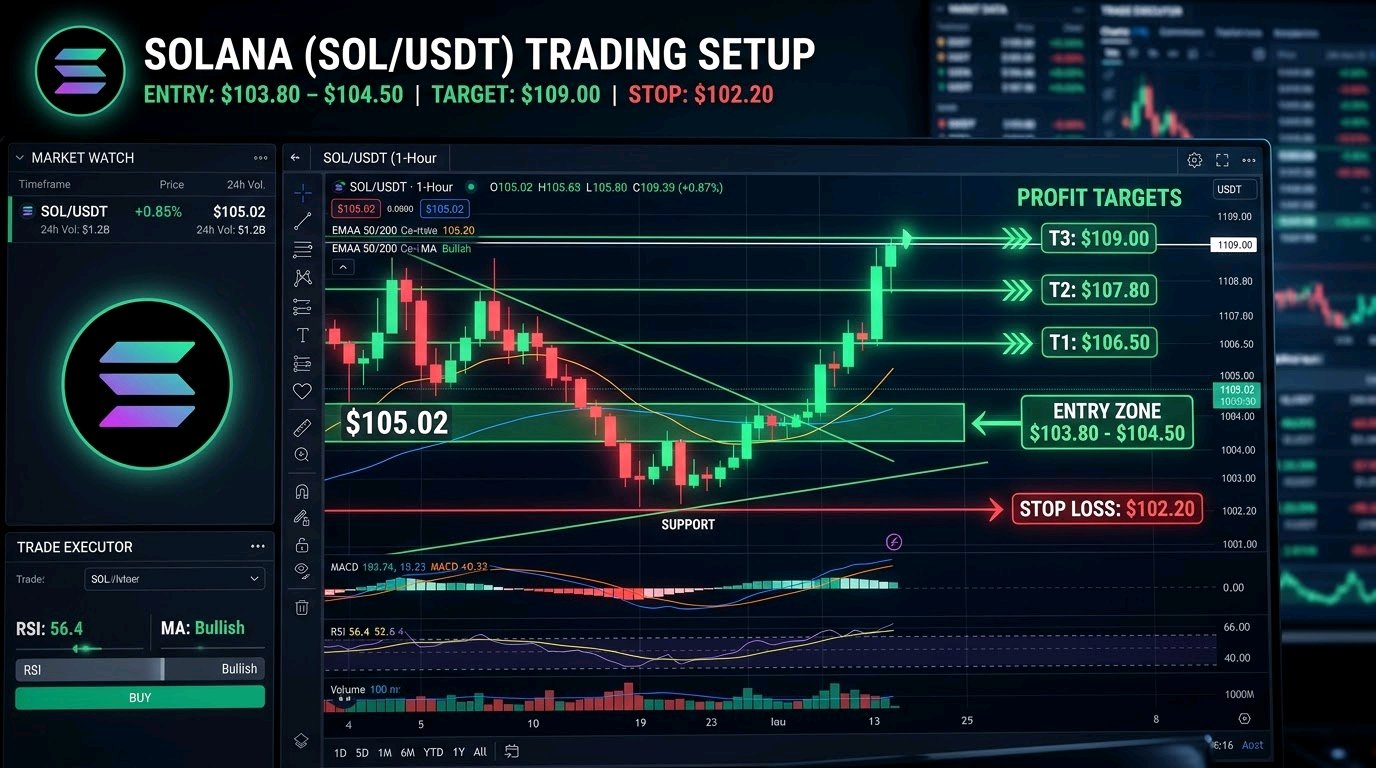
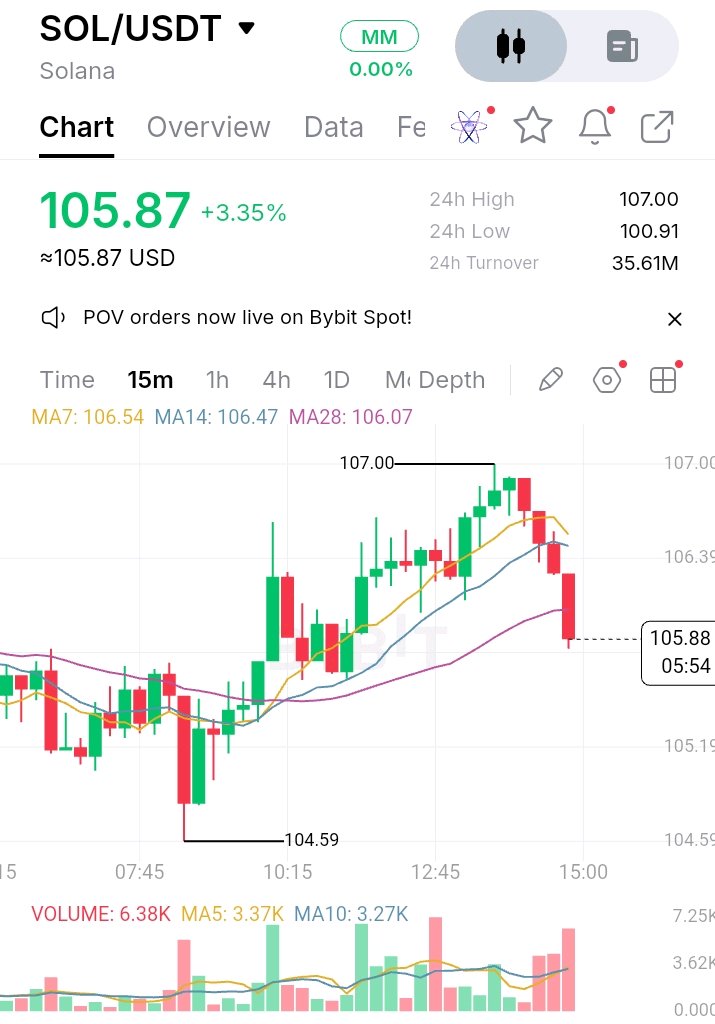
🔥 SOL/USDT: WILL SOLANA REBOUND OR DROP LOWER? Solana is trading at $105.02, down 1.48%. The price is holding near the MA7, MA14, and MA28, which are clustered around $105.00. This shows short-term consolidation, but buyers still need to prove their strength. 📍 Buy Zone: $103.80–$104.50 🎯 Target 1: $106.00 🎯 Target 2: $107.40 🎯 Target 3: $109.00 🛑 Stop Loss: $102.20 📊 Strategy: Watch the $102.50 support area. A strong bounce with rising volume could support an upward move. A break bel$SOLUSDT $ZIGUSDT ow support may bring more selling pressure. ⚠️ Avoid chasing sudden moves. Wait for confirmation, manage risk, and remember that these levels are a trading plan, not guaranteed outcomes.#TSLATookOffLiterally #ByXIMPACT
I've been looking at Ethereum from an infrastructure perspective, and one design choice worth understanding is its separation of execution, settlement, and data availability. Ethereum does not need every transaction to be processed directly on its main network to benefit from its security. Layer 2 networks handle much of the transaction activity, then use Ethereum to settle results and provide data that helps users verify what happened. This approach can reduce costs and increase capacity without abandoning Ethereum's security model entirely. However, the trade-off matters. Different Layer 2 networks have different proof systems, upgrade controls, and withdrawal assumptions. Lower fees alone do not guarantee stronger security or genuine decentralization. The real challenge is making this layered system easier to use without creating hidden trust requirements. How can Ethereum scale further while keeping verification accessible and security assumptions transparent to ordinary users?#TSLATookOffLiterally #ByXIMPACT $ETHUSDT $ICNTUSDT
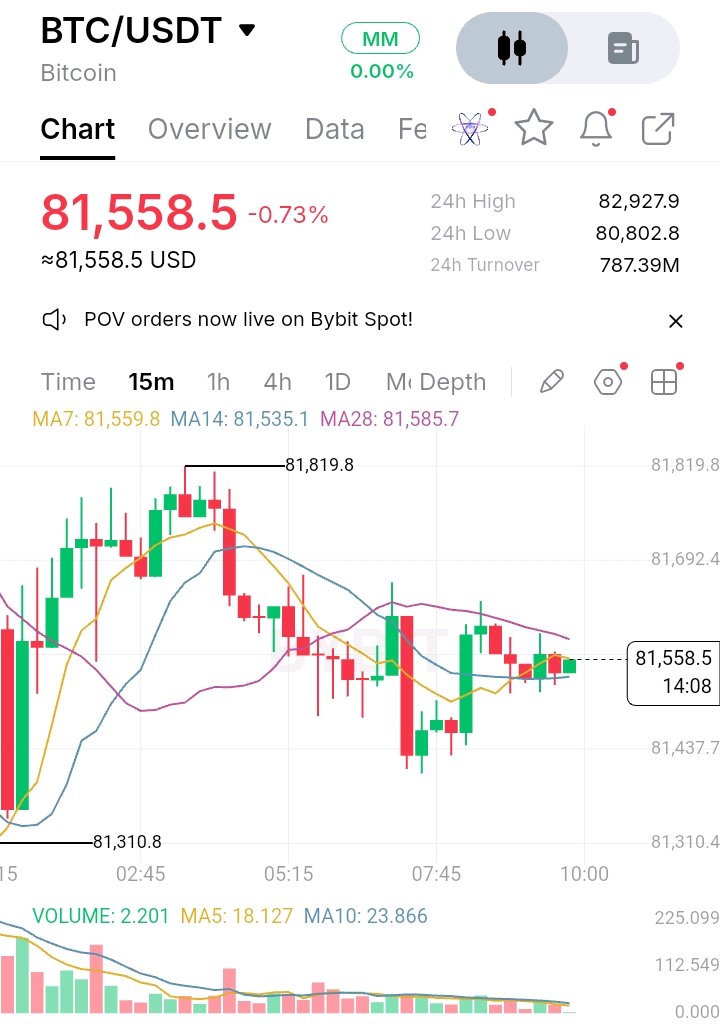
I've been looking at Bitcoin from an infrastructure perspective, and one design choice still stands out: its focus on security over flexibility. Bitcoin uses Proof of Work to secure its network. Miners compete to add blocks, while nodes independently verify transactions against the protocol's rules. This separation matters because users do not need to trust miners blindly to validate the network's history. However, this design comes with trade-offs. Block space is limited, and demand can make transactions slower or more expensive. Layer 2 solutions like the Lightning Network aim to handle smaller payments off-chain while relying on Bitcoin's base layer for security. The challenge is balancing scalability with decentralization. Moving activity off-chain can improve efficiency, but introduces different liquidity, routing, and operational considerations. How can Bitcoin scale everyday payments without weakening the security and independence that make its base layer valuable? #TSLATookOffLiterally #ByXIMPACT $BTCUSDT $ETHUSDT
I've been looking at USDC from an infrastructure perspective, and one detail stands out: maintaining a stable value is not just about keeping a token close to one dollar. It also depends on reserves, redemption, and trust in the system behind it. USDC is designed to represent a digital dollar that can move across supported blockchain networks. This makes it useful in DeFi, payments, and cross-border transfers without relying on a new price discovery process for every transaction. But convenience comes with trade-offs. Users depend on the issuer, reserve management, banking access, and the rules governing token freezes. Moving USDC across chains also introduces questions about bridge security and liquidity. To me, the bigger challenge is balancing blockchain accessibility with centralized controls. How can stablecoins offer reliable digital payments while reducing dependence on the institutions that support them?#TSLATookOffLiterally #ByXIMPACT $USDCUSDT $SOLUSDT
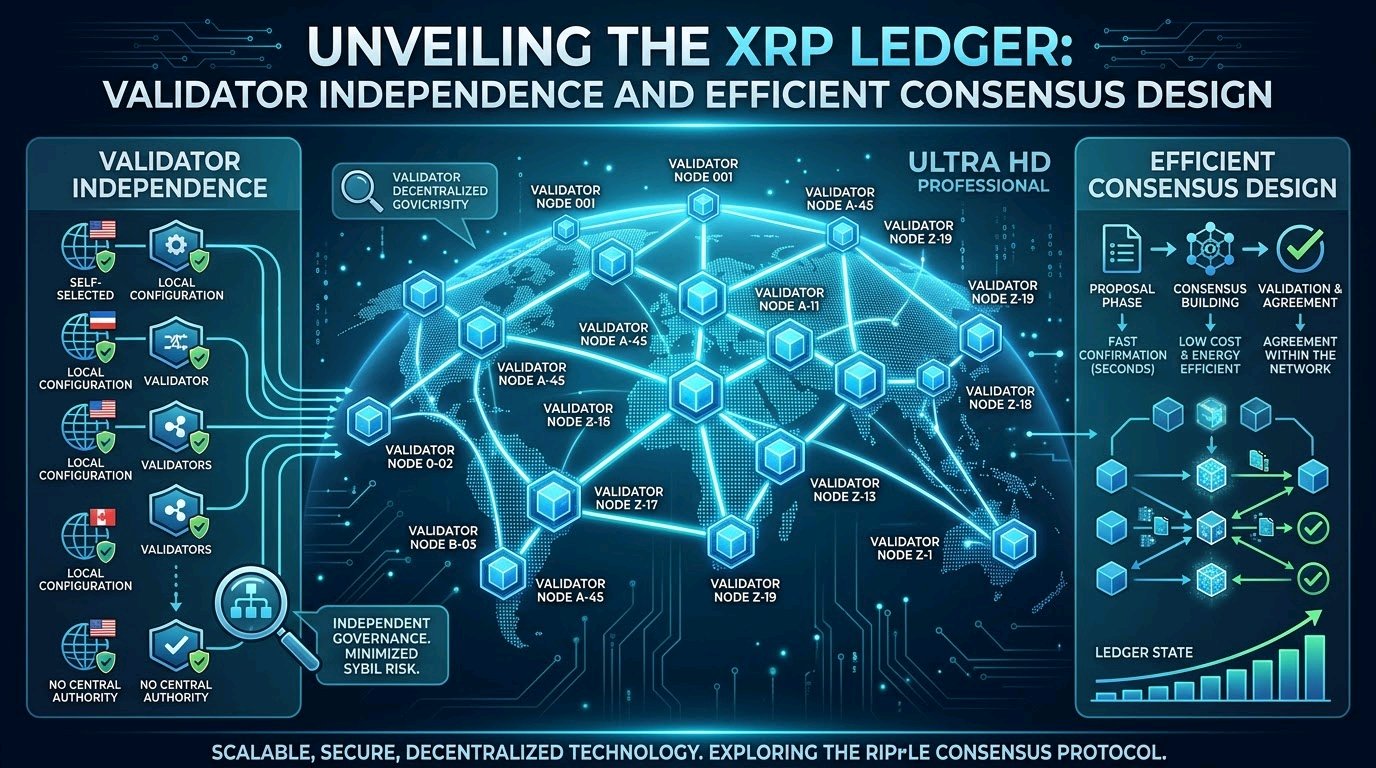
I've been looking at XRP Ledger from an infrastructure perspective, and its consensus design is one of the most interesting parts to understand. Unlike Bitcoin, XRP Ledger does not rely on mining. Instead, independent validators agree on transaction order and network state through a consensus process. This helps the network settle transactions quickly without the energy costs associated with proof-of-work. The real design question is how much trust users place in validator selection and the relationships between those validators. Fast settlement is useful, but decentralization also depends on who participates, how independently they operate, and whether the network can remain reliable under pressure. This creates a practical trade-off between efficiency, coordination, and resilience. As blockchain adoption grows, these factors matter beyond raw transaction speed. How can XRP Ledger strengthen validator independence while keeping settlement efficient?$XRPUSDT $BTCUSDT #TSLATookOffLiterally #ByXIMPACT
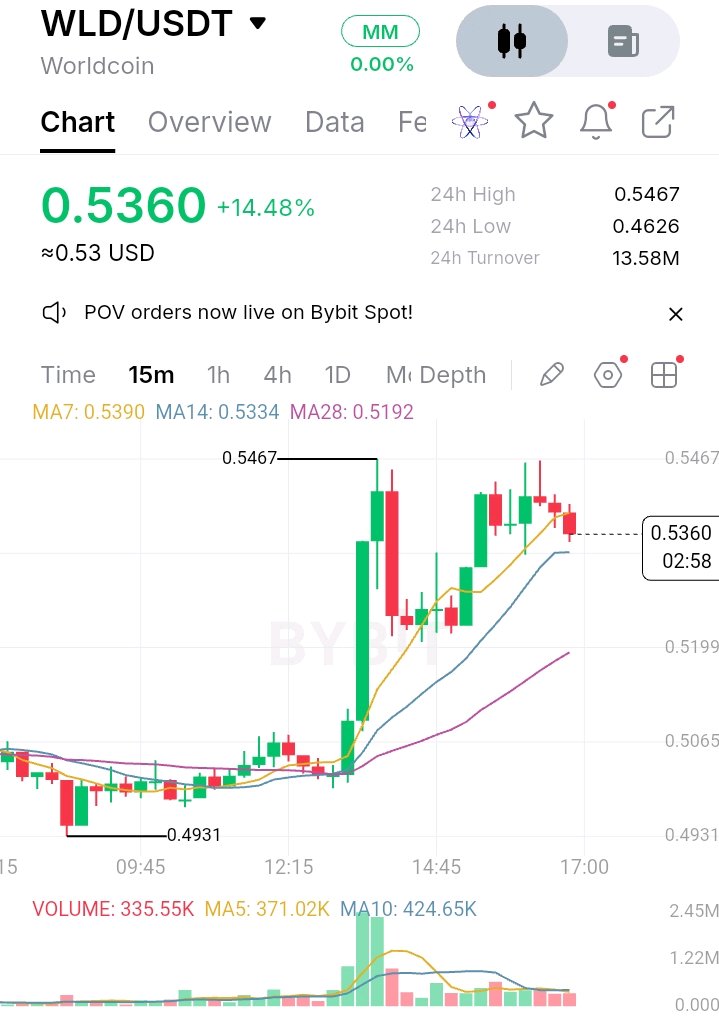
I've been looking at Worldcoin from an infrastructure perspective, and one design choice stands out: using biometric verification to help distinguish unique humans from bots. As AI agents become more capable, proving that an online account belongs to a real person is becoming harder. Worldcoin approaches this through its Orb-based iris verification, creating a World ID that can help users prove their uniqueness without repeatedly revealing their identity. The interesting part is the balance between uniqueness and privacy. A reliable proof of personhood could be useful for fair digital voting, online communities, and limiting automated abuse. But biometric systems introduce serious questions about consent, data protection, accessibility, and trust in the verification process. Cryptography can protect certain aspects of identity, but it cannot eliminate every risk surrounding biometric collection and governance. How can Web3 prove human uniqueness at scale without making biometric trust a new central point of failure?$WLDUSDT $ARBUSDT #TSLATookOffLiterally #ByXIMPACT

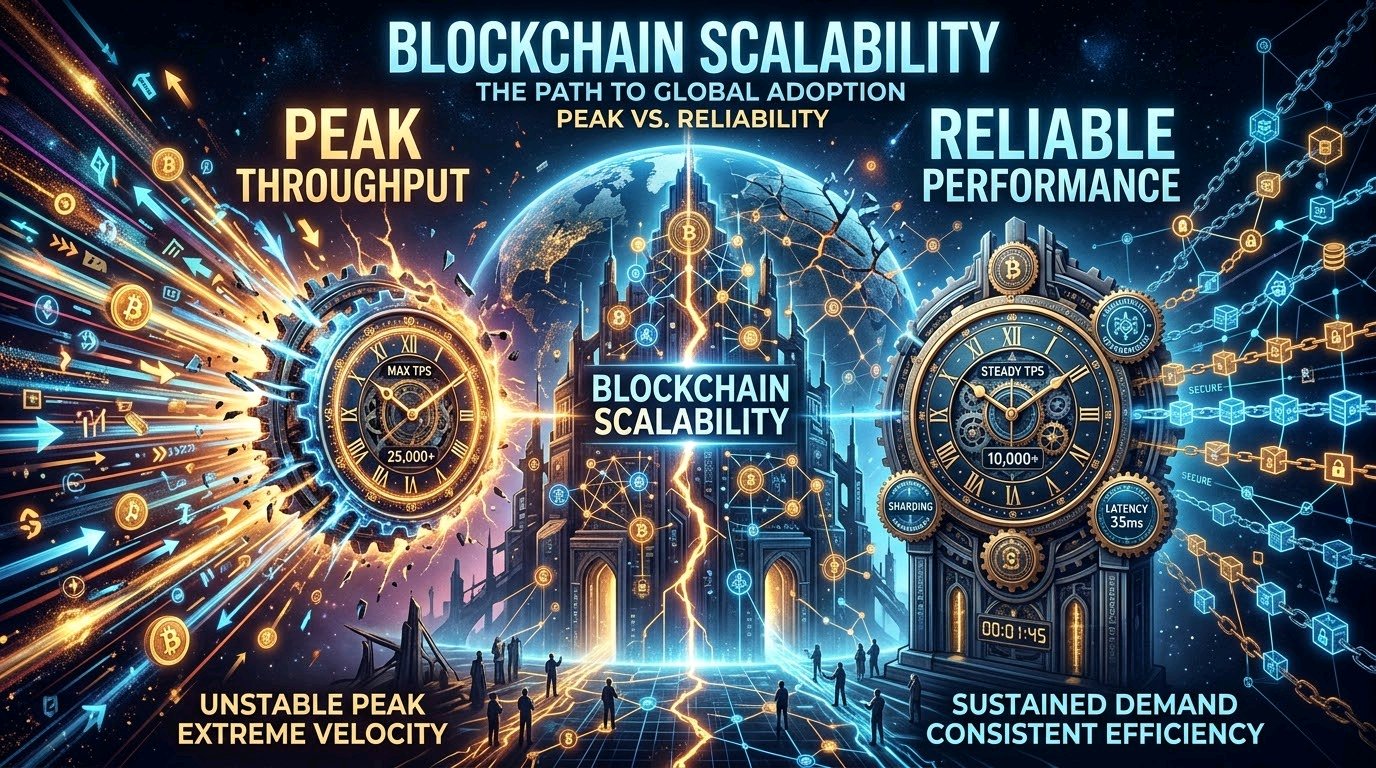
$SOLUSDT I've been looking at Solana from an infrastructure perspective, and one design choice worth understanding is how it coordinates transaction ordering without relying on traditional block-by-block timing alone. Solana uses Proof of History (PoH) as a cryptographic clock, creating a verifiable sequence of events that helps validators coordinate transaction processing. Combined with its consensus mechanism, this design aims to reduce coordination overhead and support high transaction throughput. The interesting part is the trade-off. Faster coordination can improve the experience for applications handling frequent transactions, from DeFi to on-chain trading. But performance also depends on hardware requirements, network conditions, validator participation, and how efficiently the system handles congestion. For me, the real question isn't simply how many transactions Solana can process under ideal conditions. It's how consistently the network performs when demand rises and infrastructure faces pressure. What matters more for blockchain scalability: peak throughput or reliable performance under sustained demand?#TSLATookOffLiterally #ByXIMPACT $TIAUSDT
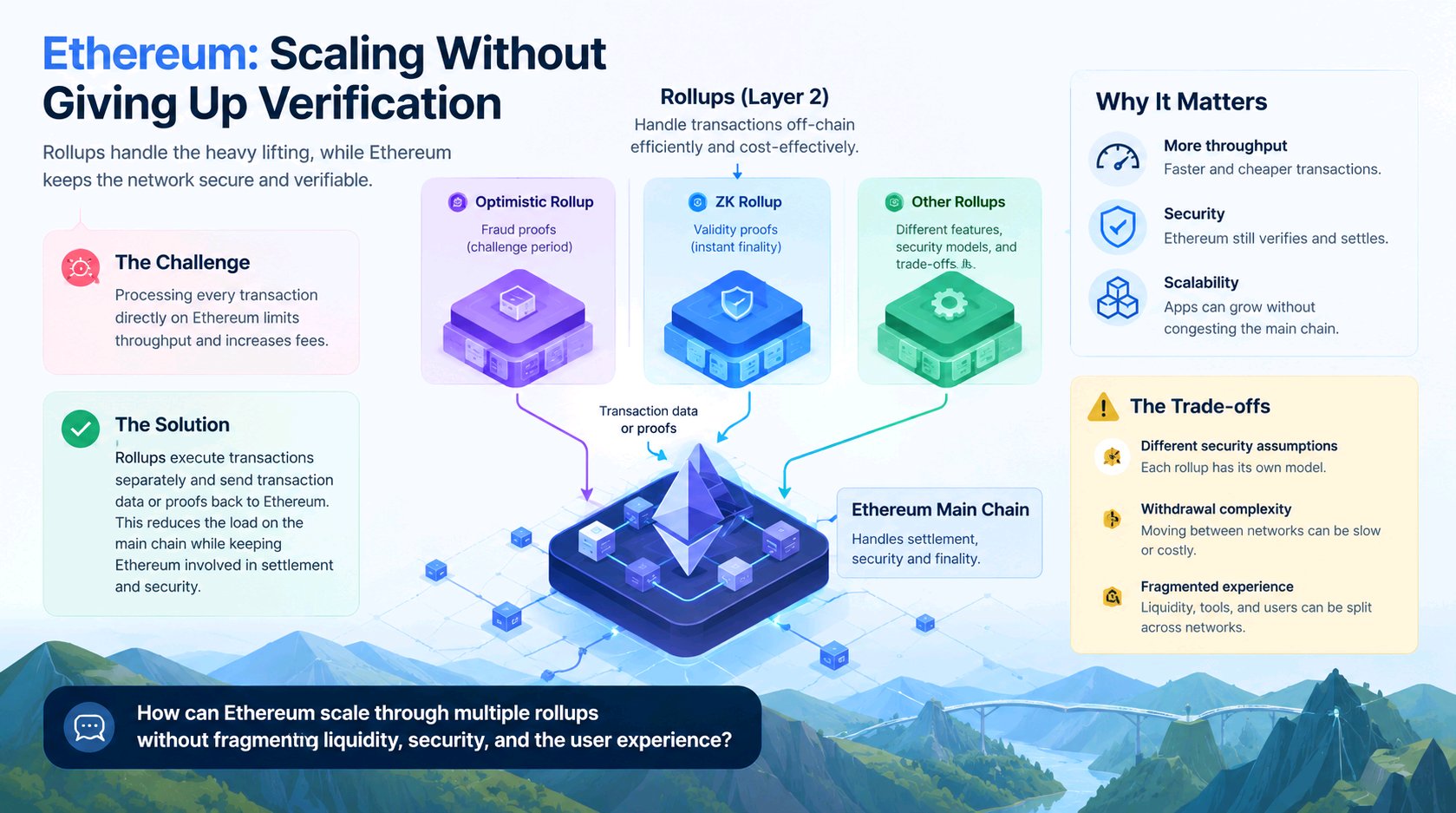
I've been looking at Ethereum's approach to scaling, and one design choice I find interesting is its use of rollups alongside the main chain. Instead of processing every transaction directly on Ethereum, rollups handle transactions separately and send transaction data or proofs back to the network. This reduces the workload on the main chain while keeping Ethereum involved in settlement and security. What matters here is the separation of execution from verification. It allows applications to become more efficient without requiring Ethereum itself to process every transaction. But this design introduces trade-offs. Different rollups have different security assumptions, withdrawal mechanisms, and levels of decentralization. Moving between networks can also add complexity for ordinary users. Ethereum's challenge isn't simply scaling transactions; it's making that complexity manageable. How can Ethereum scale through multiple rollups without fragmenting liquidity, security, and the user experience?#TSLATookOffLiterally #ByXIMPACT $ETHUSDT $FORTUSDT
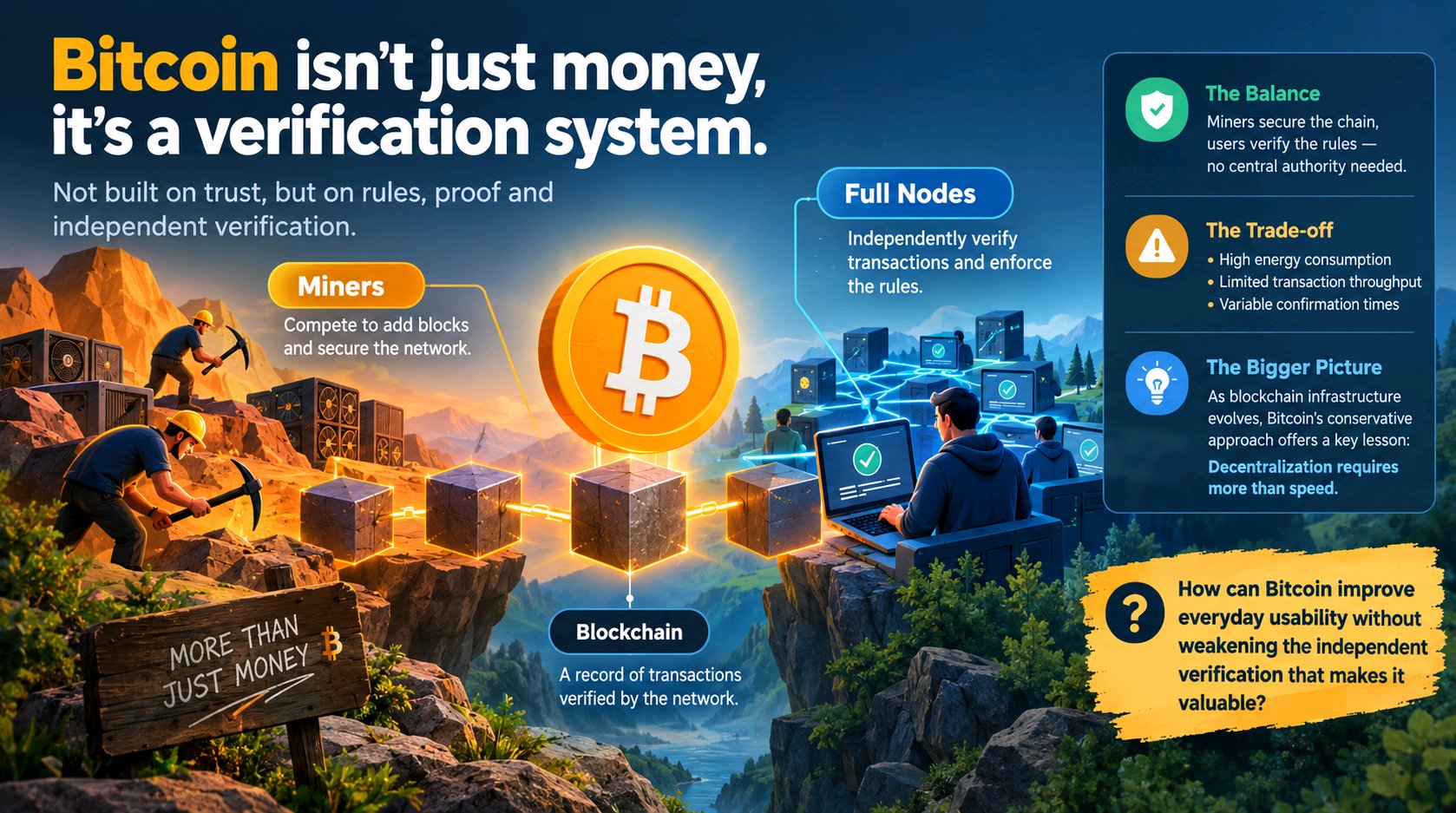
I've been looking at Bitcoin from a different angle lately: not just as digital money, but as a system designed to make verification more important than trust. One design choice that stands out is Bitcoin's proof-of-work consensus. Miners compete to add blocks, while full nodes independently verify transactions and enforce the network's rules. These roles matter because producing a block does not automatically make every transaction valid. This separation creates a useful balance. Miners help secure the chain, but users can verify the rules without relying on a central authority. The trade-off is real, though: proof of work consumes energy, limits transaction throughput, and makes confirmation times variable. As blockchain infrastructure evolves, Bitcoin's conservative approach offers an important lesson: decentralization requires more than speed. How can Bitcoin improve everyday usability without weakening the independent verification that makes it valuable?#TSLATookOffLiterally #ByXIMPACT $BTCUSDT $ICNTUSDT