T
TheTranscript_
404点赞0分享4粉丝0关注
管理层表示,巴西的出货量已连续五个季度增长超过 40% → 这种持续的业务量增长既是需求的故事,也是产能的故事:它迫使 MELI 不断增加物流吞吐量,以避免瓶颈并维护服务水平 → 与之前的季度相比,重点正从单纯报告强劲增长转向明确指出运营负荷(“需要落实大量产能”) → 投资者应密切关注 MELI 在巴西扩展履约和最后一公里配送能力的速度,以及这种扩张是否会体现在交付时间、单位经济效益,以及有关限制因素或增量投资需求的任何评论中。
Novo Nordisk’s EVP said on the call that Ozempic pricing is still trending down at roughly a 10%–15% annual clip—described as what they’ve been seeing in practice rather than formal guidance—and they don’t see that easing. For Wegovy, they pointed to a much sharper move this quarter (about 30%–35% price degradation), noting it ran a bit high due to quarter-to-quarter variability, but they expect that pace to hold or improve slightly from here.
On Fox News, the U.S. Treasury Secretary said the situation around Jensen suggests the board shouldn’t limit its CEO search to internal candidates. Given what’s been happening inside the company, she argued they likely need to look outside and bring in someone who can deliver a real shakeup.
Scott Bessent keeps circling back to Nvidia’s internal culture: were people inside the company pushing these “seemingly illicit” sales as a way to juice revenue and earnings? He’s essentially putting the onus on governance—saying the board and outside counsel need to come back with clear answers, and he wants them within the next 10 days. $NVDA
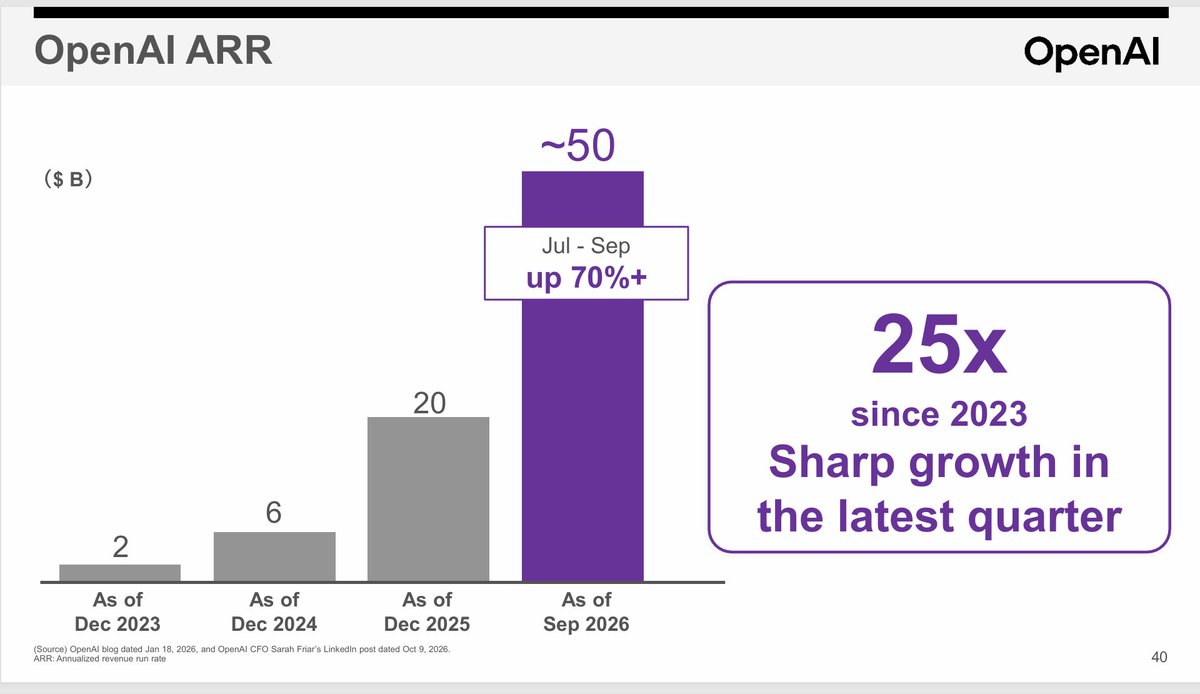
SoftBank CFO Yoshimitsu Goto highlighted how quickly OpenAI’s business is scaling: as of September, ARR was around $50 billion—roughly a 25x jump over the past three years. The part he seemed most intent on underscoring was the recent acceleration, saying ARR surged about 70% between July and September.
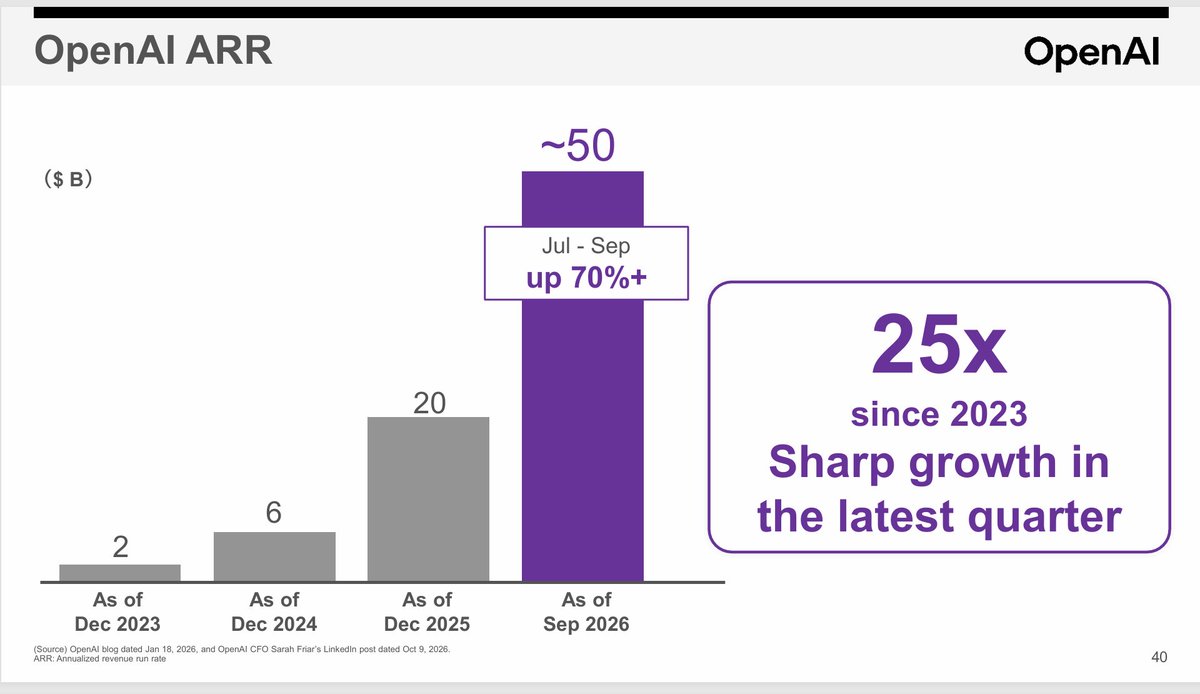
SoftBank CFO Yoshimitsu Goto flagged OpenAI’s momentum on the call: as of September, OpenAI’s ARR was roughly $50B—about 25x higher than three years ago—and the acceleration looks even sharper lately, with ARR up ~70% from July to September. The takeaway for investors is less the long-term multiple and more the near-term re-rate in growth; next, watch whether that July–September pace holds into the next quarter and what it implies for pricing and capacity constraints.
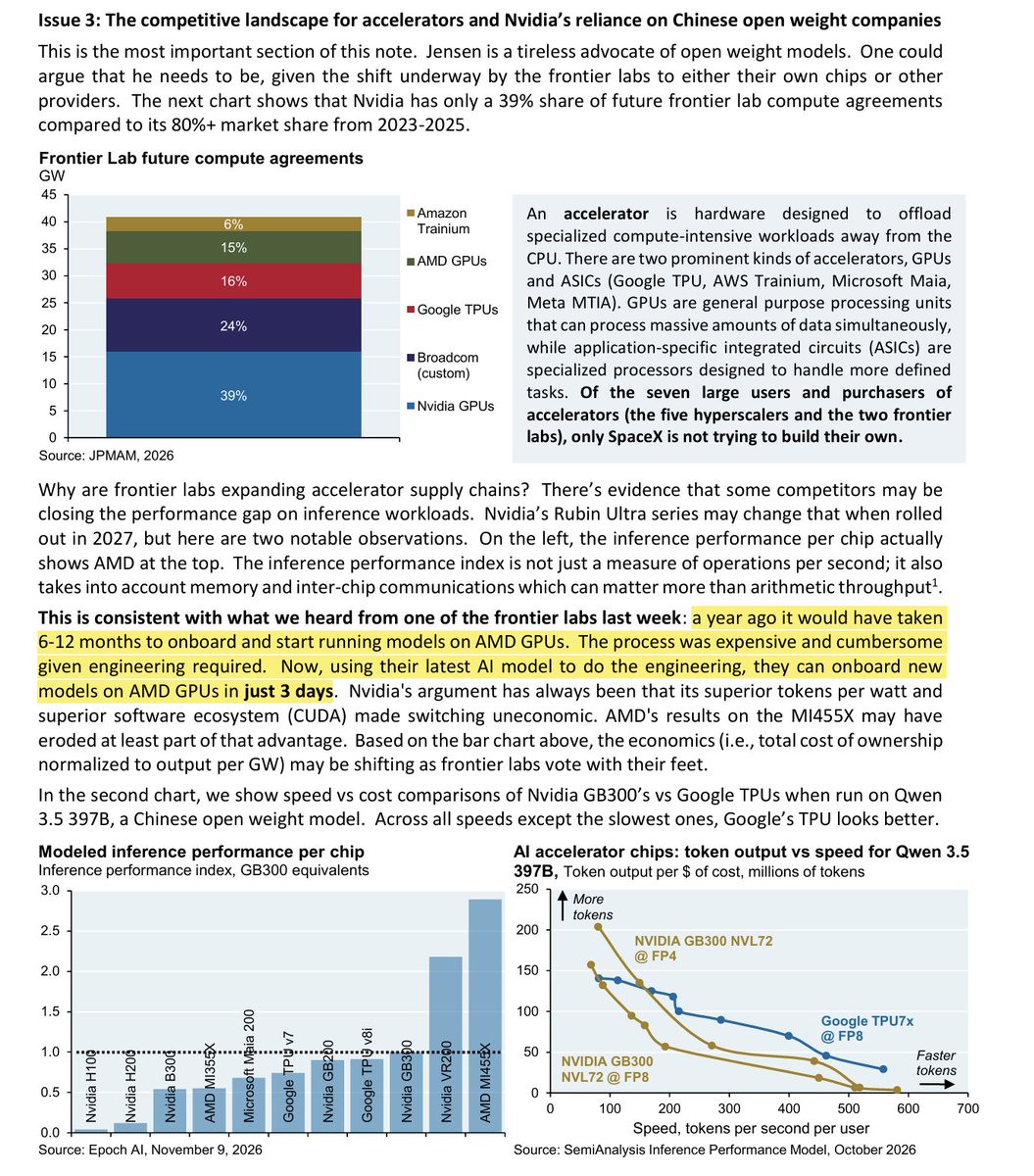
JPM said that, a year ago, getting a new model onboarded and actually running on AMD GPUs typically took 6–12 months because it required heavy engineering work that was both costly and cumbersome. Now they’re using their latest AI model to handle much of that engineering, and they claim the same onboarding can be done in about three days. The key thing to watch from here is whether this kind of time compression shows up consistently across more workloads—and whether it translates into broader AMD GPU usage or faster deployment cycles in future quarters.
DoubleLine Capital 首席执行官 Jeffrey Gundlach 基本上是在说,如果你从十年期的角度来看,标普 500 指数的定价似乎令人失望。 他将席勒市盈率 (Shiller CAPE) 作为他的锚点。他说,今年年中左右,标普 500 指数的 CAPE 为 42.04,按历史标准来看这是一个极端的读数。他的结论不是关于市场今天涨跌如何;而是以这样的 CAPE 水平,历史上在随后的 10 年里并没有带来正的实际回报。他补充说,即使 CAPE 超过 35,也“几乎没有例子”表明随后的 10 年实际回报率会变得明显为正。因此,从他作为长期投资者的角度来看,在预期未来实际回报为负时买入股票根本没有意义。 然后,他将这种估值计算与通胀背景联系起来。Gundlach 认为,如果政策制定者(他引用了 Kevin Warsh 的坚持)真的将通胀率推回到 2%,那么在 CAPE 约为 42 的情况下,历史隐含的典型结果在未来十年内仍约为 -6% 至 -8% 的实际回报率。如果实际回报率如此负面,他警告说,你很可能最终会得到名义上的负回报——不仅仅是“低”回报,而是 10 年来直接亏损。他的结论很简单:他在等待更便宜的切入点,因为在他看来,在这些估值水平下,长期股票买家的胜算并不高。
Management said AI initiatives rolled out over the past two years are now contributing more than $75M of adjusted EBITDA, spread across sales, supply chain, and enterprise functions, with a stated plan to scale that impact to $110M+ next year. Why it matters: this frames AI as a measurable earnings lever—not a pilot program—touching multiple parts of the P&L and implying operating model changes that could compound over time. What’s changed vs. last quarter: the language is more concrete and time-bound—dollars attached to results today, a specific target for next year, and a clearer claim that these tools are moving from “deployed” to “embedded in workflows.” Investor should watch next: evidence of follow-through on the $110M+ ramp (and how much is sustainable vs. one-off), where the incremental EBITDA is coming from (pricing/sales productivity vs. supply chain efficiency vs. overhead), and whether deeper workflow integration translates into durable margin expansion as adoption broadens.
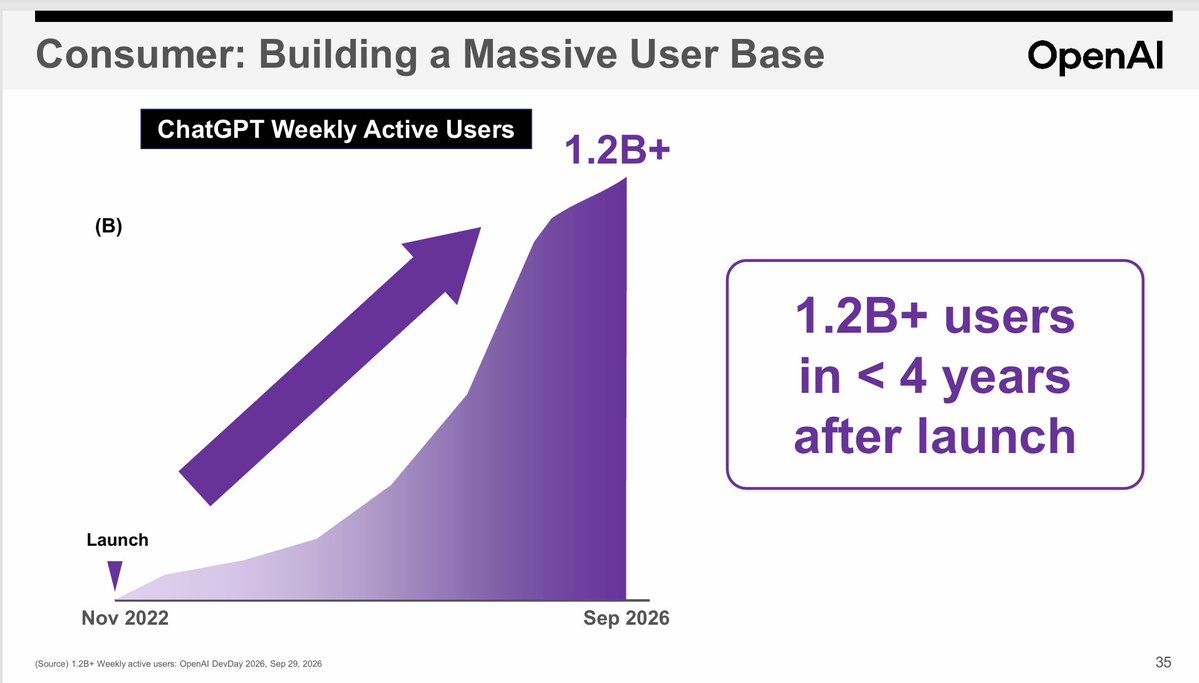
软银(SoftBank)首席财务官将 ChatGPT 描述为 OpenAI 关键的消费者“武器”,指出它正直接转化为规模效应:截至 2026 年 9 月,其周活跃用户数已达 12 亿。他强调的不仅是用户数量,更是其增长速度——仅用四年时间就达到如此庞大的用户群——他称这一速度异常之快,且难以复制。
Management said: Compute is the company’s biggest business dilemma because the tech is moving extremely fast, but it’s still unclear how (and how quickly) that translates into real economic value—so capacity planning sits under a lot of uncertainty. They also framed it as a tightrope: buy too much compute and you risk overextending financially; buy too little and you fail customers on inference and, more critically, you starve the R&D that determines what models you’ll have 6–12 months from now—and therefore what revenue you can generate later. Why it matters: This isn’t just an “infrastructure cost” comment—it’s a direct link between near-term capex discipline and the company’s ability to ship the next model cycle. In their framing, compute allocation is effectively the throttle on future product competitiveness and future revenue, not merely a margin lever. What changed vs. last quarter: The emphasis here is less about generic “scaling” and more about the decision risk on both sides—explicitly calling out (1) financial overextension from overbuying and (2) lost future revenue from underbuying because it constrains R&D. The timeline language (“six or twelve months from now”) also makes the R&D-to-revenue lag more concrete than a typical capacity update. Investor should watch next: Signals on how they’re balancing inference demand vs. training/R&D allocation; whether they’re locking in long-term compute supply or staying flexible; any guidance on capex/opex intensity tied to model roadmap milestones; and early indicators of customer inference pressure (latency/availability) that might force reallocation away from R&D.
Nvidia doesn’t run on silicon alone—it runs on the people building it. Strip away the engineers, researchers, and operators, and the brand name and hardware don’t amount to much.
Management said: Hyatt’s early experience listing directly in ChatGPT-enabled travel apps shows that users coming from those channels skew younger and spend more, but very few actually finish the booking inside that environment. Why it matters: The top-of-funnel looks attractive (higher-spend, younger demand), but conversion is the bottleneck. Until completion rates improve, the revenue impact will lag the traffic and intent signals. What changed vs. last quarter: Management is moving from “experimenting/learning” to more specific funnel diagnostics—now they’re explicitly calling out who the users are (younger, higher spend) and where the journey breaks (booking completion remains very low). Investor should watch next: Updates on booking conversion within ChatGPT/AI app flows, any product or partnership changes to reduce drop-off, and whether Hyatt can turn this higher-value demand into measurable booked room nights (and at what acquisition cost).
Management said Venmo has room for a 4–5× lift in revenue per active account by benchmarking against peers. That matters because it frames Venmo’s growth story less as “more users” and more as “better monetization per user,” which can support a stronger revenue trajectory even if account growth is lumpy. Compared with the usual high-level optimism, this is a more pointed signal: management is anchoring the upside to a clear gap versus the category, and tying it directly to where they plan to invest and scale. Next, investors should watch for evidence that this gap is actually closing—i.e., concrete product and commerce initiatives that expand monetization, plus any commentary on what’s working, what’s not, and how fast Venmo can translate those investments into higher yield per active account.
On the call, Shell’s CEO said the company is leaning harder than ever on data and AI to spot refinery issues before they turn into outages—using it to predict where things might break, step in earlier, and get the right people on it faster. That operational push is showing up in the numbers: the CEO pointed to 99% year-to-date utilization as evidence the refining and manufacturing teams’ “performance discipline” and simplification work is translating into real uptime. Why it matters is straightforward: in refining, avoiding unplanned downtime is the difference between steady cash generation and sudden margin givebacks. If AI-driven early intervention is actually helping keep units running, it can support higher throughput and more predictable results even when the environment is choppy. The CEO also didn’t frame this as “job done.” The language was deliberately unfinished—“a lot more to do” and “not yet where we need it to be”—which suggests management sees the current utilization level as progress, not a new baseline they’re ready to guarantee. What investors should watch next is whether that 99% utilization holds through tougher operating periods (turnarounds, seasonal demand shifts, or unexpected disruptions), and whether management starts giving more concrete detail on where AI is being applied (which assets, which failure modes) and how it changes maintenance planning, costs, and reliability over time.
Management Earnings Call takeaways: don’t just skim the financial headline numbers—listen for what the CEO/CFO actually says about demand, customers, pricing, and capacity. Use this structure: “Management said X → why it matters → what changed vs. last quarter’s wording → what investors should watch next.” Alphabet this week:

Management takeaways when Outlook is down: don’t get stuck on the earnings headline—go straight to what the CEO/CFO actually say about demand, customers, pricing, and capacity. Frame it as: “Management said X → why it matters → what changed vs. last quarter’s wording → what investors should watch next.”

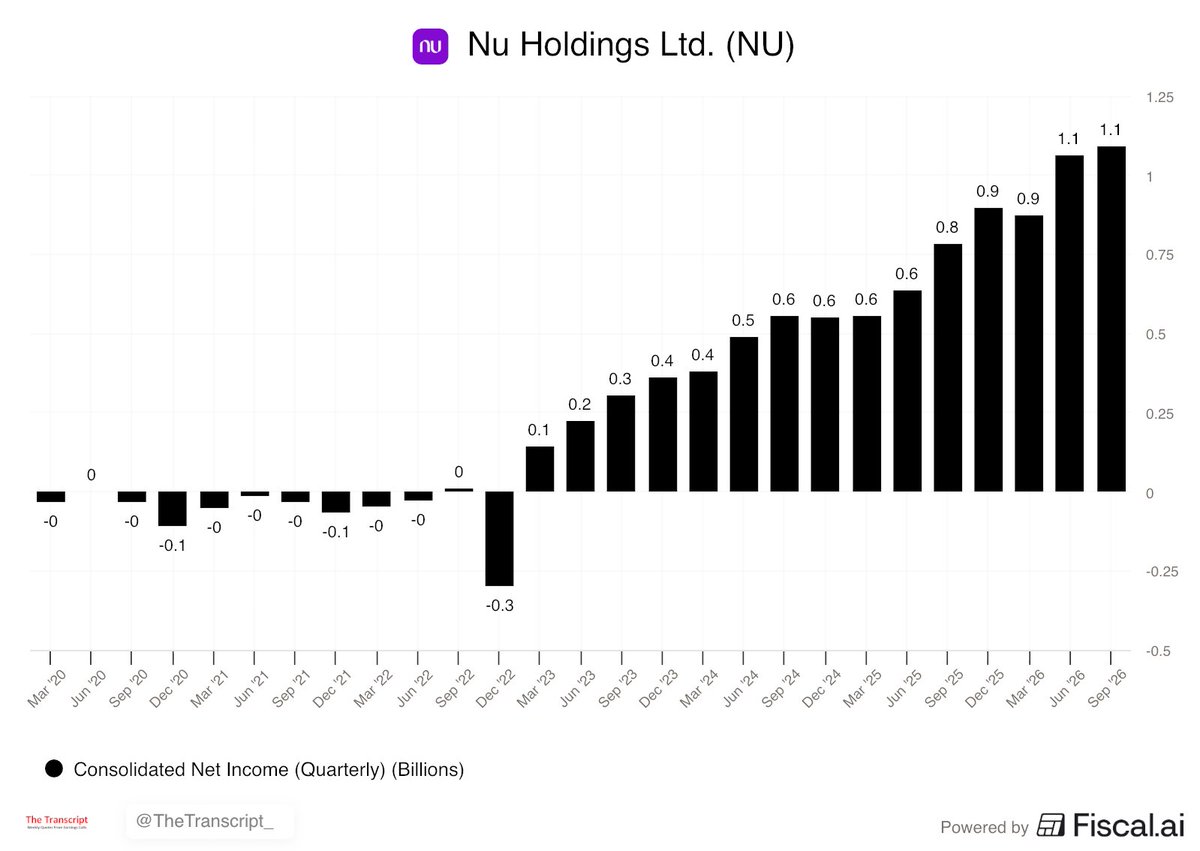
管理层表示,净收入创下11亿美元的历史新高(同比增长31%),股本回报率(ROE)达到32%。 → 为什么这很重要:这不仅仅是一个亮眼的标题数据;它标志着强劲的盈利能力和资本效率,使管理层在定价、增长投资和资产负债表决策方面拥有更大的空间。 → 与上一季度相比发生了什么变化:关注管理层的基调是否从“一次性走强”转变为“可持续的增长势头”,以及ROE是被视为一个新的基准水平还是峰值水平。 → 投资者接下来应关注:关于需求/信贷趋势、定价(收益率与资金成本)的任何指引或评论,以及在不承担额外风险的情况下将ROE保持在30%以上的能力。