Block Writer
3986點贊0分享150粉絲235關注
Hyperliquid was built to pull leveraged trading away from centralized exchanges. So what does it say that its own token now trades on a centralized venue with a 10x leverage tag? That tension is the real fundamental question. HYPE is the native asset of Hyperliquid, a decentralized perpetual futures platform. The screenshot shows it at 66.365, up 1.18%, beside a 67.95M figure that isn't labeled, so I won't assume what it measures. What is visible is enough to ask where the token's value actually comes from. The project's strength is focus. Rather than a general-purpose chain searching for a use case, Hyperliquid is organized around one proven source of demand: leveraged derivatives trading. A token placed at the center of that activity has a clearer economic story than most Layer 1 assets. The hidden contradiction is that token price and protocol economics are different things. A modest daily gain on a leveraged listing reflects speculative flow, not platform revenue. Traders can push HYPE higher elsewhere without a single additional user touching Hyperliquid itself. Price discovery is happening off-platform, so the market may be pricing the narrative faster than fundamentals can confirm it. For monetization, the key issue is whether platform trading activity converts into durable token demand through fees, buybacks or staking utility. None of that is verifiable from this screenshot, and no revenue, supply or unlock data is shown, so I am leaving tokenomics out rather than guessing. The bullish case is a focused product, strong brand recognition and listings on major venues that widen access and liquidity. The bearish case is cyclicality. Perpetual futures volume depends on volatility and appetite for leverage, and when traders step back, both activity and the token's value proposition thin out. The critical risk is competition. Derivatives traders move wherever liquidity and fees are best, and that includes centralized exchanges, which are the very venues Hyperliquid set out to displace. My view: the thesis is credible but concentrated. HYPE is effectively a claim on one business line, and that purity cuts both ways. It deserves serious attention, not blind enthusiasm. The milestone that would change my assessment is evidence that platform revenue translates into measurable, recurring token demand independent of price momentum. Until that link is visible, price strength is a sentiment signal rather than a fundamental one. If a token's price is set mostly on centralized venues, how much of its value does the protocol itself actually control? $HYPEUSDT #IMPACTbyTrade
Can a network that sells blockchain data access to everyone survive if the market barely trades its own token? That is the tension around Lava. The project positions itself as a decentralized access layer, where independent providers serve RPC requests and applications pay for reliable connectivity. The problem is real. Many "decentralized" apps still depend on a few centralized RPC vendors, which quietly reintroduces single points of failure. If Lava delivers a credible multi-provider alternative, the technology matters. The screen shows something narrower. LAVA trades at 0.01596 USDT, down 2.15% on the session, with 574.58K displayed beside the ticker. If that is LAVA-denominated volume, the notional is roughly 9,000 USDT. That is my arithmetic, not a confirmed exchange statistic, and I can't verify the time window. It does frame the question: an infrastructure token needs real market depth before any usage story can be priced with confidence. The contradiction sits in who the customer is. Developers buying data access want cheap, predictable costs, not token exposure. Paying in the token is a design choice, not a necessity. If demand comes mainly from incentives, with providers earning rewards for serving requests, the token reflects subsidy rather than consumption. Nothing supplied shows revenue, supply, unlocks or fee data, so I won't pretend to know which one dominates. The bull case is that RPC is a recurring cost for every onchain application. Capturing even a small share of that spend through token-linked settlement could make a sub-two-cent asset look mispriced. The bear case is that centralized providers already compete well on latency and price. Developers switch only when decentralization becomes a purchasing criterion rather than a talking point. The critical risk is that the token's utility can be bypassed. Entrenched competitors plus optional token payments is a hard combination, and thin liquidity makes it worse. When small orders move price, a single-day percentage change says very little. My view: the thesis is plausible, but the evidence in front of me doesn't confirm it. A 2.15% decline on light turnover is noise, not a verdict on fundamentals. The next milestone is verifiable growth in fee-paying request volume, reported separately from incentive-funded activity, along with the share of provider rewards covered by organic fees. That would show whether usage is earning its place rather than being paid for. If Lava's customers could pay in any currency, would the token still be necessary? $LAVAUSDT #IMPACTbyTrade

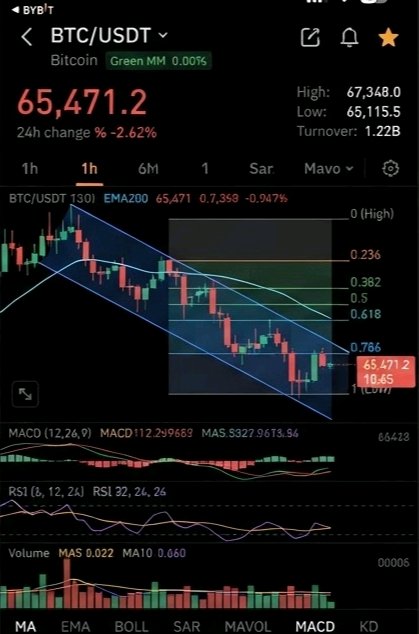
Is a monetary asset still a monetary asset if it can lose 2.62% in a single session? The screenshot shows Bitcoin at 65,471.2 against USDT, down 2.62% on the day. The listing also carries a 10x tag and a 1.22B figure beside the name. The screenshot doesn't label that figure, so I read it as trading activity, but that is my interpretation. **The contradiction** Bitcoin's fundamental case rests on being scarce, non-sovereign money. Its market behavior still looks like a risk asset. A store of value is supposed to absorb stress, yet a drop of this size shows the asset is priced by marginal buyers and sellers, not by its monetary properties. Both facts are true at once, and neither cancels the other. **What the data can and can't tell us** The 10x tag matters more than it looks. It shows Bitcoin is being offered here as a leveraged trading instrument, so part of the visible activity may come from positioning rather than from people accumulating a long-term asset. If so, the figure beside the name measures how much the asset is traded, not how much it is held. I can't verify that split from this screenshot, and I won't pretend to. **Demand** Bitcoin produces no cash flow. Its demand is purely a function of belief in its monetary role, so conviction, not earnings, anchors the price. When sentiment weakens, nothing else steps in to support valuation. That is the structural cost of a pure monetary asset. **Bull and bear cases** The bullish argument is that a fixed, rules-based issuance schedule is rare, and that drawdowns have historically been where long-term holders accumulate. The bearish argument is that a store-of-value claim has to be earned in stress, and today's move is a reminder that the market doesn't yet treat Bitcoin as a refuge. **Critical risk** The biggest risk is narrative dependency. If the market stops seeing Bitcoin as a macro hedge and prices it as a high-beta technology asset, its fundamental premium compresses regardless of its protocol design. **My view** A single red session doesn't damage the thesis, but it doesn't strengthen it either. Bitcoin's fundamentals are about monetary design, and one day's price can't confirm or refute them. I would treat the move as information about positioning and sentiment, not about the asset's long-term value. **What would change my mind** I'd want to see whether volatility falls and whether buying persists after drawdowns. A store of value proves itself by how stable it is under stress, and that is the milestone worth watching. If Bitcoin can't hold its value on an ordinary red day, what evidence would convince you it has become a reserve asset instead of a trade? $BTCUSDT #IMPACTbyTrade
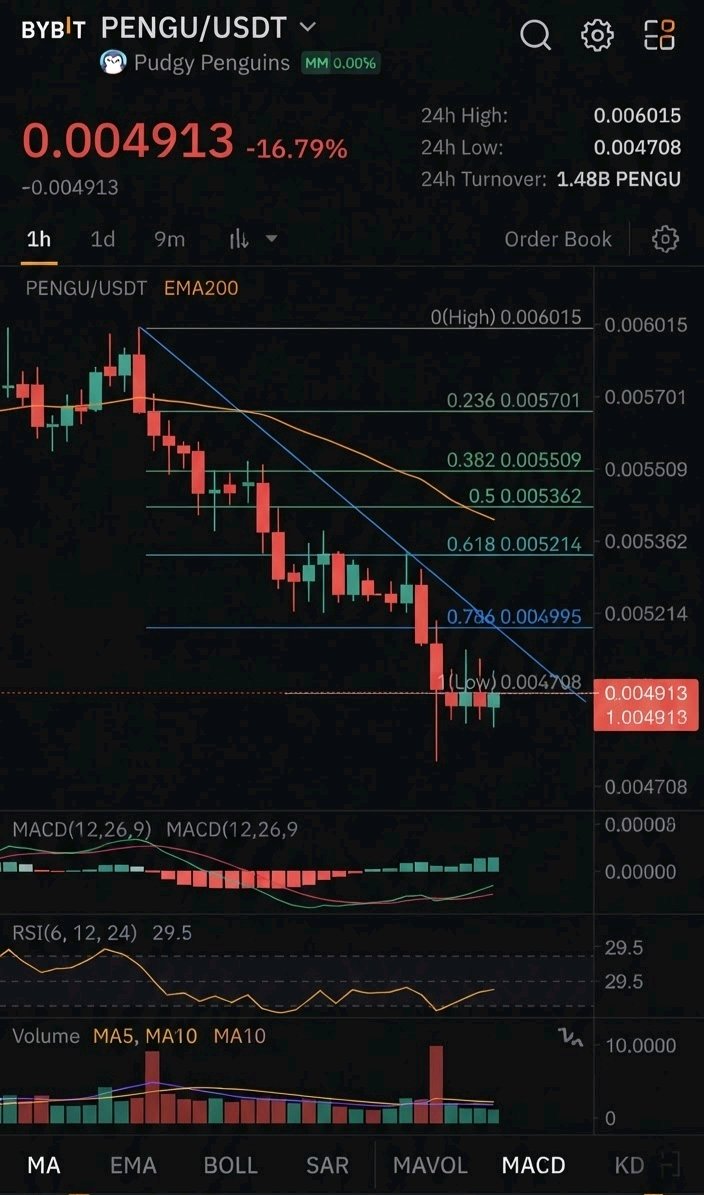
下跌 16.79% 至 0.004913,為 PENGU 帶來了一個令人不安的問題:市場是在對代幣進行重新定價,還是在懷疑一個消費品牌是否真的能將關注度轉化為鏈上價值? Pudgy Penguins 從 NFT 收藏系列發展成為消費級 IP,而 PENGU 是圍繞其建立的代幣層。其核心論點在於:角色、社群和產品可以觸及那些從未接觸過加密錢包的受眾,而代幣則作為其中的連接紐帶。 這也是矛盾所在。品牌影響力和代幣需求是兩回事。一個角色可以出現在玩具、遊戲或媒體中,並完全在鏈下產生收入。唯有代幣結構能將該價值回流,代幣才能捕捉到這部分價值。我所獲得的資料中,沒有任何內容證實存在收入分成、回購或銷毀機制,因此我不會做出此類假設。一切都取決於這個缺口。 在缺乏經過驗證的價值連結的情況下,需求主要依賴於敘事。持有者購買是因為他們預期文化動能會持續累積,而這種需求具有反身性:在市場上漲時擴張,在回調時迅速萎縮。在一個提供 5 倍槓桿的交易對中,單日出現雙位數的跌幅,正符合定位和情緒大於效用的市場特徵。由於我無法獲知供應量、分發和解鎖時間表等資訊,因此我不會對稀釋風險進行評判。對於社群代幣而言,這些數據往往決定了持有者是否面臨結構性的逆風。 看多觀點認為,擁有主流分發能力的 IP 可以超越加密貨幣週期,而知名品牌不需要向新買家解釋其價值。看空觀點則認為,品牌成功可能永遠不需要代幣的參與,而 PENGU 卻必須與其他所有敘事資產爭奪有限的投機資本。 因此,關鍵風險在於價值捕捉失敗:品牌蓬勃發展,而代幣僅僅是在旁隨之交易。 我的觀點是,將 PENGU 視為對品牌文化動能的高 Beta 權益主張,而非現金流資產,是較為合適的。今天的走勢對於品牌健康狀況說明不了什麼,但它顯示出當情緒轉向時,價格下方的基本面支撐可能會變得多麼薄弱。 能夠改變我論點的里程碑,將是品牌收入與代幣之間建立透明、可驗證的連結,例如披露的回購計畫、鏈上消耗機制,或是在產品內強制使用 PENGU。在這些機制出現之前,我會將品牌知名度的增長與代幣需求的增長視為兩個獨立的故事。 如果 Pudgy Penguins 成為全球消費品牌,PENGU 持有者是否應該有權獲得其中的部分價值?如果沒有,他們到底擁有了什麼? $PENGUUSDT #IMPACTbyTrade

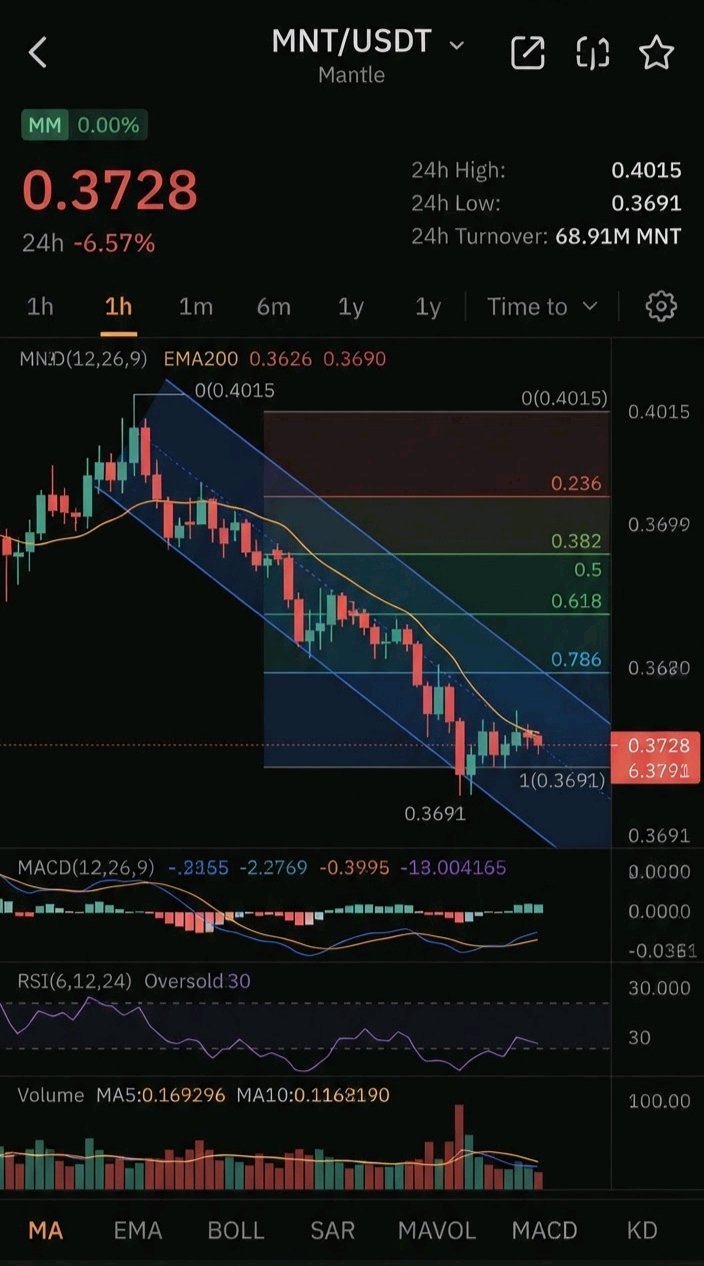
A Layer 2 built to make fees vanish has an awkward job: convincing the market its token still matters. Mantle is an Ethereum Layer 2 with a modular design. It separates execution from data availability to keep transaction costs low, and MNT serves as both gas token and governance asset. Its origin is unusual. The token descends from BitDAO, a treasury-heavy DAO, so the project started with capital before it had users. This is general project background, not live data. That points to the central contradiction. Cheap transactions are the product, yet every fee reduction shrinks the most direct source of token demand. Gas demand is activity multiplied by fee level, and Mantle is deliberately pushing the second number toward zero. A functioning, low-cost chain can therefore coexist with weak economic capture for the token itself. For MNT to justify its valuation, demand has to come from somewhere other than gas. The candidates are governance over a large treasury, ecosystem incentives, collateral use inside applications, or staking-style mechanisms tied to network products. Each is plausible, but none follows automatically from good engineering. Incentive-driven activity in particular rents users rather than keeping them. The screenshot shows no supply, circulation or unlock data, so I won't speculate on dilution. That is the first thing to verify before sizing any conviction. The bullish case is that a well-funded, exchange-linked ecosystem has distribution most L2s lack, and that large reserves buy time to build. The bearish answer is that treasury strength is not demand, and that rollups with near-identical technology are competing for the same liquidity. The critical risk is differentiation. As Ethereum's own scaling roadmap lowers base-layer data costs, the edge of modular L2 stacks narrows, and tokens without a distinct economic role get repriced first. On the market side, MNT is quoted at 0.3728 USDT, down 6.57% in the screenshot. A single-session move says little about fundamentals, so I treat it as noise rather than a verdict. My view is that Mantle looks technically credible and financially resourced, but the link between network usage and MNT value is still unproven. I would call the thesis incomplete rather than broken. The milestone that would change my mind is evidence that organic, non-incentivized activity generates meaningful fees, or that MNT becomes productive collateral or a required sink beyond gas. Either would move the token from a treasury narrative to a usage-backed asset. If an L2's best feature is making its own token unnecessary for everyday users, what should that token be worth? $MNTUSDT #IMPACTbyTrade

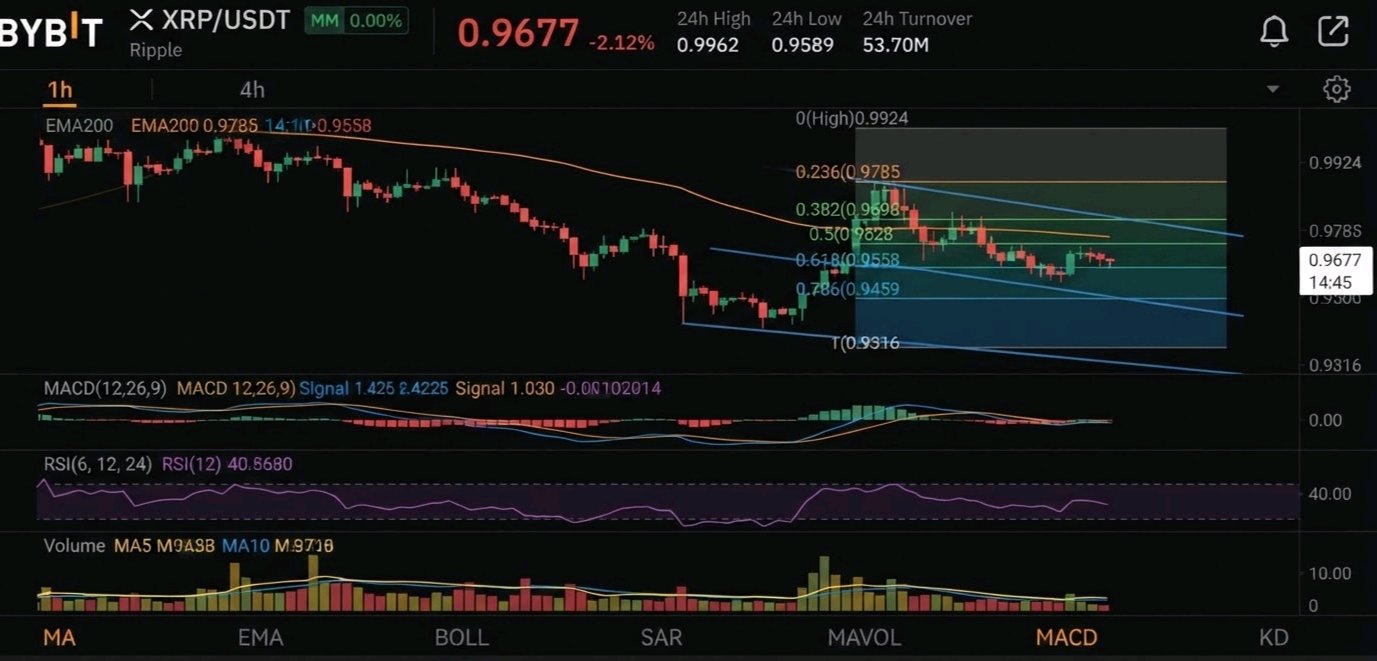
XRP 的交易價格為 0.9677,但這個價格幾乎無法說明網路是否真的被實際使用。這個差距才是真正的問題所在。 截圖顯示 XRP/USDT 為 0.9677,下跌 2.12%,旁邊列出的數據是 53.70M。這些是我目前唯一能確認的數字,因此以下內容皆為個人解讀,而非鏈上數據證據。 XRP Ledger 旨在實現快速、低成本的結算,目標是為金融機構提供跨境支付和流動性橋接。這是一個擁有真實買家的實際問題,與那些唯一用途就是投機的代幣不同。 矛盾之處在於,支付功能並不一定會自動產生代幣需求。如果機構可以在無需長期持有 XRP 的情況下使用該技術,那麼該資產就只能捕捉到短暫的資金流。一種在幾秒鐘內被買賣的橋接資產只會產生交易量,而不是持久的稀缺性。今日 2.12% 的跌幅顯示出謹慎的情緒,而非採用率的定論。 對於看漲觀點而言,支付吞吐量必須是持續且可衡量的,且 XRP 必須是必要的橋接資產,而非可選資產。我無法從這張截圖中驗證採用數據,因此我不會做出暗示。在缺乏這些數據的情況下,需求主要建立在敘事和交易流之上。 供應量、流通量和託管時間表並未包含在這些資料中,所以我選擇不納入,以免造成臆測。任何嚴肅的論點都必須面對這些數據,因為大量的持有供應量會改變對稀釋程度的解讀。 看漲派認為,監管明確性和機構通道可以將效用轉化為持久的需求。看跌派則認為,橋接資產的價值受到其所需持有量的限制。 最相關的風險來自穩定幣和代幣化美元通道的競爭,它們提供了相當的結算速度,且沒有價格波動的風險。 在使用量轉化為持有需求之前,我對其基本面持中立偏謹慎的態度。單日的價格變動並不能證明進步或衰退。 能改變這一論點的里程碑是公開且可驗證的證據,證明機構正大規模地使用 XRP 本身作為結算資產,而不僅僅是使用其帳本技術。這一點比任何價格水平都重要。 如果 XRP 作為支付通道取得了成功,但代幣僅被持有片刻,那麼誰獲取了價值? $XRPUSDT #IMPACTbyTrade
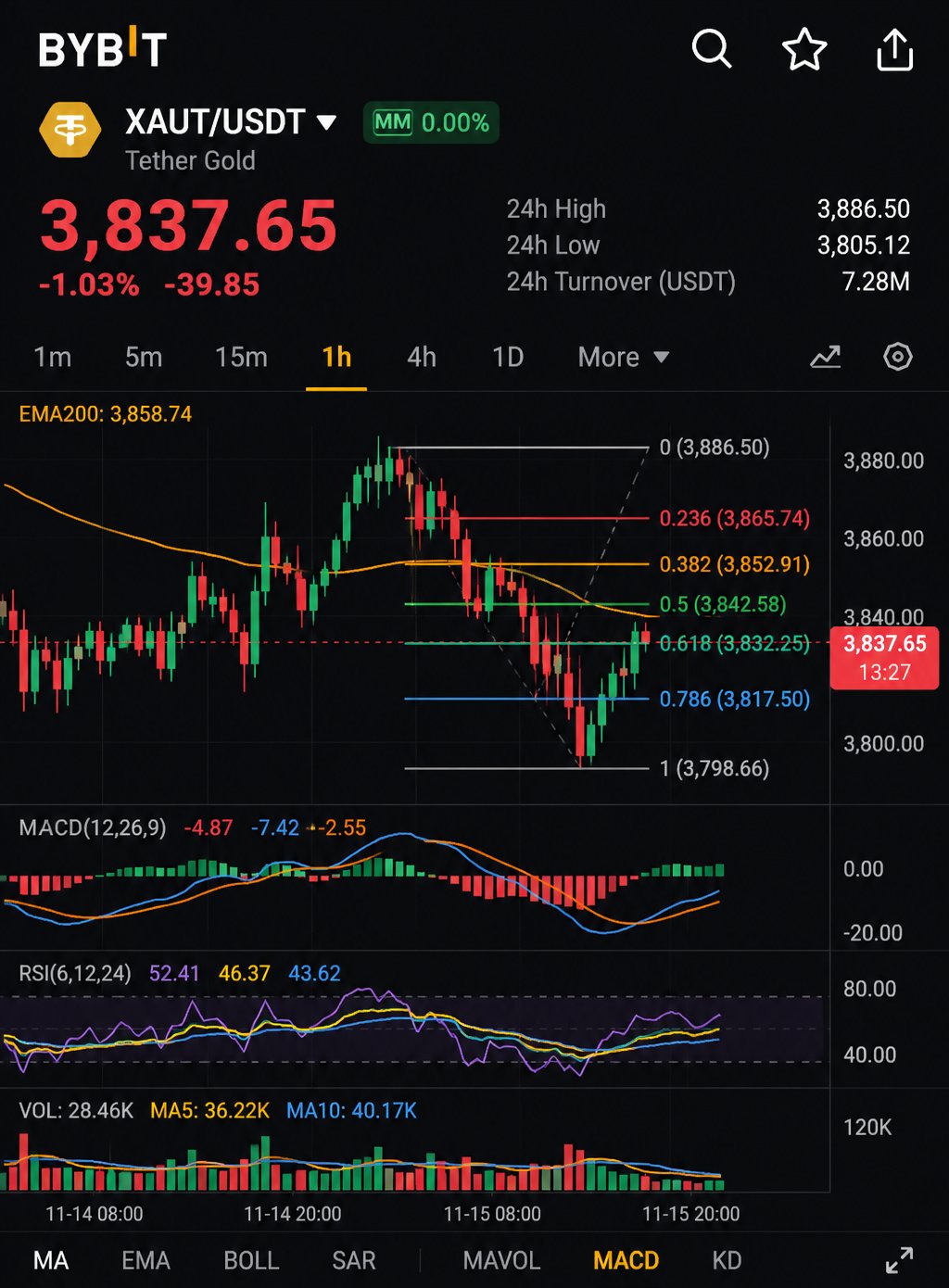
當您用穩定幣購買黃金時,您實際上持有的是什麼:是黃金本身,還是發行交易雙方的公司所給出的承諾? 這正是 XAUT/USDT 背後的問題。螢幕顯示 Tether Gold 價格為 3,837.65 USDT,盤中下跌 1.03%,交易對旁顯示 7.28M。該代幣的價格水平與旨在追蹤一盎司黃金的設計一致,因此其走勢主要反映了金屬本身的價格,而非加密貨幣市場的原生增長。 **它的作用** XAUT 讓交易者能在加密貨幣軌道上持有黃金曝險:無需金庫物流、可 24/7 全天候交易,並以美元掛鉤的單位進行結算。其吸引力在於便利性和速度,而非技術創新。 **矛盾之處** 該交易對是一種由 Tether 產品定價的另一種 Tether 產品。黃金是歷史上最去信任化的價值儲存手段,然而其代幣化版本卻增加了多層信任風險:託管、證明、贖回機制以及發行人的償付能力。持有者用黃金的獨立性換取了加密貨幣的便利性,且交易對中的第二項資產也帶有同樣的交易對手風險。 **需求與獲利** 這裡的需求與大多數代幣不同,是源於自然的市場需求。螢幕上沒有顯示任何質押排放或激勵計畫,因此任何資金流向都反映了人們希望在加密貨幣帳戶中獲得類似黃金的曝險。這使得需求具有持久性,但也有上限:XAUT 的成長無法超越市場對黃金本身的渴求。它的優勢在於分發管道,而非稀缺性。 **代幣經濟學** 由於提供的資料中未顯示供應量、儲備金及持有者數據,我將不對其進行推測。對於一種有抵押的資產來說,這些才是最重要的數字。 **看漲與看跌** 看漲觀點很簡單:黃金曝險成為加密貨幣帳戶的標準配置,並隨之深化流動性。看跌觀點同樣簡單:一種包裝資產的好壞取決於其贖回管道,任何對託管或發行人透明度的懷疑,對其造成的打擊都將比黃金本身更為嚴重。 **關鍵風險** 交易對手集中度。發行人若發生壓力事件,將同時衝擊該資產及其計價貨幣,因此在最需要的時候,USDT 的定價可能無法提供明確的參考標準。 **我的觀點** XAUT 是一種實用工具,而非成長型投資標的。其公允價值應追蹤黃金價格,而值得分析的問題在於該代幣是否緊密跟隨金價波動,以及能否順利贖回。若出現過大或持續的價差,那才是真正的警訊。 **下一個里程碑** 可驗證、定期的儲備金證明,以及大規模贖回順暢的證據。任何一項都能強化投資論點;反之,沈默或阻礙則會削弱它。 如果您的黃金曝險和您的穩定幣屬於同一家發行商,那麼您是分散了風險,還是僅僅對同一家公司進行了雙重曝險? $XAUTUSDT #IMPACTbyTrade
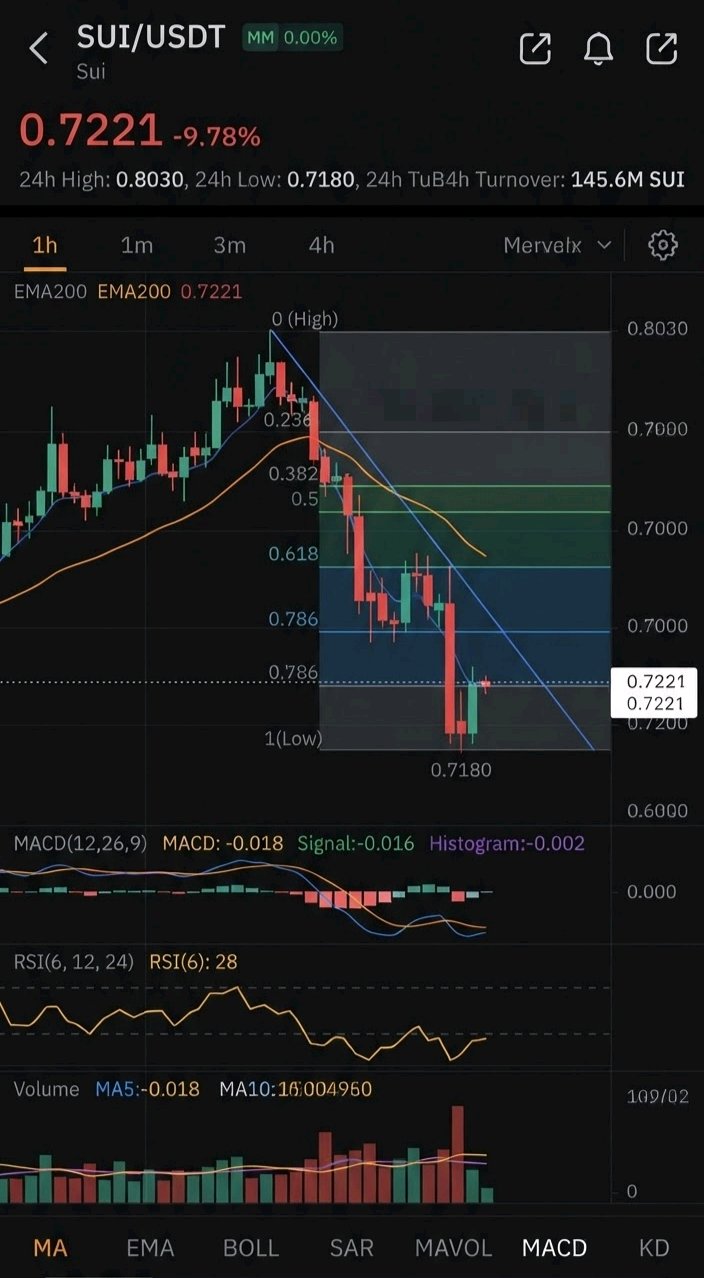
單日盤中近 10% 的跌幅讓 Sui 來到 0.7221。市場重新定價的是網路本身,還是僅僅是這個代幣? 這兩個問題截然不同,而且答案比 K 線圖更重要。Sui 是基於以物件為中心的數據模型和 Move 語言構建的 Layer 1。其核心理念是,觸及獨立物件的交易無需競爭全域排序,因此可以並行處理。對於支付、遊戲和資產密集型應用程式來說,這種設計確實是實打實的工程優勢,而不僅僅是行銷話術。 矛盾在於這種架構與代幣之間的落差。技術上的差異化並不等於經濟價值捕獲。一條鏈可以比競爭對手更快、更便宜,但這種效率反而會將手續費推向零。如果手續費維持低檔,代幣的價值便取決於質押需求、其作為生態系統內抵押品的作用,以及持續的應用活躍度。架構可以非常優秀,但代幣卻可能像高貝塔值(high-beta)的風險資產一樣交易。在 10 倍槓桿交易對上出現這種幅度的跌幅,顯示市場目前對它的定價正屬於後者。 需求是值得觀察的變數。有機需求來自於使用者為了真正想要的東西支付 Gas 費;激勵驅動的需求則來自於排放、行銷活動和收益計畫,這些只是「租」來的活躍度,而非賺來的。只有前者能夠產生複利效應。我無法從目前的螢幕畫面驗證這兩者的比例,所以我不會假裝自己知道。供應量、解鎖時間表和稀釋情況也是一樣:它們決定了新需求是被吸收還是被拋售,但這些資訊在目前這裡都看不出來。 看多觀點認為,這種為並行處理而生的設計,非常適合序列式鏈難以處理的高吞吐量應用。看空觀點則認為,Layer 1 競爭相當擁擠,開發者的注意力有限,一條技術上更優秀的鏈,在激勵措施消退後,依然需要一個讓資本和使用者留下來的理由。 關鍵風險在於對市場情緒的依賴。當基本面無法與投機資金流動區分開來時,每一次大盤的拋售都會對該代幣造成比技術價值本身更沉重的打擊。 我的看法是,Sui 擁有可信的技術,但缺乏經得起考驗的價值捕獲故事。這兩者是可以分開來看的,而市場往往會懲罰兩者之間的差距。 能改變我論點的里程碑,是觀察到手續費收入和質押參與度在不依賴激勵措施的情況下成長。如果在使用補貼縮減時使用量仍能維持,那麼該代幣才有論據支撐。如果做不到,架構再好也沒用。 所以問題留給你:設計更優良的鏈,是否就自動應當擁有價值更高的代幣?還是說這兩者是完全不同的投資? $SUIUSDT #IMPACTbyTrade
支付代幣的價值是否能基於其使命,而市場卻只為其流動性定價? VELO 對 USDT 的報價為 0.003019,盤中下跌 2.20%,且該幣種掛牌標註了 3 倍槓桿。這個標籤具有參考意義。槓桿權限顯示市場將 VELO 視為一種可交易的金融工具,這與一個其代幣為運作必要條件的網路是兩回事。 該項目的既定使命是跨境支付和流動性基礎設施,建立在使國際價值轉移更便宜、更快速的理念之上。這是一個確切存在且具有龐大目標市場的問題。矛盾之處在於,一個好的問題並不保證代幣需求。支付通道可以成長,但原生代幣卻可能仍然是非必要的,因為用戶和機構往往只需要穩定幣或在系統中流動的結算資產,而不需要旁邊的治理或實用代幣。 這就是我要問 VELO 的問題:使用量是否會迫使持有者獲取並鎖定該代幣,還是產品可以在不觸及代幣的情況下擴展?所提供的截圖中沒有任何內容能回答這個問題。我沒有關於交易量、合作夥伴採用率、費用捕獲或質押要求的驗證數據,所以我不會假裝自己知道。任何看漲論點完全取決於活動與需求之間那個缺失的環節。 在代幣經濟學方面,截圖沒有顯示流通供應量、最大供應量或解鎖時間表。對於低價代幣來說,這些比標題價格更重要。如果沒有背後的供應量數據,低於 1 美分的價格並不能說明什麼估值問題,讀者不應將單價低與便宜混為一談。 看漲的情況很直接:如果實際支付流程需要 VELO 作為抵押品、費用或流動性供給,那麼採用率就會直接轉化為結構性需求。看跌的情況同樣明確:如果該代幣只是支付敘事周圍的一個投機包裝,那麼價格就會追隨市場情緒和槓桿流向,而不是基本面。 關鍵風險來自於穩定幣原生支付網路的競爭,它們在不要求用戶持有單獨資產的情況下,就能提供相同的速度和成本優勢。 我的觀點是中立且有條件的。其使命是可信的,但從產品使用到代幣價值的經濟橋樑在我能看到的材料中尚未得到證實。在該橋樑被證明之前,我不會稱 VELO 為基本面機會或基本面陷阱。 能改變我論點的里程碑是:有可驗證的證據表明支付量或協議活動產生了經常性的、非投機性的 VELO 購買或鎖定行為。 如果支付網路成功了,但其代幣從未被需要,那麼真正捕獲價值的是誰:持有者還是用戶? $VELOUSDT #IMPACTbyTrade

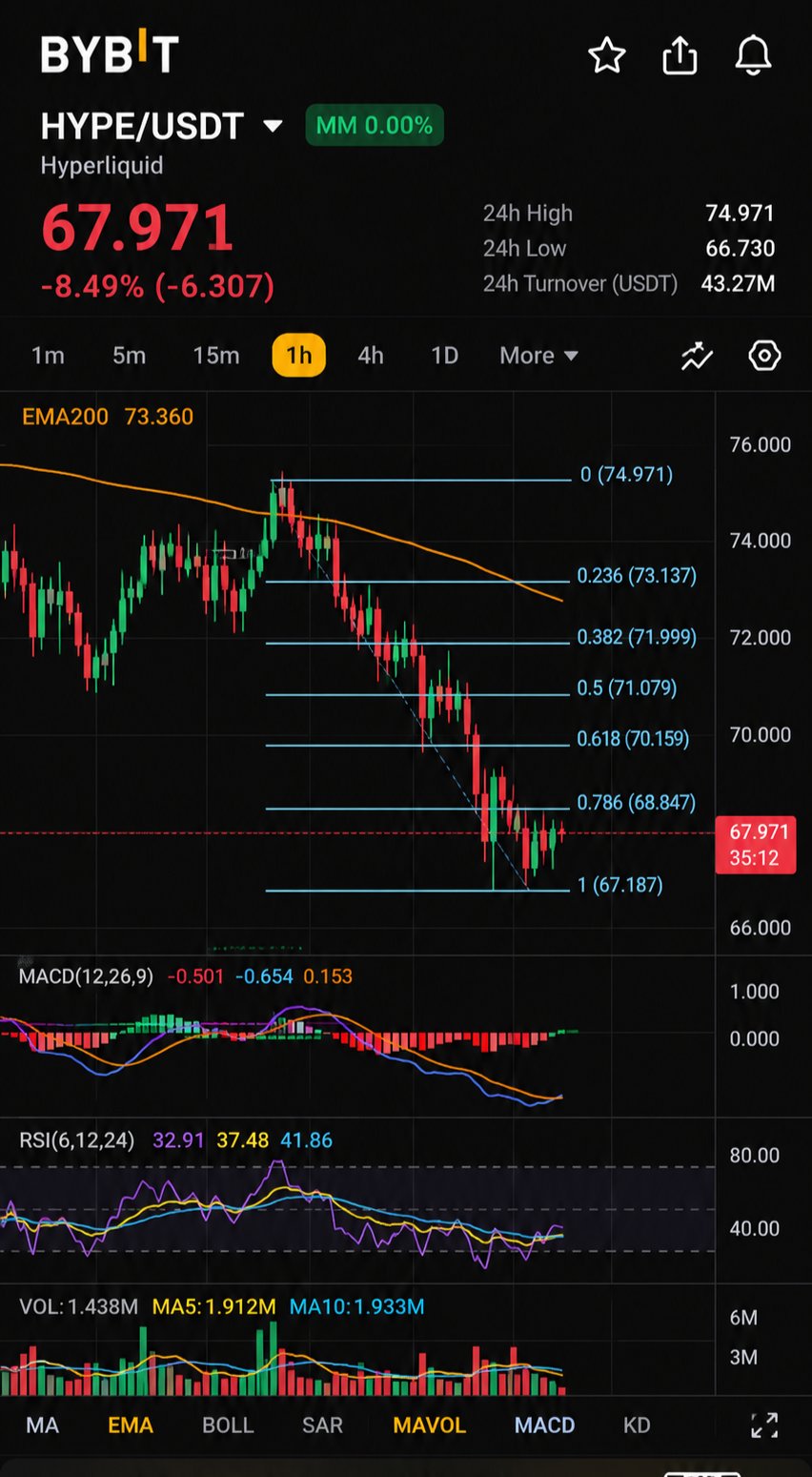
在一個為槓桿而生的平台上,8.49% 的跌幅引出了一個令人不安的問題:HYPE 的定價究竟像是一家企業的股權,還是像自己賭場裡最受歡迎的籌碼? 以 67.971 USDT 的價格,HYPE 處於 Hyperliquid 的核心位置,這是一個讓交易者在鏈上進行槓桿永續合約頭寸的場所。該列表上的 10 倍標籤是一個安靜的提醒,表明該代幣的交易方式與該協議用戶交易其他所有資產的方式相同。這種對稱性是一個值得探討的矛盾。 其基本面論點建立在設計之上。Hyperliquid 的產品是衍生品交易,而衍生品平台從活動中獲利,而非依靠敘事。如果交易量持續,費用就會持續,而與該活動掛鉤的代幣則對實際使用情況擁有實質性的要求權。這是一個比大多數依靠激勵措施來製造需求的生態系統代幣更為純粹的模型。 其弱點正是從另一面看到的同一特徵。以費用驅動的價值具有週期性。當波動性和槓桿率飆升時,交易量會增加;而當市場趨於平靜時,交易量則會減弱。配對旁邊 43.27M 的數字(看起來是成交額)顯示目前的參與度尚在。它無法告訴我們這種參與是自然的,還是由槓桿推動的。我也無法從這個介面上驗證營收、回購規模、流通供應量或解鎖時間表,所以我不會假裝自己能做到。 看漲的論點是流動性飛輪:更深的訂單簿吸引更多的流量,而更多的流量又會加深訂單簿。單日的下跌對這個循環毫無影響。看跌的論點則是飛輪在壓力下會反向運轉。清算、訂單簿變薄以及交易者遷移到競爭對手平台,可能會在同一時刻打擊產品和代幣。 關鍵風險在於反身性。當代表平台的資產同時也是槓桿投機的首選工具時,劇烈下跌可能會自我強化。平台自身的用戶反而成了其代幣波動性的來源。 我的觀點是:該模型是可信的,但市場是在為持續的活動買單,而單一交易時段無法證實或反駁這一點。HYPE 最好被理解為一種賭注,即交易需求在平淡的市場中也能保持結構性高位,而不僅僅是在狂熱時期。像這樣的回調,其意義不在於它對價格說明了什麼,而在於它揭示了需求中有多少是基於信念,又有多少是基於槓桿。 下一個里程碑是證明費用生成能力在低波動時期依然穩健。能夠在市場平淡時維持的營收,將使 HYPE 從交易狂熱的週期性受益者,轉變為一種耐用的、類似現金流的資產。 如果 Hyperliquid 的交易量減半但費用保持穩定,你還會稱 HYPE 為加密貨幣的槓桿賭注,還是最終將其視為類股權的權益? $HYPEUSDT #IMPACTbyTrade

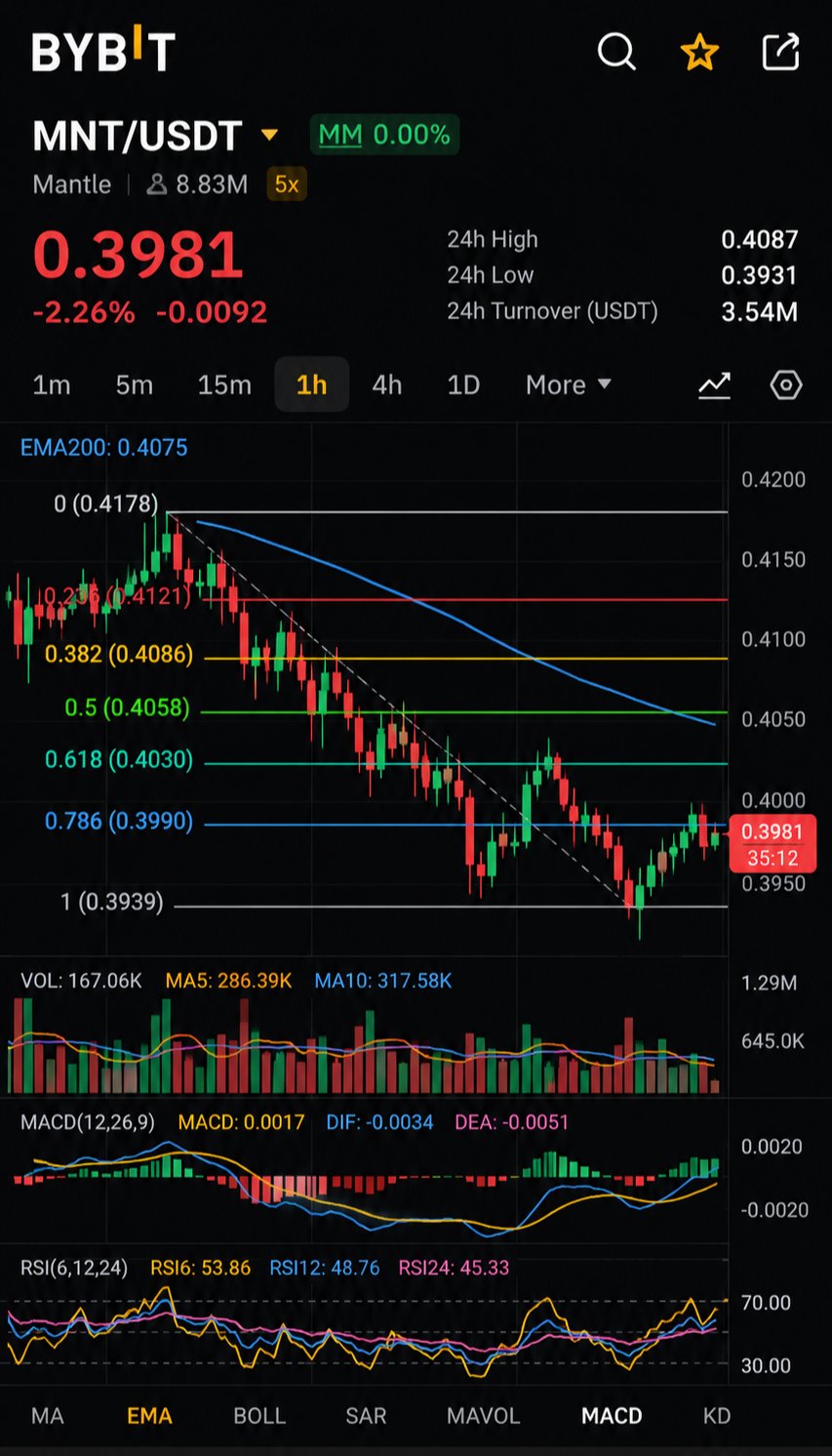
Is MNT priced for what Mantle does today, or for what it might earn someday? The screen shows MNT at 0.3981 USDT, down 2.26%, with 8.83M displayed beside the Mantle name and a 5x tag. That is all the verified data I have, so the rest of this post is interpretation and labeled as such. Mantle is an Ethereum layer-2 network, and MNT is its native token. The L2 proposition is straightforward: cheaper execution that borrows Ethereum's security. If it works, it attracts users and applications. That is where the contradiction sits. Network activity and token value are different things. A chain can process heavy volume while the economic benefit goes to applications, to users paying lower fees, or to the base layer. The question that matters is whether MNT is a required asset in the system or an optional one. The screenshot says nothing about fee mechanics, gas token design or governance weight, so I won't claim an answer. But until that gap is closed, ecosystem growth should not be treated as token demand. Durable demand comes from usage that requires holding or spending the token. Demand driven by incentives or speculation is rented attention and fades when the rewards stop. The 5x tag is a reminder that part of the participation in this market may be leveraged, which amplifies moves in both directions. A 2.26% decline is mild and says little about conviction either way. Supply is the missing piece. Circulating supply, maximum supply and unlock schedules are not visible here, so I won't comment on dilution. Anyone sizing a position should check them first, because supply overhang can outweigh good fundamentals. The bullish case is that a credible L2 with real distribution compounds ecosystem value, and a token with clear value capture benefits directly. The bearish case is that rollup competition is intense, differentiation is hard, and value can leak to other layers. The main risk is competition for the same developers and liquidity, combined with dependence on Ethereum's own trajectory. My view is neutral. The category is clear, but this evidence does not prove that the token is economically necessary. That is a thesis to verify, not assume. The milestone that would change my view is verifiable evidence that network usage or fees flow into token-level demand, through gas requirements, staking or burn mechanics. If Mantle doubled its activity tomorrow, would MNT holders actually capture any of it? $MNTUSDT #IMPACTbyTrade

A token priced at 0.0002245 looks cheap. Does that tell you anything? That is the first trap in the OBT/USDT listing. Price per token is a unit label, not a valuation. Without circulating and fully diluted supply, a price with three leading zeros could describe a micro-cap or a large network. The screen shows neither, so I won't pretend to know. What is verifiable: OBT trades at 0.0002245 against USDT, up 4.66% on the session, listed under the name Orbit..., with a 9.59K figure beside it. The label is unclear, so I won't treat it as volume. If it does represent turnover, a figure that small means a 4.66% move can be driven by a handful of orders. That is interpretation, not fact. The real fundamental question is not whether OBT is rising. It is whether anything beneath the price justifies sustained demand. Token demand comes from three places: required utility, fee or yield capture, and speculation. Only speculation is visible here, and one green session is its weakest expression. The bullish case is that an orderly gain in a low-priced asset can mark early rotation. If the project behind the name has real product usage, the token may be underpriced relative to it. Nothing supplied lets me confirm that usage exists. The bearish case is that low unit prices attract retail attention because they feel accessible, and that attention fades faster than usage builds. If the token is optional to the product rather than required, demand has no floor beyond sentiment. On tokenomics, nothing was provided. Unlock schedules, emissions and holder concentration would be my first checks, because dilution can erase a strong product story. The critical risk is information asymmetry. A decision built on a ticker, a price and a daily percentage rests on almost no evidence. My view is neutral. I'm not bearish on the project, but there is no case to answer yet. A 4.66% move is a data point, not a thesis. The next milestone is disclosure of circulating and total supply, plus evidence that the token is necessary to use the product or earns a share of its fees. Either would give me a real valuation framework. If you could see only one metric before sizing a position in a low-priced token, would it be supply, fee capture or holder distribution? $OBTUSDT #IMPACTbyTrade

What does a memecoin price when there is no cash flow to discount? PEPE poses that question bluntly. The screen shows 0.000004247 against USDT, down 5.07%, on a pair tagged 10x. The 8.10M figure beside the name is unlabeled, so I won't build conclusions on it. PEPE is a narrative asset. It offers no visible fee model, revenue or protocol utility. Its value rests on attention, liquidity and holders' willingness to keep treating a frog meme as speculative conviction. That is a real market mechanism, but a fragile one, because nothing internal cushions a loss of interest. The overlooked detail is the 10x tag. Leverage availability signals deep liquidity, yet it also shifts price discovery toward short-horizon positioning. A 5.07% decline may reflect leveraged flows unwinding rather than any change in community conviction. That is interpretation, not verified fact, but traders should separate forced selling from genuine distribution. Demand here is reflexive: price attracts attention, attention attracts buyers, buyers lift price. Speculation is not a side effect of demand here; it is the demand. The loop runs in reverse just as easily, and without organic usage there is nothing to absorb sustained selling. Supply, distribution and holder concentration are not visible in the supplied material, so I leave them out. For meme assets, those are the numbers that separate durable communities from concentrated ones. Bullish case: deep liquidity and recognizable branding can enable fast recoveries when risk appetite returns, and a drop may simply reset stretched positioning. Bearish case: PEPE competes with every new meme for finite attention, and prolonged weakness can unwind the reflexive loop. Critical risk: sentiment dependency. If speculative appetite cools, there is no fundamental floor, and liquidity can vanish faster than it arrives. My view: neutral. One red session on thin data does not break a thesis. I treat PEPE as a liquid sentiment instrument, not a business, and conviction should follow evidence, not a single candle. Next milestone: evidence that holders stay put through weakness, visible in distribution data and sustained trading activity rather than price alone. If attention is the only product, is a 5% drop a warning or simply the cost of ownership? $PEPEUSDT #IMPACTbyTrade

如果以太坊成為世界價值結算中心,為什麼市場仍對其代幣持保留態度? 螢幕上,ETH 對 USDT 的交易價格為 1,898.15,下跌 3.17%,交易對旁顯示 257.81M。這是目前提供的唯一市場數據,所以我不會用我無法核實的數字來粉飾。更有趣的問題在於價格之下。 **本質。** 以太坊是一個可程式化的結算網路。穩定幣、借貸市場和代幣化資產繼承了它的安全性,而不是建立自己的安全機制。這種共享的信用才是真正的資產,也是開發者不斷選擇它的原因。 **矛盾。** 以太坊的成長越來越多地發生在它之上的一層。Rollup 透過將活動移出基礎鏈來擴展生態系統,這對用戶來說是好事,但對 ETH 來說卻充滿不確定性。網路可以變得更加重要,而基礎層捕獲的價值卻可能變得更少。採用率和代幣價值相關,但並非成正比。 **需求。** ETH 的需求來自三個來源:支付區塊空間費用、作為鏈上金融的抵押品,以及作為安全資產進行質押。後兩者是結構性的。第一種需求取決於直接在基礎層上結算的活動量。投機需求凌駕於這三者之上,且最不穩定。 **代幣經濟學。** 由於提供的資料中沒有包含供應量、發行量和銷毀數據,因此我暫不討論。任何關於淨發行量的觀點都需要先確認這些數據。 **多頭與空頭。** 多頭觀點是,更深度的代幣化資產和穩定幣流動加強了 ETH 作為抵押品和結算擔保人的角色,無論單筆交易在何處執行。空頭觀點是,價值積累在構建於其上的層級和競爭鏈中,使 ETH 成為價值捕獲有限的關鍵基礎設施。 **關鍵風險。** 價值流向更高層級的洩漏,加上優化更低執行成本的鏈帶來的競爭。 **我的觀點。** 3.17% 的單日跌幅說明不了基本面。以太坊仍然是最具公信力的中立結算場所,但現在的投資論點取決於證明這種核心地位能轉化為對 ETH 本身的需求,而不僅僅是生態系統的活動。在這種連結被證明之前,我認為該論點在相關性上很強,但在價值捕獲上未經證實。 **下一個里程碑。** 如果有證據顯示 Rollup 活動透過結算使用、抵押品需求或質押參與,將可衡量的需求回饋給基礎層,將會增強這一論點。如果缺乏這些證據,則會證實價值洩漏的擔憂。 如果每個主要應用程式都在以太坊上運行,但其大部分費用都流向了其他地方,那麼 ETH 到底是一門生意,還是一個有定價的公共財? $ETHUSDT #IMPACTbyTrade
Why would anyone hold gold on a blockchain, when gold has never needed one? The screen offers a clue. XAUT/USDT sits at 3,875.50, down 0.05%, with 7.55M shown beside the pair. That flat tape is the point. Tether Gold is designed to track the metal, so its price is borrowed from gold, not earned by a network. What it does offer is access. XAUT is a tokenised claim on physical gold, issued by Tether. It settles around the clock, moves between wallets in minutes, and sits next to stablecoins without vaults, brokers or market hours. For participants already operating on-chain in dollars, that convenience is the product. The contradiction is that the token has no economics of its own. It pays no yield, captures no network fees and has no growth narrative. Its value reduces to custody, redemption and trust in the issuer. It is also quoted in USDT, another Tether liability, so a holder carries gold price risk plus exposure to two Tether instruments. Nothing in this screenshot lets me verify reserves or audits, so I make no claim either way. Demand here is utility demand, not speculative upside. People buy XAUT to hold gold, hedge or park value on-chain. The 10x tag on the pair shows it is also traded with leverage, but leverage adds turnover, not fundamental value. The 7.55M figure suggests an active pair, but one snapshot says nothing about durable adoption. Supply should follow gold held, not emissions, so minting and redemption matter more than inflation schedules. Circulating supply and holder data aren't in the material, so I leave them out. The bullish case is that on-chain settlement and gold demand converge until XAUT becomes routine collateral. The bearish case is that competing gold tokens, redemption friction or doubts about reserves erode the link to the metal. Unlike most tokens, XAUT has no network effect to cushion that. The critical risk is therefore not volatility but issuer and custody dependency. My view: treat XAUT as a wrapper, not a thesis. If gold goes up, the wrapper follows. What you are really underwriting is whether the wrapper can be trusted. That is a legitimate exposure, but it is a different decision from buying gold. The signals that would change my view are verifiable reserve attestations, visible redemption activity, and liquidity depth outside USDT pairs. If your gold exposure is priced and settled in a stablecoin, which counterparty are you actually trusting more, the gold or the issuer? $XAUTUSDT #IMPACTbyTrade

一個旨在降低交易成本的代幣,對該代幣本身而言真的有益嗎? 這正是 Mantle 所引發的問題。螢幕截圖顯示 MNT 對 USDT 的匯率為 0.4059,當日下跌 2.71%。截圖中沒有任何內容涉及基本面,因此以下是我對該項目設計的分析,而非即時數據。 Mantle 是一個建立在模組化架構上的以太坊 Layer 2。執行在 Mantle 上進行,結算在以太坊上進行,而數據可用性則由一個獨立的層級處理,而非佔用以太坊昂貴的 blob 空間。其核心目的在於壓低交易成本。MNT 作為該網路的 Gas 代幣及治理資產,且該項目傳承自 BitDAO 的國庫模型。 矛盾之處就在於這種成本削減的設計。如果網路成功地讓交易幾乎免費,那麼每筆交易所能產生的潛在 MNT 有機需求流就會縮減。增長必須來自於純粹的交易量,而非手續費壓力。廉價的區塊空間能吸引用戶,但並不會自動吸引代幣買家。 因此,需求必須來自三個方面:真實活動帶來的 Gas 消耗、治理相關性,以及國庫資助生態系統增長的能力。其中,Gas 需求是最有機的,也最依賴於使用量。激勵驅動的活動可以人為增加使用量,卻無法創造持久的需求,而我無法從這張截圖中判斷 Mantle 屬於哪一種。我這裡沒有經過驗證的供應量、解鎖或營收數據,因此我不會假裝我有。 看漲的觀點認為,雄厚的國庫資金、模組化的成本結構以及與以太坊的對齊,讓 Mantle 有空間建立一個資源較薄弱的競爭對手難以比擬的生態系統。看跌的觀點則認為,Layer 2 的競爭非常激烈,流動性會流向激勵措施,而低手續費鏈上的 Gas 代幣所能捕捉到的價值,可能不如持有者預期的那麼多。 最相關的風險在於代幣的必要性。如果用戶在與該鏈互動時,根本不需要持有大量的 MNT,那麼該代幣就只是國庫的治理憑證,而非需求吸收器。 我的看法是,Mantle 在工程設計上優於其貨幣化能力。基礎設施的論點是可信的,但價值累積的論點仍有待證明。在證據改變之前,我會保持中立。 值得關注的里程碑是激勵措施縮減後,依然持續的有機手續費產生與 Gas 消耗。如果能在沒有補貼的情況下維持活躍度,將會改變我的評估。 當一個網路被設計成讓其代幣在每筆交易中的必要性降低時,持有者究竟應該為什麽買單:使用量、治理權還是國庫? $MNTUSDT #IMPACTbyTrade

如果區塊鏈最大的成就是讓交易幾乎零成本,那麼其代幣的價值從何而來? 這正是 Solana 強迫任何跳脫價格圖表、深入探究者所必須面對的問題。SOL 目前交易價格為 82.13,日內上漲 0.75%。這種微小的波動對市場信心說明不了什麼,但卻顯示市場正在等待一個理由。 Solana 的優勢顯而易見。它是一個高吞吐量的第一層(Layer 1)區塊鏈,旨在讓交易、支付和消費級應用程序能夠以低延遲和極低成本在一個全球統一狀態下運行。這種設計吸引了那些需要速度而非意識形態的開發者,也讓該生態系統擁有了區別於速度較慢、手續費高昂網路的獨特身份。 矛盾點就在這裡:吸引用戶的效率同時也壓縮了每筆操作產生的手續費收入。網路活動可能會大幅攀升,但每筆交易捕捉到的價值卻微乎其微。網路使用量與代幣需求固然相關,但兩者並非同一回事。SOL 必須有除了支付幾分之一美分手續費之外的被需要、被質押或被持有的理由。 因此,需求取決於三個管道: - 以 SOL 支付的手續費,這在設計上就非常低。 - 質押參與,這部分資金由協議發行(inflation)提供。 - SOL 作為整個生態系統的基礎抵押品和交易對的角色,這具有反身性,會在強勢市場中上升,在疲軟市場中消退。 我不引用供應量、解鎖或收入數據,因為提供的資料中並未出現這些內容。 看漲觀點認為,應用程序能夠擴展至交易量巨大,從而使微薄的手續費累積成可觀的總額,且 SOL 能保持作為預設的結算和抵押資產。如此一來,使用量便能轉化為持久的需求。看跌觀點則認為,競爭對手(其他高速網路和 Rollups)會縮小效能差距,而由通膨資助的安全性則會讓代幣稀釋成為持續的阻力。 最相關的風險是對投機活動的依賴。如果生態系統的交易量主要來自交易和激勵措施,而非經常性的有機使用,那麼需求基礎就是週期性的;而週期性需求無法在市場下行期間支撐高溢價。 我的觀點是:這項技術是可信的,但其核心邏輯在於貨幣化,而非速度。在活動數據顯示其無需依賴新發行代幣即可資助網路安全之前,保持中立立場是合理的。 能改變我觀點的里程碑是:有證據表明來自真實使用場景的手續費和質押獎勵足以覆蓋安全成本。那將減少對代幣發行的依賴,並證明低成本交易依然能建立起一個持久的經濟體。 長遠來看,對 SOL 來說什麼更重要:更高的吞吐量,還是更強的收費經濟模型? $SOLUSDT #IMPACTbyTrade

Can a chain built for speed turn that speed into value for its token? That question hangs over Sui at 0.8026, where the pair is down 0.21% and barely moving. A quiet tape proves little, but it does show the market isn't paying a premium for narrative right now. Sui's fundamental case is architectural. It is built around the Move language and an object-centric data model, so transactions touching unrelated assets can execute in parallel instead of queuing behind one another. For consumer-facing uses such as gaming, payments and high-frequency trading, that addresses a real bottleneck rather than a marketing one. The hidden contradiction is that technical differentiation and token value are different things. Throughput is something users consume, not something that automatically accrues to holders. A chain can be excellent while its token trades like a commodity input, if fee demand stays modest and activity depends on incentives. The supplied material shows no fee revenue, TVL or active-user data, so I won't claim adoption I can't verify. Sustainable demand has to come from gas, staking and collateral use inside the ecosystem. Staking supports security and rewards holding, but only organic usage can justify a valuation over a full cycle. Supply, unlock schedules and distribution aren't visible in the screenshot, so I leave tokenomics out rather than guess. Any serious valuation work should start there. The bull case is a differentiated execution model, developer tooling built on Move, and a market that tends to reward chains once real applications arrive. The bear case is a crowded Layer 1 field, liquidity that follows incentives rather than loyalty, and a price showing no urgency from buyers today. The critical risk is the competition for developers. Builders go where users and liquidity already are, and a smaller Move talent pool adds friction against more familiar environments. My view is constructive on the engineering and neutral on the token until economic evidence appears. Technology earns attention, but revenue earns a valuation. What would change my thesis is sustained growth in fee-paying activity that isn't tied to reward programs. Rising organic fees would move the debate from potential to proof. Does speed alone create value for SUI holders, or does the token only matter once the network's fees do? $SUIUSDT #IMPACTbyTrade
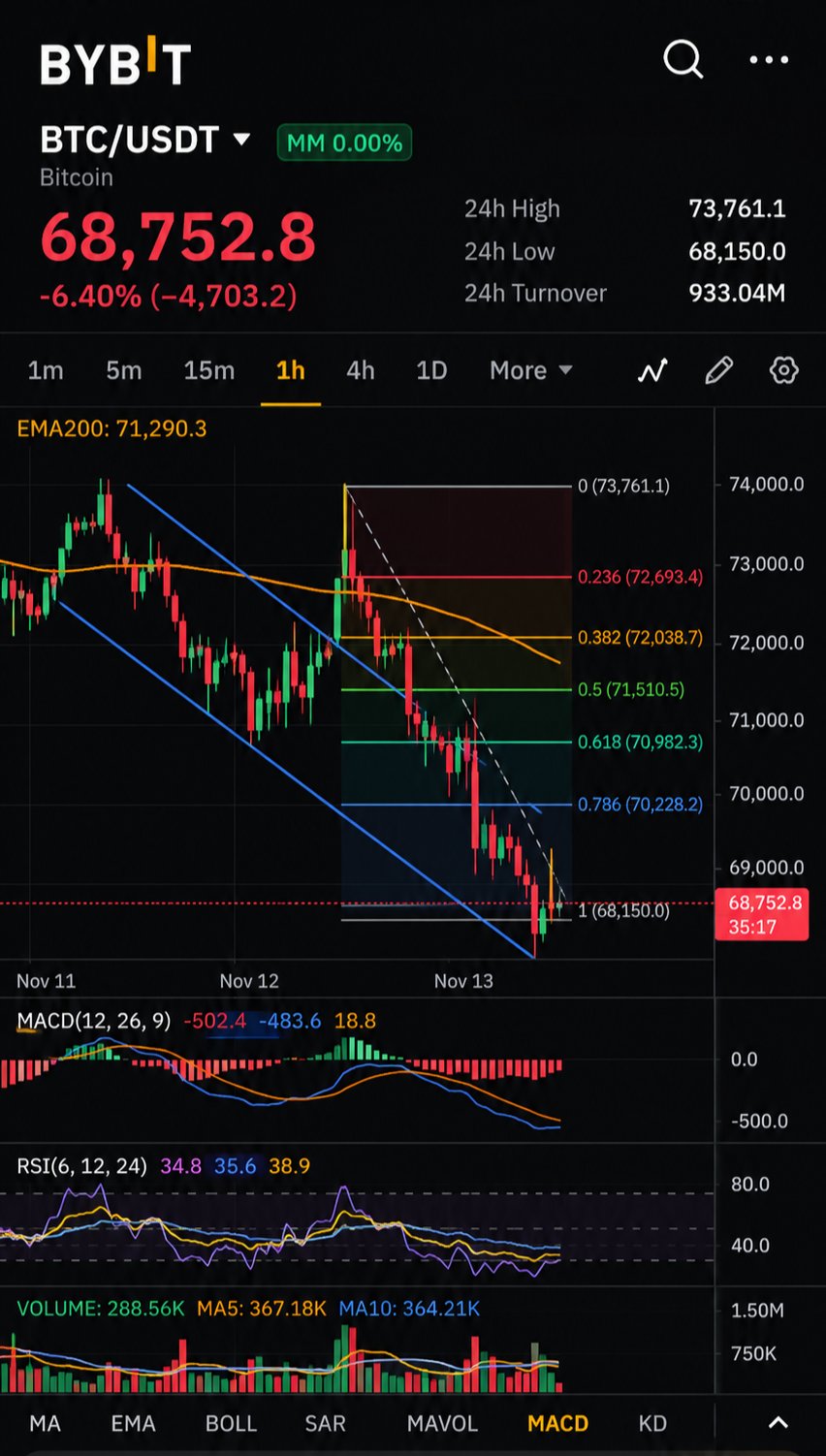
被視為「數位黃金」的資產,單日內跌幅達 6.40%,還能保住這個稱號嗎? 螢幕顯示比特幣兌 USDT 的價格為 68,752.8,下跌 6.40%,交易對旁顯示成交量為 933.04M。這是我唯一能確認的事實,因此以下內容皆為個人解讀,而非我未見過的數據。 **論點成立之處** 比特幣的價值主張立足於貨幣屬性,而非現金流:即預先設定的發行計畫、無中央發行機構,以及無需許可的結算機制。今天的K線圖並沒有改變這一切。價格波動並非協議本身的變動。 **矛盾之處** 「價值儲存」的說法承諾了長期的穩定性,然而同一個螢幕卻顯示該交易對配有 10 倍槓桿。這兩個事實相互衝突。每日價格發現中,很大一部分可能由槓桿交易者決定,而非持有數年、信念堅定的持幣者。這種幅度的下跌與強制平倉一致,但截圖無法證實這一點,因此請將其視為一種假設。 **需求** 比特幣沒有收益、不分潤,也沒有回購機制。其需求來自貨幣屬性:人們持有它是因為預期未來他人也會重視它。這使得需求具有反射性。當價格下跌時,邊際買家的短期理由會減弱,但對於堅定的長期持有者而言,其價值主張依然不變。這兩類人之間的落差正是導致此類行情的原因。 **多頭與空頭** 多頭認為,劇烈回調是籌碼從「弱手」轉移到「強手」的過程,且在信念受到考驗時,稀缺性才最為重要。空頭則主張,一個在壓力下表現如高貝塔(high-beta)風險工具的資產,無法被視為避險資產,機構也會以此態度對待它。 **關鍵風險** 相關性。如果每當流動性收緊時,比特幣就與風險資產一同拋售,那麼其作為分散投資資產的價值便會在最需要時消失殆盡。單憑一張截圖無法衡量這一點,但這卻是目前最重要的問題。 **我的觀點** 中立且不急躁。單日行情並未改變協議的基本面,但敘事的可靠性卻會在這樣的日子裡受到考驗。我不會將 6.40% 的跌幅視為任何一方的定論。 **下一個里程碑** 需要觀察的信號在於行為面。拋售來自於會迅速復甦的槓桿平倉,還是來自於長期持有者的分發?前者只是雜訊,後者才會改變核心論點。 如果比特幣真的是一種貨幣資產,為什麼它交易起來仍像一種槓桿工具?需要什麼條件才能改變這種狀況? $BTCUSDT #IMPACTbyTrade

一個去中心化交易所的代幣正在中心化平台上以 10 倍槓桿進行交易,這種張力正是 HYPE 爭論的核心所在。 截圖顯示 HYPE 的價格為 71.842 USDT,漲幅 0.48%,成交量欄位顯示為 3,825 萬。這只是一個平靜的交易時段和價格快照,而非一篇論點。沒有任何可見資訊能證實其營收、供應量或鏈上活動,所以我不會假裝知道。 Hyperliquid 是一個圍繞永續合約建立的交易場所,運行在自己的鏈上,因此撮合與結算都在同一個地方完成。其賣點是在不將託管權交給公司的情況下,提供交易所等級的執行力。這是一個真實的產品,有明確的目標客群:槓桿交易者。 這也是矛盾之處。產品對交易者服務得越好,HYPE 的價值就越依賴交易需求。永續合約的交易量是週期性的。當市場歡迎波動時,交易量會擴張;當槓桿被懲罰時,交易量則會萎縮。一個與該週期掛鉤的代幣,無論其技術多麼健全,都會繼承這種反射性。 永續需求的論點在於,交易手續費是透過回購或類似機制回流到代幣身上,而不是透過增發。這就是有機需求與激勵需求之間的界線。我無法從這個畫面驗證這些資金流的規模,所以重點仍然是結構性的:應該審查的是使用量與代幣需求之間的連結,而不是頭條價格。 由於看不到流通供應量、解鎖或分配數據,我選擇不談代幣經濟學,以免胡亂猜測。任何擁有預定內部人士供應的代幣,在模型中仍需將稀釋視為一項常備項目。 看漲的觀點是該平台能保持流動性,將手續費轉化為持續的買壓,並最終擴展到單一產品線之外。看跌的觀點則是交易量轉移到執行成本更低或深度更好的競爭對手那裡,或是新增的供應量超過了由手續費驅動的需求。 關鍵風險在於集中度。如果永續合約失去市占率,就沒有第二個引擎來支撐該代幣。 我的觀點:尊重該產品,但對敘事保持懷疑。真正的問題不在於 Hyperliquid 是否運作良好,而在於其營收是否能在完整的槓桿週期中保持持久。 會改變我論點的里程碑是:證明由手續費驅動的代幣需求在低波動、低成交量的時期依然穩固。 如果 HYPE 最終是對交易手續費的索取權,你更願意擁有該平台的成長性,還是它在冷清市場中的韌性? $HYPEUSDT #IMPACTbyTrade