
BlockWaveX0
4476點贊0分享346粉絲2346關注
Crypto Content Creator | Web3 Researcher Insights Over Hype. Value Over Noise.
Crypto Content Creator | Web3 Researcher Insights Over Hype. Value Over Noise.
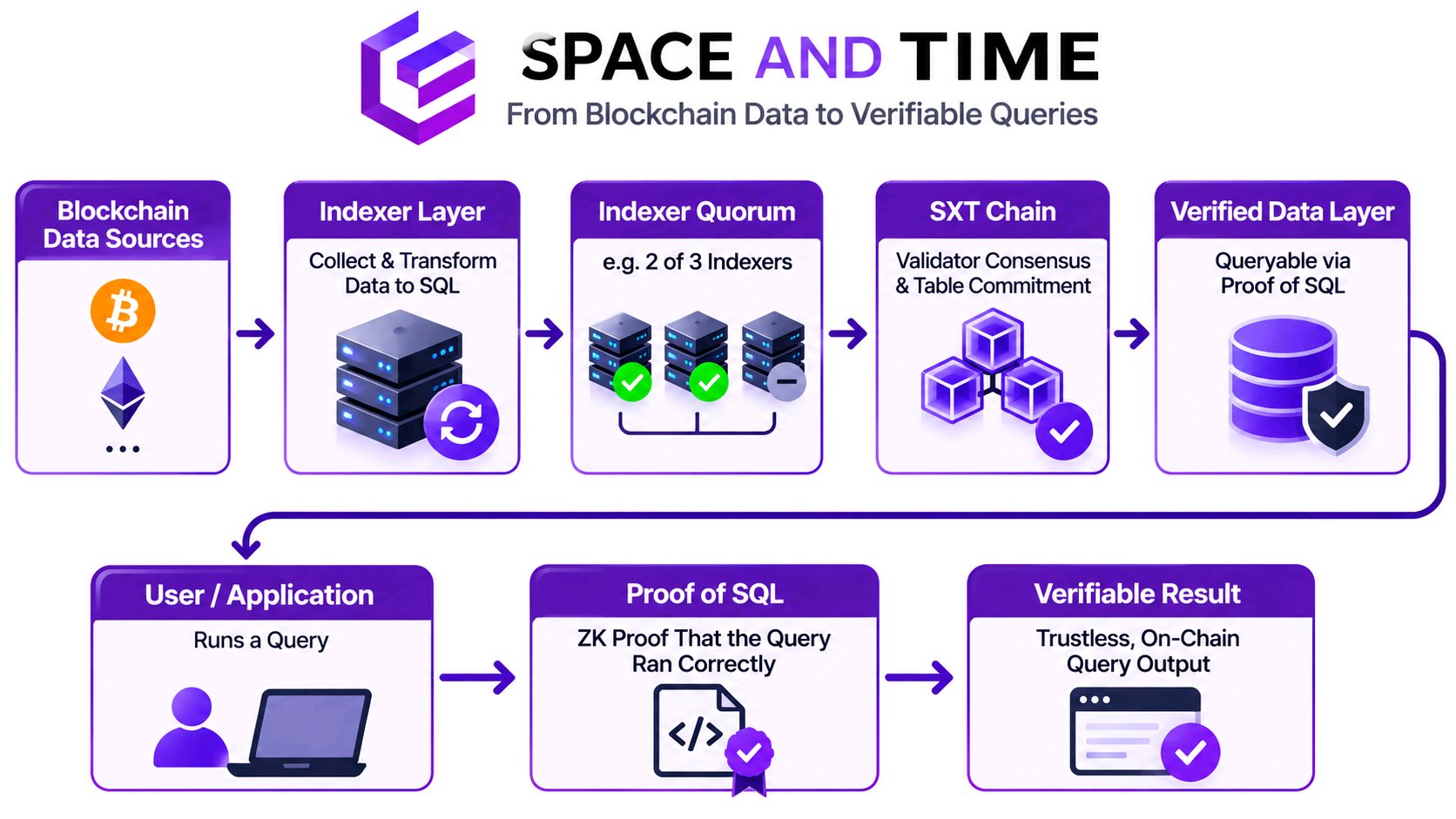
我開始閱讀 Space and Time 的文件時,以為最有趣的部分是 Proof of SQL:這是一種 ZK 證明,用於驗證查詢是在未經竄改的數據上正確執行的。 接著,我將數據回溯了一步。 等等……這個證明並非第一個信任檢查點。 文件指出,區塊鏈數據是由索引器(indexers)收集、轉換為 SQL 行,並提交至 SXT Chain。驗證者會比較這些提交的內容;對於鏈上索引表,文件以 2-of-3 作為索引器法定人數的範例,驗證者簽署新的表承諾(table commitment)前需達成此要求。該最終確認的承諾才是後續查詢證明所依賴的基礎。 這個區別至關重要。Proof of SQL 可以驗證已提交的表未經操縱,且 SQL 計算執行正確。但僅憑該證明,無法確認上游管道是否捕獲了所有源鏈事件,也無法確認索引器在運作上是否獨立。這些是關於數據接入的問題,由另一層索引器冗餘和驗證者檢查來處理。 平心而論,這種分層設計是合理的。冗餘索引器和 BFT 驗證者旨在減少對單一數據源的依賴;這並非缺陷的證據。SXT 用於支付網絡查詢及相關操作的費用,因此該數據管道的品質是使用者付費的核心價值所在。 使用者是否能獨立審查該法定人數背後的運營商和數據源,而不僅僅是審查最終產生的證明? #IMPACTbyTrade $SXTUSDT
A $4 billion RWA market looks impressive on a dashboard. The harder test is whether those assets can become useful financial building blocks. Allium’s onchain research puts Stellar’s tokenized asset market at $4.12 billion on September 30, 2026, up 6.1 times in twelve months. Spiko, Realiz, Tradable and Ondo each crossed $500 million in Stellar assets. Stellar also held 42% of tokenized non-US government debt. Spiko’s euro Treasury-bill fund led that category. Built-in approvals, freezes and clawbacks suit regulated issuers; Allium counted 7,050 issuer approval or removal actions. Chainlink’s Data Feeds and Data Streams are live on Stellar mainnet, adding reference prices and signed, on-demand data for smart-contract applications. The initial feed list covered nine assets, not every tokenized fund. CCIP was announced separately, but should not be described as live on Stellar. Those tools can improve collateral checks and liquidations, but reliable data does not create buyers, lenders or deep liquidity. Capital must still arrive. DeFiLlama’s November 15 snapshot showed about $4.05 billion in Stellar RWA onchain assets, but only around $1.15 million in tracked RWA DeFi TVL. These figures track different things: onchain assets versus assets deployed in tracked DeFi. The gap shows how early asset-to-finance conversion remains. That does not mean Stellar is idle. Allium recorded $1.95 billion in stablecoin payment volume over the twelve months through September. Business-to-business transfers accounted for $1.34 billion of that total, suggesting payment use already exists alongside tokenized funds. Protocol 30, called Bell, has a proposed November 23 mainnet vote. Its customer-specific smart-contract addresses could let one contract serve many customers. For issuers, this can lower operational friction, though integration work and wallet support still determine whether users benefit. Bell also enables ML-DSA post-quantum signature verification inside smart contracts. It does not make every Stellar transaction quantum-safe; network signatures remain Ed25519. A millisecond ledger clock clears a technical barrier to future faster closes, not an instant speed increase. XLM benefits only if usage endures. The milestone now is not another asset total. It is proving tokenized value can circulate, support credit and settle real economic activity on Stellar. #IMPACTbyTrade $XLMUSDT

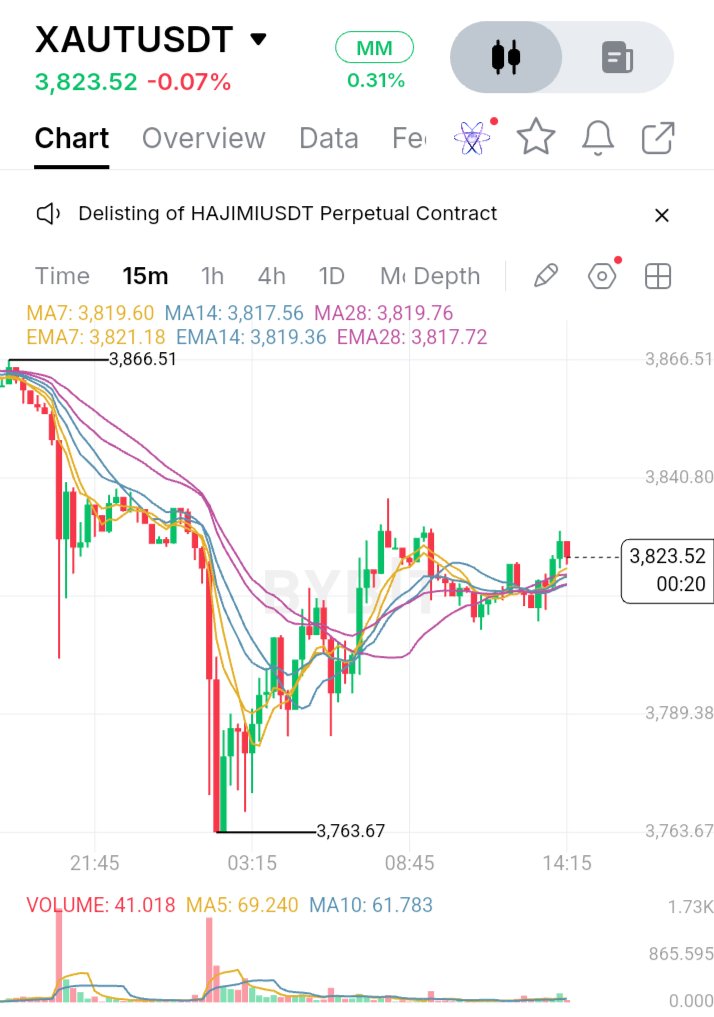
XAUT’s test is not putting gold on a blockchain. It is making gold easier to own without obscuring what holders own. Each token represents one fine troy ounce of gold on a London Good Delivery bar held in Switzerland; holders have an undivided interest in specified bars. That makes XAUT different from a growth token. It offers gold-price exposure, not a claim on Tether’s revenue or built-in yield. Tether’s September 30, 2026 report recorded 827,417.630 XAUT against 827,417.630 fine troy ounces, around 25.7 tonnes, valued at $3.44 billion. Verification has improved, but dates matter. On November 12, Tether announced KPMG’s unqualified audit opinion on the issuer’s 2025 financial statements, including physical inspection of every backing bar. Separately, BDO gave reasonable assurance on the September 30, 2026 reserve report. Its work included inventory checks and reconciliation against blockchain liabilities, but covered that date only. The less-discussed issue is redemption. Tether’s terms list a 50-token minimum purchase, while physical bullion redemption is generally arranged in 430-token increments, with delivery costs and fees. A token moves between wallets, yet converting it into physical bullion takes more work. Transferability and access are not the same thing. The World Gold Council and BCG put digital gold at $45–55 billion. Tokenized gold spot volume exceeded $90 billion in Q1 2026, more than during all of 2025; the $700 billion latent-demand estimate is conditional, not a forecast. On the supplied 15-minute chart, XAUT trades at $3,823.52 after falling from $3,866.51 to $3,763.67. Price has recovered above the MA/EMA cluster around $3,817–$3,821. But volume is 41.018, below MA5 at 69.240 and MA10 at 61.783. The rebound improves structure, but volume has not confirmed a reversal. A hold above the moving-average cluster would support recovery. The $3,840.80 area and $3,866.51 swing high remain overhead; losing the cluster puts $3,763.67 back in focus. XAUT’s appeal is clear: gold exposure with blockchain portability. Its limits remain: custody, issuer dependence, redemption conditions, fees and market liquidity. Tokenized gold will earn trust through more than matching token and ounce totals. Holders need clear ownership rights, verifiable reserves and redemption that works in practice. #IMPACTbyTrade $XAUTUSDT

我一直在關注 HYPE 下跌背後更深層的原因,因為更重大的議題在於 Hyperliquid 的交易活動與生態系統資本之間的落差,而不僅僅是價格下跌。 HYPE 從 9 月 23 日接近 98 美元的歷史高點跌至 60 多美元,距離紀錄高點已下跌約三分之一。 您的圖表顯示 RSI 指標接近 22,而價格仍低於 EMA200 的 69.8 美元左右。拋售看起來已過度,但尚未反轉。 63.2 美元和 60 美元區域仍是關鍵的技術支撐位。若能持續收復 70 美元將能改善技術面表現。 11 月 15 日的 CoinGlass 快照顯示,24 小時合約交易量為 45.3 億美元,而現貨交易量約為 4.47 億美元。 這種差異顯示衍生品對價格走勢有重大影響,增加了對市場情緒和持倉部位的敏感度。 CoinGlass 同時顯示約 29.3 億美元的未平倉合約,以及 8600 萬美元的 24 小時清算量,且以多單為主。 這些數據無法預測方向,但顯示在市場突發變動時,擁擠的倉位如何加劇波動性。 Hyperliquid 不僅僅是一個代幣敘事。其鏈上交易基礎設施已發展出龐大的衍生品業務。 DefiLlama 報告顯示,截至 11 月 14 日的 30 天內,協議產生的手續費約為 9050 萬美元,協議營收為 6930 萬美元。 然而,TVL(總鎖倉量)維持在 73.9 億美元附近,同期下跌約 12.3%。這種反差值得關注。 該平台可以在生態系統資本下降的同時產生手續費。這些指標雖然相關,但衡量的層面不同。 HYPE 的援助基金將協議活動與代幣需求掛鉤:99% 的協議手續費被用於公開市場上的 HYPE 回購。 一份 SEC 文件顯示,截至 2026 年 9 月 8 日,已有 4710 萬枚 HYPE 被收購並永久從流通中移除。 銷毀固然重要,但並不能保證價格支撐;因為仍有 38.9% 的代幣保留用於社區發行,23.8% 用於核心貢獻者。 核心問題在於,經常性的協議活動和手續費回購能否抵銷資本流失和持續發行帶來的影響。 Hyperliquid 最明顯的優勢在於其能產生手續費的產品。其不確定性在於這種活動能否創造持久的資本和代幣需求。 超賣訊號值得關注,但復甦需要的遠不止是反彈,而是結構的改善和更健康的生態系統指標。 持久的復甦不僅僅是一根綠 K 線,還需要穩定的收益,以及資本回流和持續的真實使用需求。 #IMPACTbyTrade $HYPEUSDT

我不會把 BTC 和 NVDAX 視為同一種交易,儘管它們都面臨賣壓。 比特幣在 11 月 14 日跌破 64,000 美元,觸及約 63,403 美元。更令人擔憂的是此次下跌背後的強制平倉規模。在 24 小時內,約有 14.7 億美元的加密貨幣部位遭到清算,其中 13.1 億美元來自多頭部位。美國比特幣現貨 ETF 在週五也錄得 1.8545 億美元的資金流出。 這顯示買方目前仍難以消化賣壓。像這樣的波動後出現短暫反彈,不足以確認市場已經觸底。 NVDAX 則是另一回事。它代表透過 Bybit 的 xStocks 市場對 NVIDIA 的曝險。NVIDIA 股價週五收於 162.85 美元,下跌 2.01%,交易區間為 158.39 至 170.00 美元。 交易者不應忽略一個細節:NVDAX 是全天候交易的,而 NVIDIA 股票則遵循美股交易時間。因此,它的價格在傳統市場休市時仍可能波動,且可能會暫時偏離標的股價。 對於 BTC,我希望看到賣壓減緩,且價格能維持反彈趨勢,而不是立即回跌。 對於 NVDAX,我會觀察 NVIDIA 的下一個常規交易時段,並檢查該代幣的價格是否仍貼近標的股價。 我不認為有充分的理由在沒有確認訊號的情況下貿然進場。在出現明確的復甦跡象之前,兩者都可能進一步下跌。 有趣的問題在於:比特幣在沒有更強勁的 ETF 需求下是否能復甦?而 NVDAX 在 NVIDIA 股市重新開盤時能否支撐住? 你認為哪一個更有機會率先迎來明確的復甦? #IMPACTbyTrade $BTCUSDT $NVDAXUSDT

XRP正面臨關鍵考驗。在急劇下跌後,買方正試圖穩定市場,但復甦跡象尚未確認。 0.90 美元區域是關鍵:買方能否守住,還是賣方會進一步推低價格? 在所引用的快照中,XRP 的交易價格在 0.907 美元附近,24 小時內下跌約 10.31%。其交易區間約為 0.9042 至 1.017 美元。 0.9042 美元區域是直接支撐位。若跌破 0.90 美元可能會擴大跌幅。重新收復 1.00 美元將是動能改善的第一個跡象,而若能突破 1.017 美元則將加強復甦的論點。 根據 CoinGlass 的數據,XRP 在 24 小時內約有 4661 萬美元的清算量,其中約 98% 來自多頭部位。這凸顯了槓桿看漲交易者所面臨的壓力。未平倉合約(Open Interest)下降及資金費率為負值,顯示倉位配置正在改變,但這兩者都不能保證市場反轉。 如果強制拋售減弱且現貨買家進場,反彈行情將變得更具可信度。在此之前,不應將暫時的停滯誤認為是觸底。 XRP 是 XRP Ledger 的原生資產,可作為橋樑貨幣。該帳本也支援代幣化資產。 2026 年 10 月 12 日,渣打銀行宣佈已為 XRP Ledger 上的 Ripple USD (RLUSD) 提供機構級託管支援。與 Ripple 和 LMAX Group 的計畫合作也涉及將 RLUSD 作為合格的交易抵押品。 不過,RLUSD 的採用並不會自動為 XRP 創造同等的需求。 XRP 的最大供應量為 1000 億枚,根據所引用的數據,流通量約為 635.2 億枚。託管釋放會影響供應動態。雖然交易手續費會被銷毀,但其數量太少,不足以成為造成稀缺的主要驅動力。 長期價值取決於支付、穩定幣結算和代幣化是否能為 XRP 產生持續需求。 目前,請密切關注 0.90 美元能否守住,以及價格是否能收復 1.00 美元。復甦即將開始,還是在接下來的交易時段再次下跌前的暫停? #IMPACTbyTrade $XRPUSDT
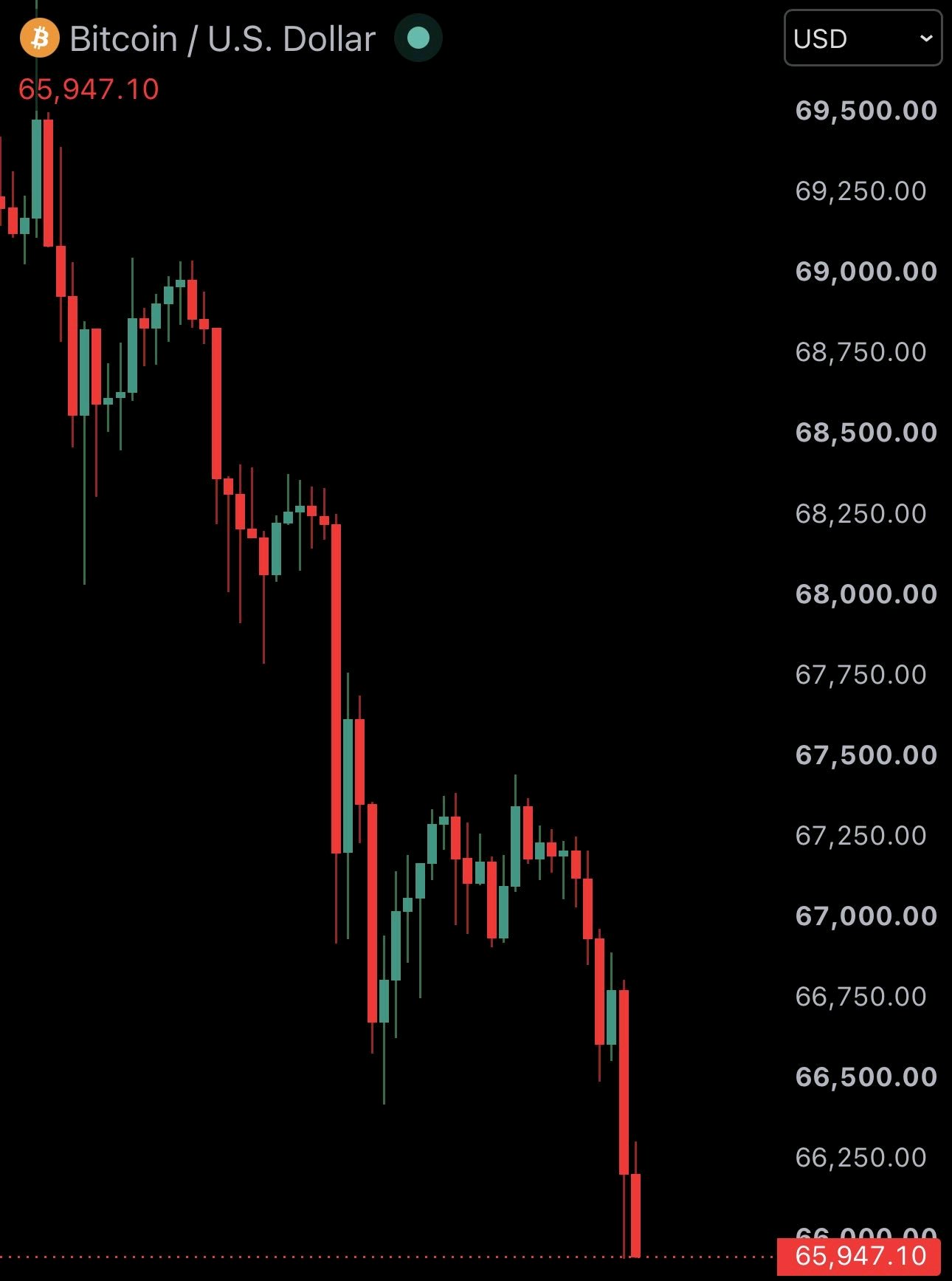
比特幣已跌破 66,000 美元,而 2.05 億美元的清算頭條顯示,加密貨幣市場的壓力能多快演變成更大規模的拋售。 $BTCUSDT 在所提供的圖表中位於 65,947 美元附近,更大的擔憂不僅僅是價格下跌,而是每次嘗試復甦背後的疲軟。 首先引人注目的是市場結構。比特幣已從 69,000 美元區域向 66,000 美元移動,經歷了一系列高點降低和低點走低的走勢。 買方曾嘗試幾次反彈,但圖表上並未出現令人信服的反轉。 據報導,加密貨幣市場總計 2.05 億美元的清算為此次走勢增添了另一個維度。當價格下跌時,強制平倉會增加拋售壓力,在已經疲軟的市場中引發連鎖反應。 然而,清算是槓桿倉位的結果,並非證明每一位市場參與者都在拋售。 這種情況有趣之處在於現貨拋售與期貨強制平倉之間的區別。現貨拋售反映了實際的資產賣出,而清算則是當槓桿倉位不再滿足保證金要求時發生的。 兩者都會將價格推低,但它們反映了不同的市場參與情況。 66,000 美元這個價位現在值得關注,因為比特幣已經跌破了這個重要的心理價格區間。 暫時回升至該價位之上並不自動確認復甦。買方需要證明他們能夠守住收復的區域,而不是讓賣方拒絕反彈。 清算事件中也隱藏著潛在的機會。當過度的槓桿被清除後,市場對額外強制平倉的脆弱性可能會降低。 但這並不保證能立即觸底。槓桿重置與真正的需求復甦是兩回事。 看跌論點依然直截了當:如果 BTC 繼續創出較低的高點且無法收復已跌破的價格區域,拋售壓力可能會持續佔據主導地位。另一次失敗的復甦將表明買方仍在努力奪回控制權。 另一方面,看漲的復甦需要的不僅僅是一根陽線。我會觀察是否能持續站穩在 66,000 美元之上,是否有更強的買盤參與,以及圖表上是否出現較高的低點。這些發展將為賣方正在失去動能提供更有力的證據。 一個經常被忽視的重要細節是,清算數據描述的是特定時間窗口內的活動。所報導的 2.05 億美元涵蓋了整個加密貨幣市場,而不僅僅是比特幣。不應將其與比特幣特定的清算總額或 24 小時數據混淆。在評估市場壓力的實際規模時,這種區別很重要。 目前,比特幣呈現出明確的短期看跌結構,但下一個重要的發展將是這波強制拋售後需求是否會回升。這僅僅是一次大規模的槓桿重置,還是我們正在目睹比特幣市場需求更深層疲軟的開始? #IMPACTbyTrade
我一直在觀察 $HYPEUSDT 在 $68.60 附近的表現,有些情況引起了我的注意。價格目前走勢艱難,但 Hyperliquid 背後的數據卻說明了另一回事。 第三季協議收入達到 1.909 億美元,較第二季增長 21.7%。未平倉合約量也攀升了 79.9%,達到 167 億美元。這代表市場中有大量資金,儘管單靠更高的未平倉合約量並不能保證會有更多的買盤壓力。 另一個值得關注的細節是援助基金(Assistance Fund)。該基金在第三季花費約 1.487 億美元買入 HYPE。由於這些購買是以美元為基準,價格越低,基金就能買入更多代幣。據報導,迄今已有約 5047 萬枚 HYPE 被銷毀。 還有一些值得留意的進展。Upbit 和 Bithumb 於 11 月 10 日開啟了 HYPE 交易,而 Elysium 則於 11 月 9 日上線,並將 HYPE 用於支付 Gas 費用。 但我不會忽視圖表分析。 在 $68.60 的價位上,價格正在測試 $68.68 的斐波那契水平和 200 日 EMA 區域。支撐位在 $67.05 附近,阻力位則分別在 $69.10、$71.18 和 $73.09。 問題在於日線價格仍低於 20、50 和 100 日 EMA。動能依然疲軟,且預計於 11 月 29 日有約 1420 萬枚 HYPE 解鎖。 我正在密切關注 $67 這一價位。守住該區域可能會給買家另一個機會,但若失守,將會嚴重削弱做多的設定。 你認為 HYPE 正在準備反彈,還是市場仍然低估了拋售壓力? #IMPACTbyTrade

$VVVUSDT Is Bouncing Back, But I'm Not Ready to Call It a Reversal I used to think that a sharp recovery after a major sell-off was enough to suggest buyers were returning. But VVV is a good reminder that a bounce and a trend reversal are two very different things. VVV is trading around $18.263, down 5.26%, after dropping from $19.717 to $17.589. Buyers have responded near the lows, pushing price back above $18, but the recovery still needs to prove itself. What caught my attention is the moving average structure. Price is sitting above MA14 at $18.136, while MA7 is around $18.267. That's a modest improvement in short-term momentum. However, MA28 remains near $18.397, with EMA28 around $18.393. This area could become an important test if buyers try to extend the recovery. Volume also deserves attention. The latest reading is 2.13K, below both the 5-period average of 4.21K and the 10-period average of 5.14K. Personally, I want to see stronger participation and a sustained move above $18.40 before changing my outlook. The recent recovery is interesting, but confirmation matters more than excitement. Can VVV build on this bounce, or will sellers regain control?

$DOTUSDT DOT Is Trying to Stabilize, But I'm Not Seeing a Strong Reversal Yet I used to think that once a coin starts holding above its recent low, the worst of the selling might already be over. But DOT's current price action reminds me why I don't like making that assumption too early. DOT is trading around $0.7870, down 5.02%, after falling from the $0.8326 area to approximately $0.7786. There has been some recovery from that low, but the broader short-term structure remains under pressure. One detail I find interesting is the moving average setup. Price is currently above the MA7 at $0.7851 and MA14 at $0.7848. That's encouraging for short-term buyers. However, the MA28 remains around $0.7896, while EMA28 is near $0.7907. This creates an important resistance zone that DOT still needs to overcome. Volume is another concern. Current displayed volume is 2.05K, considerably below the 5-period and 10-period average volumes. So the recent recovery hasn't yet demonstrated convincing participation. Personally, I'd rather see DOT reclaim the $0.7900–$0.7910 area and hold it before becoming more optimistic. For now, I'm watching rather than assuming. Can DOT turn this stabilization into a genuine recovery, or is another rejection still possible?

$PYTHUSDT is facing an interesting contradiction: its underlying business is developing a stronger commercial model, but its short-term market structure is still showing weakness. Pyth Network is more than a crypto price oracle. It connects financial data publishers directly with blockchain applications, allowing developers to access market prices across different asset classes. Its pull-based architecture lets applications request updates when needed instead of constantly pushing every update to every blockchain. This is an important design choice for applications that require timely financial data. The bigger development is Pyth's transition toward paid institutional data services. In September 2026, Pyth reported $11.5 million in annual recurring revenue, representing 86% quarter-over-quarter growth. This is a promising business indicator, although reported ARR should not be confused with net profit or actual token-holder income. There is also a meaningful change in PYTH's economic model. Under OP-PIP-136, approved in September and announced on October 8, the DAO committed 100% of the funds it receives from Pyth products to accumulating PYTH in its reserve. However, this applies to the DAO's revenue share, not all gross product sales. The accumulated tokens are not automatically distributed to holders or permanently burned. Supply remains another important consideration. PYTH has a maximum supply of 10 billion tokens, and DefiLlama lists a further scheduled unlock for May 19, 2027. Growing business revenue and token demand must eventually be evaluated alongside potential supply dilution. Looking at the 1H chart snapshot, PYTH is trading at $0.06411, down 1.95%, and remains below the 0.0650–0.0654 MA/EMA cluster. The immediate support is $0.06316. An hourly close below that level could expose $0.06195, while reclaiming $0.0654 with convincing volume would improve the short-term structure. Above that, $0.0661 and $0.0682 remain important resistance levels. The interesting part is the difference between fundamental progress and market behaviour. Pyth is building a revenue-generating data business and linking part of its commercial success to PYTH accumulation, but that does not guarantee immediate price strength. My key question is whether growing institutional demand and DAO reserve accumulation can eventually outweigh supply pressure and improve PYTH's market structure? #IMPACTbyTrade

有報導稱 SpaceX 和 Tesla 可能合併,這或許會成為歷史上規模最大的企業發展之一,但對於加密貨幣投資者而言,最有趣的部分可能隱藏在那 3.4 兆美元的估值背後。 彭博社報導稱,最早可能在 12 月就會有相關公告,儘管討論可能會持續到 2027 年初。 預估的合併市值將使這兩家公司躋身全球最大企業之列。然而,此數字不應與確認的合併價格或最終協議混為一談。 SpaceX 帶來了火箭技術、Starlink 連接能力以及地球以外的宏大願景。Tesla 則貢獻了電動車、能源儲存、人工智慧和機器人技術。 兩者結合,可能會創造一個具有巨大基礎設施潛力的強大技術生態系統。 但還有另一個值得關注的連結:比特幣。 根據披露的持倉,SpaceX 持有約 18,712 枚 BTC,而 Tesla 持有約 11,509 枚 BTC。 這代表總計持有 30,221 枚 BTC,使得它們現有的比特幣曝險部位顯得格外引人注目。 不過,企業合併並不自動意味著這些持倉將合而為一成為單一投資策略,也不代表已經規劃了額外的比特幣購買行動。 更大的問題在於,合併後的組織是否可能最終將比特幣視為一種戰略性企業資產,而非僅僅將其作為國庫的一部分持有。 此外,也存在嚴峻挑戰。監管監督、公司治理、財務透明度以及 SpaceX 與政府相關的合約,都可能使這一過程變得複雜。 對於加密貨幣市場而言,合併並不自動意味著看漲。其真正的意義取決於在任何協議達成後,這些公司對比特幣的政策將如何變化。 規模更大的企業結構並不保證會帶來更強勁的比特幣需求。 我會密切關注官方的合併條款、財務揭露以及 BTC 持倉的任何變化,再下結論。 這會成為大型企業採用比特幣的另一個重要里程碑,還是說我們高估了其中的加密貨幣連結? #IMPACTbyTrade $TSLAXUSDT $SPCXXUSDT

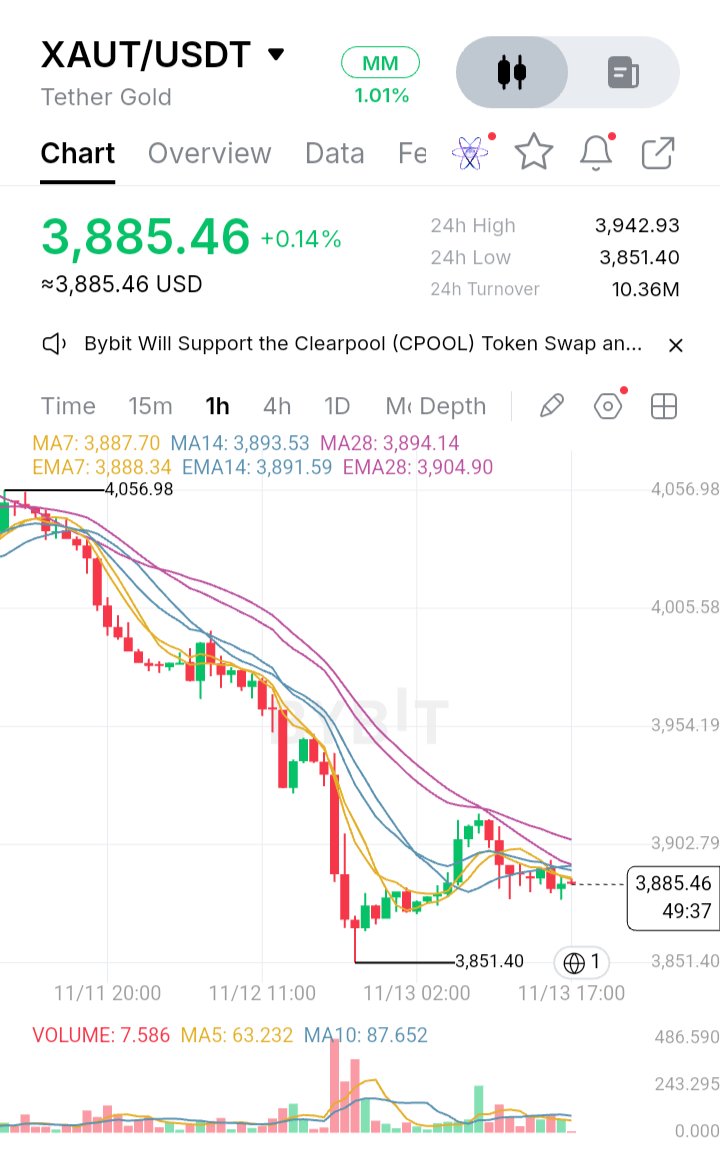
$XAUTUSDT is facing a test that goes beyond a simple technical correction. The price is struggling to recover $3,900, the rejection at the 1.0 Fibonacci level has weakened the recovery attempt, and the fading MACD suggests that bullish momentum is losing strength. The $3,851 area is now particularly important because buyers need to demonstrate that they are still willing to defend the recent low. Market data places XAUT around $3,880–$3,900, with the recent trading range extending towards $3,850. This weakness is not happening in isolation. Spot gold also suffered a sharp decline this week, losing nearly 4% before attempting a modest recovery on November 13. Reuters reported that higher oil prices, inflation concerns and changing Federal Reserve rate expectations were putting pressure on bullion. In other words, XAUT is reflecting the weakness of its underlying asset rather than simply following the usual movements of the cryptocurrency market. There is an important distinction here that often gets overlooked. Tether Gold is not a conventional cryptocurrency whose value depends primarily on speculative demand for a blockchain ecosystem. Each XAUT represents an ownership interest in one fine troy ounce of physical gold held in Swiss vaults. Tether's September 2026 reserve disclosure reported approximately 827,418 ounces of gold against an equivalent number of tokens in circulation. There was also a meaningful development on November 12. Tether announced that KPMG had completed an independent audit of the issuer's 2025 financial statements, including physical inspection and counting of the individual gold bars backing XAUT. This is an important credibility development, although the audit covered the financial year ending December 31, 2025, not a new real-time guarantee against market volatility. Technically, the immediate picture remains cautious. The $3,900 level is the first psychological barrier, while the EMA200 near $3,957 represents a more significant recovery test. A move above $3,900 without sustained strength would not necessarily signal a trend reversal. Buyers would need to reclaim the EMA200 and demonstrate that former resistance is becoming support. The fading MACD also deserves attention because a weakening indicator can signal reduced buying pressure even before a clear bearish crossover appears. On the downside, $3,851 is the level worth watching. Holding above it could give XAUT room to stabilize and attempt another recovery. However, a convincing breakdown followed by failed attempts to reclaim that level would strengthen the bearish structure. The next downside target should depend on actual price discovery rather than an invented chart level. What makes this situation interesting is the contrast between improving confidence in XAUT's physical backing and weakening demand for gold itself. Better reserve transparency can strengthen confidence in the product, but it cannot prevent the underlying metal from declining when macroeconomic conditions turn unfavourable. I am watching one question more closely than any single indicator: will buyers defend $3,851 and reclaim $3,957, or will gold's broader weakness keep XAUT trapped below its major recovery levels? #IMPACTbyTrade

I've been looking at HYPE beyond its price, and the part I find most interesting is how Hyperliquid tries to turn real protocol activity into demand for its native token. Hyperliquid is not just a trading app. It is a Layer 1 built around on-chain financial markets. Its HyperCore handles spot and perpetual order books, while HyperEVM gives developers an EVM-compatible environment to build other applications around that liquidity. The important distinction is that orders, trades and liquidations are processed on-chain, rather than only being recorded after the fact. The activity is substantial. DeFiLlama’s latest displayed rolling 30-day figures show about $228.7 billion in perpetual volume, $82.6 million in fees and $64.9 million in protocol revenue. Those numbers suggest genuine market usage, although volume alone cannot tell us how much activity is organic or how durable it will be. Here is the part I think deserves more attention: the token has a direct connection to protocol fees. A September 2026 SEC filing says 99% of protocol fees are allocated to the Assistance Fund, which uses them to buy HYPE on the open market. The filing reported that 47.1 million HYPE had been acquired and permanently removed by September 8. That creates a clearer value link than a token whose only purpose is governance. But it is not a promise of price appreciation, and buybacks should not be confused with cash distributions to holders. There is also a supply-side question. HYPE has a maximum supply of 1 billion. The same filing lists 23.8% for core contributors, with monthly vesting continuing through 2027–2028, while 38.9% is reserved for future emissions and community rewards. For me, the bigger test is whether Hyperliquid can keep attracting repeat users and fee-generating activity while new supply continues to enter circulation. The product has traction, but competition, market cycles and token distribution still matter. Do you think HYPE’s fee-linked demand can outpace future supply, or is that the key risk the market may be underestimating? #IMPACTbyTrade $HYPEUSDT

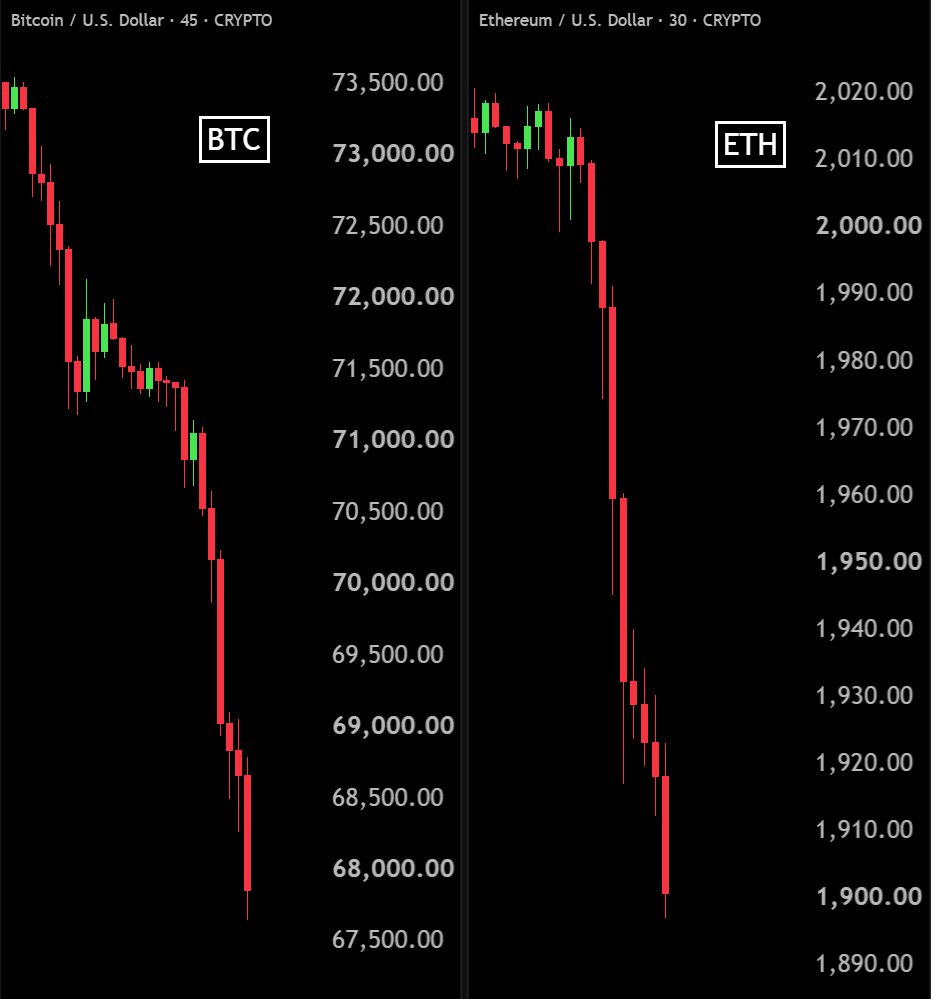
我一直在密切關注加密貨幣市場,而這次拋售中有一件事真的很突出:僅僅在 24 小時內就被清算的槓桿金額。 根據 11 月 13 日 CoinGlass 的市場快照顯示,約有 14.1 億美元的加密貨幣倉位遭到清算。超過 172,900 名交易者受到影響。 引起我注意的是多頭和空頭清算之間的不平衡。近 89% 的清算來自多頭倉位,約合 12.6 億美元。 其中比特幣約佔 7.42 億美元,而以太幣則貢獻了約 2.5 億美元。 我看過類似的情況,交易者對某個市場方向過於自信。當價格突然背離高槓桿倉位時,強制平倉可能會產生額外的拋售壓力並加速下跌。 但我並不認為大規模清算就自動意味著市場已經觸底。 現在有幾件事值得關注:比特幣是否有能力守住重要的支撐位,現貨買盤需求是否回升,以及期貨未平倉合約是否開始穩定。 市場復甦需要的不仅仅是暫時的價格反彈。它需要真正的需求和更強健的市場結構。 我在觀察加密貨幣市場時學到的一件事是,極度恐慌可能會創造機會,但過早入場可能和追漲一樣危險。 你認為這次拋售是為下一次復甦重新調整市場,還是仍有可能進一步下跌? #IMPACTbyTrade $BTCUSDT

Ripple 發展迅速,但我一直回到同一個問題:這種成長到底有多少真正讓 XRP 受益? 該公司正深入發展支付、託管、穩定幣和機構金融業務。Ripple 表示其年度產品營收率已接近 9 億美元,與超過 1,700 家機構和企業合作,並持有超過 85 個牌照。其在 RLUSD 方面的進展以及獲得美國貨幣監理署(OCC)批准建立國家信託銀行,也顯示出 Ripple 在傳統金融領域佔有一席之地的決心。 但有趣的地方在於: Ripple 的業務即使沒有每一筆交易都用到 XRP 也能成長。RLUSD 正成為其支付與金融服務產品的一部分,而且它可以在不同的區塊鏈上運作。這為 Ripple 吸引機構提供了更多途徑,但也意味著其中一些活動可能永遠不會直接創造對 XRP 的需求。 XRP 仍然扮演著重要角色。它是 XRPL 的原生資產,用於支付網絡費用,並可作為 Ripple「隨需流動性」(On-Demand Liquidity)服務中的橋接貨幣。但「有用」與「捕獲不斷成長的業務所創造的財務價值」之間是有區別的。 這正是投資者應該關注的部分。成功的 Ripple 並不自動意味著更有價值的 XRP。重要的是,是否有更多的實際支付流真正需要 XRP,而不是僅僅使用 Ripple 的其他產品。 那麼,我們究竟是看著 XRP 成為 Ripple 金融網絡的骨幹,還是 Ripple 可能會在 XRP 僅捕獲部分上行空間的情況下建立起成功的業務? #IMPACTbyTrade $XRPUSDT
ASTER: Protocol Revenue Is Growing, But Can Its Buyback Model Outrun Token Dilution? ASTER has something many DeFi tokens struggle to demonstrate: a direct connection between platform activity and token economics. But there is a bigger question here. Can protocol-generated fees create sustainable ASTER demand while most of its maximum supply is still outside circulation? Aster is building a multi-chain trading ecosystem covering perpetuals, spot markets, and yield-bearing collateral. Its product expansion gives the protocol multiple sources of activity, but ecosystem growth does not automatically translate into value for token holders. As of November 12, ASTER trades around $0.65. DefiLlama estimates its circulating supply at approximately 2.57 billion tokens against an 8 billion maximum supply. That puts circulating supply at roughly 32% of the maximum. Its market capitalization is around $1.68 billion, while FDV sits near $5.09 billion. In other words, fully diluted valuation is approximately three times the circulating market cap. That supply gap deserves attention. The underlying activity is still worth examining. DefiLlama reports approximately $792 million in TVL, $4.12 million in fees over 30 days, around $47.9 billion in perpetual trading volume, and roughly $1.34 billion in open interest. These figures indicate meaningful platform activity. However, derivatives volume is not the same as organic spot demand, and high trading activity alone does not prove sustainable token demand. The most interesting part is Aster's buyback-and-burn mechanism. On June 17, Aster introduced a framework directing 99% of daily platform fees toward automatic ASTER buybacks. The mechanism has two separate effects: First, purchased ASTER is distributed to veASTER participants according to their locking weight. Second, an equivalent amount of ASTER is burned from protocol reserves, with the stated objective of reducing total supply toward 3 billion tokens. This creates an interesting economic loop: trading activity generates fees, fees finance market purchases, and reserve burns reduce total supply. But there is an important distinction. The buyback distribution directly rewards veASTER participants. Regular holders do not receive those distributions unless they participate in the locking mechanism. They may benefit indirectly from market purchases and supply reduction, but that is not the same as receiving the rewards themselves. Then comes the dilution question. Aster's original token allocation assigns 53.5% to airdrops, 30% to ecosystem and community, 7% to treasury, 5% to the team, and 4.5% to liquidity and listings. The team allocation consists of 400 million ASTER. Its cliff was extended from September 2026 to September 17, 2027, keeping those tokens locked for longer. However, delaying an unlock does not eliminate the eventual supply obligation. The bullish argument is straightforward: sustained trading activity could generate recurring fees, support daily buybacks, and gradually reduce total supply. The bearish argument is less complicated but equally important: FDV remains substantially above circulating market capitalization, future token distributions continue to matter, and buyback rewards are not equally distributed across all holders. ASTER is also still approximately 73% below its $2.41 all-time high. Personally, I would focus on three metrics rather than just daily trading volume: 1. Whether monthly protocol fees continue growing. 2. Whether veASTER participation and buyback distributions remain sustainable. 3. Whether actual supply reductions outpace new token emissions and unlocks. ASTER has built a measurable link between platform activity and token economics. But the real test is whether that mechanism can create lasting value beyond temporary market demand. What do you think matters more for ASTER's long-term sustainability: growing protocol revenue or reducing the circulating supply? #IMPACTbyTrade $ASTERUSDT

ETH_
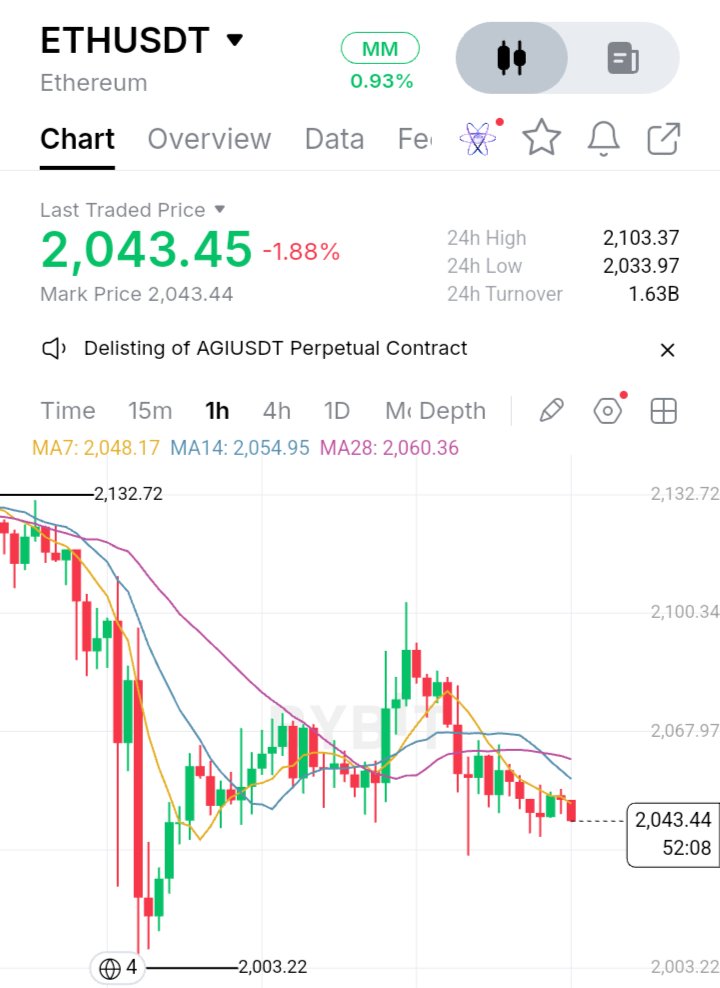
ETHUSDT 以太坊正處於轉折點,我不急於選邊站 我過去常認為每一次以太坊的大幅下跌都是等著被抓住的機會。急劇下跌後的小幅回升,看起來往往像是反轉的開始。但經驗告訴我,收復失土與真正改變市場方向是兩回事。 目前,ETH 正努力重拾短期強勢。讓我擔憂的是,近期的回升並未出現令人信服的延續性。賣方似乎依然安穩地防守著較高的價格區間,而買方尚未展現出持續的動能。 我正特別關注 2,033 美元至 2,003 美元的支撐區域。如果買方能成功守住這一帶,以太坊或許還有另一次回升的機會。但如果該支撐失守,我不排除進一步下行的可能性。 另一方面,重回 2,050 美元至 2,060 美元將是令人振奮的第一步。這雖然無法直接確認看漲反轉,但至少顯示出買方開始重新掌握主導權。 就個人而言,我不想為了追求「早進場」而去預測底部。我寧可錯過回升的第一階段,也不願在沒有確認信號的情況下進場。 以太坊不需要另一則樂觀的預測,它需要買方拿出實力來證明。

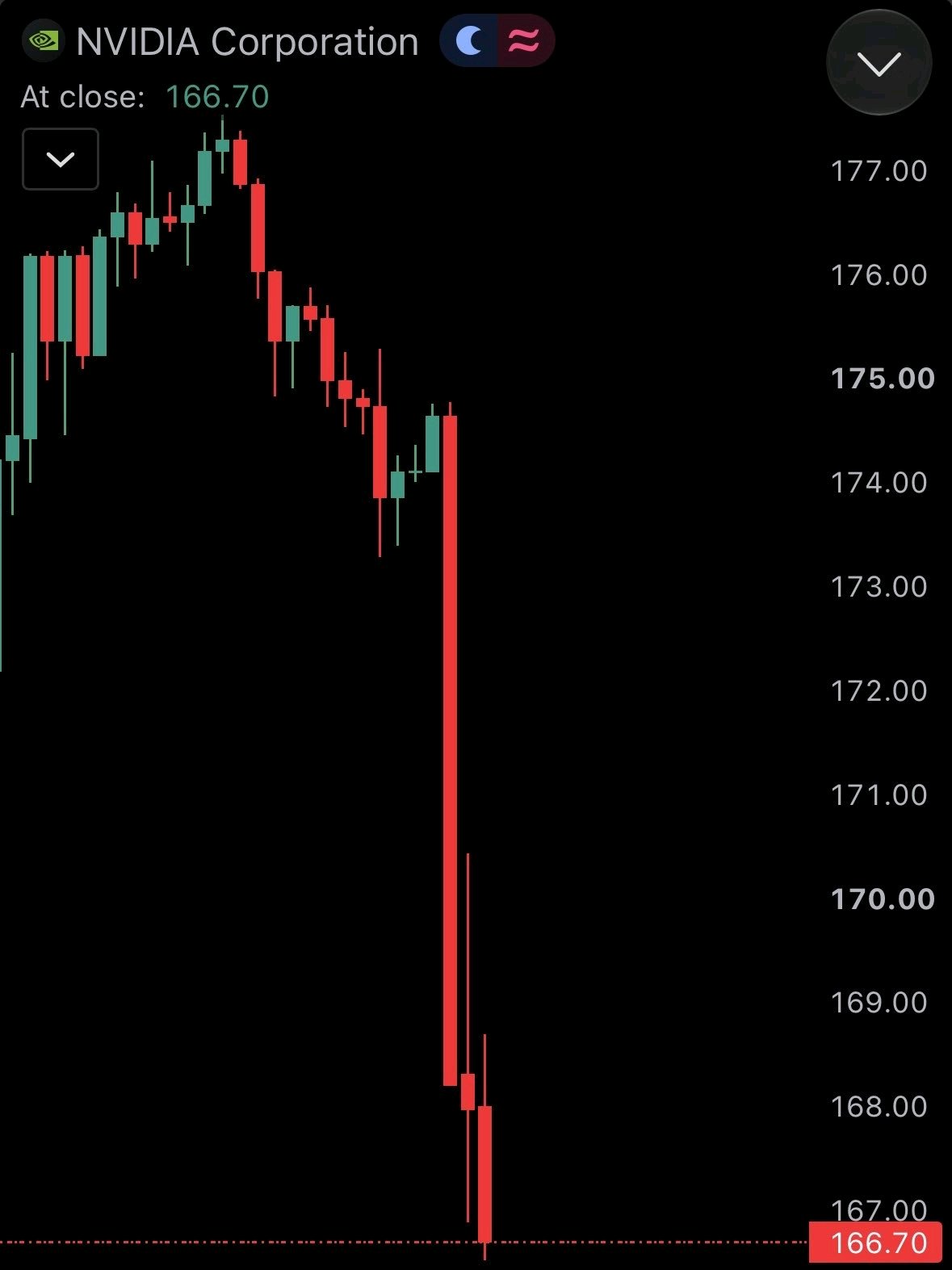
Nvidia 的拋售潮揭示了一個比單一 CEO 醜聞更大的風險 Nvidia 在盤後的暴跌正在考驗投資人將多少風險集中在一個人身上。 11 月 11 日,《紐約時報》報導稱,執行長黃仁勳(Jensen Huang)與其報告鏈中的一名 Nvidia 高階主管有涉嫌關係。路透社無法獨立核實此說法;Nvidia 和該名高階主管未立即回應。在此報導之前,黃仁勳曾在給員工的備忘錄中承認自己不忠,而背景是另一樁涉及一名據報導被美國當局懷疑與中國情報部門有聯繫的女性的爭議。 在《華爾街日報》報導稱 Nvidia 董事會準備撤換黃仁勳後,拋售潮加劇。路透社援引知情人士的消息稱,董事們正在開會決定他的去留。Nvidia 尚未公開證實撤換決定。其於 11 月 8 日宣佈的正式調查,重點在於黃仁勳是否成為外國情報行動的目標。董事會起初對他表示信任,並稱沒有理由相信公司機密或國家安全受到損害。 截圖中的 166.70 美元意味著較 11 月 11 日收盤價 173.73 美元下跌了約 4%。在董事會相關報導出現後,後續報導指出盤後跌幅接近 7–8%。 被忽視的風險是接班問題。路透社稱,黃仁勳沒有明顯的繼任者,且他牢牢掌控著這家對 AI 熱潮至關重要的公司。對 Nvidia 晶片的需求或許會持續,但公司治理上的折價可能會持續更久。 Nvidia 能證明它比其創辦人更強大嗎? #IMPACTbyTrade $NVDAXUSDT

$HYPEUSDT 真正的故事在於代幣背後的業務 我認為 HYPE 最有趣的地方不在於它的日線圖,而在於 Hyperliquid 如何試圖將交易活動、基礎設施和代幣需求連接成一個經濟體系。 數字很重要。DeFiLlama 在 11 月 11 日的快照顯示,Hyperliquid 在過去 30 天內產生了約 8,960 萬美元的手續費,其中包括約 6,900 萬美元的協議收入。這表明用戶是在付費使用產品,而不僅僅是出於敘事驅動的持有。 代幣設計也很重要。Hyperliquid 的援助基金(Assistance Fund)利用協議手續費在公開市場上回購 HYPE,其向美國證券交易委員會(SEC)提交的註冊聲明顯示,99% 的協議手續費都會撥入該基金。該文件報告稱,截至 2026 年 9 月 8 日,已有 4,710 萬枚 HYPE 被收購並永久從流通中移除。 這在場地活動與代幣之間建立了一種比許多交易所代幣模型更清晰的聯繫。但我不會稱之為有保證的價格底線。回購可以支撐需求,但不能抵消估值風險、市場狀況變化或拋售壓力。當市場情緒轉向負面時,這種區別尤為重要。 產品路線圖也很重要。HIP-3 允許合格的開發者在 Hyperliquid 上部署他們自己的永續合約市場,市場的設計和運作由部署者自行負責。這不僅僅是另一個交易對:它為外部團隊提供了一條利用該網絡交易基礎設施來創建專業市場的途徑。這可能會將平台擴展到核心團隊選擇上市的市場之外。 一個反向信號值得注意:DeFiLlama 顯示 11 月 11 日的 TVL 約為 77.3 億美元,在 30 天內下降了約 10.5%。強勁的手續費收入與下降的 TVL 可以並存,但這種背離值得關注。下一個考驗是活動是否會擴大,資金是否會變得更具黏性,而不是僅僅依賴激烈的交易。 我的觀點:HYPE 擁有令人信服的活動與代幣掛鉤機制,但投資價值取決於持續的使用率、健康的市場深度和嚴格的風險管理。我正在觀察新市場是否能帶來重複使用的用戶和持久的流動性——而不僅僅是一個更大的交易量頭條。 在評估 HYPE 時,對你來說什麼更重要:手續費產生、代幣價值獲取,還是由獨立團隊建立的市場增長? #IMPACTbyTrade