c
conorsen
1156點贊0分享17粉絲0關注
In a typical November, we’d say stock market sentiment and valuations mostly hinge on next year’s earnings forecasts—but it’s hard to argue that’s been less true than it is right now.
2025-1H 26 was a tough stretch for us, because it seemed like the only things that mattered were AI capex, bottlenecks, and compute. Lately, though, it feels like the rest of the macro ecosystem is starting to matter again.
You and I could estimate the viewer hours, put a dollar value on that audience, and back into a production budget that makes the whole thing pencil out—but none of that, on its own, is a real reason to go through with it.
I’m not saying we’re there yet, but I can see a world where, by mid-2027, markets start pricing in something like: “Taxes are almost certainly going up in 2029, and the compute boom will cool into a glut with capex rolling over — so equities should be valued closer to 15x earnings.”
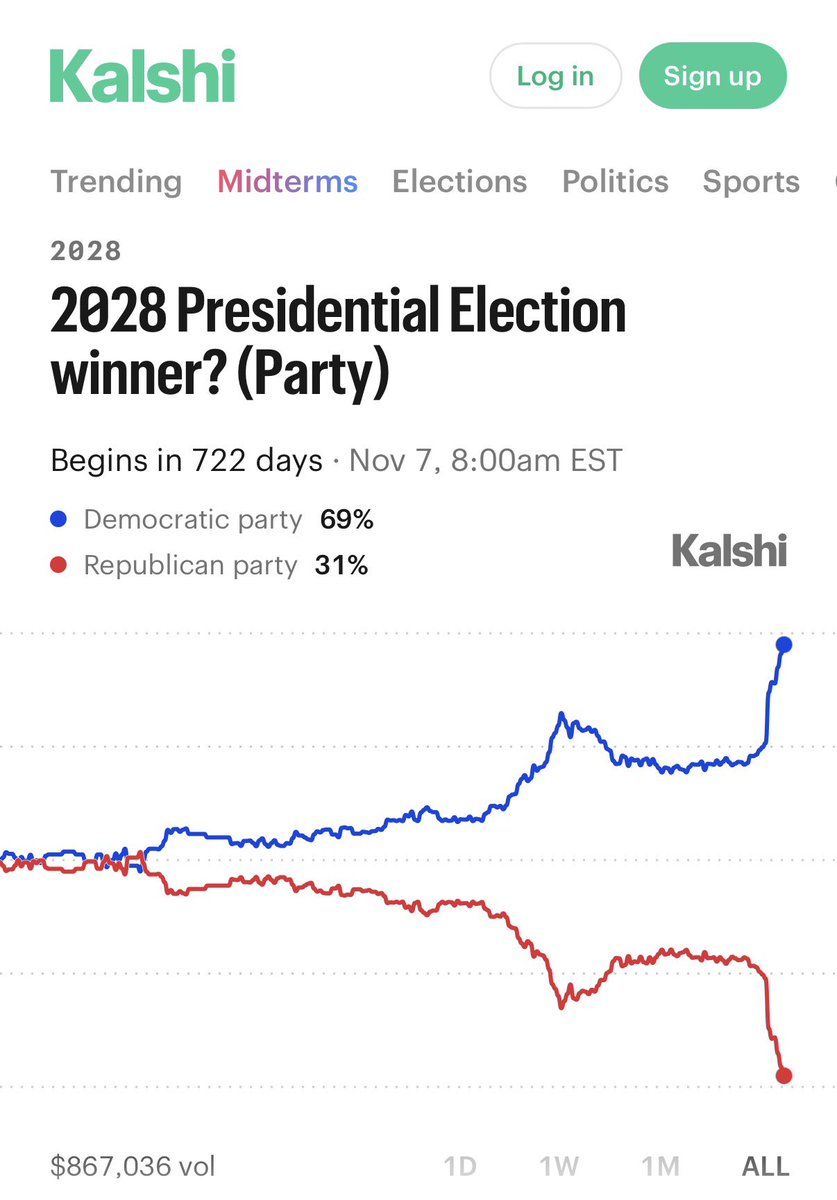
New York City’s bubble once again kept people from grasping just how big the electoral surprise really was.
New York City’s bubble once again kept people from recognizing just how big an electoral surprise this was.
A company called Bay Area Laboratory Co-operative sounds like the sort of thing that, these days, barely registers as unusual.
-What options will this particular bloc of ~60 Senators actually have in 2029—an economy that’ll look nothing like 2009—that the Democratic Senate majority back then simply didn’t? -Is the agenda more likely to be set by the Colom/Hamilton/Turek wing (and similar types), or by the progressives? -And when the bill comes due electorally, who’s the one that gets wiped out in 2030–32?
The fed funds rate is probably about 50 bps too low right now, and the Fed is finally starting to move in that direction. At the same time, though, the 9–12 month inflation outlook looks like it might be improving—arguably for the first time in a year.
This reads less like a bull case for him returning and more like a straight-up bear case for $NVDA.
The Schumer/CVH race doesn’t look remotely close—more like a chance for a few members to say they put in the effort.
Across the AI landscape, you can feel the anxiety creeping in around 2028 forecasts. The problem is that on a week-to-week basis there’s no real way to gather hard evidence about what 2028 will actually look like, so we may just be heading into a stretch where sentiment whipsaws between “2028 is great” and “2028 is terrible.”