Suhaif
10687Like0Shares222Fans20Follow
dex hunter
dex hunter
CPI: Inflation Remains a Major Market Risk
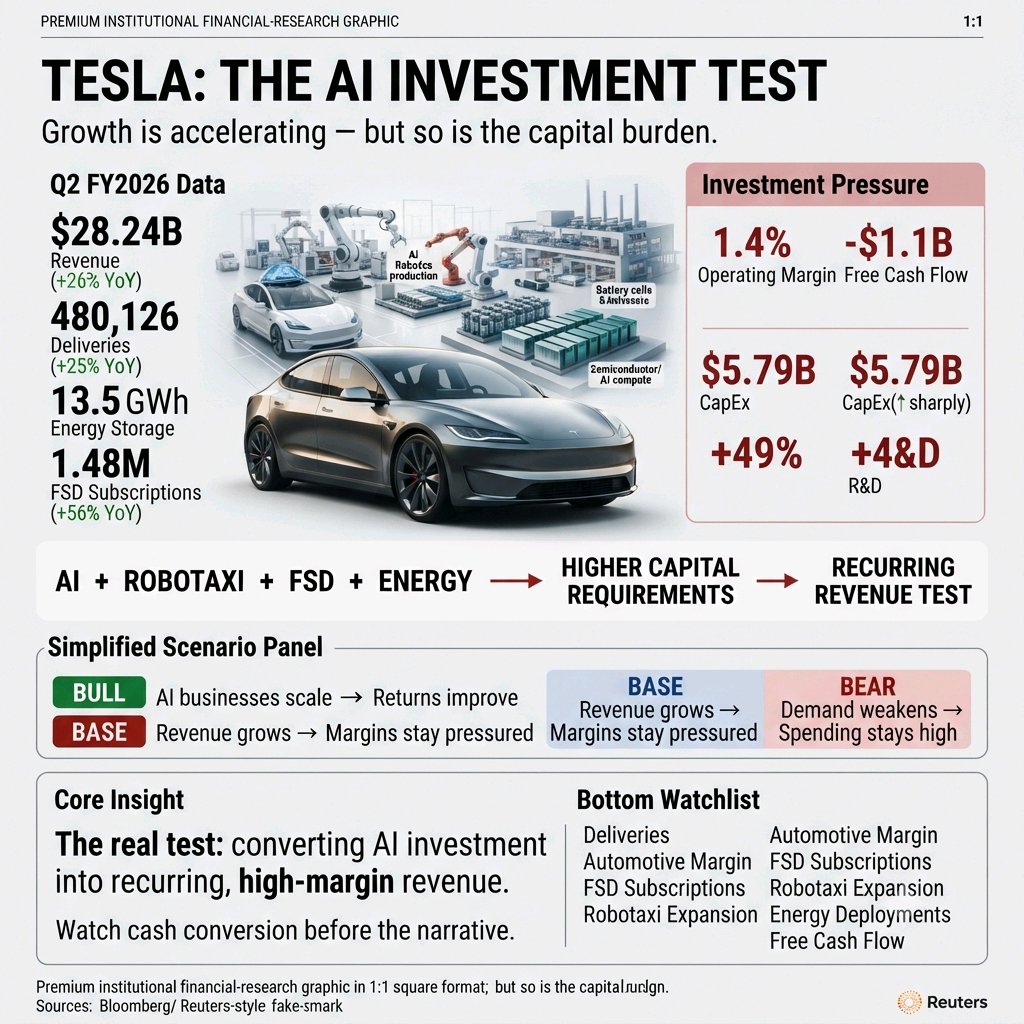
The latest CPI report reduced fears of another inflation shock, but it didn't remove the problem. Headline CPI came in at 3.4% YoY, while Core CPI stood at 2.4%. Both were not hotter than expected, giving risk assets some relief and helping BTC move higher. But the bigger signal may be coming from PPI. Yesterday’s PPI came in at 5.4% YoY, showing that producer-level price pressure remains elevated. If those costs continue moving through the economy, CPI could remain sticky for longer. That creates three possible outcomes: Bull case: Inflation keeps cooling → Treasury yields fall → Fed expectations turn more dovish → BTC and risk assets gain support. Base case: Inflation stays sticky → Fed remains cautious → markets continue reacting to every macro release. Bear case: PPI pressure feeds into CPI → inflation reaccelerates → rate-cut expectations weaken → yields rise → BTC faces renewed pressure. Market takeaway CPI gave the market relief, not certainty. I'm watching: • Treasury yields • Fed rate expectations • PPI-to-CPI pressure • BTC reaction around $80K • Volume behind any breakout The real risk isn't one hot CPI print. It's inflation staying high enough to keep the Fed restrictive for longer. #ByXIMPACT $BTCUSDT $HYPEUSDT

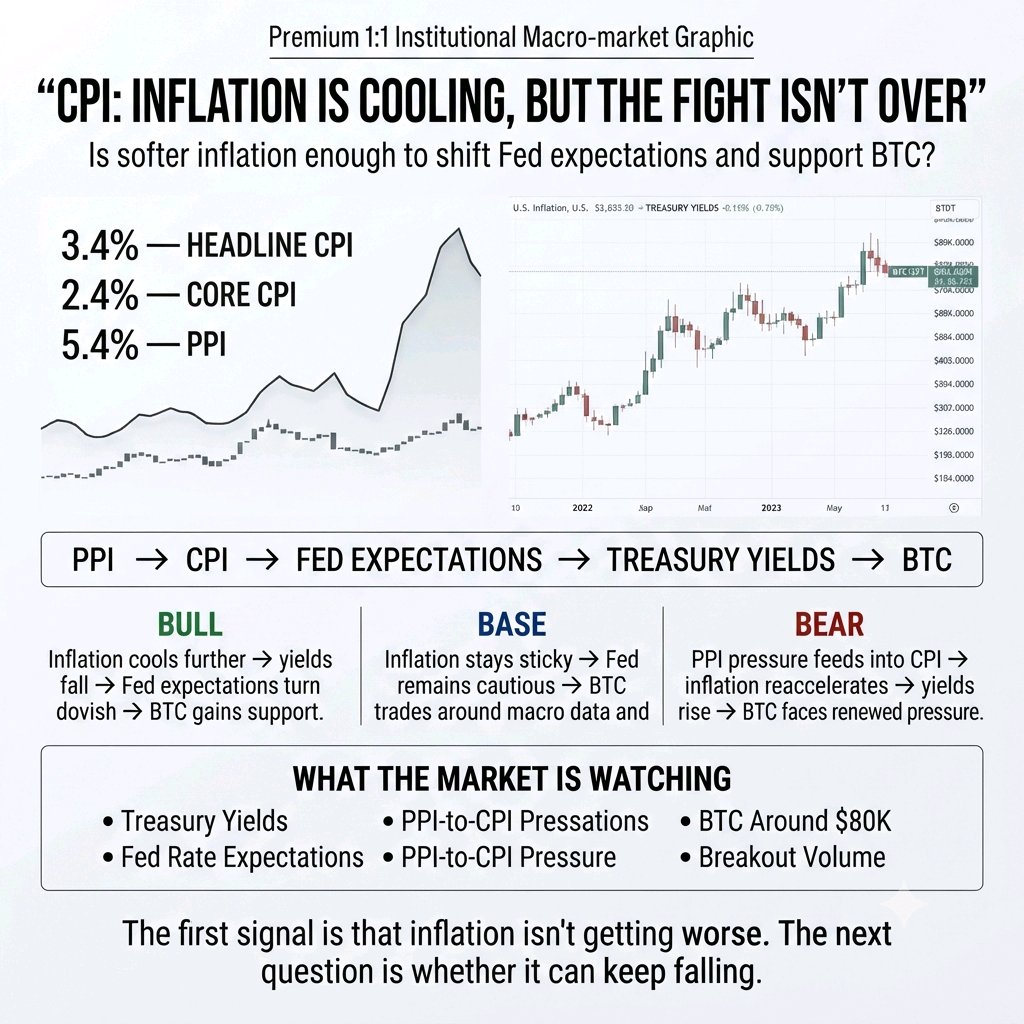
Gold and Solana are both pushing higher, but the reasons behind the moves are very different. Spot gold climbed 1.2% to $4,390.11 as easing oil prices reduced some inflation pressure. SOL, meanwhile, jumped 11.5% on September 18, reaching $114.13 before holding above $113. That difference matters. Gold is reacting mainly to macro conditions: oil, inflation expectations, Treasury yields and Fed expectations. SOL is reacting more like a high-beta risk asset, with its rebound coming after a sharp move down toward $97 earlier in the week. So I'm watching whether both moves can hold after the initial reaction. Gold: $4,400 is the immediate test. Holding above $4,350 would keep the recovery structure intact, while renewed pressure from yields or oil could change the setup. SOL: $114 is the immediate resistance area. Holding above $110 would keep the recent breakout attempt constructive, while losing $100 would weaken the recovery. The interesting part isn't that Gold and SOL are both rising. It's whether their respective catalysts can keep supporting the moves after the first wave of buying fades. I'm watching: • Gold around $4,400 • SOL around $114 • U.S. Treasury yields • Crude oil prices • Fed expectations • Volume behind the rebounds Different assets. Different drivers. But both now need confirmation that buyers can hold the gains. #ByXIMPACT $XAUTUSDT $SOLUSDT
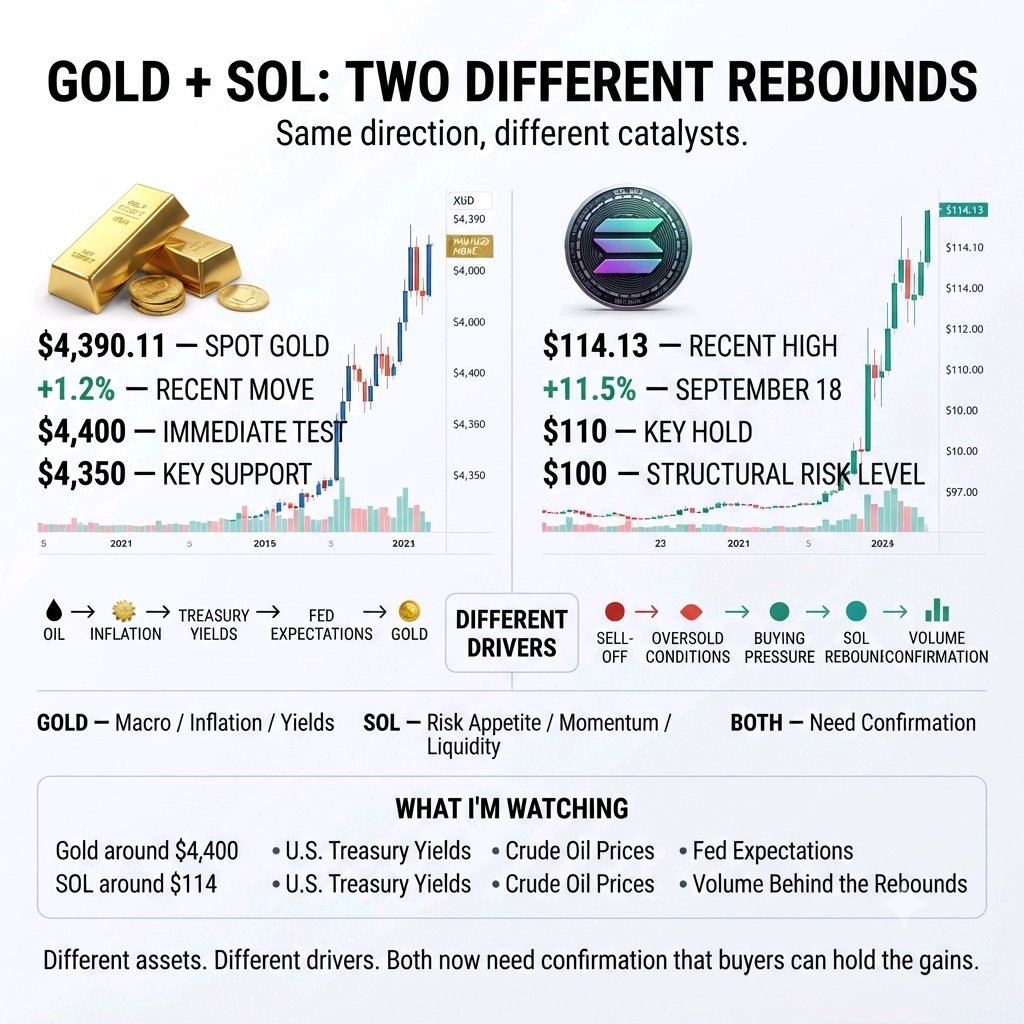
Gold & Circle: Risk Is Being Repriced
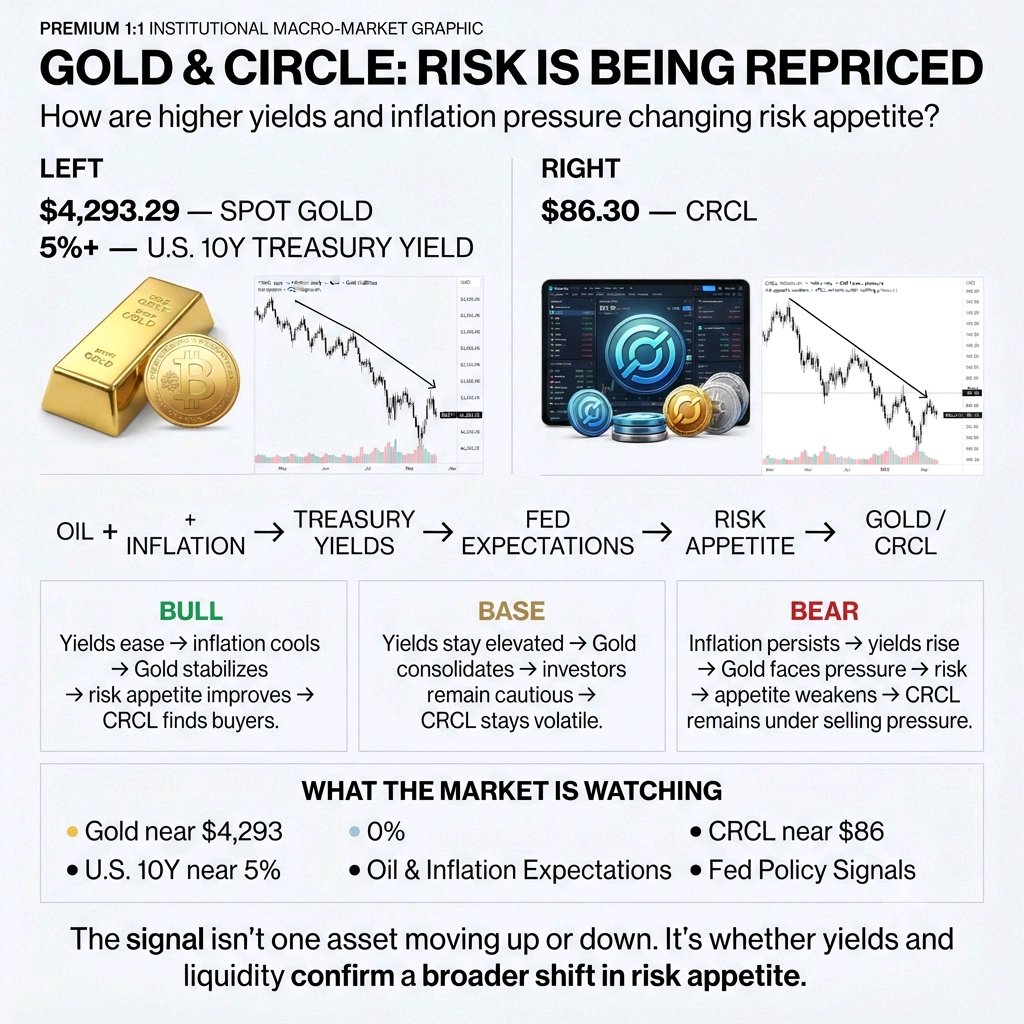
Gold has been under pressure as rising oil prices, inflation concerns and higher Treasury yields push rate-hike expectations higher. Spot gold recently fell to $4,293.29, while the 10-year Treasury yield moved above 5%. But the interesting part isn't the gold decline itself. It's how investors are repricing risk across different parts of the market. Circle ($CRCL) has also faced heavy selling pressure, with the stock recently trading around $86.30. Crypto-linked equities remain sensitive to changes in risk appetite, making CRCL another useful asset to watch alongside broader market conditions. That creates three possible outcomes: Bull case: Treasury yields ease → inflation pressure cools → Gold stabilizes → risk appetite improves → CRCL finds buyers. Base case: Yields remain elevated → Gold consolidates → investors stay cautious → CRCL remains volatile. Bear case: Inflation pressure persists → yields rise further → Gold faces more pressure → risk appetite weakens → CRCL remains under selling pressure. Market takeaway Gold is showing how macro pressure is being priced into defensive assets, while CRCL shows how the same risk-off environment can affect crypto-linked equities. I'm watching: • Gold around $4,293 • U.S. 10Y yield near 5% • Oil and inflation expectations • CRCL around $86 • Fed policy signals The key isn't whether one asset moves higher or lower. It's whether yields and liquidity start confirming a broader shift in risk appetite. #ByXIMPACT $XAUTUSDT $CRCLXUSDT
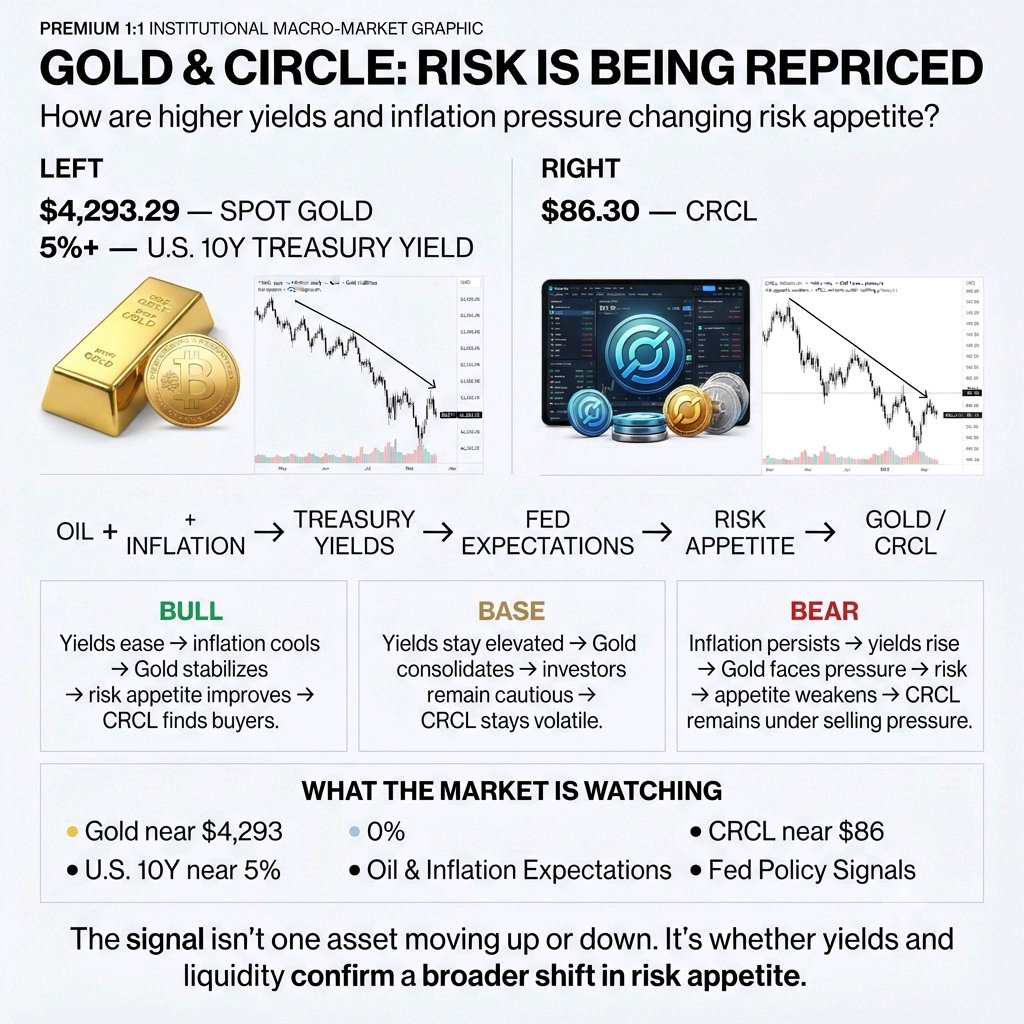
Tesla’s Q2 FY2026 results shifted the debate. Revenue reached $28.24B, +26% YoY, while vehicle deliveries hit a record 480,126, +25%. Energy storage deployments reached 13.5 GWh, while active FSD subscriptions climbed 56% YoY to 1.48M. The deeper signal is Tesla’s transition beyond vehicles. Robotaxi is expanding across U.S. metros, Cybercab has entered production, and Optimus production infrastructure is being built. At the same time, Tesla is investing heavily in AI compute, batteries, semiconductors and new manufacturing capacity. But there’s a critical risk: growth is becoming more capital-intensive before the newer AI businesses generate meaningful financial returns. Q2 operating margin fell to 1.4%, while free cash flow turned -$1.1B as capex surged to $5.79B. R&D also increased 49% YoY. My TSLA framework: Bullish if Robotaxi, FSD and energy scale faster than Tesla’s investment burden. Neutral if revenue keeps growing but margin compression and elevated capex absorb the upside. Bearish if automotive demand weakens while AI, robotics and autonomy require sustained spending without comparable revenue growth. The overlooked signal: Tesla’s biggest constraint may no longer be vehicle demand alone—it’s converting its AI infrastructure investment into recurring, high-margin revenue. The company says battery-pack capacity is currently limiting near-term vehicle production, while its AI and manufacturing expansion is pushing capital requirements higher. For BYX, I’d focus on deliveries, automotive margins, FSD subscriptions, Robotaxi expansion, energy deployments and free cash flow rather than chasing daily price moves. Watch the cash conversion before the narrative. DYOR. Not financial advice. $TSLAXUSDT #ByXIMPACT
Apple: The Next Big Investment Test
Apple is entering its next iPhone cycle from a position of strength. Revenue reached $109.4B, up 16% year over year, while iPhone demand remained strong. But investors should look beyond the headline growth. Memory costs are rising as AI infrastructure competes for semiconductor capacity. Apple has already raised prices on some Macs and iPads, while management expects memory costs to remain a pressure point in the September quarter. Now the iPhone becomes the bigger test. Reports suggest memory costs for the iPhone 18 Pro could be significantly higher, creating another challenge for Apple's hardware margins. The investment question is simple: Can Apple pass higher costs to consumers without damaging iPhone demand? If the answer is yes, Apple demonstrates something more valuable than short-term revenue growth: pricing power. That could allow Apple to protect margins and earnings even as hardware costs rise. But if Apple absorbs too much of the increase to keep prices attractive, revenue could continue growing while margins come under pressure. My Apple takeaway: Don't watch the iPhone launch only for unit sales. Watch: ASP + gross margin + consumer demand. If Apple raises prices and customers keep upgrading, that would strengthen the case that its ecosystem still gives it exceptional pricing power. If higher prices weaken demand or margins deteriorate, investors may need to rethink future earnings growth. The bullish signal isn't simply “Apple sells more iPhones.” It's: “Apple can charge more without breaking demand.” #ByXIMPACT $AAPLXUSDT
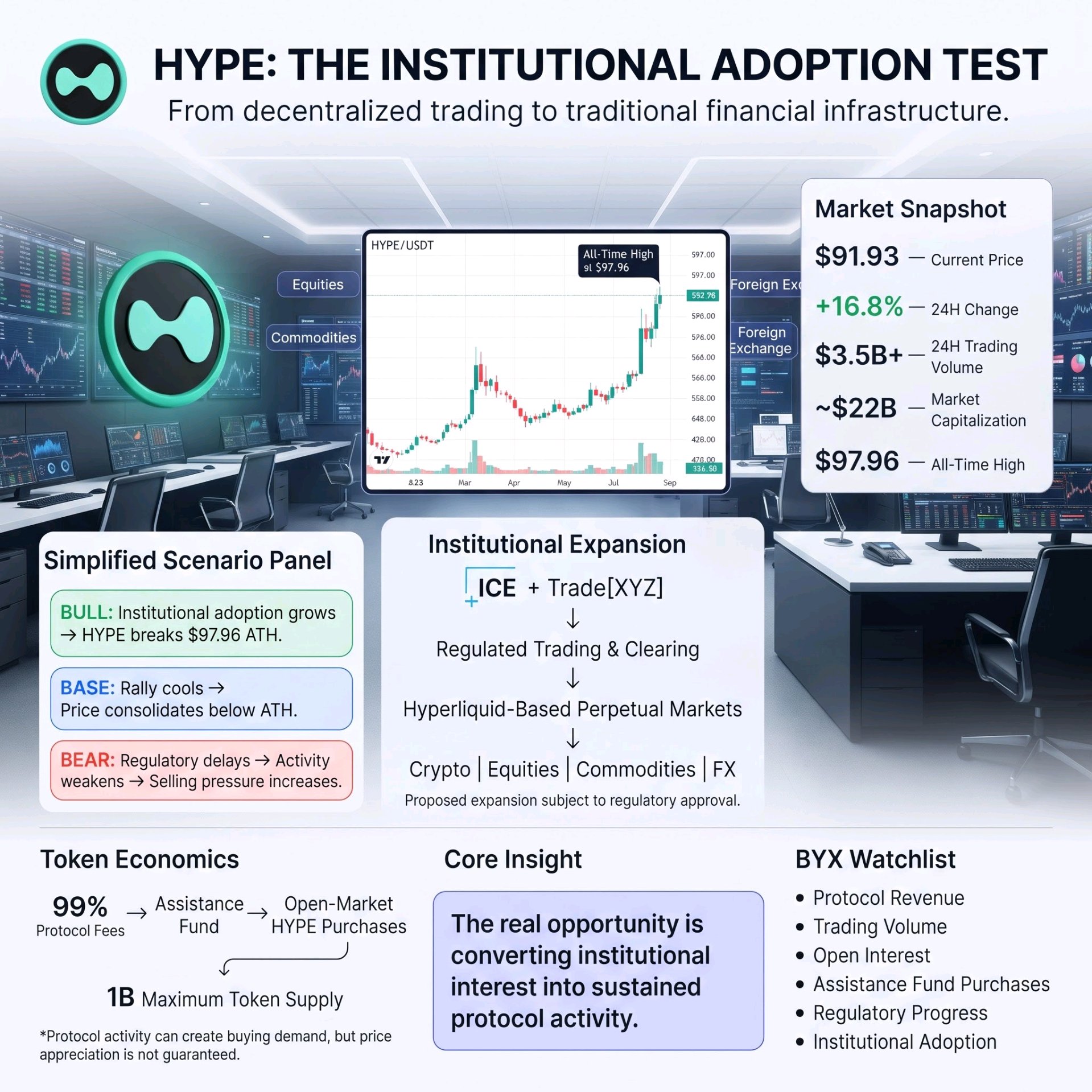
Hyperliquid’s $HYPE market performance shifted the debate. The token climbed to approximately $91.93, gaining 16.8% in 24 hours, while daily trading volume exceeded $3.5B and market capitalization reached roughly $22B. The rally followed an announcement involving Intercontinental Exchange (ICE), the parent company of the New York Stock Exchange. The deeper signal is Hyperliquid’s transition beyond decentralized derivatives trading. Plans involving ICE and Trade[XYZ] could bring Hyperliquid-based perpetual futures into the U.S. through a regulated trading and clearing structure, covering crypto, equities, commodities and foreign exchange. This could position Hyperliquid as infrastructure connecting decentralized markets with traditional finance. But there’s a critical risk: market expectations are moving faster than actual adoption. The proposed partnership remains subject to regulatory approval, and ICE’s involvement does not represent a direct investment in HYPE. Meanwhile, future token supply expansion remains important, given its 1 billion maximum supply. My HYPE framework: Bullish if regulatory progress advances, institutional trading activity increases and HYPE breaks above its $97.96 all-time high. Neutral if the announcement-driven rally cools while price consolidates below previous highs as the market waits for real adoption. Bearish if regulatory delays weaken expectations, protocol activity declines and profit-taking creates sustained selling pressure. The overlooked signal: Hyperliquid's token economics connect protocol activity to potential market demand. Currently, 99% of protocol fees are allocated to the Assistance Fund, which purchases HYPE from the open market. This creates a mechanism through which increased protocol activity can generate additional buying demand, although it doesn't guarantee price appreciation. For BYX, I’d focus on protocol revenue, trading volume, open interest, Assistance Fund purchases, regulatory progress and institutional adoption rather than chasing announcement-driven price movements. Watch the adoption behind the partnership before the narrative. DYOR. Not financial advice. #ByXIMPACT $HYPEUSDT
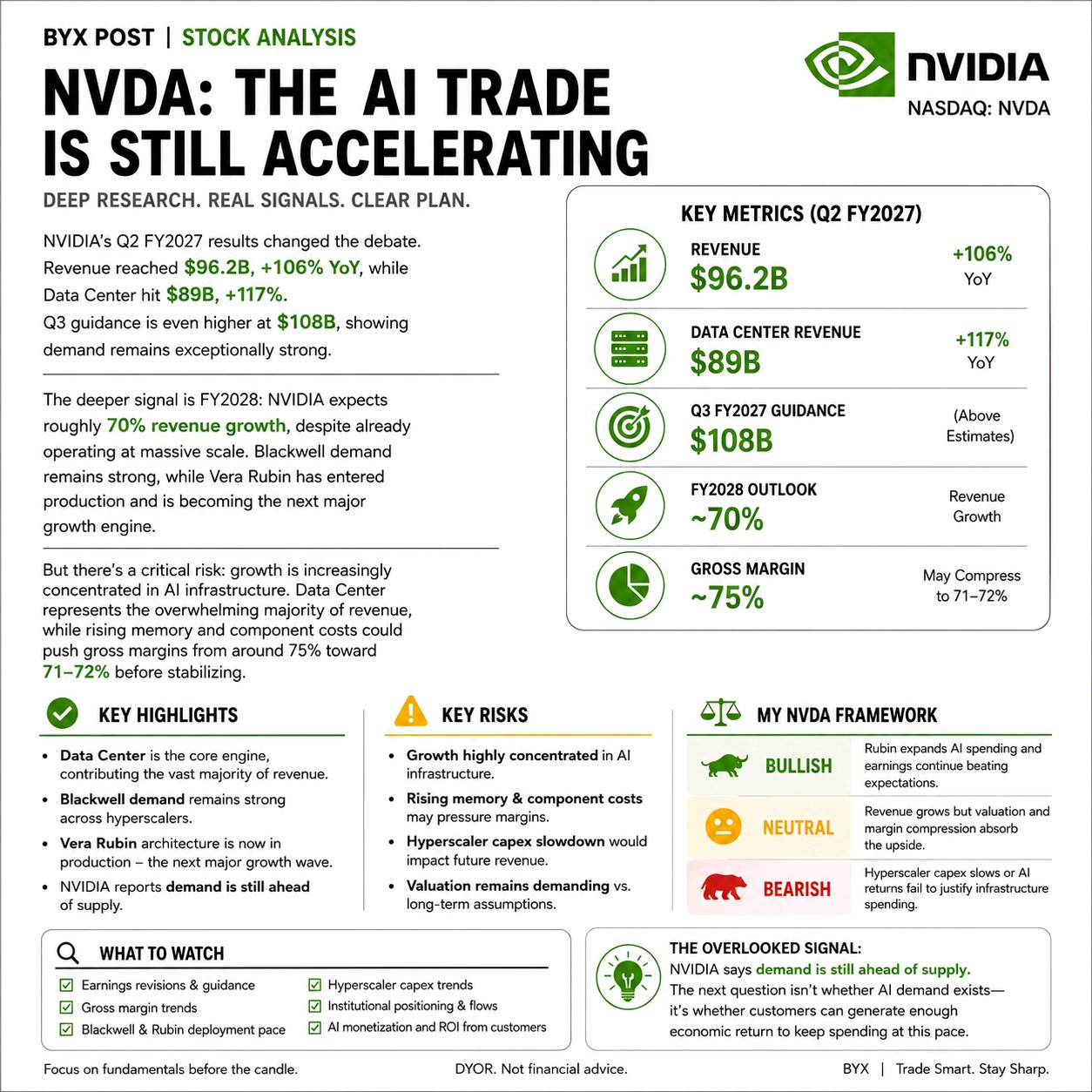
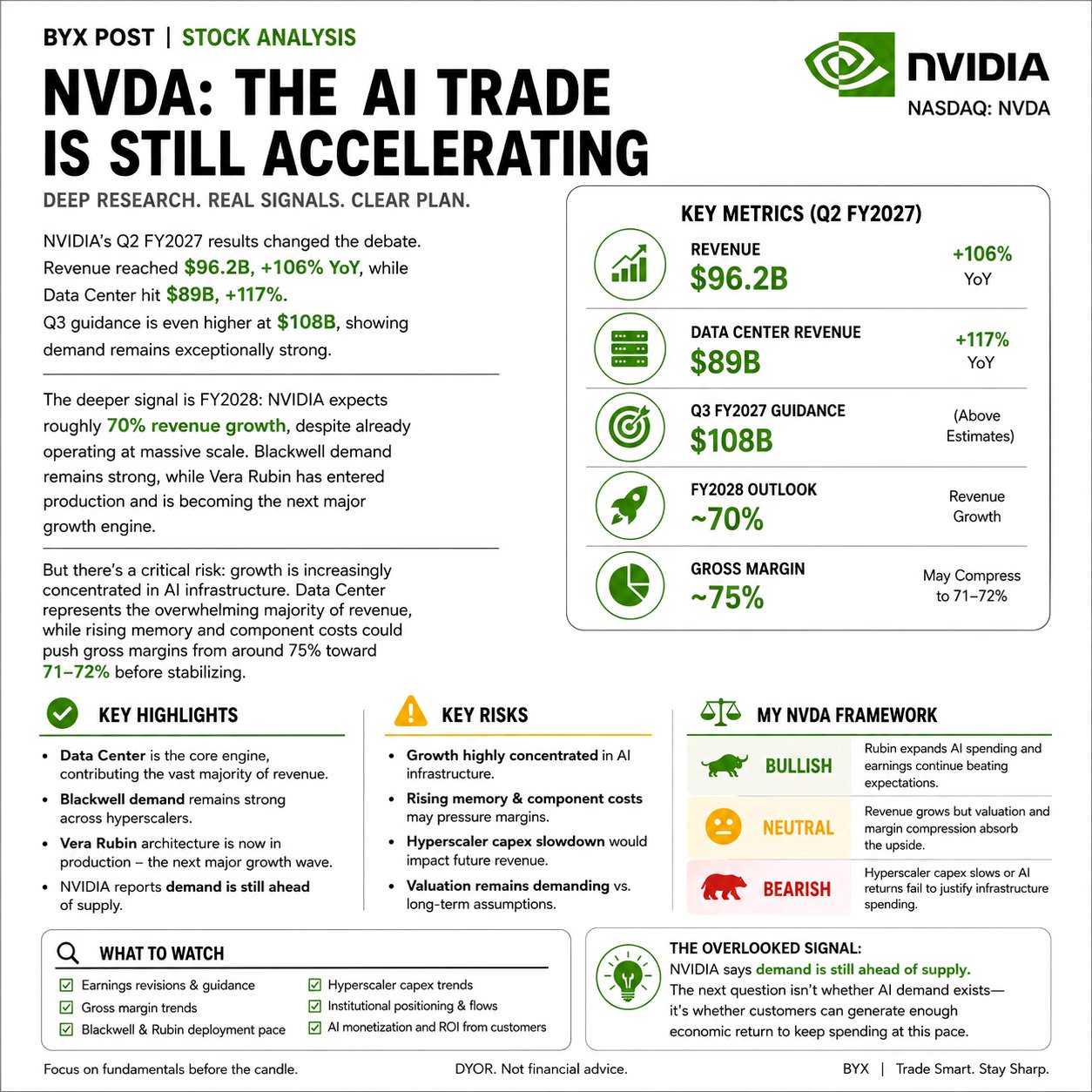
NVIDIA’s Q2 FY2027 results changed the debate. Revenue reached $96.2B, +106% YoY, while Data Center hit $89B, +117%. Q3 guidance is even higher at $108B, showing demand remains exceptionally strong. The deeper signal is FY2028: NVIDIA expects roughly 70% revenue growth, despite already operating at massive scale. Blackwell demand remains strong, while Vera Rubin has entered production and is becoming the next major growth engine. But there’s a critical risk: growth is increasingly concentrated in AI infrastructure. Data Center represents the overwhelming majority of revenue, while rising memory and component costs could push gross margins from around 75% toward 71–72% before stabilizing. My NVDA framework: Bullish if Rubin expands AI spending and earnings continue beating expectations. Neutral if revenue grows but valuation and margin compression absorb the upside. Bearish if hyperscaler capex slows or AI returns fail to justify infrastructure spending. The overlooked signal: NVIDIA says demand is still ahead of supply. The next question isn’t whether AI demand exists—it’s whether customers can generate enough economic return to keep spending at this pace. For BYX, I’d focus on earnings revisions, gross margins, Blackwell/Rubin deployment and institutional positioning rather than chasing daily price moves. Watch the fundamentals before the candle. DYOR. Not financial advice. $NVDAXUSDT #ByXIMPACT
Gold Is Losing Ground. But the Bigger Story Hasn’t Changed. Gold recently pulled back as stronger U.S. economic data pushed rate-hike expectations higher, putting pressure on a non-yielding asset. For $XAUTUSDT, the reaction matters. A move below $4,373 would show that sellers are gaining more control, while reclaiming $4,500 would put buyers back in a stronger position. But there’s another side to the market. Central banks continue accumulating gold, with China extending its buying streak. That creates a conflict between short-term Fed pressure and long-term reserve demand. So I’m not watching the $5,000 target yet. I’m watching whether buyers can absorb this sell-off without losing the $4,373 structure. If they defend it, the pullback could become an opportunity. If they lose it, the market may need to reset lower first. $XAUTUSDT #ByXIMPACT

Apple: The Next Big Investment Test
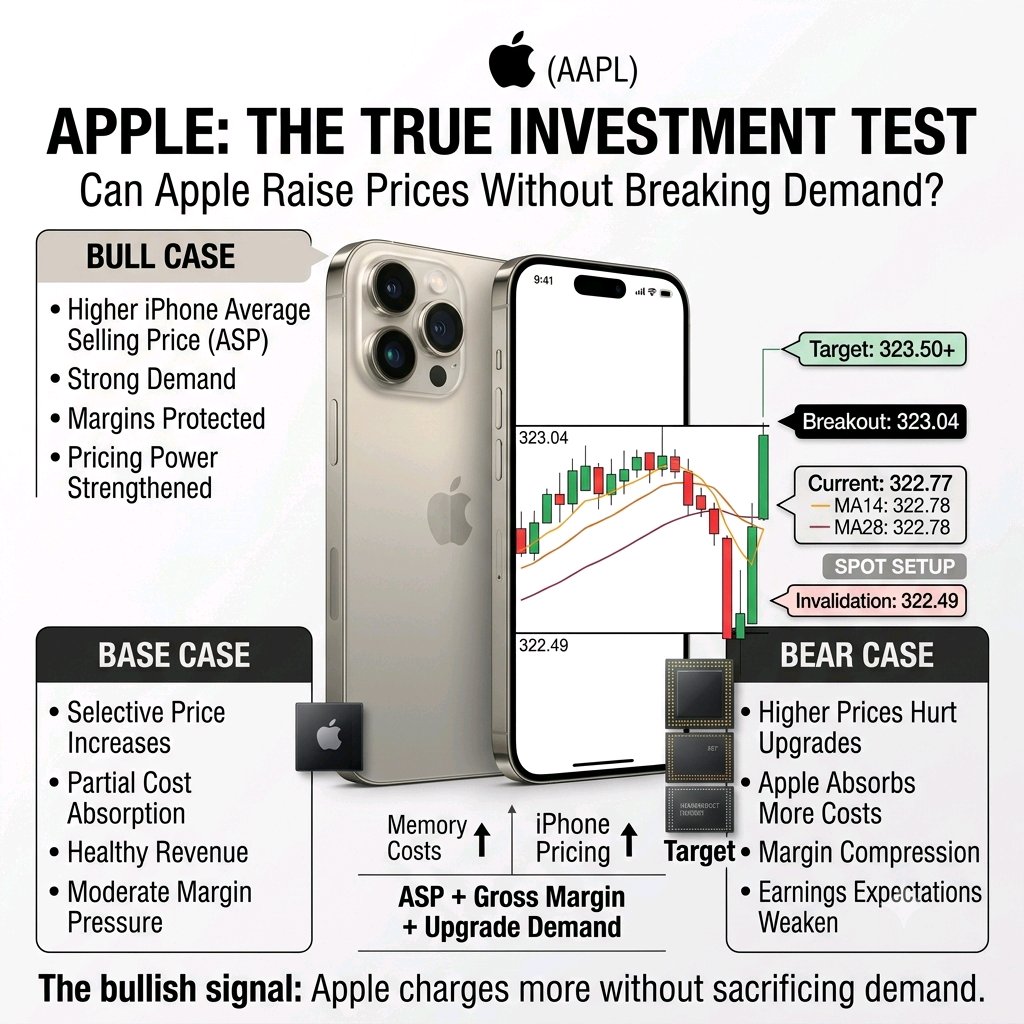
Apple is entering its next iPhone cycle from a position of strength. Revenue reached $109.4B, up 16% year over year, while iPhone demand remained strong. But investors should look beyond the headline growth. Memory costs are rising as AI infrastructure competes for semiconductor capacity. Apple has already raised prices on some Macs and iPads, while management expects memory costs to remain a pressure point in the September quarter. Now the iPhone becomes the bigger test. Reports suggest memory costs for the iPhone 18 Pro could be significantly higher, creating another challenge for Apple's hardware margins. The investment question is simple: Can Apple pass higher costs to consumers without damaging iPhone demand? If the answer is yes, Apple demonstrates something more valuable than short-term revenue growth: pricing power. That could allow Apple to protect margins and earnings even as hardware costs rise. But if Apple absorbs too much of the increase to keep prices attractive, revenue could continue growing while margins come under pressure. My Apple takeaway: Don't watch the iPhone launch only for unit sales. Watch: ASP + gross margin + consumer demand. If Apple raises prices and customers keep upgrading, that would strengthen the case that its ecosystem still gives it exceptional pricing power. If higher prices weaken demand or margins deteriorate, investors may need to rethink future earnings growth. The bullish signal isn't simply “Apple sells more iPhones.” It's: “Apple can charge more without breaking demand.” $AAPLXUSDT #ByXIMPACT
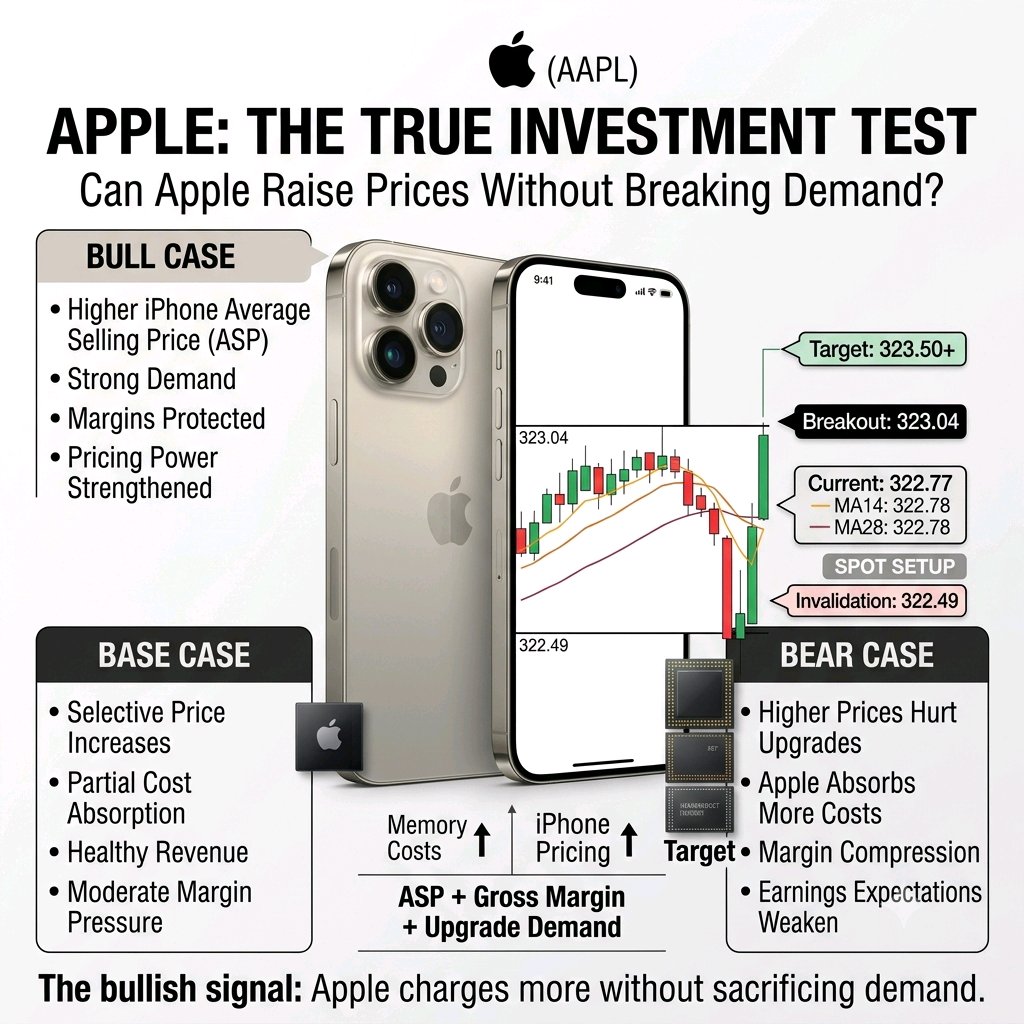
Gold and Solana are both pushing higher, but the reasons behind the moves are very different. Spot gold climbed 1.2% to $4,390.11 as easing oil prices reduced some inflation pressure. SOL, meanwhile, jumped 11.5% on September 18, reaching $114.13 before holding above $113. That difference matters. Gold is reacting mainly to macro conditions: oil, inflation expectations, Treasury yields and Fed expectations. SOL is reacting more like a high-beta risk asset, with its rebound coming after a sharp move down toward $97 earlier in the week. So I'm watching whether both moves can hold after the initial reaction. Gold: $4,400 is the immediate test. Holding above $4,350 would keep the recovery structure intact, while renewed pressure from yields or oil could change the setup. SOL: $114 is the immediate resistance area. Holding above $110 would keep the recent breakout attempt constructive, while losing $100 would weaken the recovery. The interesting part isn't that Gold and SOL are both rising. It's whether their respective catalysts can keep supporting the moves after the first wave of buying fades. I'm watching: • Gold around $4,400 • SOL around $114 • U.S. Treasury yields • Crude oil prices • Fed expectations • Volume behind the rebounds Different assets. Different drivers. But both now need confirmation that buyers can hold the gains. $XAUTUSDT $SOLUSDT #ByXIMPACT
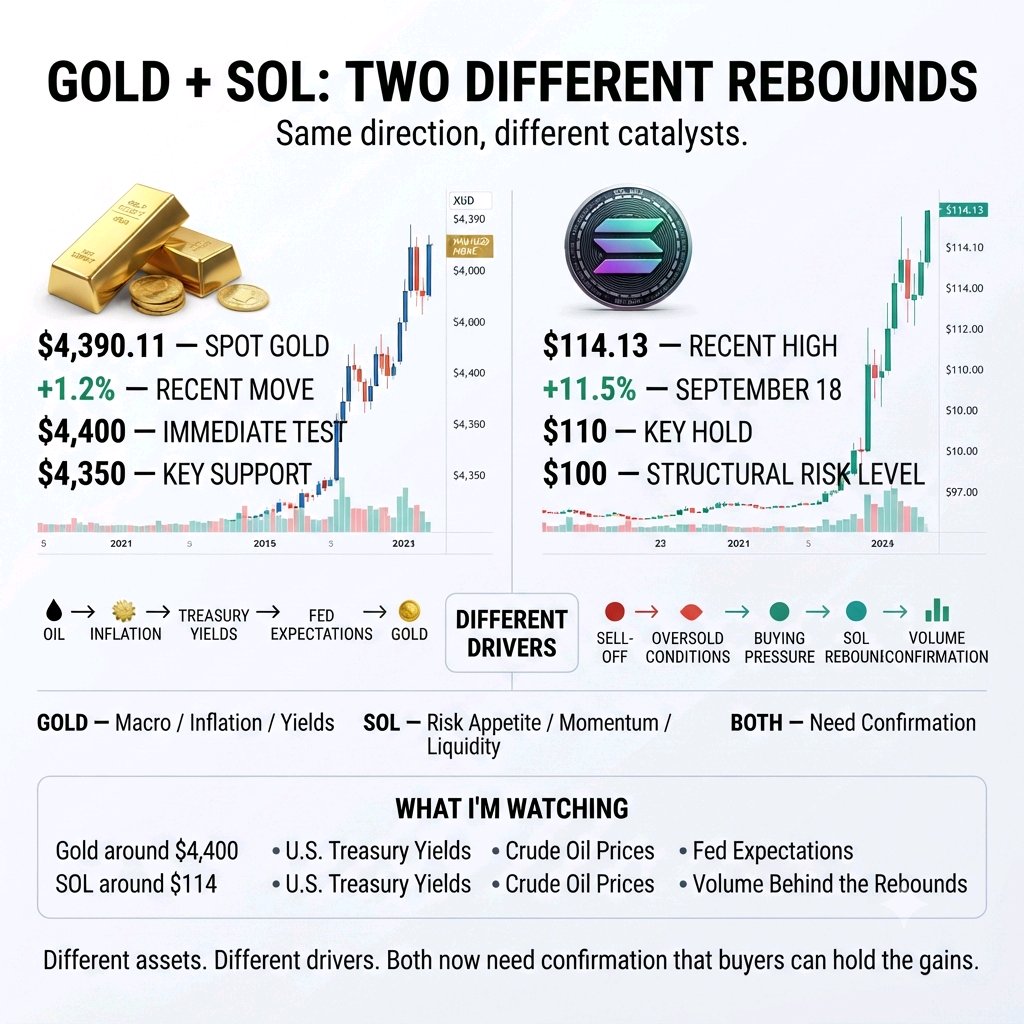
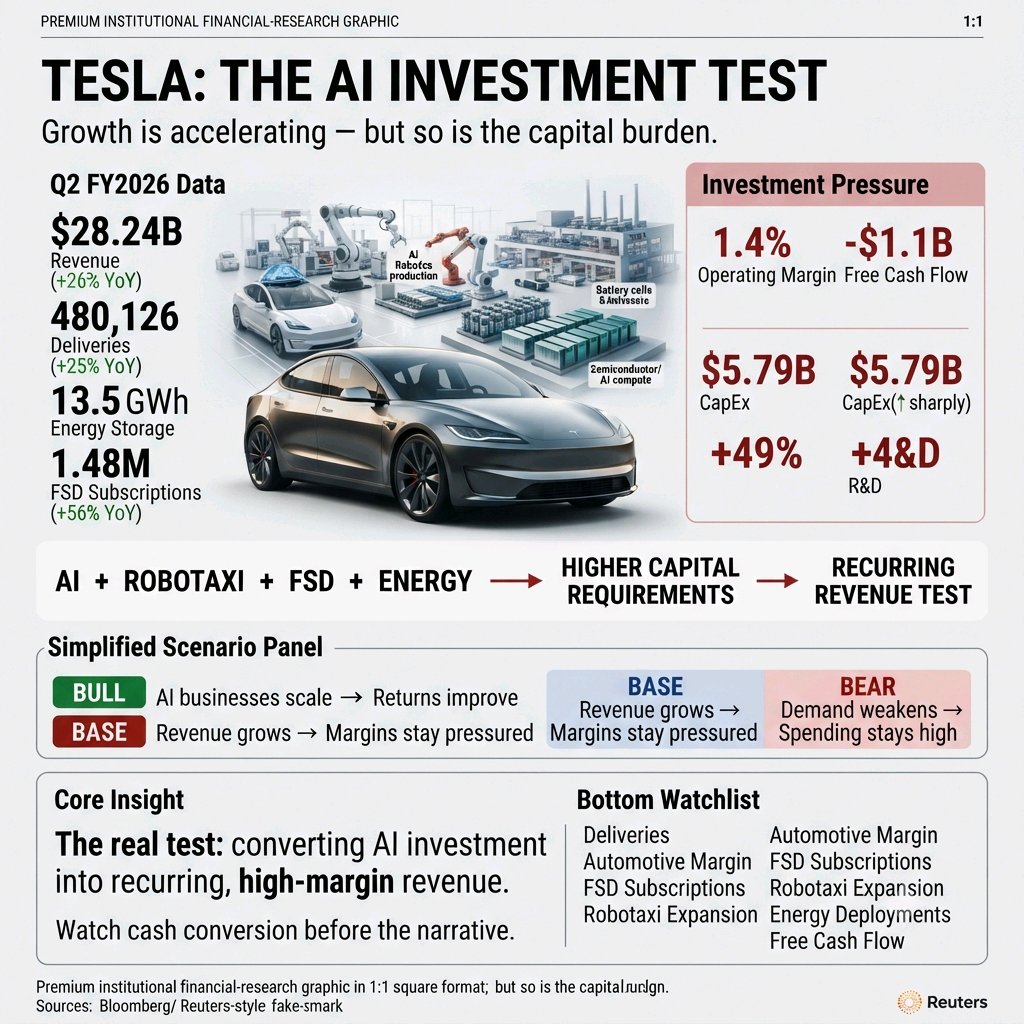
Tesla’s Q2 FY2026 results shifted the debate. Revenue reached $28.24B, +26% YoY, while vehicle deliveries hit a record 480,126, +25%. Energy storage deployments reached 13.5 GWh, while active FSD subscriptions climbed 56% YoY to 1.48M. The deeper signal is Tesla’s transition beyond vehicles. Robotaxi is expanding across U.S. metros, Cybercab has entered production, and Optimus production infrastructure is being built. At the same time, Tesla is investing heavily in AI compute, batteries, semiconductors and new manufacturing capacity. But there’s a critical risk: growth is becoming more capital-intensive before the newer AI businesses generate meaningful financial returns. Q2 operating margin fell to 1.4%, while free cash flow turned -$1.1B as capex surged to $5.79B. R&D also increased 49% YoY. My TSLA framework: Bullish if Robotaxi, FSD and energy scale faster than Tesla’s investment burden. Neutral if revenue keeps growing but margin compression and elevated capex absorb the upside. Bearish if automotive demand weakens while AI, robotics and autonomy require sustained spending without comparable revenue growth. The overlooked signal: Tesla’s biggest constraint may no longer be vehicle demand alone—it’s converting its AI infrastructure investment into recurring, high-margin revenue. The company says battery-pack capacity is currently limiting near-term vehicle production, while its AI and manufacturing expansion is pushing capital requirements higher. For BYX, I’d focus on deliveries, automotive margins, FSD subscriptions, Robotaxi expansion, energy deployments and free cash flow rather than chasing daily price moves. Watch the cash conversion before the narrative. DYOR. Not financial advice. $TSLAXUSDT #ByXIMPACT
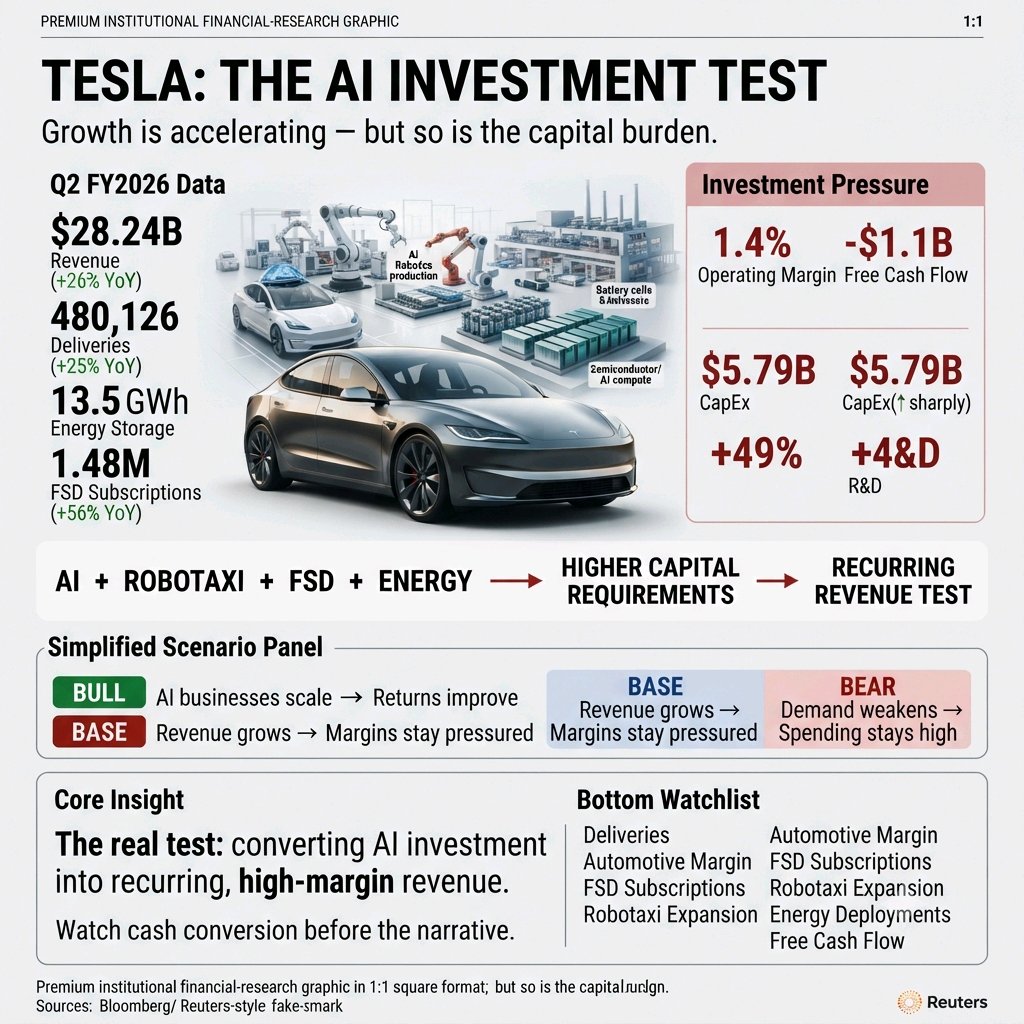
Gold & Circle: Risk Is Being Repriced
Gold has been under pressure as rising oil prices, inflation concerns and higher Treasury yields push rate-hike expectations higher. Spot gold recently fell to $4,293.29, while the 10-year Treasury yield moved above 5%. But the interesting part isn't the gold decline itself. It's how investors are repricing risk across different parts of the market. Circle ($CRCL) has also faced heavy selling pressure, with the stock recently trading around $86.30. Crypto-linked equities remain sensitive to changes in risk appetite, making CRCL another useful asset to watch alongside broader market conditions. That creates three possible outcomes: Bull case: Treasury yields ease → inflation pressure cools → Gold stabilizes → risk appetite improves → CRCL finds buyers. Base case: Yields remain elevated → Gold consolidates → investors stay cautious → CRCL remains volatile. Bear case: Inflation pressure persists → yields rise further → Gold faces more pressure → risk appetite weakens → CRCL remains under selling pressure. Market takeaway Gold is showing how macro pressure is being priced into defensive assets, while CRCL shows how the same risk-off environment can affect crypto-linked equities. I'm watching: • Gold around $4,293 • U.S. 10Y yield near 5% • Oil and inflation expectations • CRCL around $86 • Fed policy signals The key isn't whether one asset moves higher or lower. It's whether yields and liquidity start confirming a broader shift in risk appetite. #ByXIMPACT $XAUTUSDT $CRCLXUSDT
NVIDIA’s Q2 FY2027 results changed the debate. Revenue reached $96.2B, +106% YoY, while Data Center hit $89B, +117%. Q3 guidance is even higher at $108B, showing demand remains exceptionally strong. The deeper signal is FY2028: NVIDIA expects roughly 70% revenue growth, despite already operating at massive scale. Blackwell demand remains strong, while Vera Rubin has entered production and is becoming the next major growth engine. But there’s a critical risk: growth is increasingly concentrated in AI infrastructure. Data Center represents the overwhelming majority of revenue, while rising memory and component costs could push gross margins from around 75% toward 71–72% before stabilizing. My NVDA framework: Bullish if Rubin expands AI spending and earnings continue beating expectations. Neutral if revenue grows but valuation and margin compression absorb the upside. Bearish if hyperscaler capex slows or AI returns fail to justify infrastructure spending. The overlooked signal: NVIDIA says demand is still ahead of supply. The next question isn’t whether AI demand exists—it’s whether customers can generate enough economic return to keep spending at this pace. For BYX, I’d focus on earnings revisions, gross margins, Blackwell/Rubin deployment and institutional positioning rather than chasing daily price moves. Watch the fundamentals before the candle. DYOR. Not financial advice. $NVDAXUSDT #ByXIMPACT
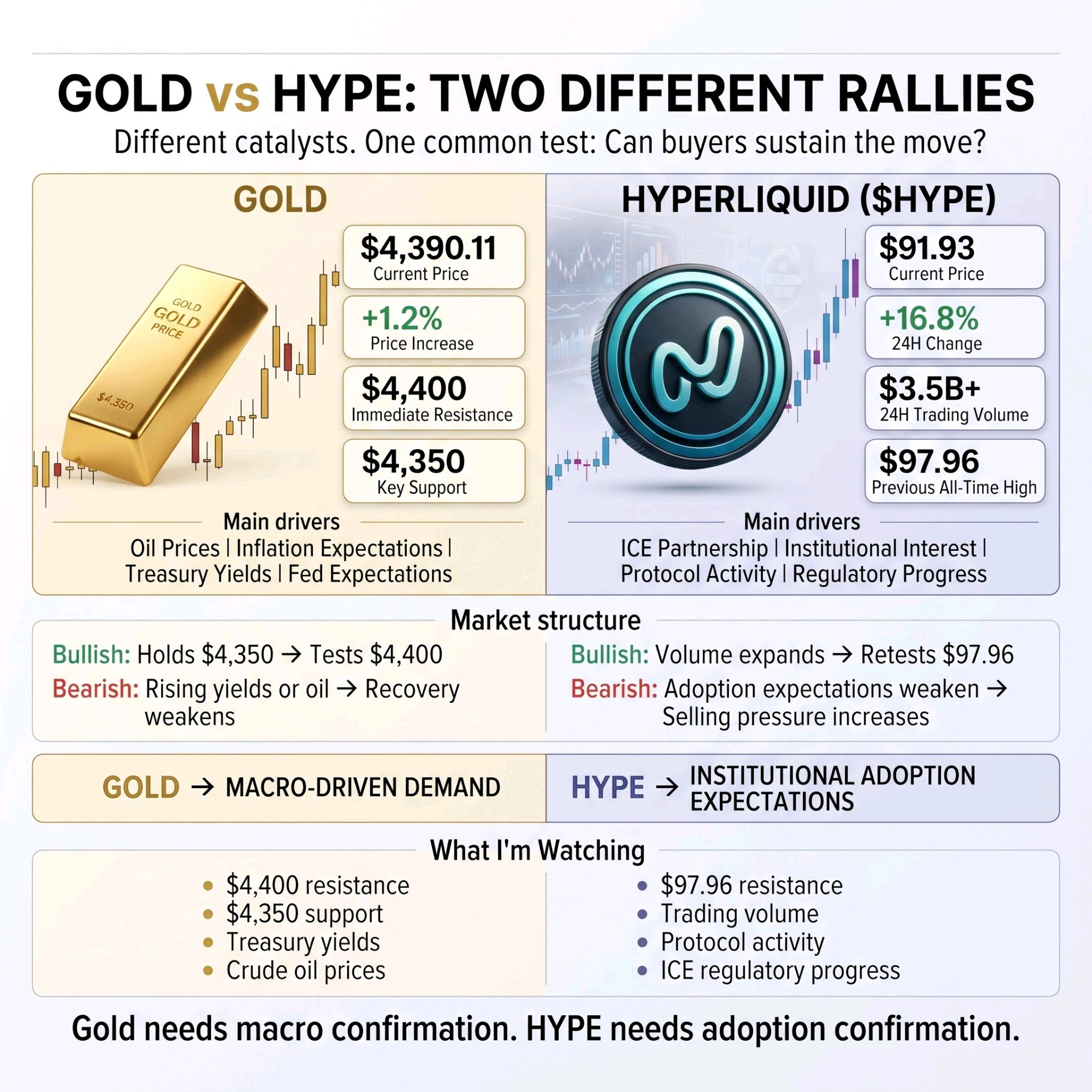
Gold and Hyperliquid's $HYPE are both attracting buyers, but the reasons behind their moves are very different. Spot gold climbed to $4,390.11, gaining 1.2% as easing oil prices reduced some inflation pressure. HYPE, meanwhile, jumped approximately 16.8% to $91.93, with daily trading volume exceeding $3.5B following the announcement involving ICE and Trade[XYZ]. That difference matters. Gold is reacting mainly to macro conditions: oil prices, inflation expectations, Treasury yields and Fed policy. HYPE is reacting to growing expectations around institutional adoption, following plans to introduce Hyperliquid-based perpetual futures through a regulated trading and clearing structure, subject to regulatory approval. So I'm watching whether both moves can hold after the initial reaction. Gold: $4,400 is the immediate test. Holding above $4,350 would keep the recovery structure intact, while renewed pressure from yields or oil could weaken the move. HYPE: $97.96 is the key resistance area and previous all-time high. Sustained buying volume could support another attempt, while regulatory delays or declining protocol activity could weaken the rally. The interesting part isn't that Gold and HYPE are both rising. It's whether their respective catalysts can continue supporting demand after the first wave of buying fades. I'm watching: • Gold around $4,400 • Gold support around $4,350 • HYPE around $97.96 • U.S. Treasury yields and crude oil • Regulatory progress around the ICE partnership • Volume and protocol activity behind HYPE Different assets. Different drivers. But both now need confirmation that buyers can sustain the move. $XAUTUSDT $HYPEUSDT #ByXIMPACT
Gold: Fed Hike Fails to Break the Trend
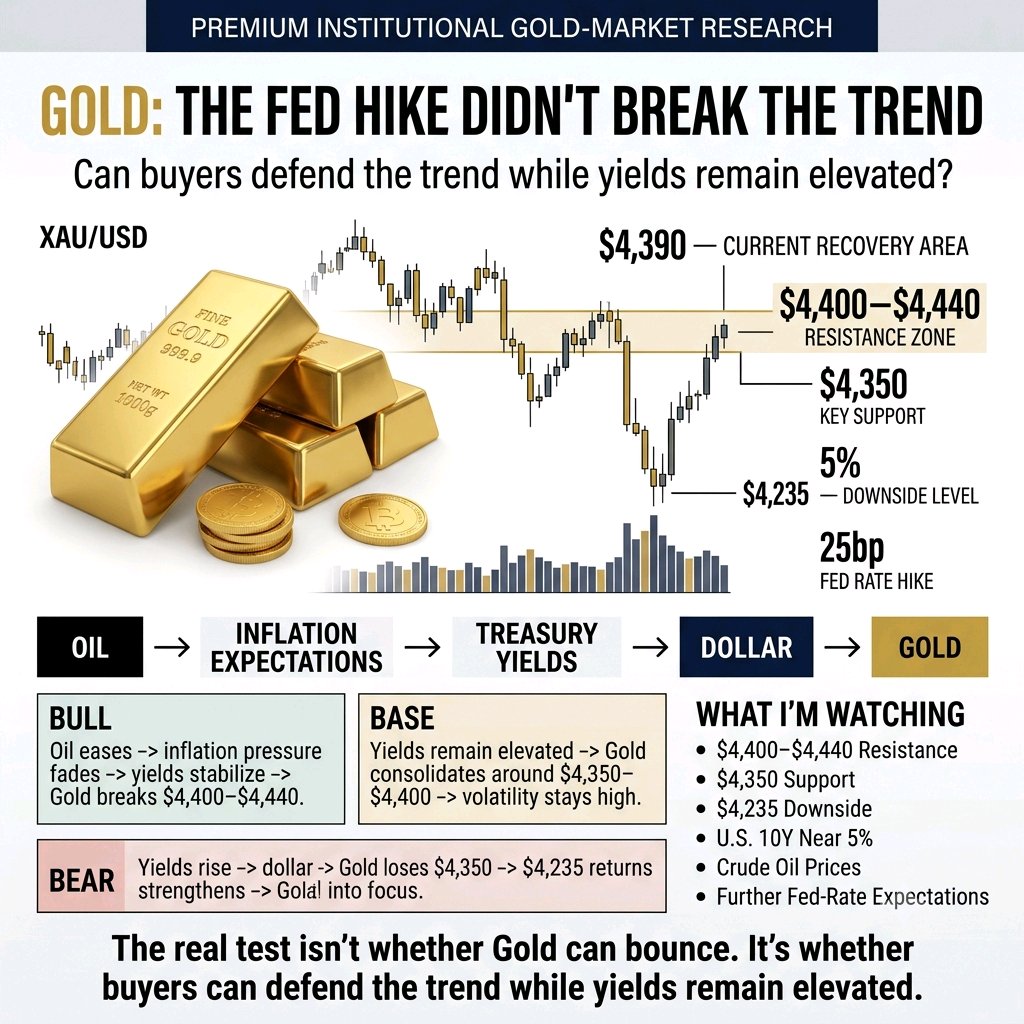
Gold has recovered sharply after the latest Fed rate hike, and the interesting part isn't the rebound itself. It's what happened underneath it. Spot gold pushed back toward $4,400 after falling to around $4,235 following the Fed's 25bp hike. As oil prices eased and Treasury yields pulled back, some of the pressure on gold started to fade. That reaction matters. Higher rates normally create pressure on gold because the asset doesn't generate yield. But this time, the market is showing that oil, inflation expectations, yields and geopolitical risk are all competing for influence. That creates three possible paths: Bull case: Oil keeps cooling → Treasury yields ease → inflation pressure fades → Gold holds above $4,350 and retests $4,400+. Base case: Yields remain elevated → Gold consolidates around $4,350–$4,400 → volatility stays high as markets reassess the Fed's next move. Bear case: Oil rebounds → inflation expectations rise → yields move back toward 5% → Gold loses $4,350 and faces renewed selling pressure. Market takeaway The Fed hike didn't break Gold's structure. The bigger test is whether lower oil prices and easing yields can continue supporting the rebound. I'm watching: • $4,400 resistance • $4,350 reaction zone • U.S. 10Y yield • Crude oil prices • Further Fed-hike expectations Gold isn't trading on rates alone anymore. The next move may depend on whether inflation pressure keeps easing or returns through energy prices. #ByXIMPACT $XAUTUSDT
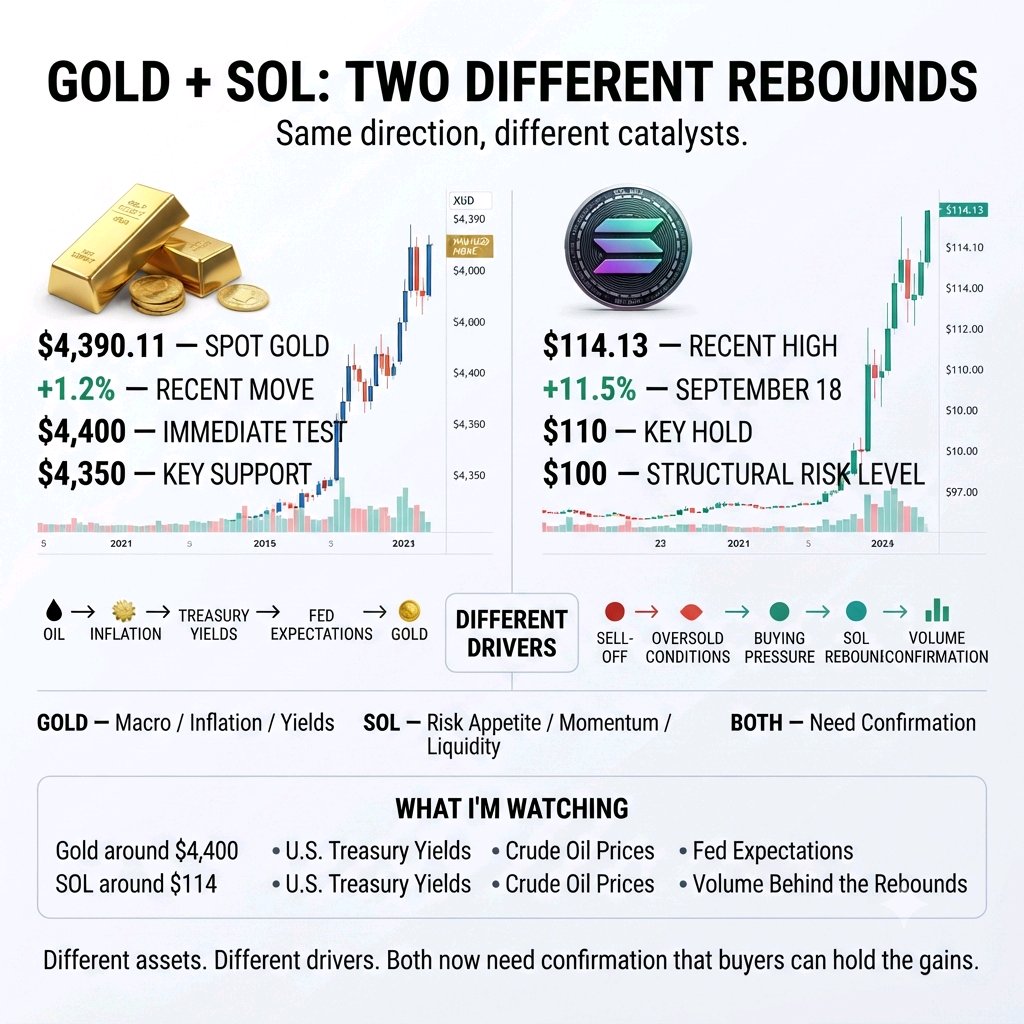
Gold and Solana are both pushing higher, but the reasons behind the moves are very different. Spot gold climbed 1.2% to $4,390.11 as easing oil prices reduced some inflation pressure. SOL, meanwhile, jumped 11.5% on September 18, reaching $114.13 before holding above $113. That difference matters. Gold is reacting mainly to macro conditions: oil, inflation expectations, Treasury yields and Fed expectations. SOL is reacting more like a high-beta risk asset, with its rebound coming after a sharp move down toward $97 earlier in the week. So I'm watching whether both moves can hold after the initial reaction. Gold: $4,400 is the immediate test. Holding above $4,350 would keep the recovery structure intact, while renewed pressure from yields or oil could change the setup. SOL: $114 is the immediate resistance area. Holding above $110 would keep the recent breakout attempt constructive, while losing $100 would weaken the recovery. The interesting part isn't that Gold and SOL are both rising. It's whether their respective catalysts can keep supporting the moves after the first wave of buying fades. I'm watching: • Gold around $4,400 • SOL around $114 • U.S. Treasury yields • Crude oil prices • Fed expectations • Volume behind the rebounds Different assets. Different drivers. But both now need confirmation that buyers can hold the gains. $XAUTUSDT #ByXIMPACT $SOLUSDT
Gold & Circle: Risk Is Being Repriced
Gold has been under pressure as rising oil prices, inflation concerns and higher Treasury yields push rate-hike expectations higher. Spot gold recently fell to $4,293.29, while the 10-year Treasury yield moved above 5%. But the interesting part isn't the gold decline itself. It's how investors are repricing risk across different parts of the market. Circle ($CRCL) has also faced heavy selling pressure, with the stock recently trading around $86.30. Crypto-linked equities remain sensitive to changes in risk appetite, making CRCL another useful asset to watch alongside broader market conditions. That creates three possible outcomes: Bull case: Treasury yields ease → inflation pressure cools → Gold stabilizes → risk appetite improves → CRCL finds buyers. Base case: Yields remain elevated → Gold consolidates → investors stay cautious → CRCL remains volatile. Bear case: Inflation pressure persists → yields rise further → Gold faces more pressure → risk appetite weakens → CRCL remains under selling pressure. Market takeaway Gold is showing how macro pressure is being priced into defensive assets, while CRCL shows how the same risk-off environment can affect crypto-linked equities. I'm watching: • Gold around $4,293 • U.S. 10Y yield near 5% • Oil and inflation expectations • CRCL around $86 • Fed policy signals The key isn't whether one asset moves higher or lower. It's whether yields and liquidity start confirming a broader shift in risk appetite. #ByXIMPACT $XAUTUSDT $CRCLXUSDT
Apple: The Next Big Investment Test
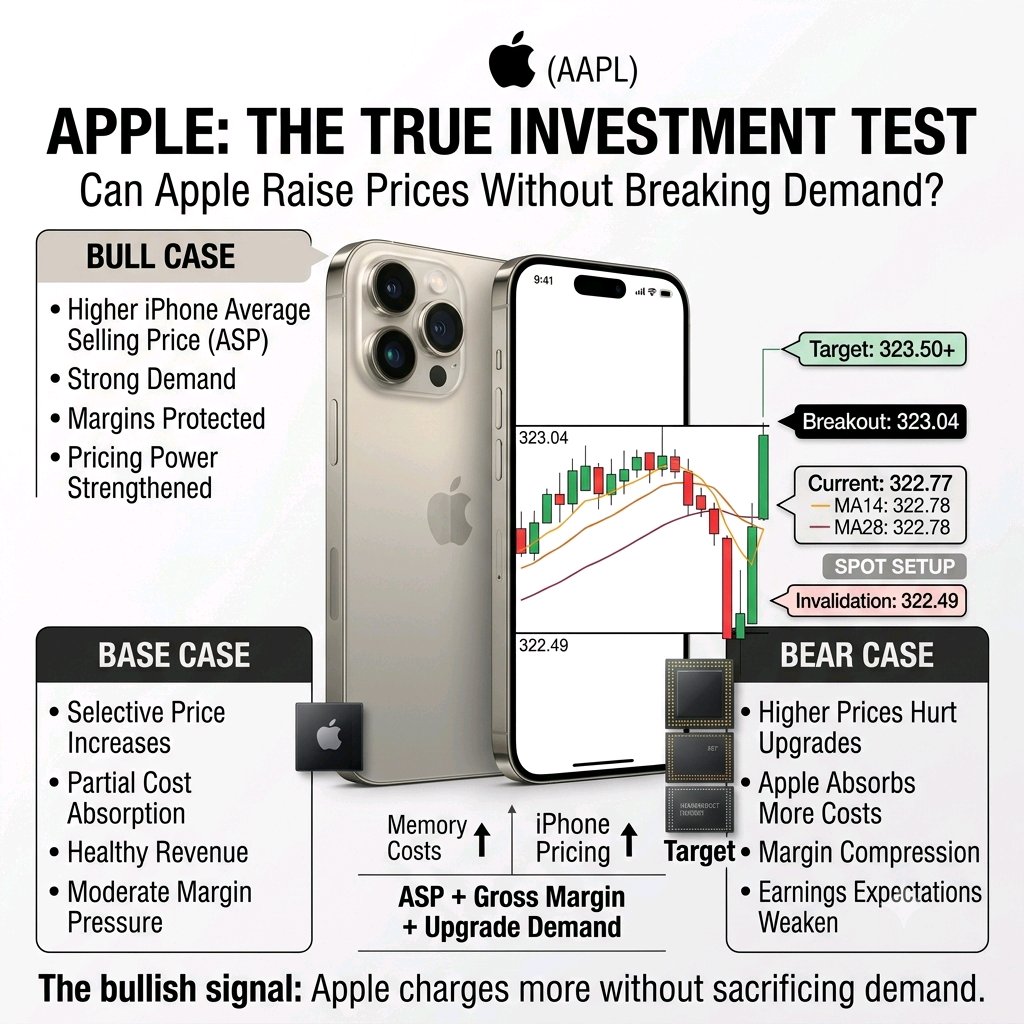
Apple is entering its next iPhone cycle from a position of strength. Revenue reached $109.4B, up 16% year over year, while iPhone demand remained strong. But investors should look beyond the headline growth. Memory costs are rising as AI infrastructure competes for semiconductor capacity. Apple has already raised prices on some Macs and iPads, while management expects memory costs to remain a pressure point in the September quarter. Now the iPhone becomes the bigger test. Reports suggest memory costs for the iPhone 18 Pro could be significantly higher, creating another challenge for Apple's hardware margins. The investment question is simple: Can Apple pass higher costs to consumers without damaging iPhone demand? If the answer is yes, Apple demonstrates something more valuable than short-term revenue growth: pricing power. That could allow Apple to protect margins and earnings even as hardware costs rise. But if Apple absorbs too much of the increase to keep prices attractive, revenue could continue growing while margins come under pressure. My Apple takeaway: Don't watch the iPhone launch only for unit sales. Watch: ASP + gross margin + consumer demand. If Apple raises prices and customers keep upgrading, that would strengthen the case that its ecosystem still gives it exceptional pricing power. If higher prices weaken demand or margins deteriorate, investors may need to rethink future earnings growth. The bullish signal isn't simply “Apple sells more iPhones.” It's: “Apple can charge more without breaking demand.” $AAPLXUSDT #ByXIMPACT
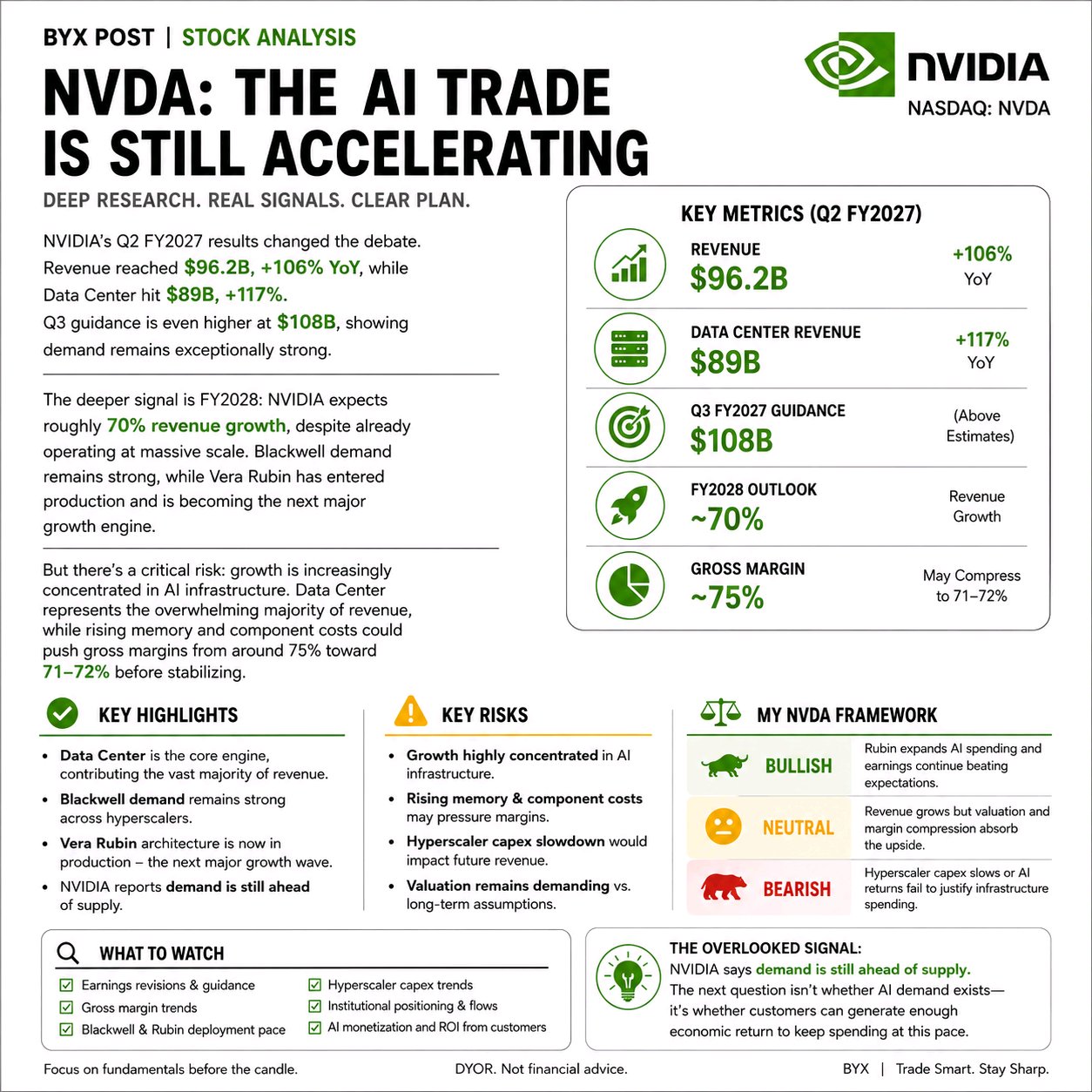
NVIDIA’s Q2 FY2027 results changed the debate. Revenue reached $96.2B, +106% YoY, while Data Center hit $89B, +117%. Q3 guidance is even higher at $108B, showing demand remains exceptionally strong. The deeper signal is FY2028: NVIDIA expects roughly 70% revenue growth, despite already operating at massive scale. Blackwell demand remains strong, while Vera Rubin has entered production and is becoming the next major growth engine. But there’s a critical risk: growth is increasingly concentrated in AI infrastructure. Data Center represents the overwhelming majority of revenue, while rising memory and component costs could push gross margins from around 75% toward 71–72% before stabilizing. My NVDA framework: Bullish if Rubin expands AI spending and earnings continue beating expectations. Neutral if revenue grows but valuation and margin compression absorb the upside. Bearish if hyperscaler capex slows or AI returns fail to justify infrastructure spending. The overlooked signal: NVIDIA says demand is still ahead of supply. The next question isn’t whether AI demand exists—it’s whether customers can generate enough economic return to keep spending at this pace. For BYX, I’d focus on earnings revisions, gross margins, Blackwell/Rubin deployment and institutional positioning rather than chasing daily price moves. Watch the fundamentals before the candle. DYOR. Not financial advice. #ByXIMPACT $NVDAXUSDT
Tesla’s Q2 FY2026 results shifted the debate. Revenue reached $28.24B, +26% YoY, while vehicle deliveries hit a record 480,126, +25%. Energy storage deployments reached 13.5 GWh, while active FSD subscriptions climbed 56% YoY to 1.48M. The deeper signal is Tesla’s transition beyond vehicles. Robotaxi is expanding across U.S. metros, Cybercab has entered production, and Optimus production infrastructure is being built. At the same time, Tesla is investing heavily in AI compute, batteries, semiconductors and new manufacturing capacity. But there’s a critical risk: growth is becoming more capital-intensive before the newer AI businesses generate meaningful financial returns. Q2 operating margin fell to 1.4%, while free cash flow turned -$1.1B as capex surged to $5.79B. R&D also increased 49% YoY. My TSLA framework: Bullish if Robotaxi, FSD and energy scale faster than Tesla’s investment burden. Neutral if revenue keeps growing but margin compression and elevated capex absorb the upside. Bearish if automotive demand weakens while AI, robotics and autonomy require sustained spending without comparable revenue growth. The overlooked signal: Tesla’s biggest constraint may no longer be vehicle demand alone—it’s converting its AI infrastructure investment into recurring, high-margin revenue. The company says battery-pack capacity is currently limiting near-term vehicle production, while its AI and manufacturing expansion is pushing capital requirements higher. For BYX, I’d focus on deliveries, automotive margins, FSD subscriptions, Robotaxi expansion, energy deployments and free cash flow rather than chasing daily price moves. Watch the cash conversion before the narrative. DYOR. Not financial advice. #ByXIMPACT $TSLAXUSDT