crypto master
227點贊0分享3粉絲6關注
HYPE 擁有完全鏈上的永續合約與現貨訂單簿:訂單、撤單、交易與清算皆公開記錄。 但公開的交易可見性並不等同於對系統每個部分的獨立驗證。 持有者獲得了獨立檢視市場活動的能力,而無需完全依賴交易所報告的數據。然而,這也將交易活動與訂單流公開化,可能會揭露市場參與者的策略。 這裡有一個重要的安全區別:Hyperliquid 的官方審計文件指出其舊版橋接合約經過 Zellic 的審計。這是合約審計,而非對整個網路的持續審計。在所審閱的文件中,並未指定週期性的獨立審計時間表。Hyperliquid 文件 +1 將其與 dYdX Chain 進行比較。其官方文件將短期訂單與永續訂單簿描述為記憶體內數據,而非永久記錄在鏈上。這減少了某些訂單活動的永久性公開暴露,但也限制了獨立的歷史驗證。v4 +1 更多的暴露,換取更大的公眾監督。 兩種方法都無法消除交易對手風險。Hyperliquid 用戶仍然依賴驗證者共識、橋接安全與協議執行。dYdX 用戶則面臨圍繞驗證者、節點運營商與鏈下訂單簿資訊的不同依賴關係。 我並未看到 Hyperliquid 明確聲明保密政策的證據。其真正的權衡在於更高的鏈上可見性與交易活動機密性之間的取捨,而信任最終取決於可驗證的執行與網路安全。 哪種風險更讓您擔憂——公開暴露您的交易活動,還是依賴無法在鏈上永久驗證的資訊? $HYPEUSDT #比特幣在美國中期選舉後跌至兩個月低點
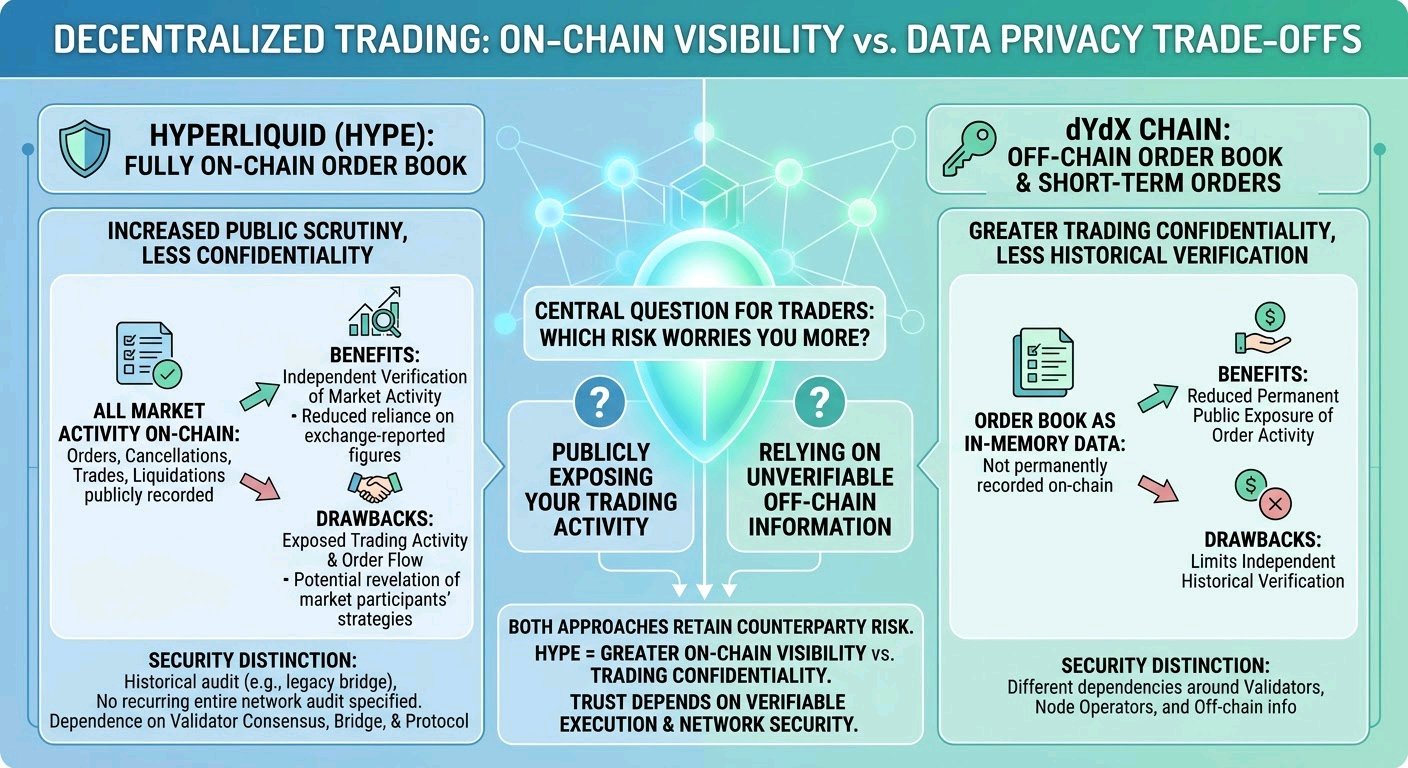
HYPE’s Hyperliquid runs a fully on-chain order book where orders, cancellations, trades and liquidations are publicly recorded. But there is an important distinction: transparent trading activity does not mean every layer of the protocol has received independent security verification. The tradeoff here is not deliberate secrecy. It is the gap between visible operations and independently audited infrastructure. Users gain the ability to inspect transactions, positions and protocol activity without relying entirely on private exchange reports. However, public visibility cannot replace independent verification of the underlying technology. Hyperliquid’s documentation confirms that its legacy bridge contract was audited by Zellic. However, that disclosure does not establish a full independent audit of HyperCore or HyperBFT. No recurring audit schedule or continuous independent monitoring is established by the cited documentation. Hyperliquid Docs +1 Compare this with dYdX. Its documentation distinguishes between on-chain trade data and off-chain short-term orders and order-book information maintained in node memory. Hyperliquid exposes more of its trading activity directly on-chain. dYdX's architecture retains certain operational information outside the permanent ledger. More exposure, in exchange for greater public scrutiny. v4 +2 Neither approach removes counterparty risk. Hyperliquid users can independently inspect recorded activity, but still depend on protocol security, validator operations and infrastructure integrity. dYdX users face additional limitations when independently reconstructing off-chain order activity. The real question is whether visible transactions are enough without broader independent security verification. Which risk worries you more — limited visibility into operational activity, or publicly visible activity without comprehensive independent audits? $HYPEUSDT #SanDiskAnnounces8For1StockSplit
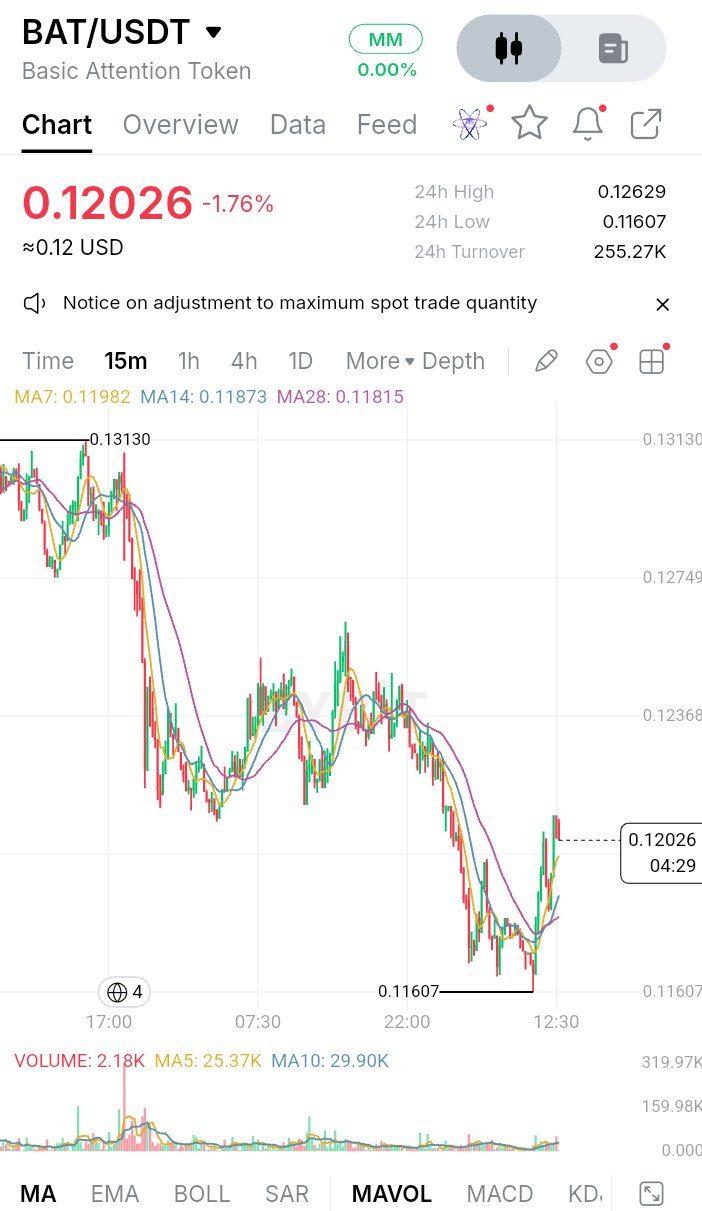
BAT is a utility token, not a reserve-backed stablecoin. Its transparency model therefore needs to be assessed through its public token supply, blockchain activity, and Brave's privacy architecture—not through reserve attestations or custodial backing. BAT runs on Ethereum as an ERC-20 token, with a maximum supply of 1.5 billion. But its core advertising system deliberately keeps user-level activity away from public view. That's not an oversight. It's a stated choice. Brave Help Center +2 Brave matches advertisements directly on users' devices rather than sending personal browsing information to its servers. That protects user privacy and reduces exposure to third-party tracking. The tradeoff is that outsiders cannot independently inspect individual ad views, clicks, or user-level reward calculations. Brave Ads +1 BAT holders can verify the token contract, supply and transfers through Ethereum explorers. Brave also publishes information about its privacy architecture and anonymous advertising confirmations. However, there is no reserve-attestation schedule or named reserve auditor because BAT is not reserve-backed. Public blockchain data cannot independently verify every off-chain advertising event. Etherscan +2 Compare this with AdEx (ADX). Its protocol uses per-impression micropayments as reporting data, giving advertisers and publishers transaction-level accounting. Payment-channel activity is visible to participants, while external observers do not automatically see every transaction. More transaction-level exposure, in exchange for more detailed accounting. GitHub +1 Neither approach removes counterparty risk. BAT relies on Brave's privacy-preserving advertising infrastructure and off-chain reporting. AdEx relies on payment-channel participants and protocol settlement. BAT has chosen privacy over universal visibility, trusting its technical architecture and anonymous verification mechanisms. Which risk worries you more — limited visibility into advertising activity, or greater exposure of transaction-level information? $BATUSDT #BitcoinHitsTwoMonthLowAfterUSMidterms
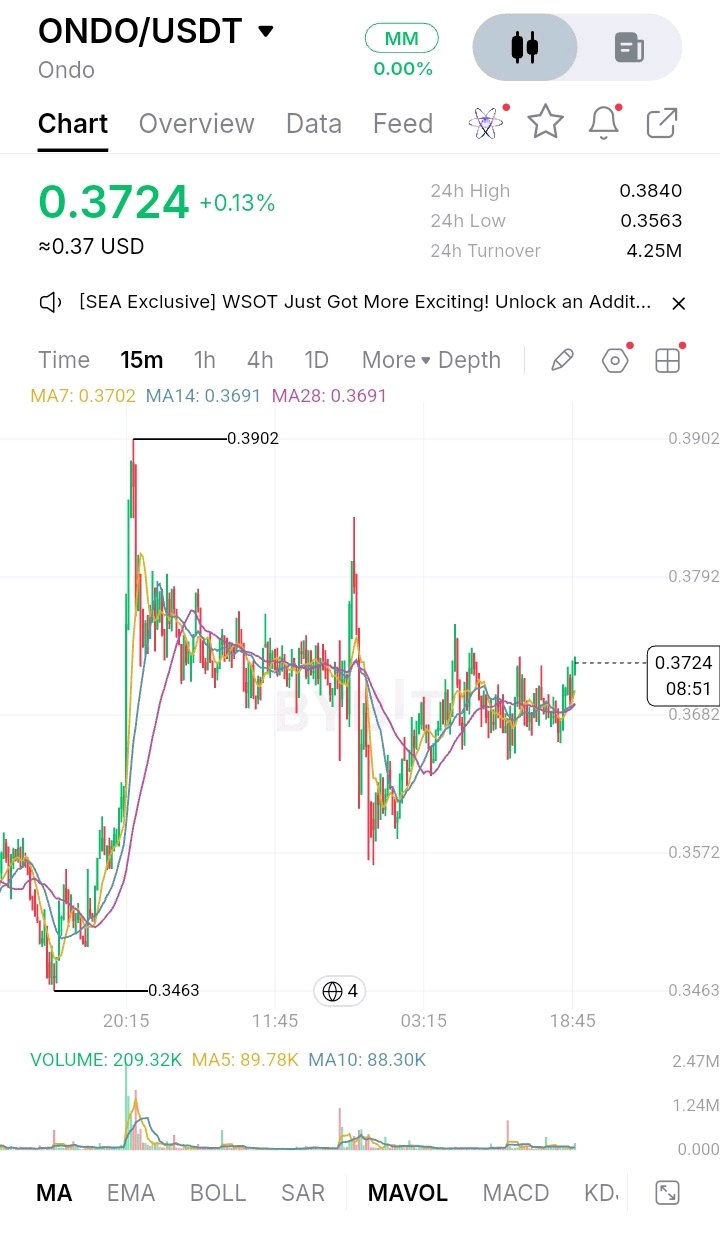
ONDO 並非由儲備金支持的穩定幣,而是一個治理代幣。因此,其核心透明度問題不在於儲備金是否足以覆蓋流通供應量,而在於代幣持有者實際上能對 Ondo 生態系統驗證並行使多大的控制權。 ONDO 的治理設計凸顯了這一權衡。代幣持有者可以對經濟參數和智能合約升級進行投票,但 DAO 也可以選舉委員會或多重簽名錢包(multisigs)來處理敏感操作,包括緊急暫停。這並非疏忽,而是一個明確的選擇。Ondo Foundation 文件 +1 其運作邏輯是出於安全性考量:緊急干預措施可能需要比公開投票週期更快的反應速度。但代幣持有者因此放棄了對委託給這些營運方決策的部分直接可視性與控制權。 持有者可以驗證什麼?鏈上的 ONDO 餘額、治理提案、投票結果以及執行交易。提案需要 1 億枚 ONDO,投票持續三天,且成功的提案需經過一天的時間鎖定(timelock)。治理文檔中並未指定任何指定的獨立公司或針對 DAO 治理本身的定期認證計畫。因此,外部人士無法獨立審計兩次投票之間的所有鏈下運作決策。Ondo Foundation 文件 +1 以 Compound 的 COMP 治理為例:它使用可執行提案和兩天的時間鎖定,在交換更多公開營運細節的同時,提供了更高的執行透明度。文件 - 治理 +1 這兩種方法都無法消除交易對手風險。ONDO 在一定程度上依賴授權委託和受信任的營運方;而 COMP 在保留緊急控制權的同時,更依賴於可公開檢視的治理執行。 ONDO 在鏈上問責制的基礎上選擇了靈活性。其信任模型傾向於依賴治理規則、智能合約和委託的營運權限。 哪種風險更讓您擔憂——集中的營運控制,還是為了換取可驗證性而增加的公開曝險? $ONDOUSDT #NovUSCPIWatch
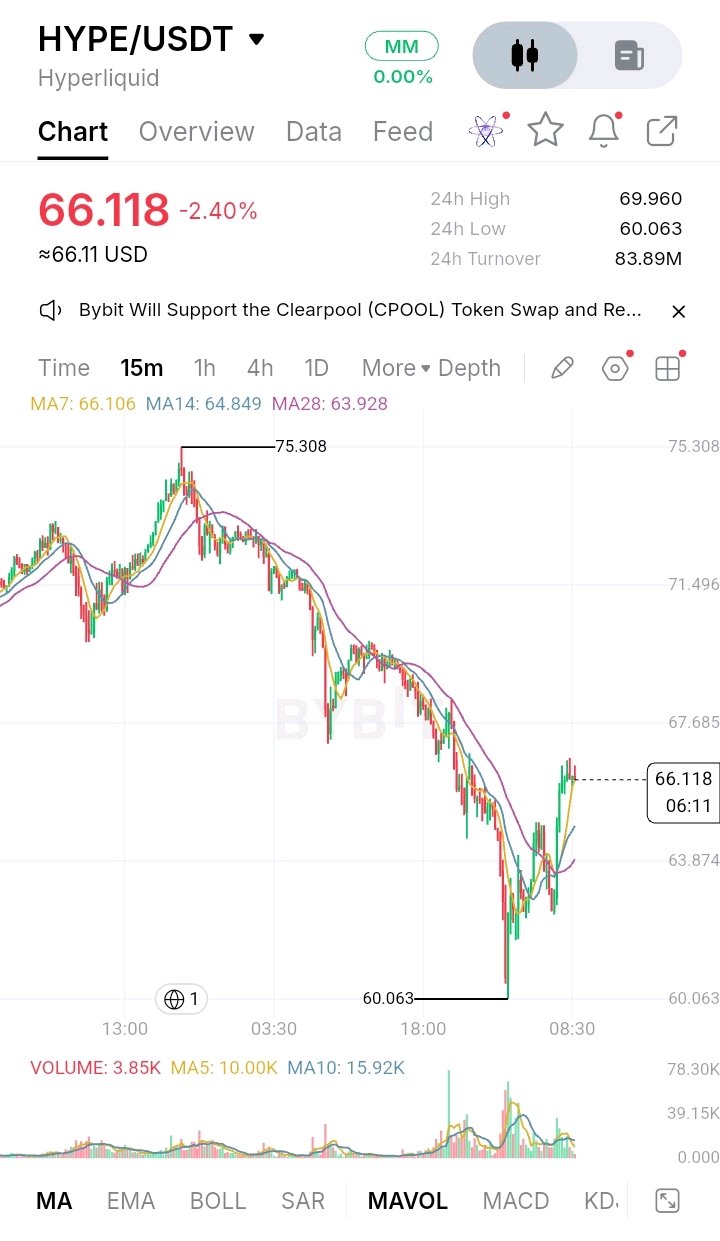
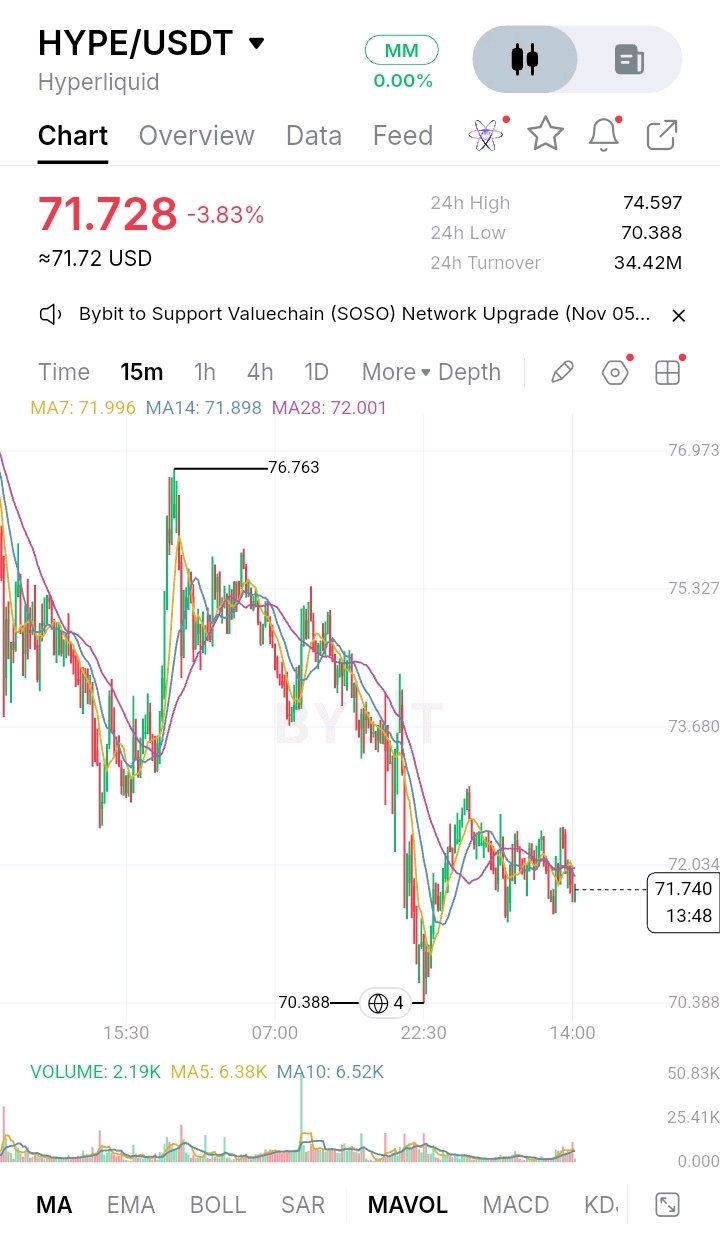
HYPE 並非儲備支持型代幣,這改變了關於透明度的爭論。其價值與 Hyperliquid 生態系統掛鉤,而非基於代幣可兌換託管資產的承諾。 這並非疏忽,而是另一種信任模式。 Hyperliquid 重視鏈上執行和可驗證的市場活動。其訂單簿、交易和撤單皆記錄在鏈上,允許使用者檢視活動,而非完全依賴交易所的私人聲明。但公開交易並未揭露關於維護網路的人員和基礎設施的所有營運細節。 其機制為委託權益證明 (DPoS)。HYPE 持有者可將代幣委託給驗證者,而驗證者參與區塊生產並獲得質押獎勵。Hyperliquid 要求活躍驗證者至少需有 10,000 HYPE 的自我委託。Hyperliquid 文件 +1 持有者可以透過公開的區塊鏈數據驗證網路活動、驗證者質押和代幣供應。他們無法僅從交易歷史中確定每位驗證者的完整現實世界營運韌性。由於 HYPE 不是儲備支持的穩定幣,因此沒有針對 HYPE 的定期儲備證明計畫。 將此與 BNB 進行比較:其生態系統與幣安(Binance)有著強烈的關聯,在網路透明度與機構曝險之間形成了不同的關係。HYPE 更偏重於鏈上驗證;而 BNB 持有者也面臨生態系統層面的集中化風險。 這兩種方法都無法消除交易對手風險。鏈上透明度減少了對私人交易報告的依賴,而機構曝險則引入了不同的依賴關係。 HYPE 選擇了可驗證的執行而非機密的財務報告,但網路透明度並不等同於完全去中心化。 哪種風險更令你擔憂——是依賴可見的鏈上系統,還是依賴機構控制? $HYPEUSDT #BybitAIEvolving
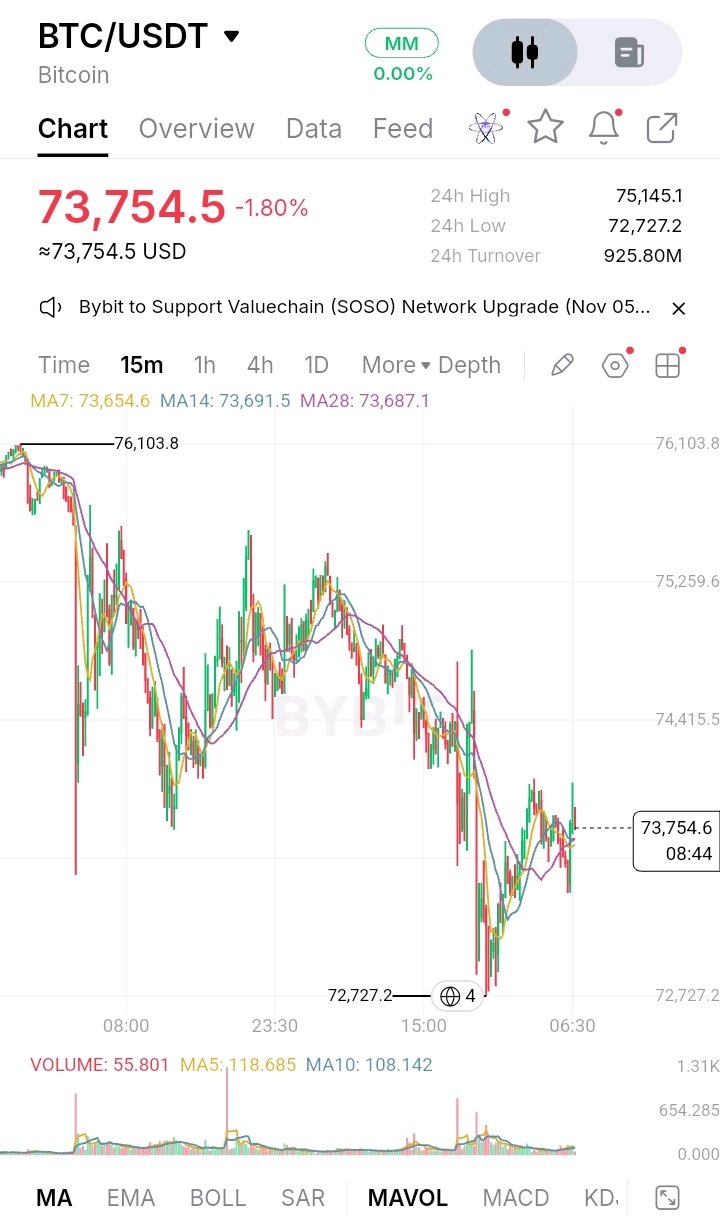
Bitcoin makes every transaction publicly traceable, but it does not reveal the real-world identity behind every wallet address. That's not an oversight. It's a stated choice. The network prioritises public verification while retaining pseudonymous ownership. Anyone can inspect transaction amounts, wallet balances and transaction history, but linking an address to its actual owner requires additional information. That creates a tradeoff. Holders gain transparent monetary records but lose financial privacy. Once an address becomes linked to an identity, its transaction history can become exposed. Bitcoin +1 Bitcoin has no central issuer or reserve custodian publishing monthly backing attestations. Instead, anyone can independently verify transactions, issuance rules and block rewards by running a full node. Verification happens continuously through network consensus, not periodic third-party audits. However, outsiders cannot establish the real-world identity behind every address or independently verify an exchange's off-chain customer liabilities. Bitcoin +1 Monero (XMR) takes the opposite approach. Its ring signatures, stealth addresses and RingCT hide senders, recipients and transaction amounts by default. More privacy, in exchange for less public transaction-level scrutiny. Monero - secure, private, untraceable +1 Neither approach removes risk. Bitcoin exposes financial activity to surveillance and identity linkage. Monero reduces public visibility, placing greater reliance on cryptography and operational security. Bitcoin chooses verifiable transparency with pseudonymous ownership. Which risk worries you more — public financial exposure, or reduced external visibility into transactions? $BTCUSDT
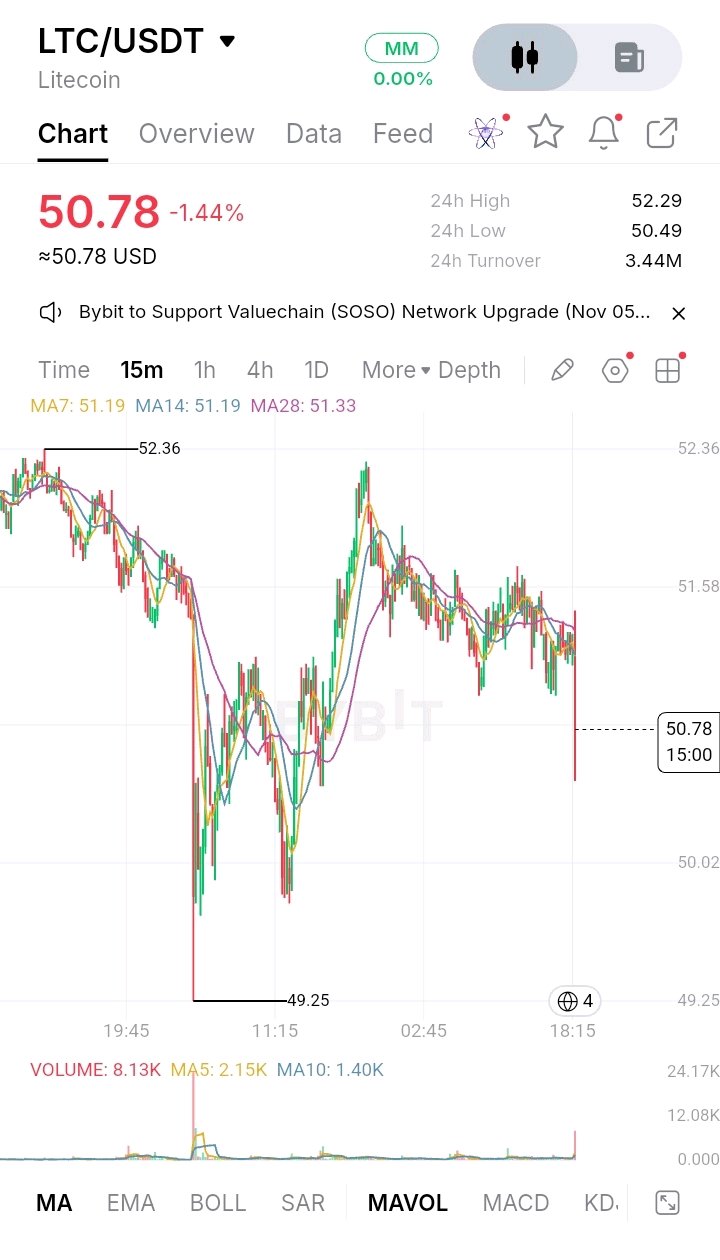
萊特幣(Litecoin)對透明度採取了不同的處理方式:其基礎區塊鏈是公開的,但其可選的 MimbleWimble 擴展區塊(MWEB)會隱藏交易金額與地址。這並非疏忽,而是明確的選擇。 projects-origin.litecoin.com +2 其原因在於金融隱私與同質化(fungibility)——防止外部人員輕易追蹤並區分個別交易。但持有者也失去了一些東西:外部人員無法獨立查核 MWEB 內部的每一筆金額與交易流向。 目前仍有部分資訊可供存取。MWEB 的活動整合在萊特幣的區塊鏈中,且透過 peg-in(掛入)與 peg-out(掛出)機制,將隱私擴展區塊與透明的基礎層連接起來。Quarkslab 在 2022 年 MWEB 發布前對其進行了程式碼審查。然而,這並非定期的儲備證明或持續性的審計。 litecoin.com +1 根據萊特幣發布的事件報告,這項限制在 2026 年 3 月變得具體化,當時 MWEB 中的一個驗證漏洞遭到利用。 litecoin.com +1 比特幣(Bitcoin)則採取相反的做法。其交易保持公開可追蹤,允許任何人檢查餘額與交易歷史。以更高的透明度,換取更大的公共可驗證性。 Bitcoin +1 兩種做法都無法消除信任風險。萊特幣將更多依賴轉向協議安全與礦工協調;比特幣則將更多的金融活動暴露於公眾審查與監控之下。 LTC 選擇了可選的隱私性,而非完全的交易透明度。 哪種風險更讓您擔心——是公共可驗證性的降低,還是在公共區塊鏈上永久性的金融曝險? $LITUSDT #WSOTPicktoEarn10U
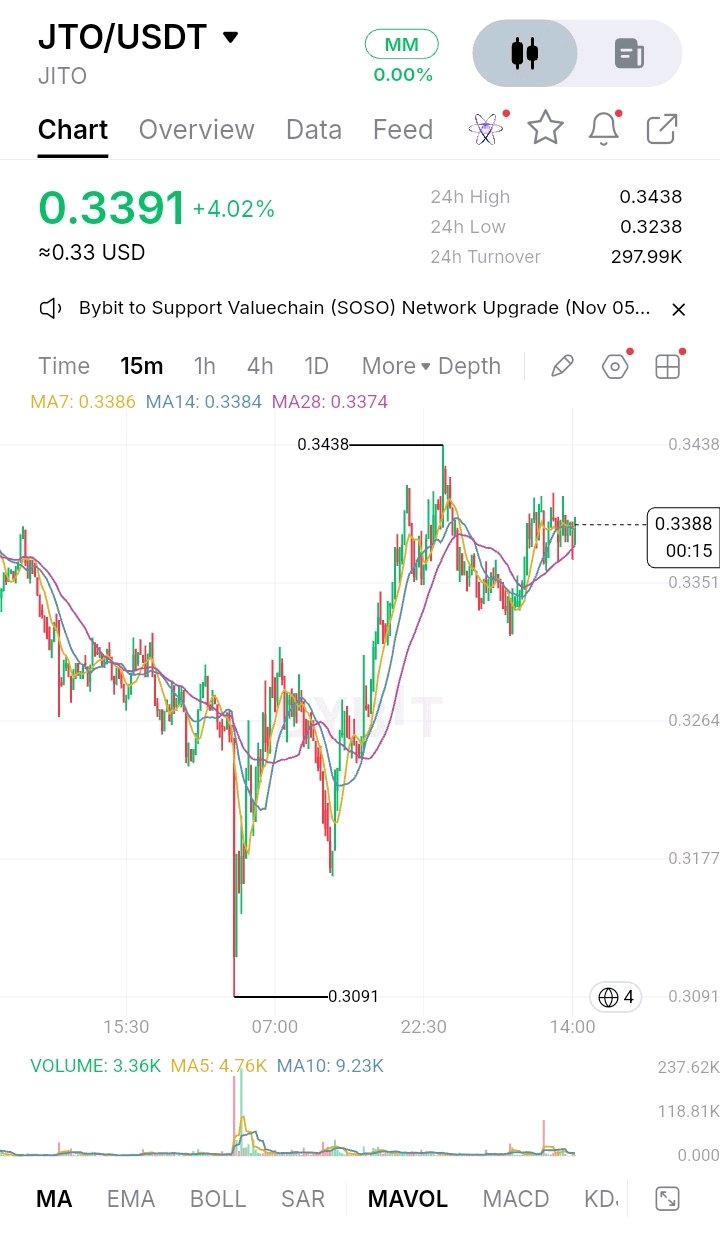
JTO 並非儲備擔保的穩定幣。它是 Jito Network 的治理代幣,讓持有者擁有針對協議升級、費用和財庫決策的投票權。但這存在一個重要的透明度權衡:並非每一項治理決策都是在鏈上執行的。 這並非疏忽,而是刻意的選擇。 Jito 的治理框架允許某些決策在鏈下處理。部分決策需要基金會董事(Foundation Director)的批准,其中包括潛在的否決權。這創造了營運上的靈活性,但代幣持有者失去了直接透過區塊鏈交易獨立驗證每一項執行的能力。 持有者能驗證什麼?鏈上 DAO 提案、投票紀錄、財庫活動和代幣分配。Jito 也會定期發布基金會透明度報告。其底層的 JitoSOL 質押池程式已通過 Quantstamp、Neodyme 和 Kudelski 的審計。然而,這些是程式碼審計,而非持續性的財務審計或定期儲備證明。外部人士無法即時獨立驗證每一項鏈下協議或營運決策。 比較 Marinade 的 MNDE 治理模型。其文件概述了用於 mSOL 升級的 13 簽 6 多重簽名機制(6-of-13 multisig),以及獨立的 DAO 和營運權限。這意味著更公開的文件化控制結構,代價是將更多的治理架構暴露在審查之下。 這兩種方法都無法消除交易對手風險。 Jito 依賴代幣持有者治理、基金會監督和文件化的執行程序。Marinade 則將權限分配到多個治理和安全層級。 JTO 的權衡傾向於營運靈活性,部分決策仍處於鏈上直接驗證範圍之外。 哪種風險更令你擔憂——集中的營運裁量權,還是治理與基礎設施細節暴露程度過高? $JTOUSDT #WSOTPicktoEarn10U
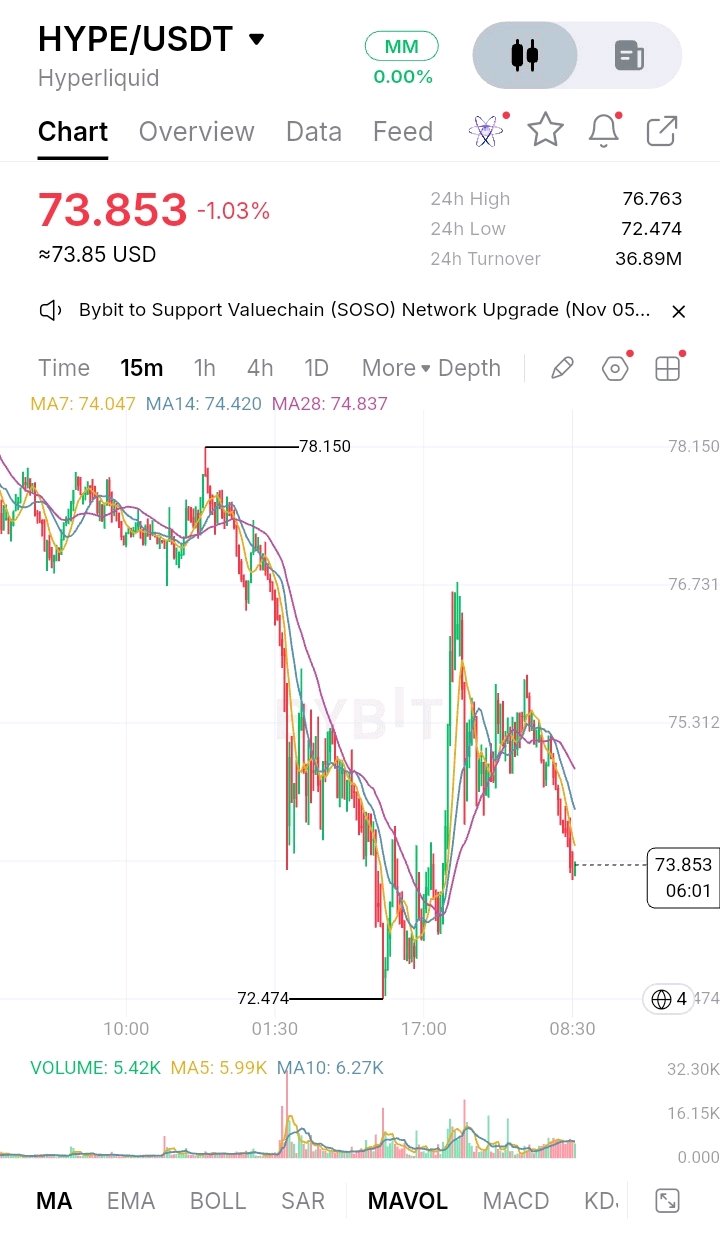
HYPE secures the Hyperliquid network through delegated proof-of-stake, but its validator infrastructure is not completely open to public inspection. The project explicitly instructs validators not to expose validator ports publicly. That's not an oversight. It's a stated choice. The reasoning is operational security: limiting publicly exposed infrastructure can reduce opportunities for attacks against network validators. But holders give up something in return. They cannot independently inspect every validator's network-facing infrastructure or continuously assess its operational exposure. What holders CAN verify is substantial: on-chain validator stakes, delegation activity, consensus participation and validator-set changes. Hyperliquid updates its validator set approximately every 90 minutes. However, the documentation does not provide a recurring independent infrastructure audit or named third-party attestation. On-chain visibility is not continuous security assurance. Outsiders still cannot independently verify every validator's underlying infrastructure between public disclosures. Solana takes a more disclosure-oriented approach, publishing validator counts and its Nakamoto coefficient, a measure of stake concentration. That provides more measurable network-level scrutiny, although it does not eliminate infrastructure risks. Neither approach removes counterparty risk. Hyperliquid prioritises restricted infrastructure exposure, while Solana offers additional public validator-network metrics. HYPE's trust model leans on on-chain consensus, delegated stake and operational controls rather than complete infrastructure visibility. Which risk worries you more — publicly exposed infrastructure that invites scrutiny, or restricted visibility that requires greater trust in operators? $HYPEUSDT #BOERateDecision
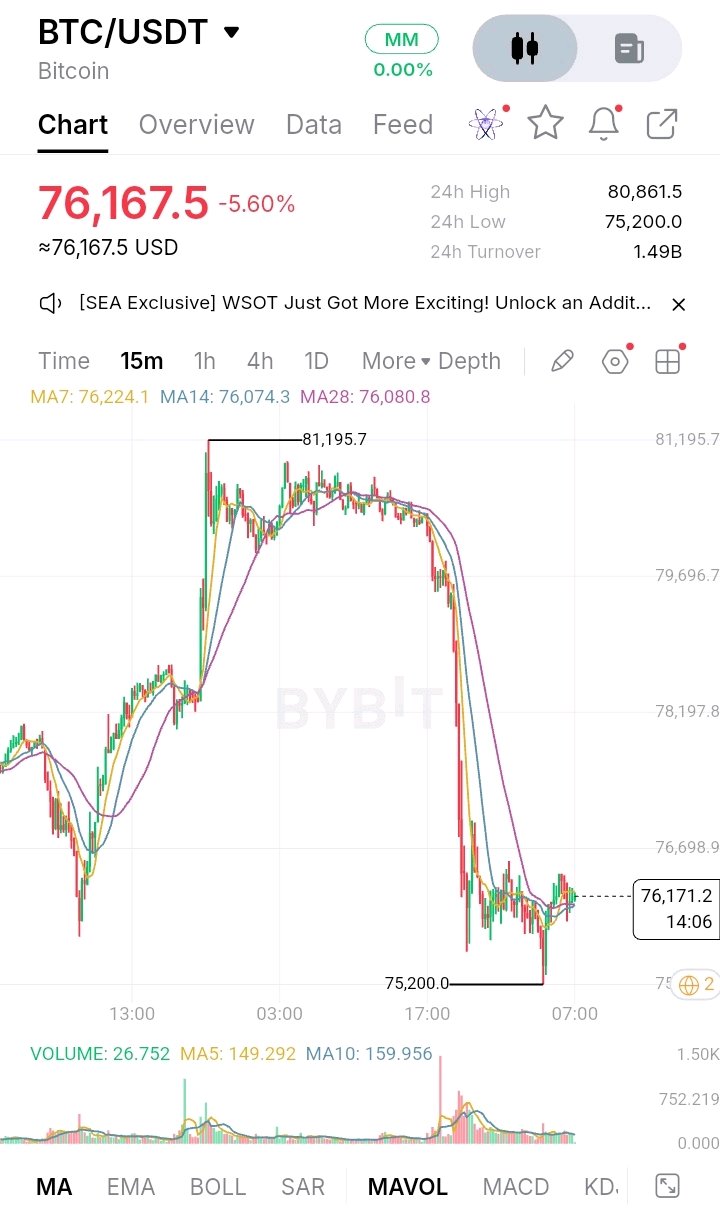
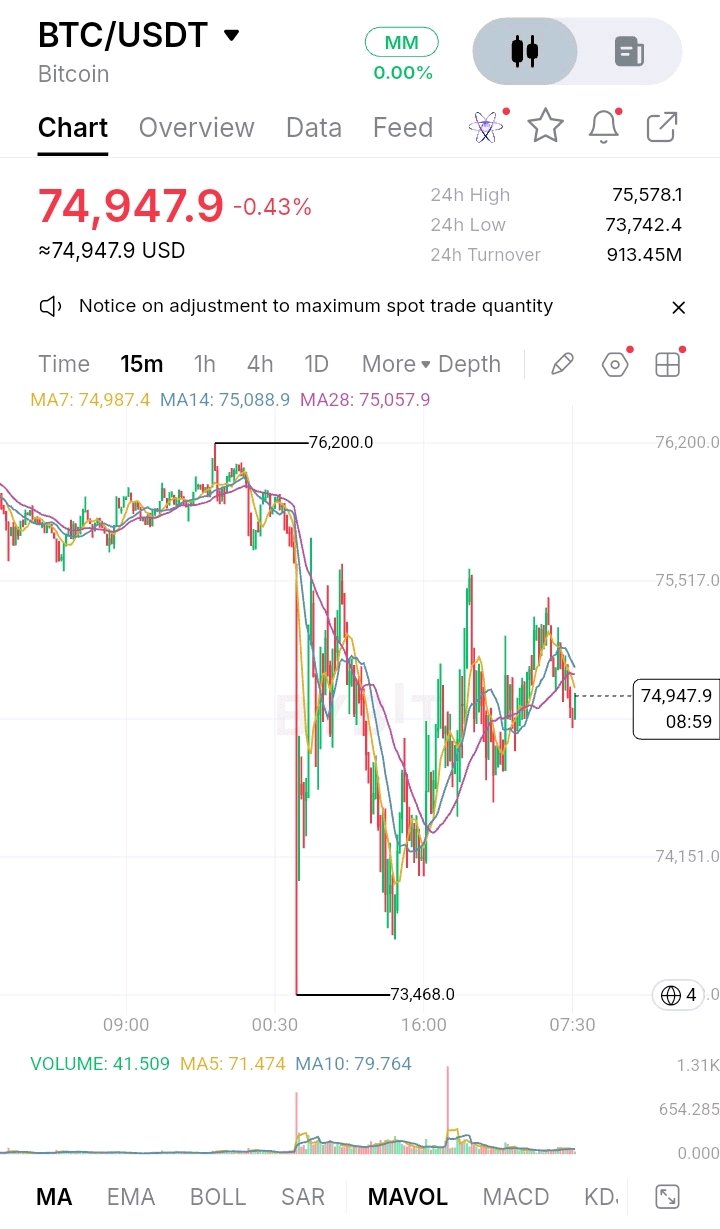
這張圖片顯示的是 BTC/USDT(比特幣),而不是由儲備金支持的穩定幣。比特幣沒有儲備託管人或背書證明;其相關的透明度權衡在於公開交易驗證與匿名所有權及金融隱私之間的取捨。 比特幣的區塊鏈使每一筆確認過的交易都公開可見,但錢包地址不會自動揭露其背後的現實身份。這並非疏忽,而是其明確的設計選擇。 這種權衡是在公開驗證與金融隱私之間進行的。比特幣允許任何人檢查交易流向,但這種可見性也使得地址追蹤、餘額分析和鏈上監控成為可能。 持有者可以透過運行全節點(full node)來獨立驗證交易、發行和共識規則。節點會持續根據比特幣的協議規則驗證區塊。因為 BTC 並非由鏈下資產支持,所以沒有儲備託管人、外部審計機構或定期的儲備證明。 局外人無法僅從區塊鏈本身可靠地確定誰控制了每個地址,或者鏈下託管人是否真的持有客戶的 BTC。 現在來比較一下門羅幣 (XMR)。它採取了相反的方法:環簽名、隱身地址和機密交易預設隱藏了發送者、接收者和交易金額。這意味著交易層面的公開審查較少,以換取更強的金融隱私。比特幣 +3 這兩種方法都無法消除交易對手風險。 比特幣暴露了交易歷史,但身份歸屬仍然不確定。門羅幣隱藏了交易細節,但需要對其密碼學、軟體和操作安全性有足夠的信心。 比特幣選擇了公開可驗證性和匿名所有權。其信任模型依賴於獨立驗證,而不是機構背書。 哪種風險更令你擔心——永久性的金融透明度,還是降低的公共交易透明度? $BTCUSDT $XRPUSDT #NovUSCPIWatch
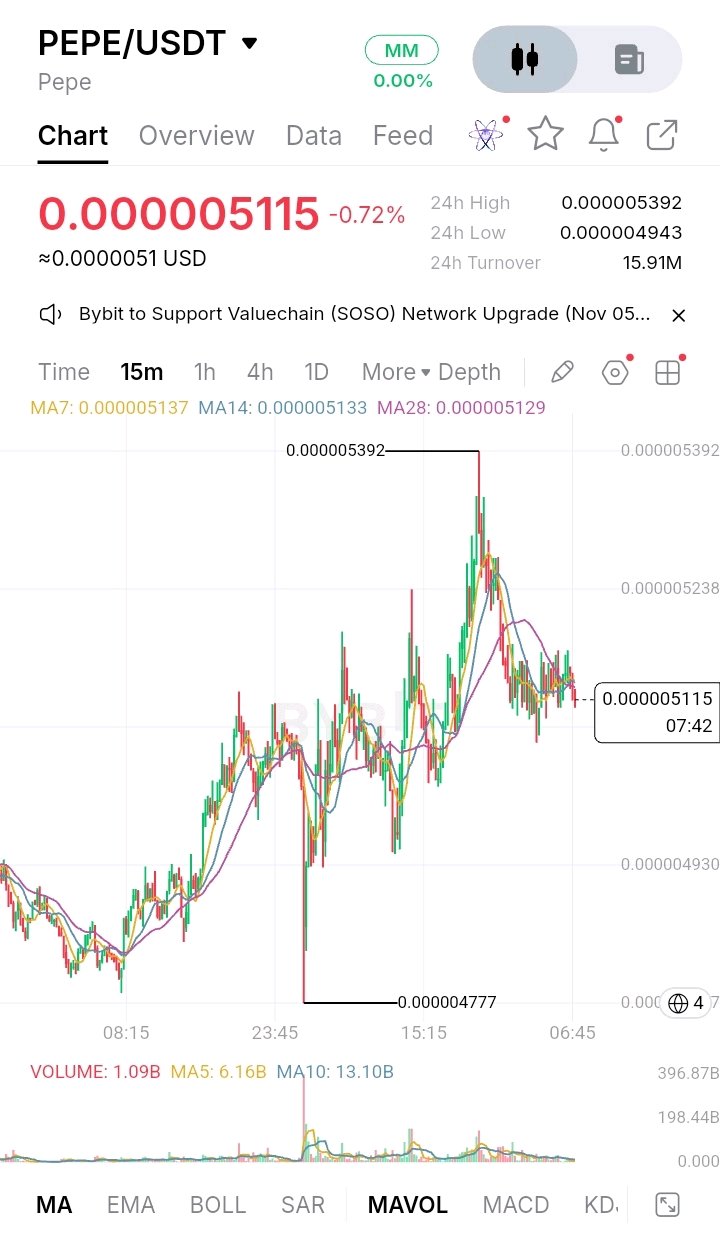
PEPE has a fixed supply of 420.69 trillion tokens, and its Ethereum contract is publicly verifiable. But the people behind the project remain pseudonymous. That's not the same as full transparency. That's the tradeoff: public transactions, private identities. An anonymous team can reduce personal exposure and targeting, but holders lose the ability to independently verify who is making decisions or who controls key wallets. Holders CAN inspect the original contract, token supply, wallet balances and transfers on-chain. The contract's ownership has been renounced, and CertiK lists one available audit. However, an audit is not continuous monitoring, and it cannot establish the real-world identities behind every wallet. The remaining 6.9% allocation was reportedly reserved in a multisignature wallet for exchange listings, bridges and liquidity. Blockchain records can show movements, but not independently establish the identity or intentions of every signer. Dogecoin takes a different route: its public blockchain makes issuance and transactions independently inspectable, without relying on reserve attestations. More exposure, in exchange for verifiable monetary activity. Neither approach removes counterparty risk. PEPE holders face uncertainty around pseudonymous actors and concentrated holdings. Dogecoin holders face market and network risks despite public issuance. PEPE's trust model leans on immutable contract rules and public blockchain verification, rather than identifiable management or recurring reserve attestations. Which risk worries you more — anonymous actors with publicly visible transactions, or identifiable participants with greater institutional exposure? $PEPEUSDT $ETHUSDT #Oracle20BFundingPlanTestsTheAITrade
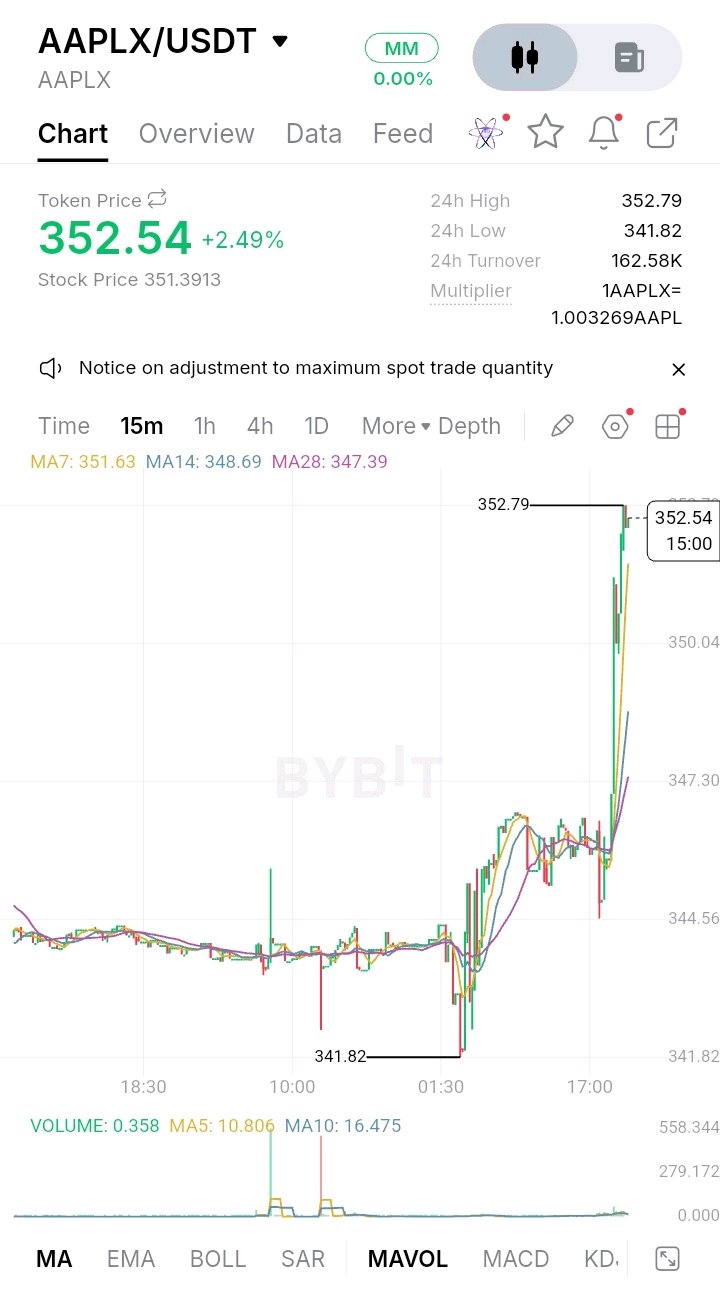
AAPLX gives holders tokenized price exposure to Apple stock, with Backed Assets (JE) Limited stating that each token is backed 1:1 by the corresponding underlying share. But there is a transparency gap: public proof of reserves is available, while a clearly disclosed independent attestation schedule is not. That's not proof of missing backing; it's a distinction between published collateral data and independent verification. The tradeoff is operational visibility versus public verifiability. Backed uses segregated custody accounts and an independent Security Agent to protect collateral interests. However, holders cannot independently inspect those bank and brokerage accounts in real time. The issuer does not publicly identify a recurring independent reserve-attestation firm or schedule in its current legal disclosures. xStocks Docs +2 Holders can check public blockchain ownership records and issuer-published proof-of-reserves information. Backed describes 1:1 collateralization, but an on-chain supply record cannot independently prove that every underlying share remains in custody. No continuous independent audit is established by these disclosures. xStocks Docs +1 Compare Ondo's AAPLon. Ondo says an independent Verification Agent reviews collateral backing every business day, with a separate Security Agent protecting tokenholders' interests. More disclosure, in exchange for more frequent independent scrutiny. Ondo Finance Neither approach removes counterparty risk. AAPLx relies on segregated custody, contractual protections and issuer disclosures. Ondo adds daily verification, but still relies on custodians, legal structures and intermediaries. AAPLx leans on controlled custody and a public proof-of-reserves framework rather than a publicly identified daily verification process. Which risk worries you more — limited independent visibility between disclosures, or greater reliance on a wider network of financial intermediaries? $AAPLXUSDT #WSOT2026
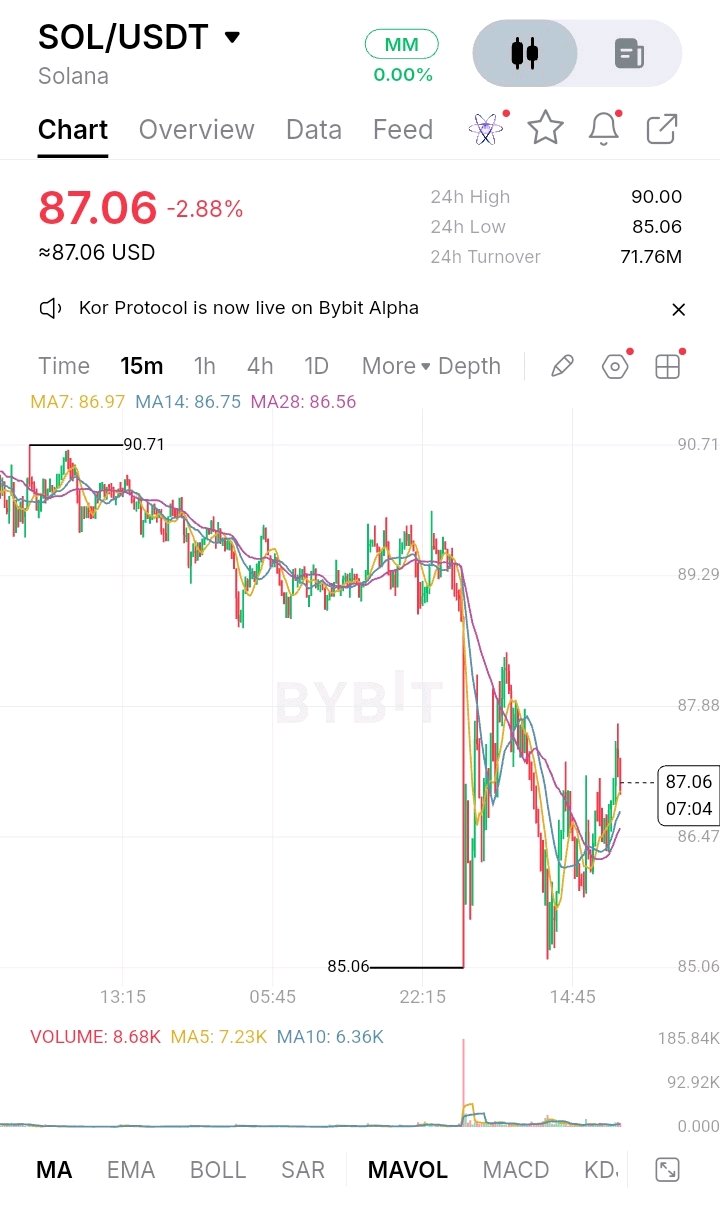
SOL is not a reserve-backed asset. Its value is not supported by a disclosed vault of cash or securities; it depends on the Solana network, its validators, and market demand. But there is a transparency tradeoff. Wallet addresses and transactions are public, while the real-world identities and infrastructure behind many validators are not. That's not an oversight. It's a stated feature of pseudonymous blockchain design. Keeping operator identities and infrastructure details private can reduce targeting and operational security risks. But holders lose the ability to independently connect every validator to a verified real-world operator. SOL holders can inspect transactions, account balances, staking positions, and validator activity directly on-chain. Solana Foundation also publishes network research, including validator distribution and decentralization metrics. Its November 2026 network snapshot reports 650 consensus validators and a Nakamoto coefficient of 18. However, these are published snapshots, not continuous independent audits. Solana +2 Ethereum takes a comparable but more explicitly documented approach to validator deposits, balances, and withdrawal credentials through its public consensus layer. More exposure, in exchange for independently inspectable validator-level information. ethereum.org +1 Neither approach removes counterparty risk. SOL relies on validator performance and network decentralization; ETH relies on validator participation and protocol enforcement. SOL's trust model leans on public ledger verification rather than private reserve attestations. Which risk worries you more — exposed validator infrastructure, or limited visibility into the real-world operators behind the network? $SOLUSDT $FOGOUSDT #WSOTPicktoEarn10U
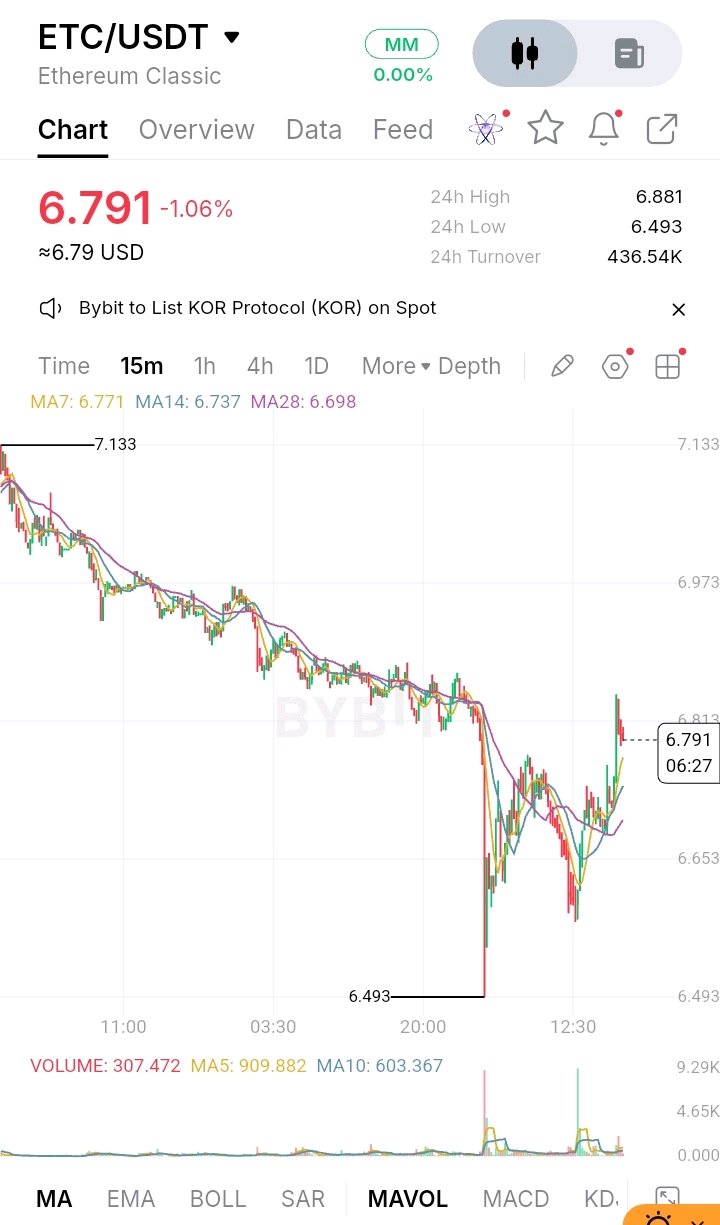
Ethereum Classic (ETC) 做出了刻意的選擇:公開交易、工作量證明安全性以及開放式帳本。但公開的區塊鏈數據並不意味著所有權的每個層面都是透明的。 這並非疏忽,而是結構上的差異。 ETC 的設計優先考慮可驗證交易和抗審查性。然而,它無法揭示所有的鏈下安排、交易所債務或託管所有權記錄。當用戶將 ETC 存放在第三方平台而非自己的錢包時,就會失去這種能見度。 其機制非常直觀。ETC 持有者可以透過公開的區塊瀏覽器查看交易、錢包餘額、區塊和網路活動。該網路使用 Etchash 工作量證明,由礦工競相驗證區塊。原生 ETC 並無儲備金支持證明或定期的儲備金審計,因為它並非由儲備金支持的代幣。鏈上的能見度也無法獨立驗證交易所內部的負債狀況。 現在比較一下門羅幣 (XMR)。它採取了相反的方法:預設透過環簽名 (ring signatures)、隱身地址 (stealth addresses) 和 RingCT 來隱藏交易參與者與金額。這提供了財務隱私,但外部觀察者卻犧牲了交易層級的可視性。更多的隱私,換取的是較少的公眾審查。 兩種方法都無法消除交易對手風險。ETC 暴露了鏈上活動,但託管餘額仍需依賴中介機構;門羅幣保護了交易隱私,但限制了獨立觀察。 ETC 選擇了公開可驗證性;其信任模型依賴於工作量證明和可獨立查驗的記錄。 您更擔心哪種風險——財務活動暴露在公眾監督之下,還是財務活動無法被外部人士獨立驗證? $ETHUSDT $SOLUSDT #WSOT2026
韓國
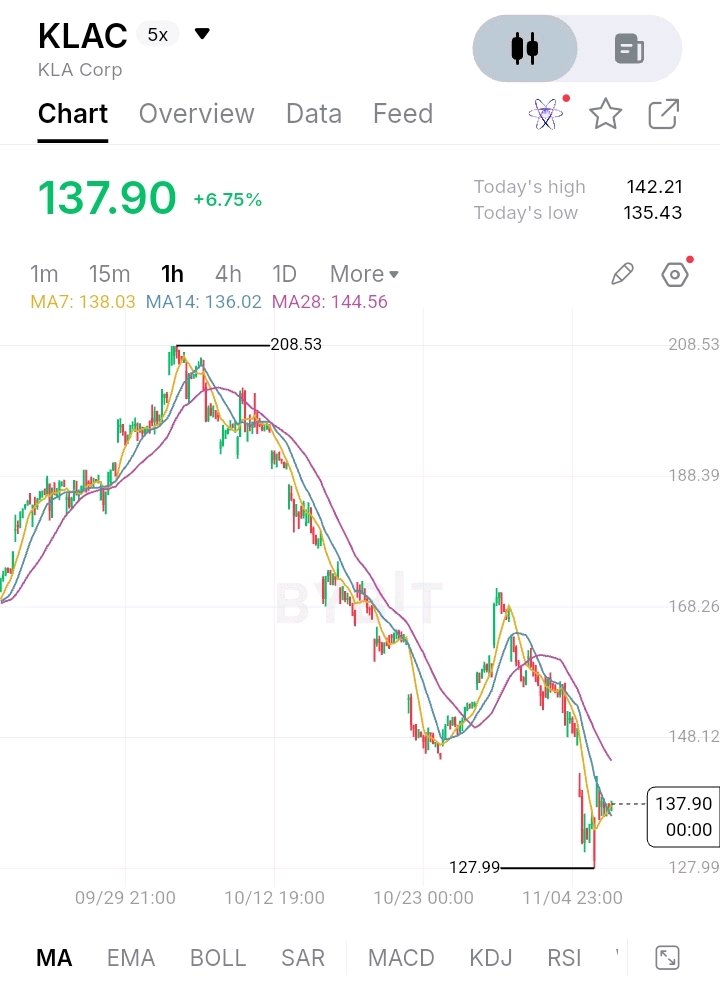
科磊(KLA Corporation,代號:KLAC)製造關鍵的半導體檢測與製程控制設備,但其競爭優勢在很大程度上取決於對專有技術和商業機密的保護。 這並非疏忽,而是明確的選擇。 科磊透過專利、保密協議和限制存取權限來保護敏感技術。原因很直截了當:洩露技術細節可能會協助競爭對手複製其能力。但股東因此失去了獨立檢視該業務背後核心技術重要環節的能力。 投資人能驗證什麼?科磊會發布財務報表、營收細項、風險揭露及內部控制評估。其 2025 財年的財務報表和內部控制由資誠聯合會計師事務所(PwC)進行審計,並依據美國證券交易委員會(SEC)的要求進行年度報告。然而,財務審計並非對產品性能或競爭優勢的持續驗證。外部人士無法在財報週期之間獨立檢查每一個專有系統或驗證其技術領先地位。 艾司摩爾(ASML)則採取了更強調揭露的做法,發布詳盡的年度財務、營運及各國別報告。更高的曝光度,換取的是更廣泛的公眾監督。然而,ASML 同樣保護其智慧財產權和商業機密。 這兩種做法都無法消除交易對手風險。科磊的股東依賴管理層的執行力和受保護的技術;ASML 的股東則依賴已揭露的績效,同時仍需承擔營運和競爭風險。 科磊的模式傾向於保護智慧財產權,而非提供完整的技術透明度。 哪種風險更令您擔憂——是對受保護技術的能見度有限,還是隨著企業揭露越多,導致公開資訊曝險越高? $KORUSDT $ARKMUSDT #NovUSCPIWatch
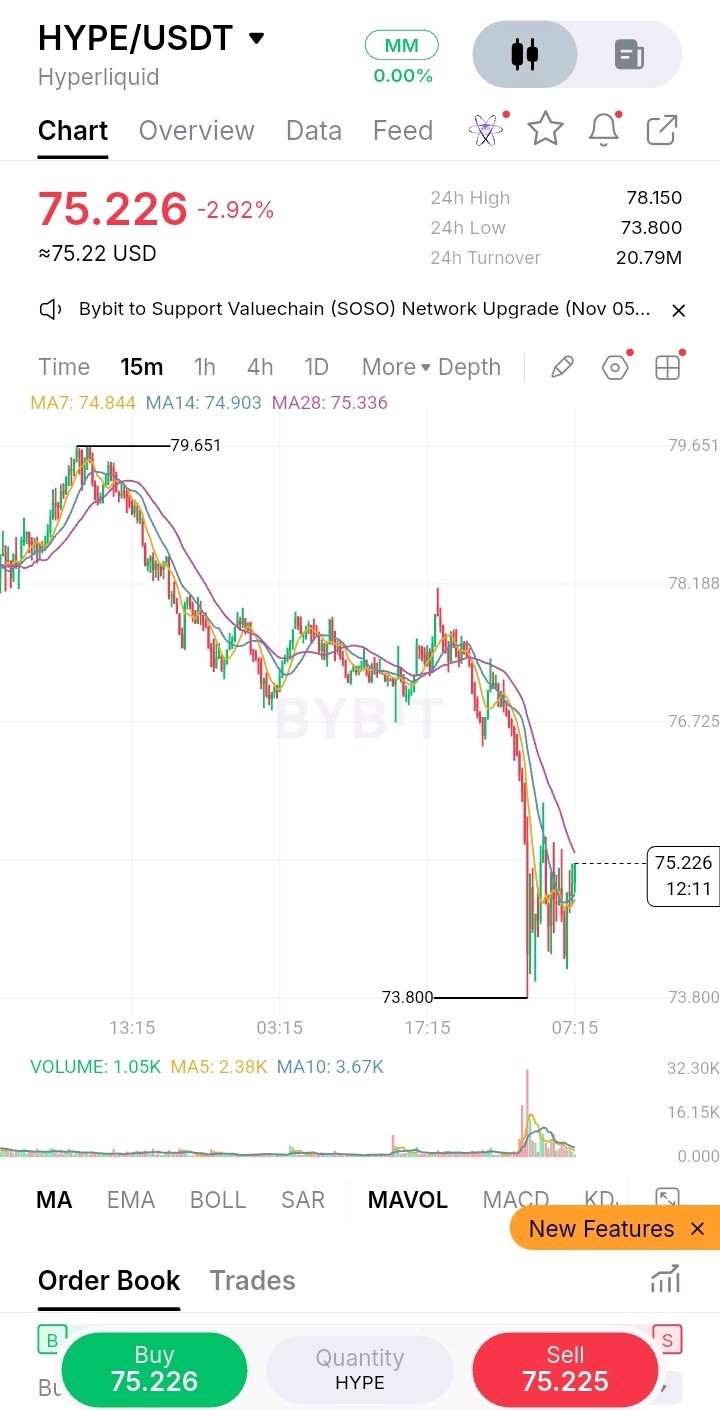
HYPE 已受到保護
由 Hyperliquid 的權益證明(Proof-of-Stake)驗證節點網路運作,其中活躍驗證節點集由質押量排名前 24 名的節點組成。但公開的區塊鏈數據並未揭露這些驗證節點背後基礎設施的所有細節。 這並非疏忽,而是一種設計權衡:Hyperliquid 在不要求驗證節點公開所有營運細節的前提下,優先考慮透明的鏈上執行。 將基礎設施細節保密可以減少遭受針對性攻擊的風險。但持有者也因此失去了部分評估驗證節點集中度、營運韌性及現實世界基礎設施風險的能力。 持有者能驗證什麼?HYPE 質押餘額、驗證節點質押量、委託活動以及網路共識數據皆可公開存取。Hyperliquid 的官方文檔解釋道,驗證節點是根據質押量透明選出的,且活躍節點集大約每 90 分鐘更新一次。然而,目前沒有聲明會定期對驗證節點的基礎設施進行第三方驗證。鏈上可見性並非對營運進行持續性的獨立審計。Hyperliquid 文檔 +1 將其與 DYDX 相比。其文檔描述了一個上限為 60 個的活躍驗證節點集,且驗證節點資訊公開可見。這帶來了更高層級的營運者曝光,但也換取了對網路驗證節點結構更廣泛的審查。dYdX +1 這兩種方法都無法消除交易對手風險。 Hyperliquid 依賴權益加權共識和鏈上可驗證性。DYDX 提供了不同的驗證節點結構,但依然取決於營運者是否能可靠地運作。 HYPE 的模型傾向於在不完全公開營運透明度的情況下,實現可驗證的交易。 哪種風險讓你更擔心——是將基礎設施暴露在針對性攻擊之下,還是信任你無法獨立驗證的事物? $HYPEUSDT $SOLUSDT #WSOT2026 #NovUSCPIWatch #WSOTPicktoEarn10U #美國就業數據與利率決策主導本週宏觀市場 #石油波動追蹤伊朗和平談判
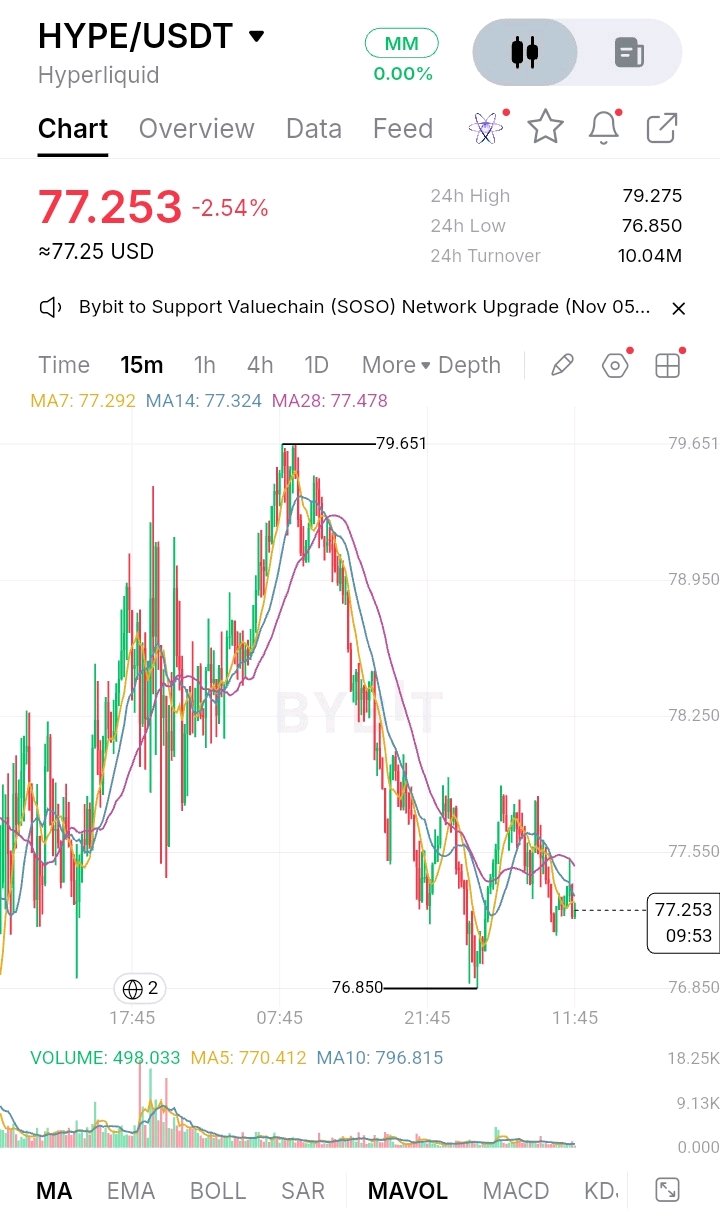
超嗨標題
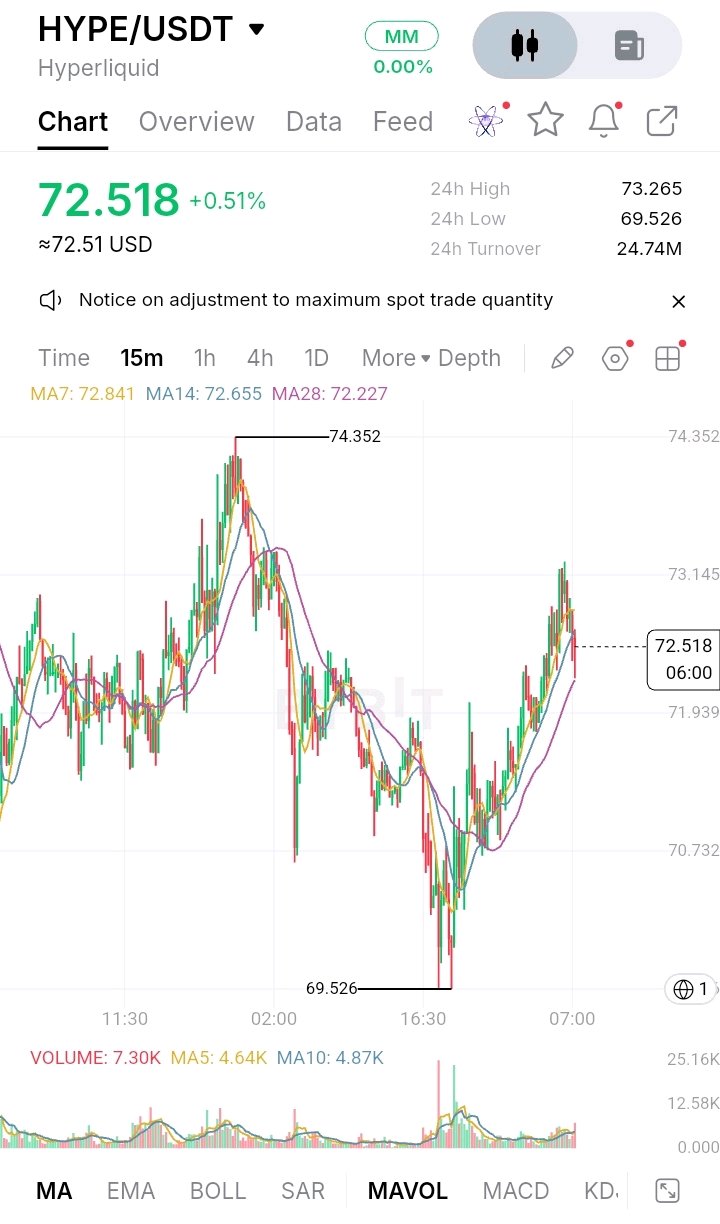
HYPE 並非儲備抵押型穩定幣。它是 Hyperliquid 的原生代幣,初始供應總量上限為 10 億枚。但透明的供應分配並不意味著代幣分配的每個環節都同樣可供驗證。這未必是疏忽,而是一個值得審視的揭露缺口。 Hyperliquid 公佈了主要的分配類別和鏈上活動,讓持有者能夠追蹤代幣流動和援助基金(Assistance Fund)。然而,知道分配給貢獻者多少代幣,與確切知道每位貢獻者的代幣何時進入流通,是兩回事。 這個驗證缺口之所以重要,是因為持有者無法完全依賴一個徹底公開的釋放曲線來獨立預測每一次潛在的供應增加。Hyperliquid 將 Zellic 列為其跨鏈橋合約的審計方,但這並非針對代幣分配或貢獻者餘額的定期審計。Hyperliquid 文件 +1 目前沒有針對這些分配發布每月認證的時間表。 與 GMX 相比,其官方文件明確標示了歸屬合約(vesting contracts)、代幣分配以及為期兩年的線性貢獻者分配機制。這讓外部人士能更深入了解其運作機制,作為交換,該項目也承受了更嚴格的鏈上審查。GMX 文件 這兩種方式都無法消除交易對手風險。HYPE 持有者更依賴已揭露的分配資訊、區塊鏈數據和治理決策;GMX 持有者則能檢視更多的歸屬基礎設施,但仍需仰賴智能合約的執行與治理。 HYPE 的權衡取捨傾向於透明的鏈上活動,但在每個分配細節上缺乏完全的可見性。 哪種風險更令你擔憂——是依賴不完整的揭露資訊,還是依賴雖然公開可見但仍需信任其執行過程的合約? $HYPEUSDT $BTCUSDT #WSOT2026 #NovUSCPIWatch #WSOTPicktoEarn10U #美國就業數據與利率決策主導本週宏觀市場 #石油波動追蹤伊朗和平談判
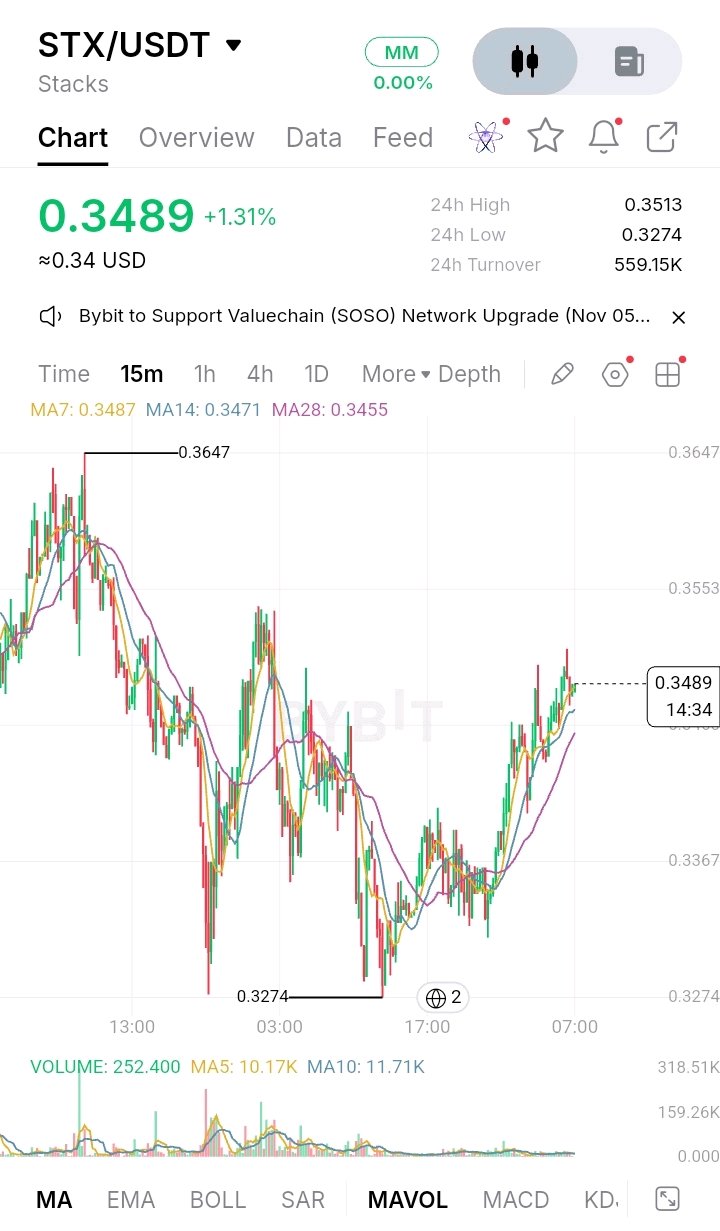
STX 標題
🚀 STX (Stacks) – 多單佈局 (LONG SETUP) 我正在關注 STX,期待它在 15 分鐘線圖近期反彈後的潛在看漲延續。 📊 交易計畫 幣種:Stacks (STX) 交易對:STX/USD 方向:做多 (LONG) 🟢 進場區間:$0.3370 – $0.3420 🎯 獲利目標 (Take Profit Targets): TP1:$0.3513 TP2:$0.3553 TP3:$0.3639 🛑 止損 (Stop Loss):$0.3265 📈 技術分析 • 移動平均線呈現看漲排列,圖表中 MA7 高於 MA14 和 MA28。 • 價格已從 $0.3274 的波段低點反彈,短期市場結構正在改善。 • $0.3367 區域是值得關注的重要支撐區。 • $0.3513 附近的阻力位是第一個主要的上漲障礙。 • 如果有更強的成交量支持突破,可能會開啟通往更高目標的路徑。 💡 我的策略 我打算等待回調至進場區間後,再考慮建立「做多」(LONG) 倉位。 我希望看到買方守住支撐位,且成交量增加後再進場。如果跌破支撐位,此佈局則宣告失效。 理性交易,管理風險,沒有確認信號切勿進場。 祝各位交易順利!🚀 $STXUSDT $BCHUSDT #NovUSCPIWatch #WSOT2026
渲染標題
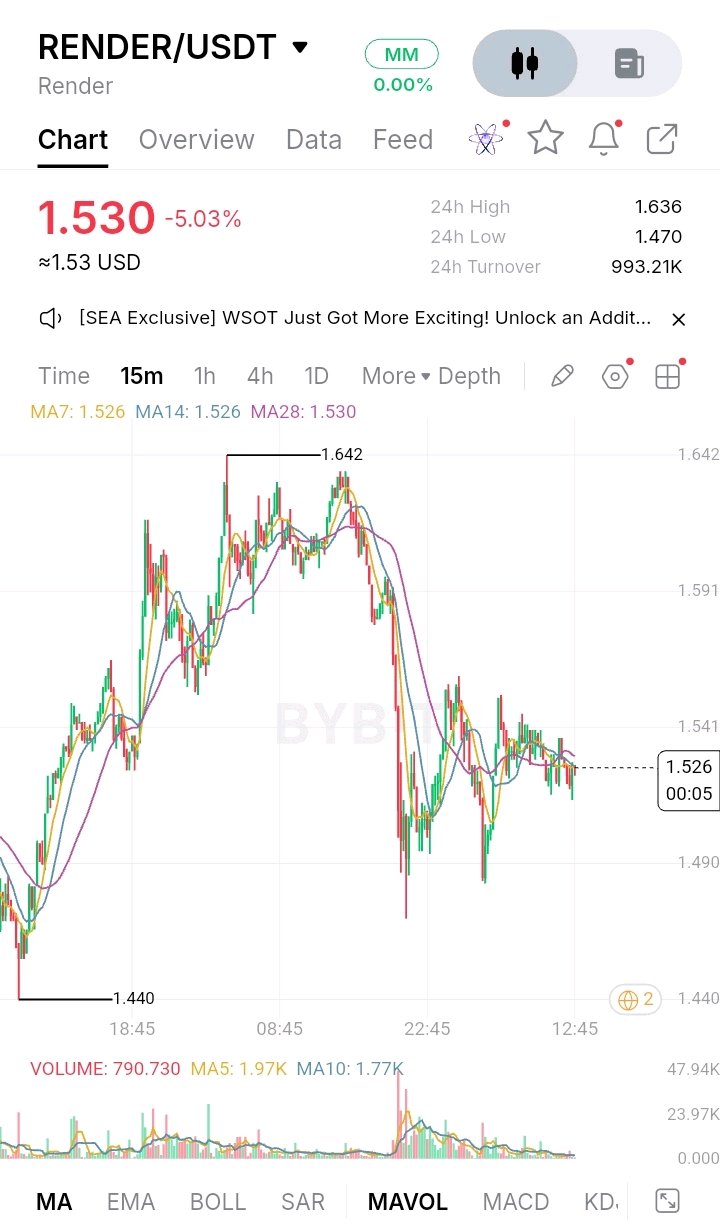
🚀 RENDER – 15M 線圖分析 | 交易設置 RENDER 目前交易價格約在 1.530 附近,在一波強勁下跌後呈現盤整走勢。 我正在密切關注這個價位,因為市場正試圖在近期波動後建立一個穩定的支撐區。 📊 技術分析 • 現價: 1.530 • MA7: 1.526 • MA14: 1.526 • MA28: 1.530 • 24H 高點: 1.636 • 24H 低點: 1.470 關鍵支撐位 - 1.520 - 1.500 - 1.490 - 1.470 關鍵阻力位 - 1.541 - 1.560 - 1.591 - 1.620 🔥 我的交易計劃 – 多單設置 進場區間: 1.542–1.550 目標 1: 1.560 目標 2: 1.580 目標 3: 1.591 目標 4: 1.620 止損: 1.518 進場確認 我正在尋找一根強勁的 15 分鐘線收在 1.541 上方,隨後成功回測突破水平。 我不想在沒有確認的情況下盲目進場。 📈 為什麼這個設置可行 1. 價格在急跌後正在盤整。 2. 短期移動平均線聚集在現價附近,顯示正在壓縮。 3. 突破 1.541 可能會帶來新的買入動能。 4. 下一個阻力區提供了潛在的止盈點。 5. 在 1.518 下方設置止損有助於明確風險。 ⚠️ 風險管理 單筆交易切勿投入超過總資金的 1–2%。 如果價格未能突破 1.541,我會耐心等待。如果支撐位跌破,這個多單設置即告失效。 我專注於確認信號、紀律和適當的風險管理,而不是盲目追漲殺跌。 聰明交易,保護你的資本。🚀 $RENDERUSDT $XRPUSDT
BTC 標題
🐻 BTC 市場分析 | 看跌設定 | 15分鐘線 我正在密切關注 BTC,因為市場在未能維持高價位後,顯示出顯著的拋售壓力。 目前市場概況 - 當前價格: 76,167 - 24H 漲跌幅: -5.60% - 24H 最高價: 80,861 - 24H 最低價: 75,200 - 時間週期: 15 分鐘 技術分析 BTC 經歷了強勁的下跌走勢,隨後在 76,000 區域附近進行橫盤整理。 移動平均線: - MA7: 76,224 - MA14: 76,074 - MA28: 76,080 短期移動平均線密集排列,顯示在大規模拋售後的整理階段。整體日內結構仍維持看跌。 重要點位 阻力位: - 76,450 - 76,700 - 77,200 支撐位: - 76,000 - 75,500 - 75,200 🎯 BTC 交易設定 — 做空 (SHORT) 進場區間: 76,450–76,650 止盈目標 (Take Profit): - TP1: 76,000 - TP2: 75,500 - TP3: 75,200 止損 (Stop Loss): 76,950 交易方向: 做空 (SHORT) 確認訊號: 進場前請等待 15 分鐘 K 線圖在進場區間內出現看跌的拒絕訊號蠟燭。 為何此設定有效 1. BTC 已經經歷了顯著的下跌走勢。 2. 價格正在先前跌破區域下方盤整。 3. MA7 略高於當前價格,顯示短期拋售壓力。 4. 76,450–76,700 區域可能構成阻力。 5. 先前低點 75,200 是重要的下行流動性與支撐區域。 風險管理 我將資金保護置於激進交易之上。請將每筆設定的風險控制在交易資金的 1% 左右。避免過度槓桿,未經確認請勿入場。 失效條件: 若 BTC 突破 76,950 並企穩,則此做空設定失效。 這是一個基於圖表分析的條件性技術設定,並非獲利保證。 聰明交易,保護資本,保持紀律。 $BTCUSDT $HAEDALUSDT