mantel
376Like0Shares21Fans7Follow
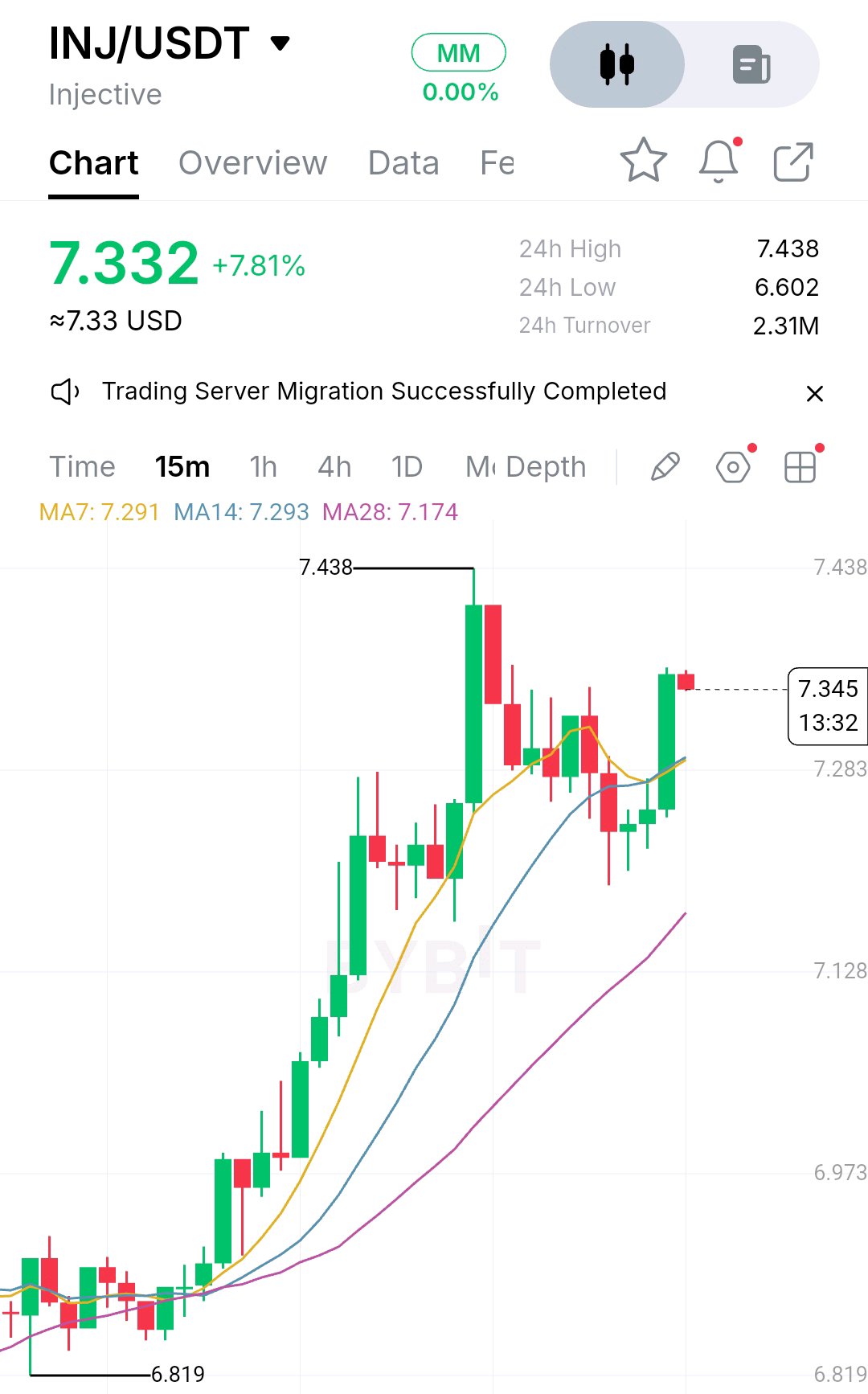
$INJUSDT Injective (INJ): The Real Test Is Just Beginning ⚡ Injective is evolving beyond its identity as a DeFi trading blockchain. Its focus is expanding toward tokenized assets, institutional trading and financial infrastructure. What makes this development interesting is the connection between ecosystem activity and INJ's economic design. Its Community BuyBack links participating application revenue to token burns, creating a mechanism through which real usage can influence token supply. But the next chapter matters even more. The proposed Veyra upgrade, expected on November 24 subject to governance approval, could strengthen institutional trading and cross-chain functionality. The opportunity is clear, but execution will determine the outcome. Can Injective become essential infrastructure for on-chain finance, or will its ambitions move faster than actual adoption? #INJ #Injective #DeFi #Blockchain #CryptoResearch#ByXIMPACT
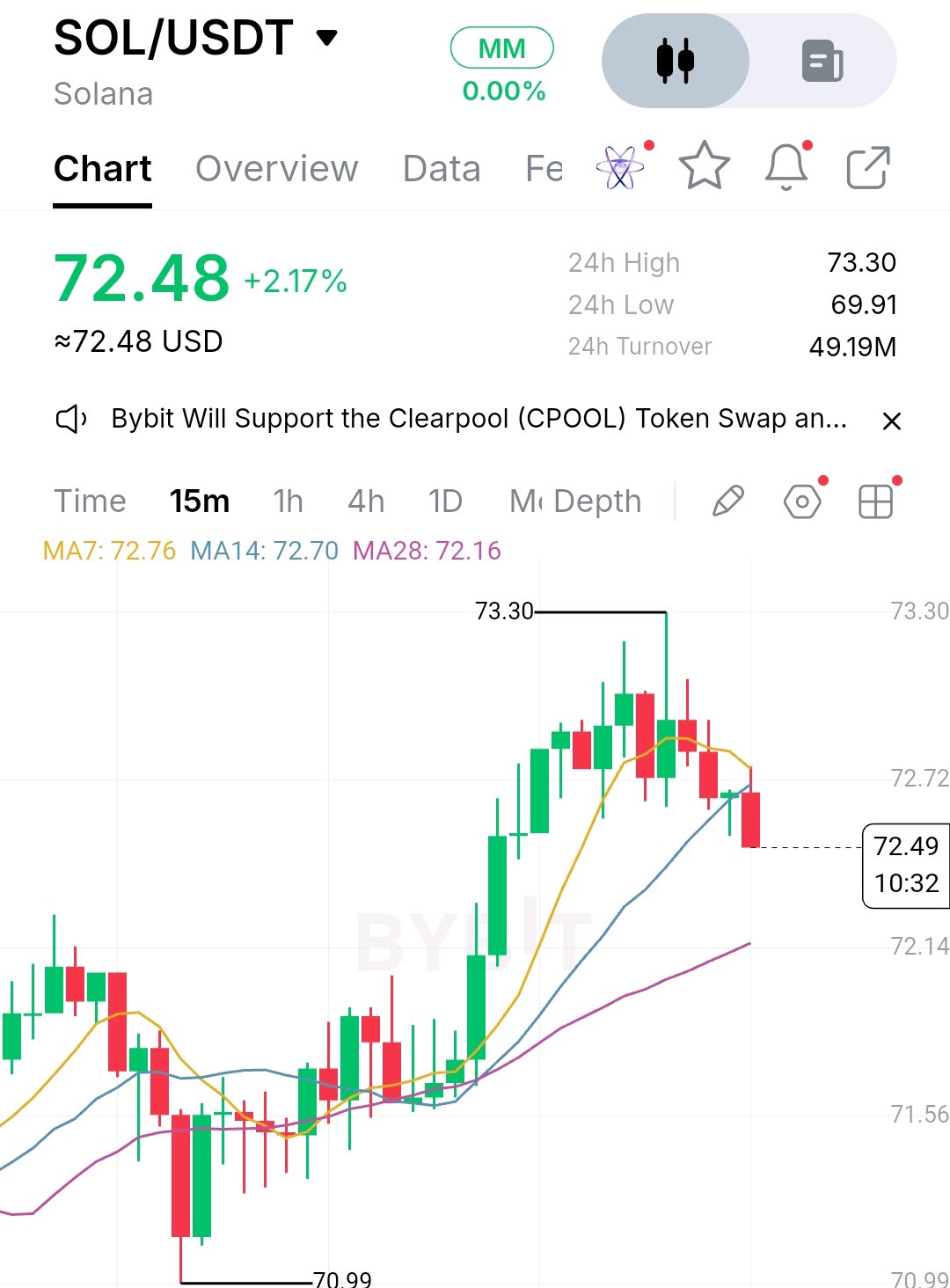
$SOLUSDT SOLANA: THE REAL TEST IS NO LONGER SPEED — IT'S ECONOMIC VALUE. ⚡ The blockchain race is changing. Fast transactions and low fees can attract attention, but sustainable adoption requires something much bigger: people actually using the network to create economic value. Solana is moving into that conversation. From DeFi and stablecoin payments to tokenized assets and decentralized applications, its ecosystem is expanding beyond speculative trading. But there is an important distinction worth watching: A growing ecosystem does not automatically mean growing value for its native token. SOL powers network transactions, staking and security, while applications generate their own economic activity. The real challenge is connecting these two layers in a sustainable way. Solana has the infrastructure, liquidity and developer ecosystem to compete. What it must prove next is that users will stay, businesses will build and financial activity will continue even when market excitement cools. Because blockchain success shouldn't be measured by how many transactions happen during a hype cycle. It should be measured by how much real economic activity survives after the hype disappears. Is Solana building the financial infrastructure of tomorrow, or is the market still valuing its potential ahead of its proven utility? #Solana #SOL #Blockchain #DeFi #CryptoAdoption#ByXIMPACT
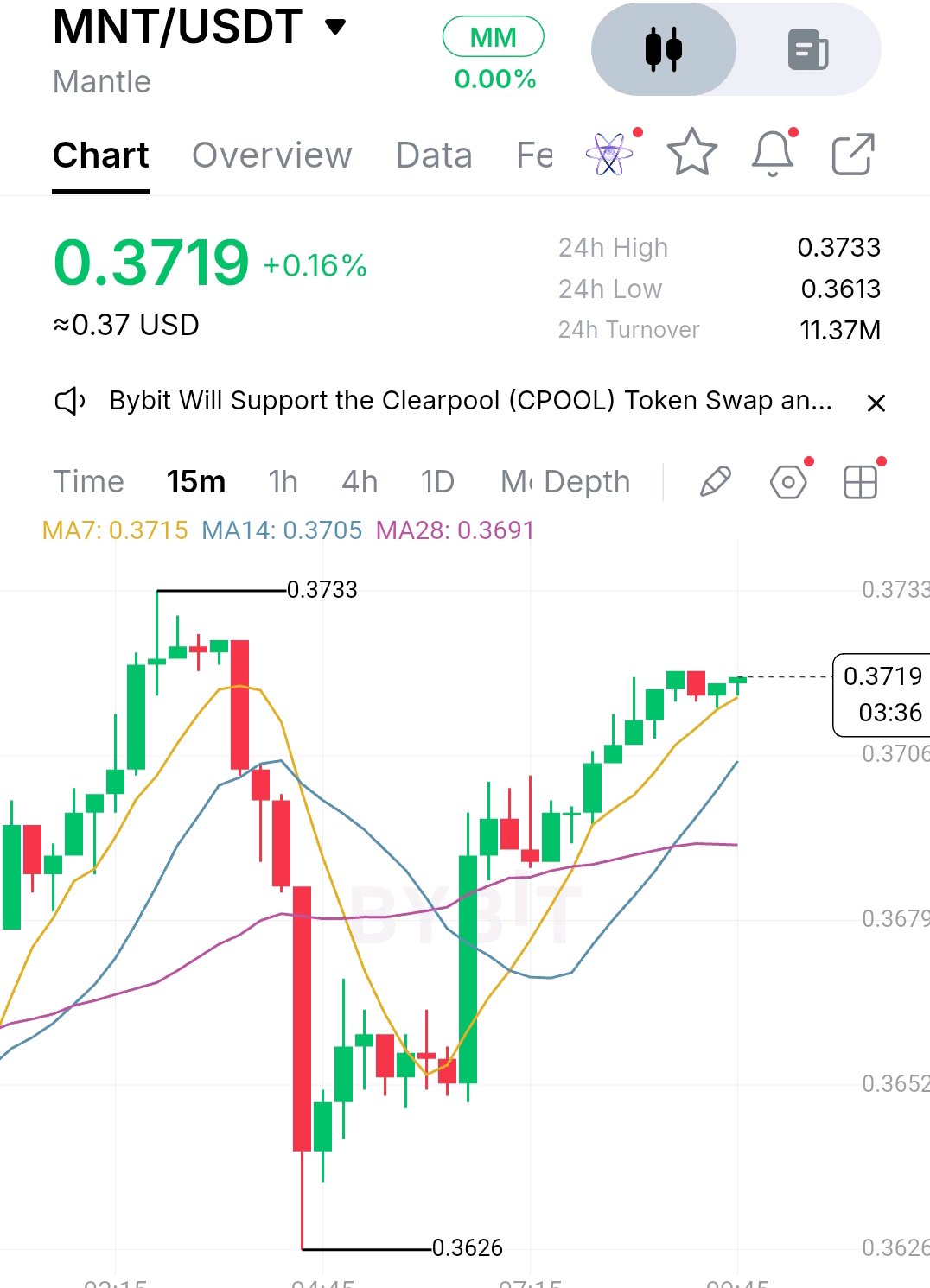
$MNTUSDT Mantle (MNT): Building Beyond the Layer-2 Narrative Mantle is positioning itself as more than an Ethereum scaling solution, expanding into DeFi, stablecoins and tokenized real-world assets. Its growing financial ecosystem and institutional integrations show promising adoption. However, the real challenge is turning ecosystem growth into sustainable network revenue and meaningful MNT utility. Technology is progressing, but long-term value capture remains the key question. Can Mantle become a major financial infrastructure network rather than just another Layer-2 ecosystem? #MANTLE #MNT #DeFi #Ethereum #RWA #Crypto#ByXIMPACT
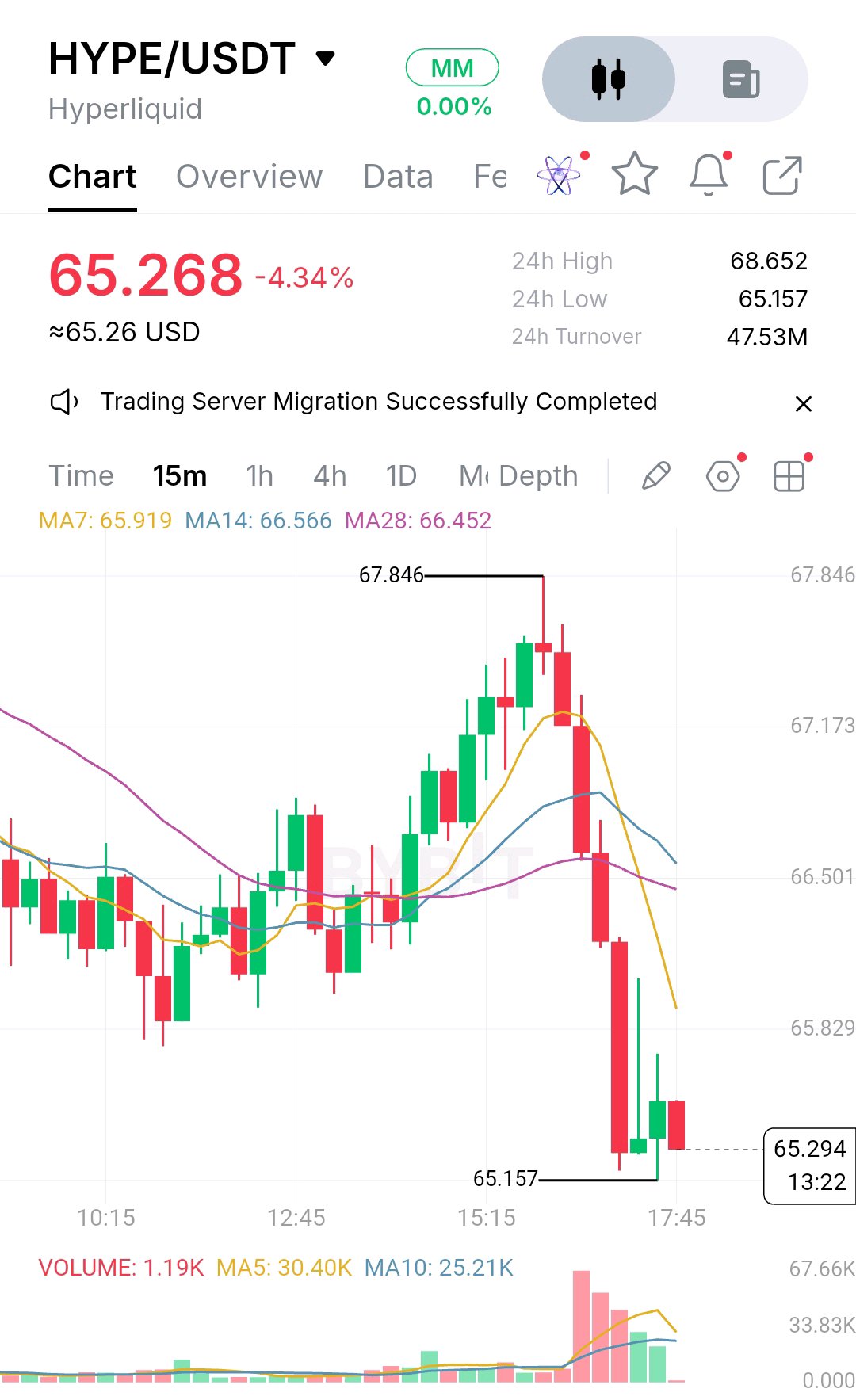
$HYPEUSDT HYPE: From Decentralized Trading Platform to On-Chain Financial Infrastructure As competition intensifies across decentralized derivatives exchanges, the industry is moving beyond simply attracting trading volume. Sustainable liquidity, execution quality, and genuine fee generation are becoming more important measures of success. Hyperliquid (HYPE) is particularly interesting because it is attempting to turn a successful perpetual futures exchange into a broader financial infrastructure ecosystem. Hyperliquid operates its own Layer-1 blockchain, combining HyperCore's fully on-chain order books with HyperEVM, which allows developers to build decentralized financial applications. Unlike platforms that depend on external execution infrastructure, Hyperliquid processes orders, cancellations, trades, and liquidations directly on-chain. Its architecture is designed to deliver an exchange-like trading experience while maintaining transparent settlement. Adoption provides substantial evidence of product-market fit. According to Castle Labs' November 15, 2026 data, Hyperliquid processed approximately $15.04 billion in perpetual trading volume over 24 hours, representing around 50% of the tracked on-chain perpetual DEX market. Open interest reached approximately $5.57 billion, suggesting that its activity is supported by substantial outstanding trading positions rather than volume alone. The economic picture is equally important. Castle Labs estimates that the protocol generated $69.8 million in revenue over 30 days and $679.1 million over 12 months. Hyperliquid directs protocol fee revenue toward systematic HYPE purchases through its Assistance Fund, creating a more direct connection between platform activity and token demand than many competing ecosystems. HYPE also supports network staking and security. However, buybacks do not guarantee lasting appreciation, and market demand remains an independent factor. Competition is becoming more serious. Lighter, Aster, and Jupiter Perps are competing through alternative execution models, liquidity incentives, and established ecosystems. Hyperliquid's strongest advantage remains its combination of deep liquidity, integrated infrastructure, and permissionless market expansion through HIP-3, which allows independent builders to deploy perpetual markets. Nevertheless, concentration in leveraged trading creates structural risks. Market downturns can reduce fee generation, while security failures, regulatory restrictions, or aggressive competitors could weaken its position. HyperEVM adoption must also demonstrate that the ecosystem can generate meaningful activity beyond derivatives speculation. The verdict: Hyperliquid has progressed beyond a market narrative. Its trading activity, measurable revenue, and token-linked fee mechanisms demonstrate genuine economic utility. What remains unproven is whether it can transform trading dominance into a diversified financial ecosystem with sustainable demand across multiple applications. The critical question is no longer whether Hyperliquid can attract traders, but whether it can become indispensable infrastructure for the next generation of on-chain finance. #ByXIMPACT
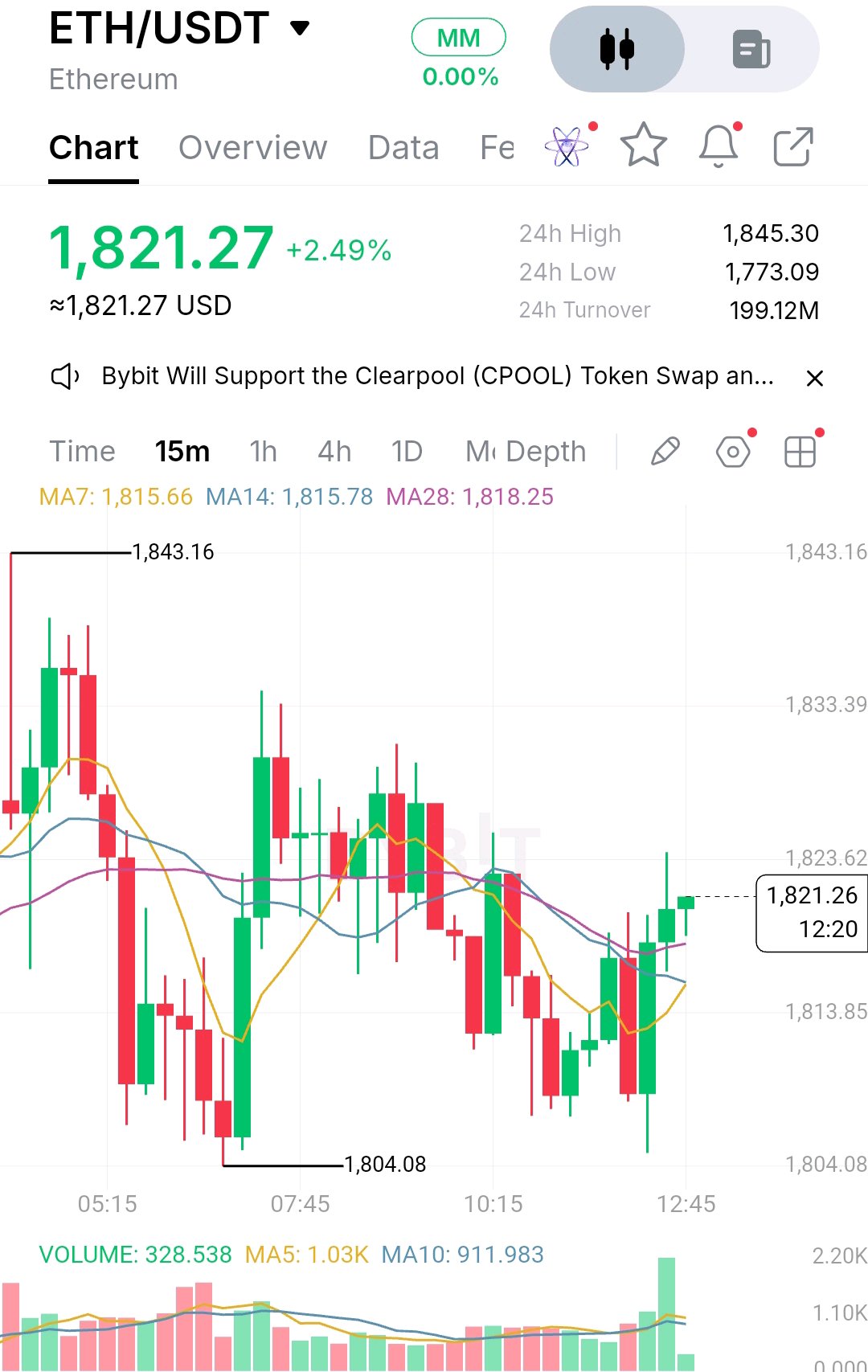
$ETHUSDT Ethereum: Real Economic Adoption or the Growing Cost of Scaling? The blockchain industry is increasingly competing on more than transaction speed. Stablecoin settlement, decentralized finance and tokenized assets are becoming important measures of whether a network can support a sustainable digital economy. Ethereum remains central to this competition, but its expanding ecosystem raises an important question: is network adoption translating into meaningful value for ETH? Ethereum provides an infrastructure layer where developers build financial applications, decentralized exchanges, lending platforms, stablecoin systems and digital asset services. Its smart contracts allow transactions and financial agreements to execute without traditional intermediaries. Its Layer-2 networks extend this infrastructure by processing transactions more cheaply while using Ethereum for settlement and security. Recent activity demonstrates substantial demand. According to Ethereum Institutional's November 5 research, mainnet averaged 2.17 million daily transactions between January and October 2026, up 54% year over year. Its Layer-2 ecosystem averaged another 23.3 million daily transactions. Stablecoin transfers on mainnet reached $25.8 trillion during the same period, although transfer volume should not be mistaken for verified payment activity. DeFiLlama's November 16 snapshot reported approximately $37.9 billion in Ethereum DeFi TVL, $131.9 billion in stablecoin supply and 779,598 active daily addresses. These figures demonstrate considerable economic infrastructure beyond speculative trading. Competition, however, is intensifying. Solana recorded approximately 2.17 million active addresses and 87.57 million daily transactions in its November 16 snapshot. Its lower-cost, high-throughput architecture gives it a compelling position in consumer applications and trading. Ethereum retains a deeper capital base and a broad Layer-2 ecosystem, while Base and Arbitrum extend its reach. The economic question is more complicated. ETH pays transaction fees, secures the network through staking and benefits from the permanent burning of transaction base fees. However, lower transaction costs also mean less ETH is burned per transaction. Ecosystem expansion does not automatically guarantee stronger token value capture. Ethereum's upcoming Glamsterdam upgrade, currently targeted for Q4 2026, aims to improve execution capacity and transaction processing. Its implementation remains subject to testing. Final assessment: Ethereum demonstrates genuine adoption through financial liquidity, stablecoin settlement and developer infrastructure. Its challenge is converting that activity into durable economic demand for ETH while competing against faster alternatives. The next important evidence will be sustained fee generation, organic application growth and measurable value returning to ETH holders. If Ethereum continues expanding while transaction costs and ETH burn remain relatively low, will its ecosystem success ultimately translate into comparable token value? #ByXIMPACT
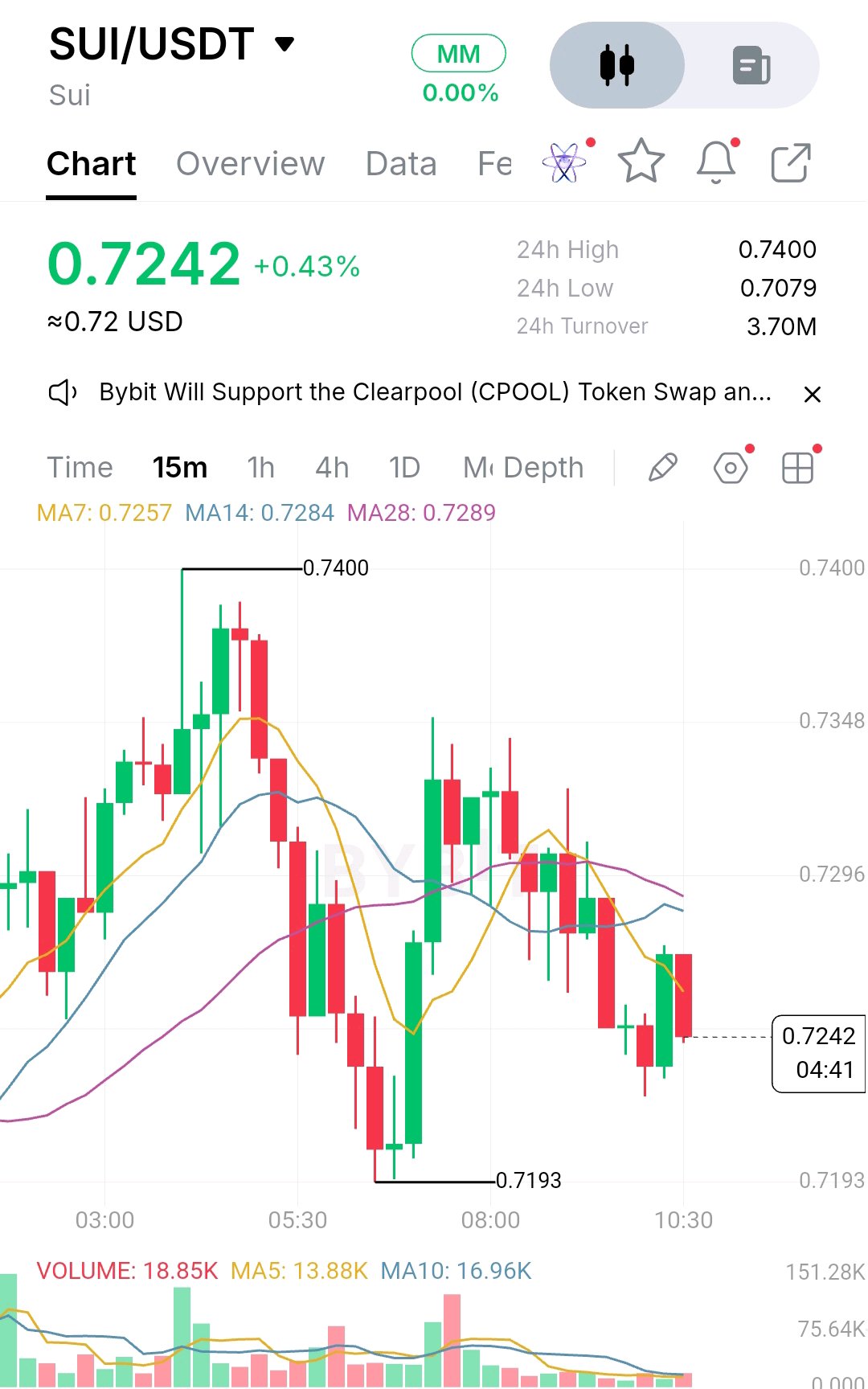
$SUIUSDT SUI: The Real Test Is No Longer Speed — It's Sustainable Adoption The Layer-1 race is entering a different phase. Processing transactions quickly is no longer enough to attract lasting attention. The networks that matter will be those capable of turning technical performance into recurring economic activity. Sui ($SUI) is facing exactly this challenge. Built around an object-centric architecture and the Move programming language, Sui aims to make blockchain applications more efficient, particularly across DeFi, digital assets, gaming and payments. Its advantage is not simply speed; it is the ability to build applications where asset ownership and transaction execution are designed differently from traditional account-based blockchains. But the latest ecosystem figures reveal a more interesting story. According to DeFiLlama's November 16, 2026 snapshot, Sui holds approximately $374.27 million in DeFi TVL, alongside $538.31 million in stablecoin liquidity. Its decentralized exchanges recorded $27.36 million in daily trading volume, while the network registered 81,016 active addresses. These figures demonstrate an operating ecosystem rather than an infrastructure concept waiting for adoption. However, there is an important distinction between activity and economic strength. Sui generated approximately $4,511 in chain fees over the same 24-hour period, while reported chain revenue was just $36.56. Applications generated considerably more revenue, highlighting where much of the ecosystem's economic value currently sits. This creates an important question about SUI's long-term position. Competitors such as Solana and Aptos are also developing their infrastructure and attracting developers. Sui must therefore prove that its architecture can generate lasting user demand, deeper liquidity and sustainable application businesses. Its native token has functional roles in transaction fees, staking and governance, but ecosystem expansion does not automatically translate into proportional token value. My assessment: Sui has demonstrated technological capability and meaningful ecosystem participation. Its next challenge is proving that this activity can become durable economic demand rather than temporary network momentum. The most important metric to watch is not transaction speed. It is whether users keep returning, applications keep generating revenue and liquidity remains committed even when incentives decline. Is Sui building the next generation of blockchain infrastructure, or does it still need to prove that its adoption can sustain its economics? #ByXIMPACT
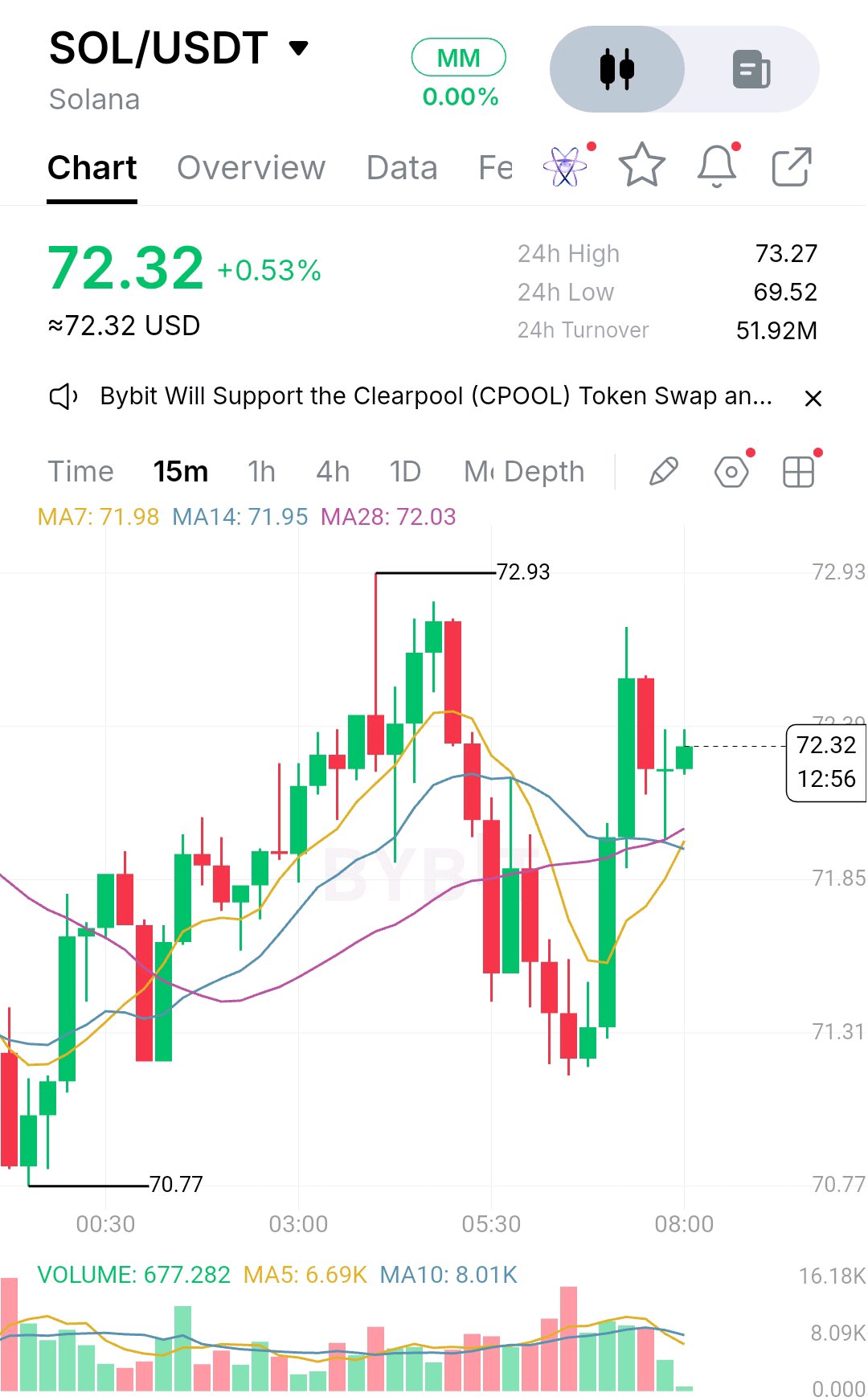
$SOLUSDT Solana: Real Blockchain Adoption Is Growing, But Who Captures the Economic Value? The competition among high-performance blockchain networks is increasingly shifting from transaction speed to sustainable economic activity. Solana ($SOL) has positioned itself at the centre of this transition, building an ecosystem where decentralized finance, stablecoins, trading applications and tokenized assets operate on a single high-throughput network. Solana's strongest advantage is its ability to deliver fast, relatively inexpensive transactions without sacrificing a broad application ecosystem. Its infrastructure supports decentralized exchanges, lending platforms, payment applications and digital asset markets. Products such as Jupiter, Raydium, Orca and Kamino demonstrate that the network has developed beyond a simple blockchain infrastructure project. The latest available metrics provide meaningful evidence of adoption. According to DefiLlama, on November 16, 2026, Solana held approximately $4.7 billion in DeFi total value locked, alongside $14.07 billion in stablecoin market capitalization. Its daily decentralized exchange volume approached $1.5 billion. These figures demonstrate substantial financial activity rather than adoption measured through transaction counts alone. However, economic performance reveals a more complicated picture. DefiLlama reported approximately $357,105 in daily network fees and $26,719 in network revenue, compared with roughly $2.54 million in application revenue. This distinction matters: applications can generate substantial income without transferring equivalent economic value to the underlying blockchain or its native token. SOL has genuine utility through transaction fees, staking and validator security. Nevertheless, staking participation and network usage do not automatically guarantee proportional benefits for every token holder. Inflationary issuance also remains an important consideration. Competition is another important factor. Ethereum maintains a significantly larger DeFi capital base and institutional ecosystem, while emerging networks such as Sui compete through alternative execution architectures and application experiences. Solana's advantage remains its established liquidity, developer infrastructure and integrated trading environment. Technological development could strengthen this position further. Solana's Alpenglow consensus upgrade activated on mainnet in October 2026, representing an important infrastructure milestone. Continued development of Firedancer also supports the network's broader validator-client diversification efforts. The central question is whether Solana can convert its considerable application activity into durable network-level economic value. Its adoption is real, but long-term sustainability requires more than trading volume and transaction growth. Final Verdict: Solana has established itself as a major blockchain economy with meaningful financial activity, competitive infrastructure and expanding utility. Its next challenge is strengthening sustainable fee generation, independent application demand and long-term value capture for SOL. Will Solana's growing ecosystem eventually translate into stronger economic value for its native token, or will application businesses capture most of the benefits?#ByXIMPACT
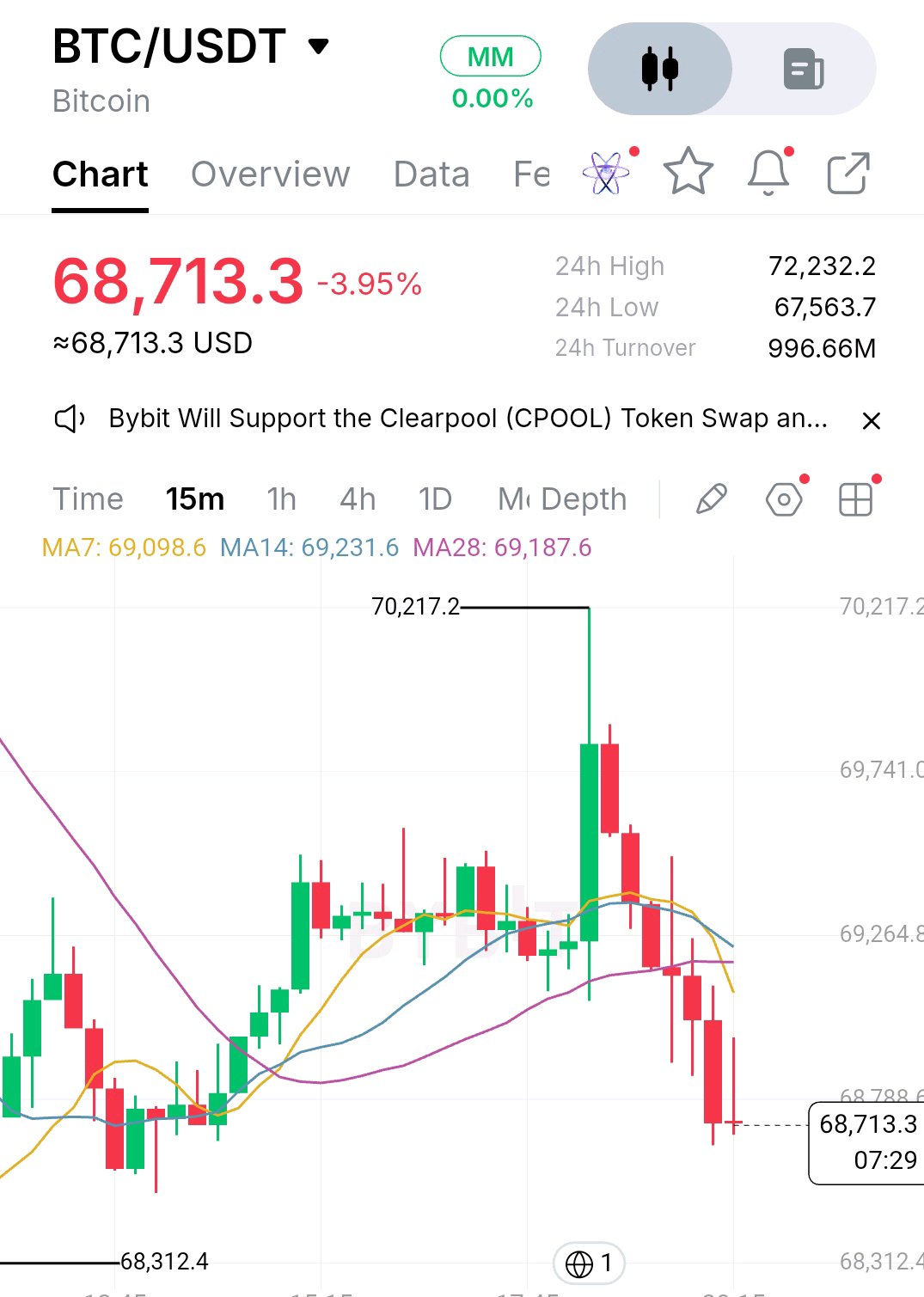
$BTCUSDT BTC — Bitcoin: Adoption Beyond the Hype Bitcoin continues strengthening its position as a global financial asset. Institutional demand, ETF adoption, and growing settlement activity highlight its importance beyond market speculation. However, long-term sustainability depends on more than scarcity. Organic transactions, Lightning Network adoption, and sustainable miner economics remain essential. Bitcoin has established its monetary value proposition, but its next challenge is proving that real-world utility can grow alongside institutional demand. The big question: Can Bitcoin become more than a store of value and evolve into a widely used global payment network? #IMPACTbyTrade